What is traditional Vietnamese food? It is a fresh, rice-based cuisine defined by the five-flavor balance (ngũ vị), fresh herbs, and fish sauce. This 2026 guide covers iconic dishes like phở, bánh mì, bún chả, and spring rolls.
For US travelers, this guide covers regional variations (mild North, spicy Central, sweet South), dietary needs, 2026 street prices, calorie estimates, pronunciation, and Gordon Ramsay’s praise of traditional Vietnamese food.
Last updated: October 2026. Prices are street-stall estimates; confirm directly with vendors.
What Defines Traditional Vietnamese Cuisine?
Traditional Vietnamese food is defined by the five-flavor balance (ngũ vị), rice as the staple base, fresh herbs as core ingredients, and fish sauce as the primary seasoning.
At its core, traditional Vietnamese food relies on ngũ vị, the precise balance of spicy, sour, sweet, salty, and bitter flavors. The cuisine builds on a naturally rice-based foundation seasoned heavily with fish sauce, known locally as mắm. Cooks use quick, high-heat methods and treat rau thơm (fresh herbs) as structural ingredients rather than optional garnishes.
The Core Ingredients Every Traditional Vietnamese Dish Shares
| Ingredient | Role |
|---|---|
| Rice (noodles, paper, flour) | Staple base; naturally gluten-free |
| Fish sauce (mắm) | Primary seasoning; salt and umami source |
| Fresh herbs (rau thơm) | Core ingredient, added at the table |
| Lime and chili | Sour and spicy accents |
| Nước chấm | Sweet-sour-salty dipping sauce |
| Pickled carrot and daikon | Sour crunch in bánh mì and side plates |
What Is Phở? Vietnam’s Most Iconic Traditional Dish
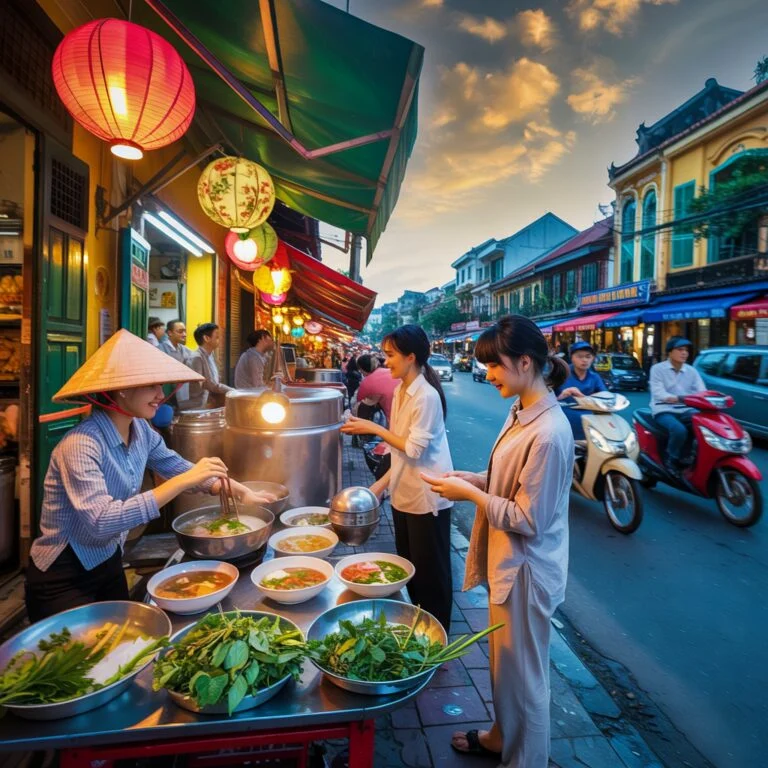
Traditional Vietnamese food has no bigger icon than phở: a slow-simmered rice noodle soup with broth cooked 6 to 12 hours, eaten at any hour.
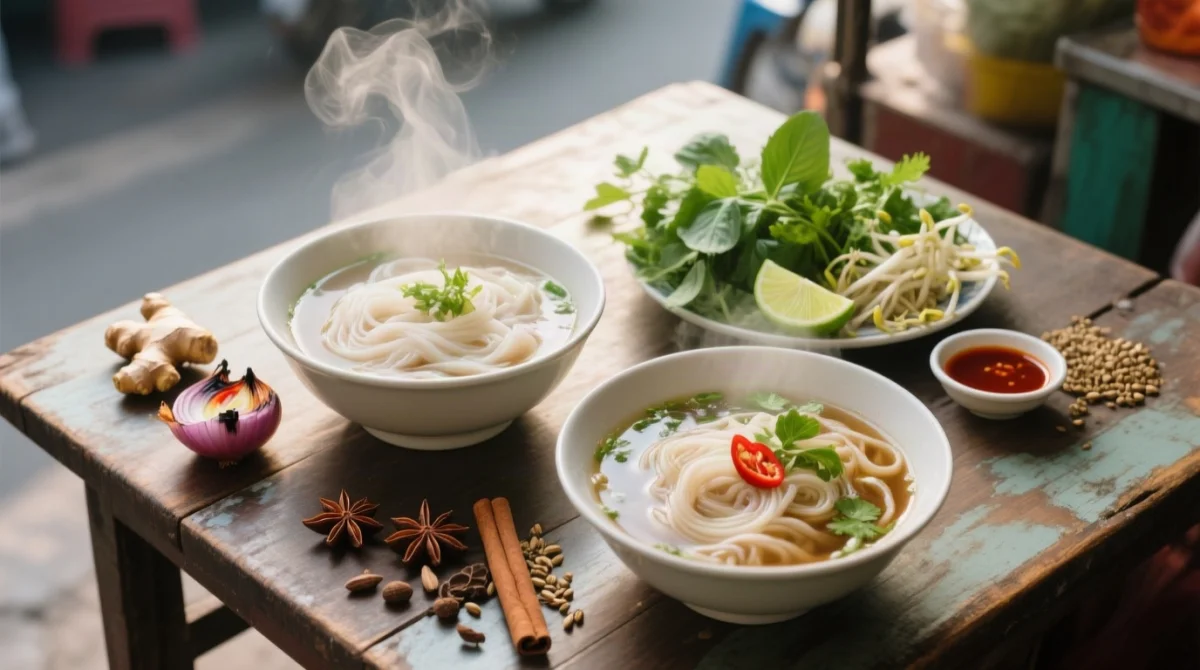
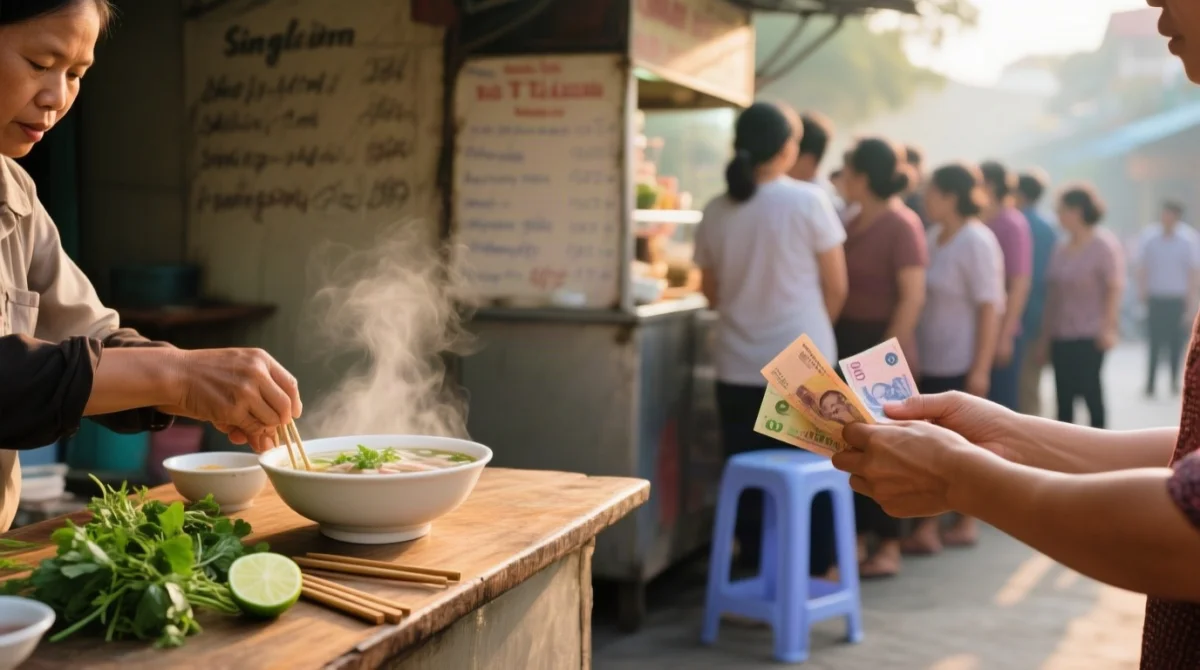
In 2026, a bowl costs 30,000 to 60,000 VND ($1.20 to $2.40 USD) at street stalls, with an estimated 350 to 500 kcal per serving. The broth relies on star anise, cinnamon sticks, cloves, charred onions, charred ginger, and coriander seed. Season the bowl yourself from the shared herb table: add rau thơm, lime, and chili to taste. Phở is the dish most travelers mean when they ask what traditional Vietnamese food is.
Phở in Hanoi vs. Phở in Saigon (Ho Chi Minh City)
| Feature | Hanoi Style | Saigon Style |
|---|---|---|
| Broth | Clear, savory, paired with chili oil | Sweeter, served with hoisin sauce |
| Noodles | Wider rice noodles | Smaller rice noodles |
| Garnishes | Fewer garnishes | Generous fresh herb platters |
Bánh Mì – Traditional Vietnamese Street Food at Its Best
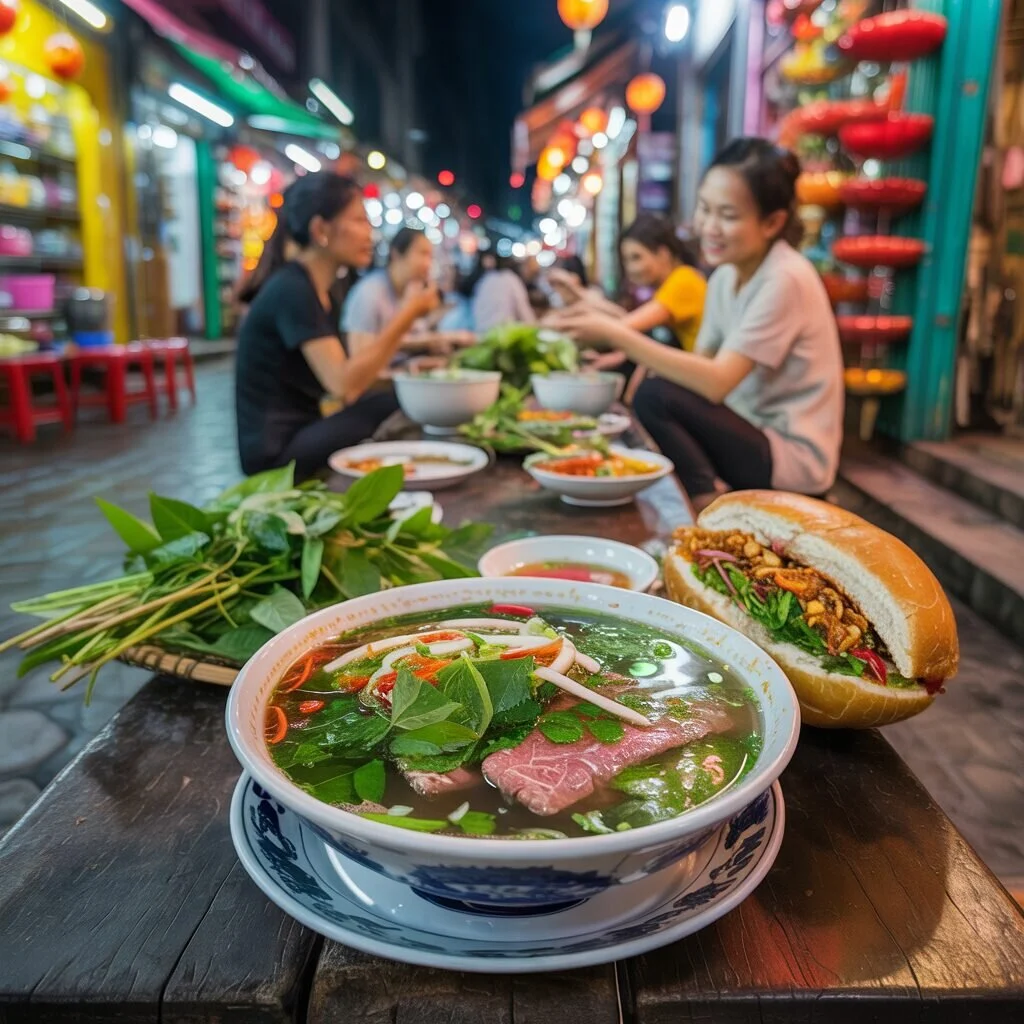
Traditional Vietnamese food has no more portable icon than bánh mì: a French-influenced baguette with pâté, cold cuts, pickled carrot and daikon, cilantro, and chili.
Built on French colonial influence and available nationwide, bánh mì shows how traditional Vietnamese food absorbs outside ideas. Classic fillings: pâté, cold cuts or grilled pork, pickled carrot and daikon, cucumber, cilantro and fresh herbs, chili, and optional mayonnaise; tofu versions (bánh mì chay) serve vegetarians. In 2026, street prices run 15,000 to 30,000 VND (up to 80,000 VND in tourist areas), with an estimated 300 to 450 kcal per sandwich.
Bánh Mì Styles by Region
- North: crispier bread, more meat
- Central: spicier pâté
- South: softer bread, more pickles
Bún Chả – Traditional Vietnamese Food from Hanoi
Bún chả is traditional Vietnamese food at its most regional: Hanoi’s signature lunch of charcoal-grilled pork with rice vermicelli, fresh herbs, and sweet-sour nước chấm.
The dish centers on charcoal-grilled pork – sliced belly and patties – with rice vermicelli (bún), lettuce, fresh herbs, pickled vegetables, and a sweetened fish sauce broth with garlic and chilies. Dip the vermicelli and herbs into the nước chấm as you eat. Anthony Bourdain and President Barack Obama ate at Bún Chả Hương Liên in 2016; expect a queue at lunchtime. A standard combo costs about 120,000 VND ($5 USD) and contains an estimated 400 to 600 kcal.
Bún Chả vs. Phở – Hanoi’s Two Lunch Legends
Phở is a broth-heavy soup eaten at any time of day; bún chả is a lunch dish built on grilled textures and a dipping broth. Together they anchor traditional Vietnamese food culture in the capital.
Gỏi Cuốn & Chả Giò – Traditional Vietnamese Spring Rolls
Gỏi cuốn and chả giò are the two spring rolls of traditional Vietnamese food: fresh cold rice-paper rolls with shrimp and herbs vs. deep-fried rolls with minced meat.
| Feature | Gỏi Cuốn (Fresh) | Chả Giò (Fried) |
|---|---|---|
| Preparation | Served cold in translucent rice paper | Deep-fried with a crispy exterior |
| Fillings | Shrimp, pork, rice vermicelli, mint, basil, lettuce | Minced meat and mushroom filling |
| Calories | 80-120 kcal per piece | 120-160 kcal per piece |
In 2026, both styles of traditional Vietnamese food spring rolls cost 10,000 to 20,000 VND per piece at street stalls.
The One Sauce You Need to Know: Nước Chấm
Nước chấm combines fish sauce, lime, sugar, garlic, and chili into a sweet-sour-salty dip that cuts the richness of fried chả giò and brightens fresh herbs. Its pungent cousin mắm tôm (fermented shrimp paste) appears beside grilled dishes – vegetarians should avoid both.
The Cultural Significance of Traditional Vietnamese Food
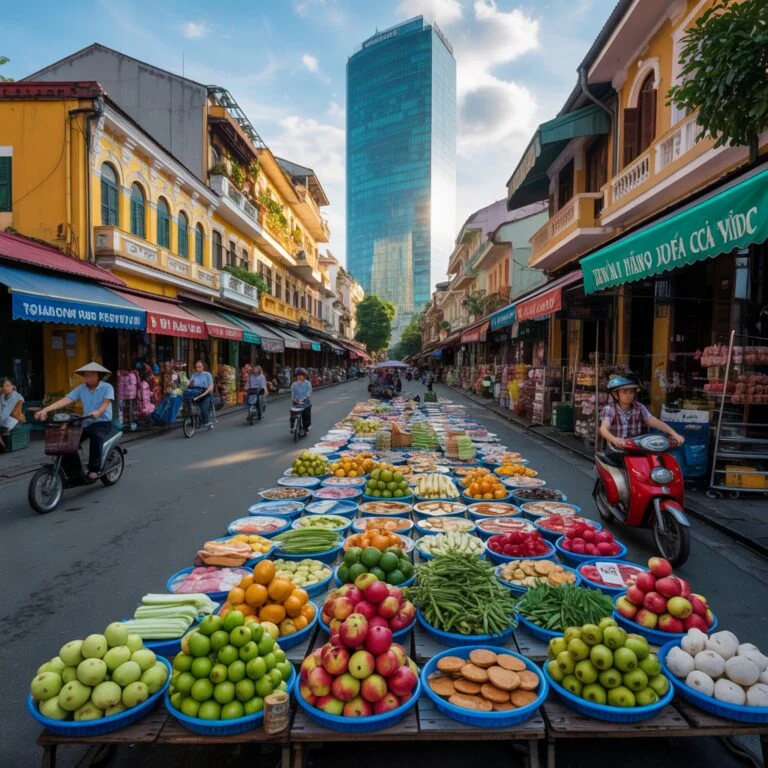
The cultural significance of traditional Vietnamese food lies in its social infrastructure: single-dish street stalls, communal dining, and the herb table are central to daily life.
Locals eat at specialized single-dish stalls, gathering around communal herb tables to customize meals together. Each dish carries a cultural role: phở structures the morning, bún chả anchors Hanoi lunches, bánh mì fuels commuters, and spring rolls open family meals. This rhythm makes traditional Vietnamese food a daily social event rather than mere sustenance.
What Vietnamese Eat at Tết (Lunar New Year)
During Tết, families prepare bánh chưng, a square sticky rice cake of pork and mung beans wrapped in banana leaves, honoring ancestors and reinforcing community bonds.
Regional Variations: North, Central & South Vietnam
Traditional Vietnamese food varies dramatically by region: the North favors mild dishes like phở, the Central region is spicy and complex, and the South is sweeter and richer.
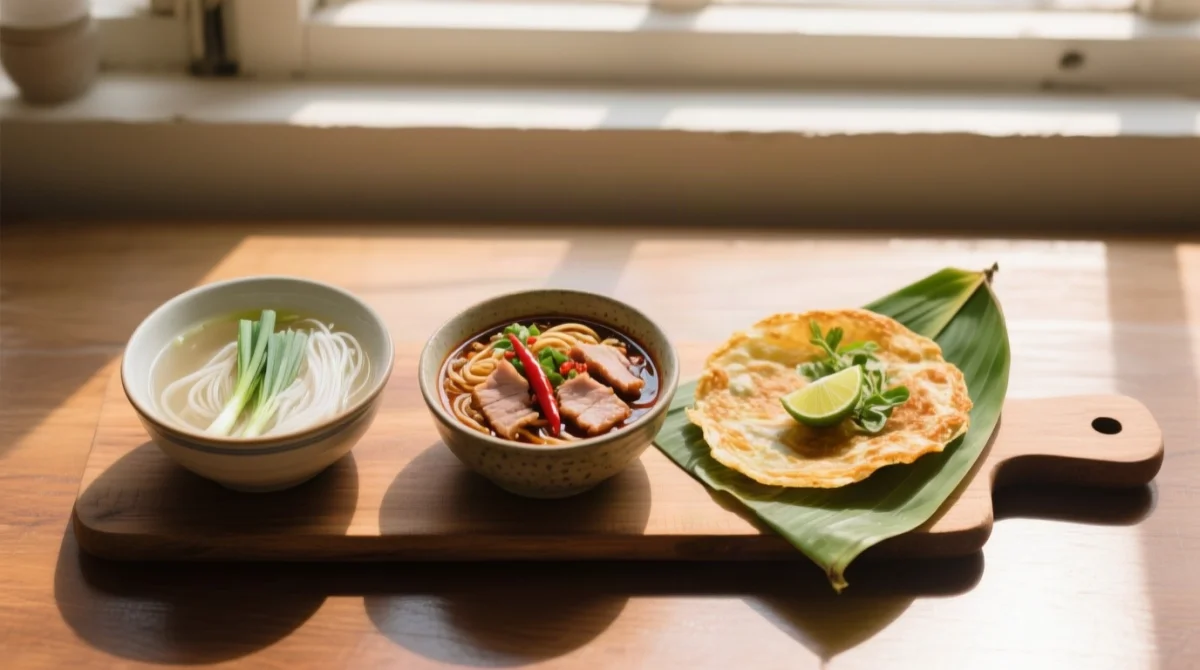
Climate drives the regional map of traditional Vietnamese food: the cooler North produces restrained broths, the hot Central coast adds chili heat, and the tropical South sweetens its dishes.
| Region | Flavor Profile | Iconic Dishes |
|---|---|---|
| North | Mild, savory | Phở, Bún chả |
| Central | Spicy, complex | Cao lầu, Mì quảng, bún bò Huế |
| South | Sweeter, richer | Bánh xèo, cơm tấm, bánh khọt |
Central Vietnam Specialties You Won’t Find Elsewhere
The signature central noodle dish, cao lầu, is tied to Hoi An: by traditional legend, authentic versions were made with water from the ancient Bá Lễ (Cham) well and lye leached from Cham Islands plants; modern producers use an alkaline solution. Central menus also highlight mì quảng – wide flat noodles with minimal broth, topped with peanuts and rice crackers – and spicy bún bò Huế. Southward, look for crispy turmeric bánh xèo pancakes with pork, shrimp, and bean sprouts, plus cơm tấm broken-rice plates.
Dietary Considerations for Traditional Vietnamese Food
Traditional Vietnamese food is naturally rice-based and largely gluten-free except for bánh mì, though vegetarians and Muslim travelers must navigate the ubiquitous fish sauce (mắm).
| Diet Type | Vietnamese Phrase | Safe Dishes | Watch Out For |
|---|---|---|---|
| Gluten-Free | – | Phở, gỏi cuốn, cơm tấm | Wheat baguette in bánh mì |
| Vegetarian/Vegan | Cho tôi ăn chay | Bánh mì chay, vegetarian phở | Fish sauce (mắm) in broths |
| Halal | Không nước mắm | Vegetarian phở; HCMC District 5 (Chợ Lớn) vendors | Fish sauce in almost everything |
| MSG Sensitive | Không bột ngọt | Made-to-order stalls | MSG in street broths |
MSG is common in traditional Vietnamese food broths, but many vendors will omit it on request.
Key Vietnamese Phrases for Dietary Restrictions
- Cho tôi ăn chay: I eat vegetarian.
- Không nước mắm: No fish sauce.
- Không thịt: No meat.
- Không bột ngọt: No MSG.
What Gordon Ramsay Said About Vietnamese Cuisine
Gordon Ramsay praised traditional Vietnamese food for its freshness, complex flavor balance, and vibrant street food culture during his culinary television episodes in Vietnam.
In his 2019 Saigon episode (Gordon Ramsay’s 24 Hours to Hell and Back, Season 3, Episode 5), Ramsay highlighted the fresh, balanced flavors of everyday street meals. His praise echoes Anthony Bourdain, who chose a Hanoi bún chả stall for his 2016 dinner with President Barack Obama – two of the world’s best-known chefs endorsing street-level cooking over fine dining.
From his 2019 Saigon episode: traditional Vietnamese food earns top marks for freshness, balanced flavors, and a street food culture that turns every meal into an event.
Beyond the Big Four – More Traditional Vietnamese Dishes
Traditional Vietnamese food extends far beyond phở and bánh mì: bún bò Huế, cơm tấm, chả cá, and bò kho anchor regional menus.
| Dish | Region | What Makes It Traditional |
|---|---|---|
| Bún bò Huế | Central (Huế) | Spicy beef noodle soup with lemongrass |
| Cơm tấm | South | Broken rice plates with grilled pork |
| Chả cá | North (Hanoi) | Turmeric fish grilled with dill |
| Bò kho | South | Slow-braised beef stew with star anise |
| Bánh cuốn | North | Steamed rice rolls with minced pork |
| Morning glory | Nationwide | Garlic-fried water spinach, the standard side dish |
These dishes round out a traditional Vietnamese food itinerary beyond the tourist trail.
Drinks Worth Knowing: Vietnamese Coffee Culture
Coffee is brewed in a phin (metal filter) and mixed with condensed milk. The signature cà phê trứng (egg coffee) originated in 1940s Hanoi, when fresh milk was scarce: whipped egg yolk replaces the milk cap.
How to Order & Find Authentic Traditional Vietnamese Food
Authentic traditional Vietnamese food costs 15,000 to 60,000 VND in 2026; find the best spots by looking for local queues and high turnover, not English menus.
Follow these stall selection heuristics:
Look for local queues
High turnover ensures fresh ingredients.
Avoid multi-lingual plastic menus
Seek vendors specializing in one dish.
For food safety, drink bottled water, be cautious with ice and raw herbs if your stomach is sensitive, and favor stalls that cook to order. These rules hold for traditional Vietnamese food from Hanoi to Ho Chi Minh City.
2026 Street Food Price Guide (VND / USD)
| Dish | 2026 Price (VND) | USD |
|---|---|---|
| Phở | 30,000-60,000 | $1.20-$2.40 |
| Bánh mì | 15,000-30,000 (up to 80,000 in tourist areas) | $0.60-$1.20 |
| Bún chả combo | about 120,000 | about $5 |
| Spring rolls (per piece) | 10,000-20,000 | $0.40-$0.80 |
How to Pronounce Vietnamese Dish Names
- Phở: pronounced /fəː/
- Bánh mì: pronounced /bɐn miː/
- Bún chả: pronounced /bʊn t͡ɕaː/
- Gỏi cuốn: pronounced /ɡɔj kʷon/
Frequently Asked Questions (FAQ) About Traditional Vietnamese Food
What is traditional Vietnamese food?
Traditional Vietnamese food is a fresh, rice-based cuisine built on the five-flavor balance (ngũ vị: spicy, sour, sweet, salty, bitter), fresh herbs, and fish sauce – generally milder than Thai or Indian food.
What is the most popular traditional Vietnamese dish?
Phở, Vietnam’s national dish: a rice noodle soup with broth simmered 6 to 12 hours with star anise, cinnamon, cloves, charred onions and ginger, and coriander seed.
What is the difference between fresh spring rolls (gỏi cuốn) and fried spring rolls (chả giò)?
In traditional Vietnamese food, gỏi cuốn are fresh, cold rolls in translucent rice paper filled with shrimp, pork, rice vermicelli, and fresh herbs; chả giò (nem rán) are deep-fried rolls with a crispy exterior and a minced meat and mushroom filling.
Is traditional Vietnamese food gluten-free?
Largely, yes: traditional Vietnamese food is rice-based, so phở, gỏi cuốn, and cơm tấm are safe. The main exception is the wheat baguette in bánh mì.
Is traditional Vietnamese food suitable for vegetarians and vegans?
It can be, but fish sauce is everywhere. Order vegetarian phở or bánh mì chay and say “cho tôi ăn chay” (I eat vegetarian), “không thịt” (no meat), or “không nước mắm” (no fish sauce).
Is Vietnamese food halal or suitable for Muslim travelers?
With caution: fish sauce (mắm) appears in almost everything. Vegetarian phở and bánh mì chay are safer alternatives, and HCMC’s District 5 (Chợ Lớn) has Muslim-friendly options.
Does traditional Vietnamese food contain MSG?
Yes, MSG (bột ngọt) is common in street food broths, but many vendors will omit it on request – say “không bột ngọt” (no MSG).
Is street food in Vietnam safe to eat?
Generally, yes. Choose busy stalls with high turnover and food cooked to order, drink bottled water, and skip ice and raw herbs if your stomach is sensitive.
How much does traditional street food cost in Vietnam in 2026?
In 2026, traditional Vietnamese food costs 15,000 to 60,000 VND per dish: phở 30,000 to 60,000 VND ($1.20 to $2.40), bánh mì 15,000 to 30,000 VND, bún chả combos about 120,000 VND ($5), and spring rolls 10,000 to 20,000 VND per piece.
How do I pronounce Vietnamese dish names when ordering?
Phở: /fəː/. Bánh mì: /bɐn miː/. Bún chả: /bʊn t͡ɕaː/. Gỏi cuốn: /ɡɔj kʷon/. Pointing at what other diners are eating also works.