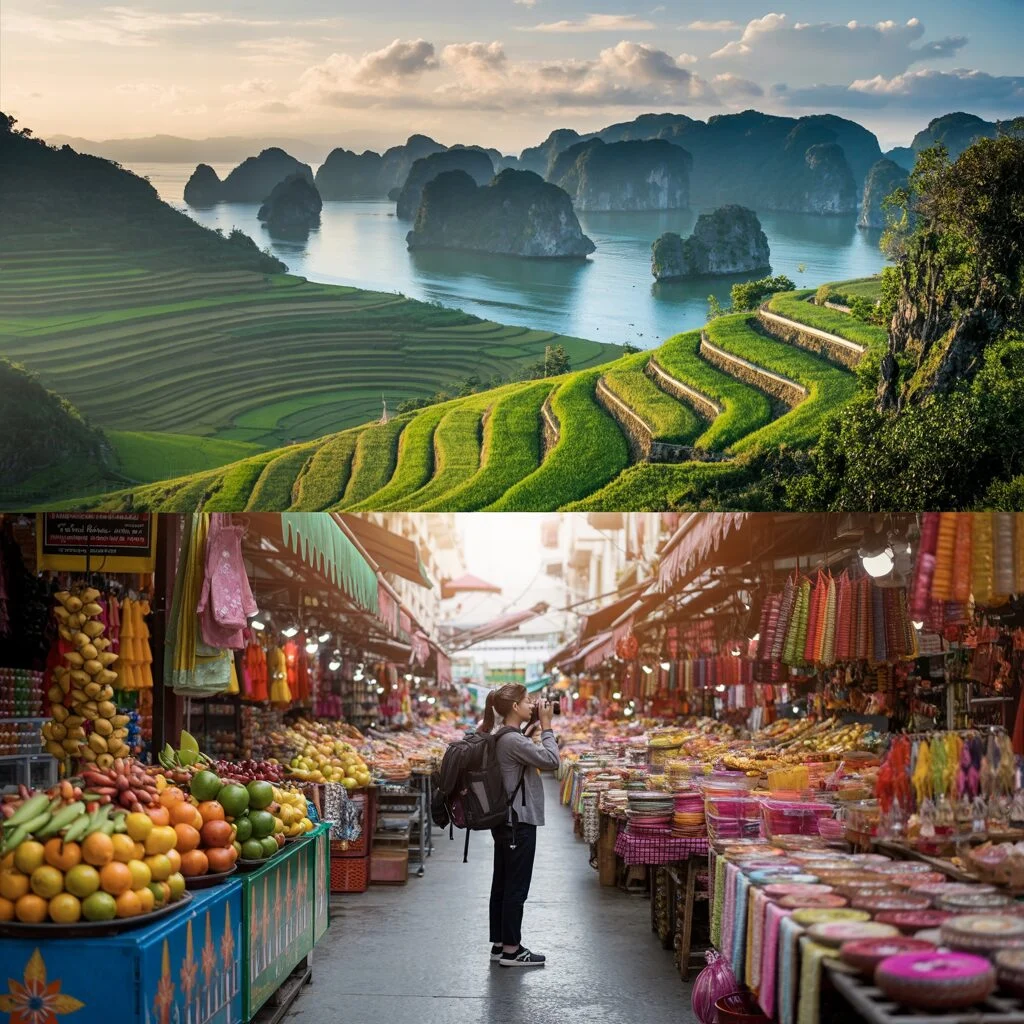


Vietnam is currently safe for tourists, maintaining a Level 1: Exercise Normal Precautions advisory for 2026. Ranked 38th out of 163 countries on the Global Peace Index, Vietnam poses no conflict-related risks, though travelers should remain vigilant against petty crime, road traffic hazards, and seasonal tropical storms.
Petty theft, particularly motorbike bag snatching in crowded areas like Ben Thanh Market and Hanoi Old Quarter, remains the most common crime targeting visitors. Road safety is another key concern, as traffic laws are frequently disregarded and scooter accidents are a leading cause of injury among tourists. The tropical storm season from May to November can cause serious travel disruption, including heavy rain, flooding, and landslides.
Travelers should also prepare for common tourist scams, including cyclo ride overcharging, taxi meter manipulation, and shoe-shining hustles. Securing comprehensive travel insurance covering medical evacuation to Thailand or Japan is essential, as Vietnamese healthcare infrastructure is rudimentary and doctors often demand upfront payment before treating American patients.
Is It Safe to Travel to Vietnam Right Now?
Travel Safety in Vietnam currently aligns with a Level 1: Exercise Normal Precautions advisory issued by the U.S. Department of State for 2026. The nation ranks 38th out of 163 countries on the Global Peace Index and 55th out of 146 countries on the Numbeo safety ranking, indicating a highly secure environment for international visitors. Answering the common query, is it safe to travel to vietnam right now, requires monitoring seasonal weather patterns.
Current 2026 Safety Trends and Seasonal Variations
Travel Safety in Vietnam shifts predictably during the tropical storm season, which spans from May to November according to gov.uk, or June to November per smartraveller.gov.au. This period introduces serious travel disruption, including heavy rain, floods, landslides, and typhoons. Visitors must adjust coastal and rural itineraries accordingly to mitigate weather-related risks during these months.
Petty Crime & Theft in Vietnam
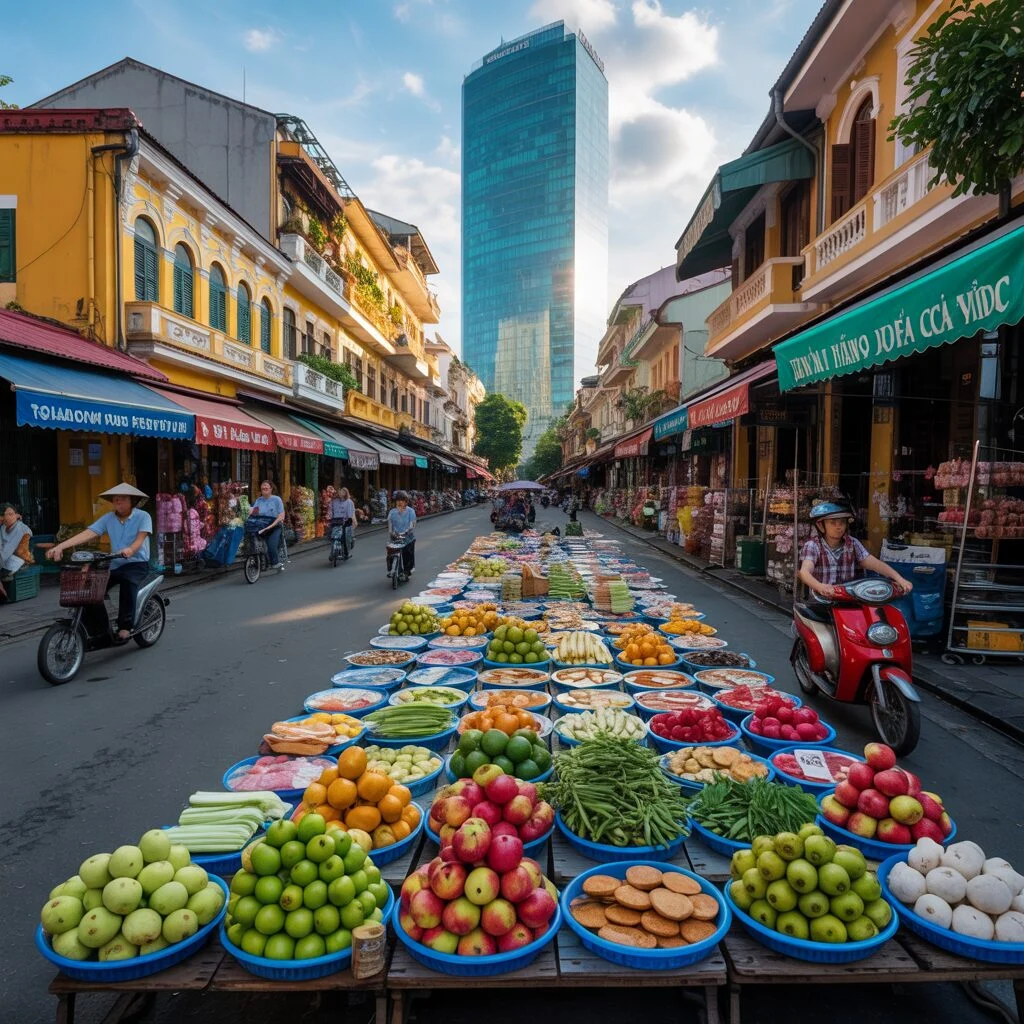
Petty theft and motorbike bag snatching are the most common crimes targeting tourists in crowded hotspots like Ben Thanh Market, Bui Vien Street, and Hanoi Old Quarter. Travel Safety in Vietnam depends on recognizing that thieves operate on motor scooters in the most crowded parts of the largest cities, targeting cellphones, purses, cameras, and backpacks.
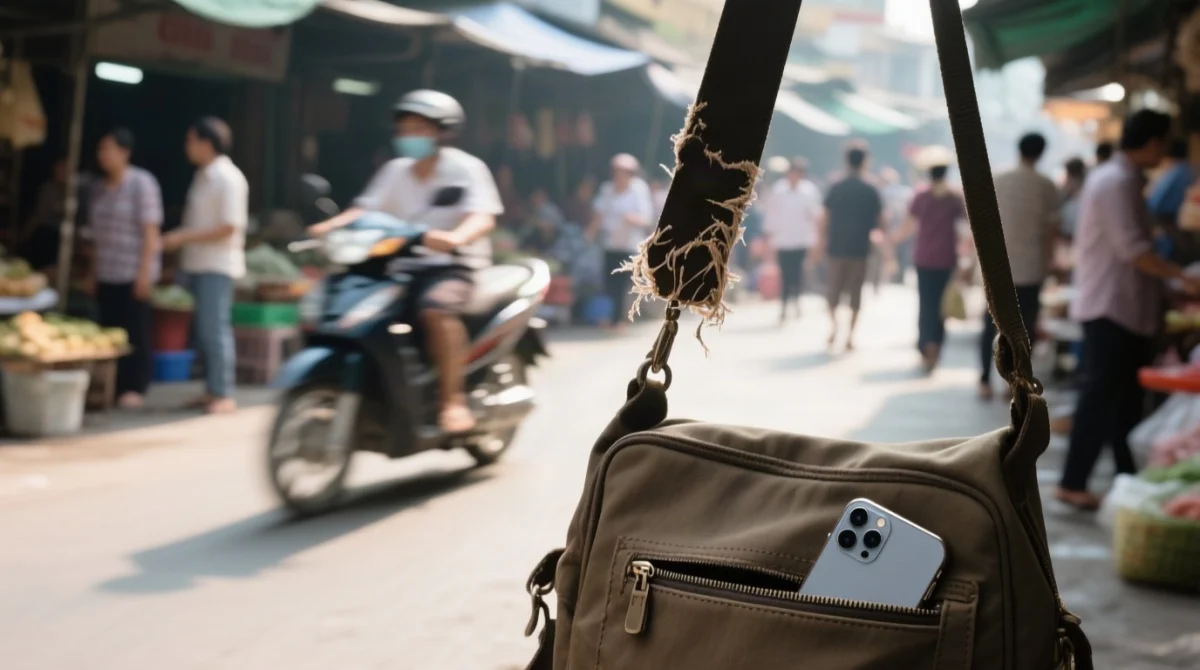
Pickpocketing Hotspots: Hanoi and Ho Chi Minh City
- Ben Thanh Market (Ho Chi Minh City) – dense foot traffic creates cover for pickpocketing and distraction theft.
- Bui Vien Walking Street (Ho Chi Minh City) – evening crowds and nightlife activity increase phone-theft risk.
- Hanoi Old Quarter – narrow alleys and market stalls enable rapid bag-snatching by passing scooter riders.
The U.S. State Department recommends holding bags tightly and investing in a shoulder bag or backpack with cut-proof straps.
ATM and Credit Card Safety
Travel Safety in Vietnam improves measurably when visitors use bank-located ATMs rather than standalone street machines, which carry higher skimming risk. Inspect card slots for attached devices, shield your PIN entry, and monitor card statements for unauthorized charges after each withdrawal.
Traffic and Road Safety
Scooter accidents and chaotic traffic pose significant risks in Vietnam, requiring an International Driving Permit, a quality helmet, and extreme caution on overnight sleeper buses.
Motorcycle Rental Rules and Helmet Laws
Travel Safety in Vietnam depends heavily on understanding local road conditions. According to the US State Department, Vietnam drivers never follow traffic laws, creating unpredictable traffic patterns. An American driver’s license is not sufficient to ride a scooter legally; a special scooter license is required. Motorcycle cabs (xe om) are often unlicensed and almost always unsafe. Riders must always wear a helmet, yield to larger vehicles, and avoid driving against traffic or on sidewalks.
Safety on Overnight Trains and Sleeper Buses
Travel Safety in Vietnam extends to overnight transit to destinations like Sapa. Lock all luggage and secure valuables while sleeping on trains and sleeper buses. Choose reputable bus companies and ask hotel staff to recommend safe cab services for urban transfers.
Common Tourist Scams to Avoid in 2026
Tourists in Vietnam should actively avoid the top five 2026 scams: cyclo ride overcharging, taxi meter manipulation, shoe-shining hustles, airport limo impersonation, and tour operator fraud. Travel Safety in Vietnam stabilizes when visitors recognize these schemes before departure.
Top 5 Scams: Cyclo Rides, Taxi Meters, and Shoe-Shining
Cyclo overcharging
Drivers quote a low price, then demand exorbitant fares at the destination. Agree on a fixed price in writing before boarding.
Taxi meter manipulation
Some drivers rig meters to inflate fares rapidly. Use app-based ride-hailing platforms instead of street-side taxis to neutralize meter-manipulation schemes.
Shoe-shining hustle
A vendor dirties your shoes, then charges for cleaning. Walk away from unsolicited approaches and keep moving.
Airport limo impersonation
Unlicensed drivers pose as pre-arranged drivers at arrivals. Ask hotel staff to recommend safe cab services in Vietnam’s larger cities.
Tour operator fraud
Fake operators sell counterfeit tickets or substandard packages. Verify operator licenses and cross-check reviews before payment.
Special Safety Considerations for Different Travelers
Travel Safety in Vietnam accommodates diverse visitor profiles, yet solo female travelers, LGBTQ+ tourists, and those unfamiliar with local drug laws face distinct risk vectors requiring targeted preparation.
Safety for Solo Female Travelers
Travel Safety in Vietnam improves measurably for solo female visitors who book verified accommodations and use app-based ride-hailing after dark rather than hailing unlicensed motorcycle cabs (xe om), which are often unlicensed and almost always unsafe. Choosing well-reviewed hotels in central districts reduces unwanted-attention incidents.
LGBTQ+ Travel Safety
Vietnam maintains a comparatively tolerant social climate for LGBTQ+ travelers. Public displays of affection may draw attention in rural areas, but major cities like Hanoi and Ho Chi Minh City host active queer communities and welcoming venues without significant hostility.
Strict Drug Laws and Penalties
Vietnam enforces severe penalties for drug possession, including lengthy imprisonment. The US State Department warns that drug-laced snacks circulate in tourist areas. If arrested, it may be weeks before U.S. authorities or your family is notified. The US Embassy in Hanoi and US Consulate General in Ho Chi Minh City provide consular assistance once notified.
Health, Cybersecurity, and Emergency Preparedness
Travelers in Vietnam must drink bottled water, avoid banking on public Wi-Fi without a VPN, and save local emergency numbers like 113 for police. Travel Safety in Vietnam depends on proactive health and digital security measures.
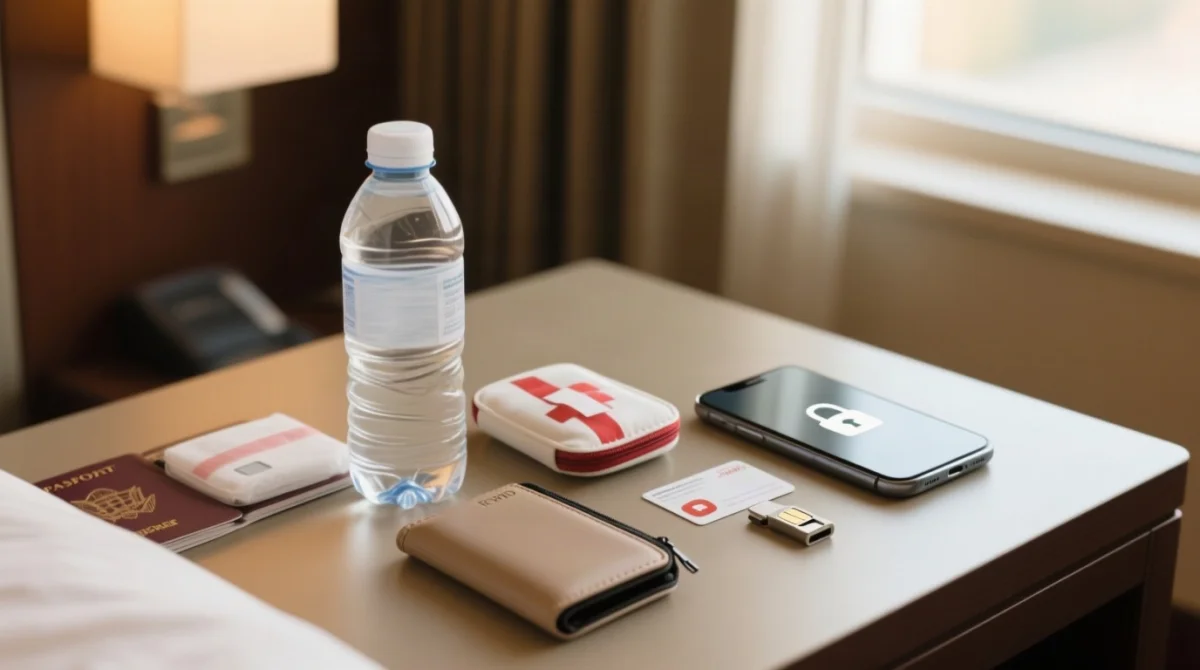
Tap Water and Food Safety
Travel Safety in Vietnam requires strict adherence to water precautions. Use bottled water for drinking and washing fruits or vegetables. The Vietnamese healthcare system is rudimentary, and doctors often do not speak English. Severe illnesses or injuries necessitate medical evacuation to Thailand or Japan.
Public Wi-Fi and Cybersecurity Risks
Avoid accessing banking applications on public Wi-Fi networks. Travelers should use a VPN and an eSIM to maintain data security and prevent card skimming.
Emergency Contact Numbers in Vietnam
| Service | Contact Number / Location |
|---|---|
| Police | 113 |
| Fire | 114 |
| Ambulance | 115 |
| US Embassy | Hanoi |
| US Consulate General | Ho Chi Minh City |
Frequently Asked Questions (FAQ)
Is Vietnam safe for American tourists in 2026?
Yes. Vietnam maintains a Level 1: Exercise Normal Precautions advisory from the U.S. Department of State for 2026. The country ranks 38th out of 163 on the Global Peace Index and 55th out of 146 on Numbeo’s country safety ranking. American tourists should exercise standard vigilance against petty crime and road traffic hazards.
What is the biggest safety risk in Vietnam?
Petty theft is the most common type of crime affecting tourists in Vietnam. Thieves frequently operate on motor scooters in crowded areas of the largest cities, targeting cellphones, purses, cameras, and backpacks. Motorbike bag snatching in hotspots like Ben Thanh Market, Bui Vien Walking Street, and Hanoi Old Quarter poses the highest-frequency risk to visitors.
Is it safe to drink tap water in Vietnam?
No. Travelers should use bottled water for drinking and for washing fruits or vegetables. Safe ice in Vietnam is typically cylindrical with a hole through the center, indicating it was produced from purified water in regulated facilities. Avoid tap water entirely, including for brushing teeth when possible.
Are taxis safe in Vietnam?
Taxis can be safe if travelers use reputable companies. Hotel staff can recommend safe cab services in larger cities. Motorcycle cabs (xe om) are often unlicensed and almost always unsafe. Travelers should avoid unmarked vehicles and be aware of taxi meter manipulation scams, where drivers rig meters to overcharge tourists.
What should I do if I am robbed in Vietnam?
Contact the Vietnamese police immediately by dialing 113 and request a police report for insurance purposes. If you are a U.S. citizen, contact the U.S. Embassy in Hanoi or the U.S. Consulate General in Ho Chi Minh City for consular assistance. Note that notification procedures for arrested U.S. citizens can take weeks.
Is Vietnam safe for solo female travelers?
Vietnam is generally safe for solo female travelers, who can explore confidently using secure nighttime ride-hailing services and reputable accommodations. Standard precautions apply: avoid walking alone late at night in poorly lit areas, remain vigilant in crowded tourist zones, and use hotel-recommended transportation services for evening travel.
Do I need travel insurance to enter Vietnam?
Travel insurance is not a mandatory entry requirement, but it is strongly recommended. Vietnamese healthcare is rudimentary, doctors often demand upfront payment, and English proficiency is frequently limited. Severe illnesses or injuries typically require medical evacuation to Thailand or Japan, making comprehensive coverage with evacuation benefits essential for Vietnam travelers.
Are there any areas in Vietnam that tourists should avoid?
No specific regions are off-limits, but travelers should exercise heightened caution in crowded tourist zones like Ben Thanh Market, Bui Vien Walking Street, and Hanoi Old Quarter due to pickpocketing. During the tropical storm season from May to November, northern and central regions may experience flooding and landslides warranting route adjustments.