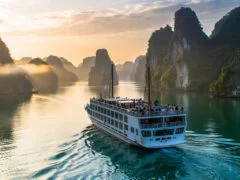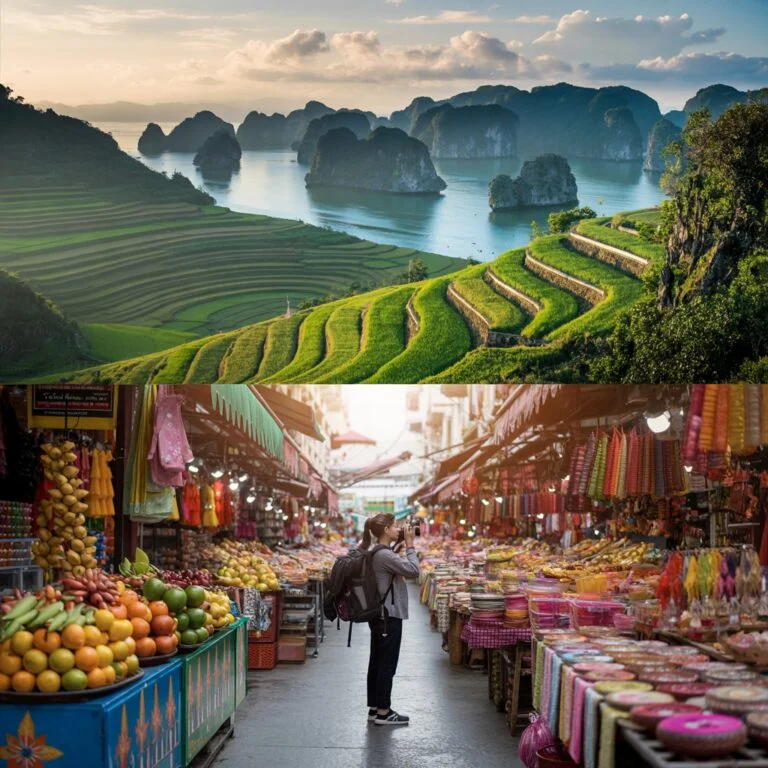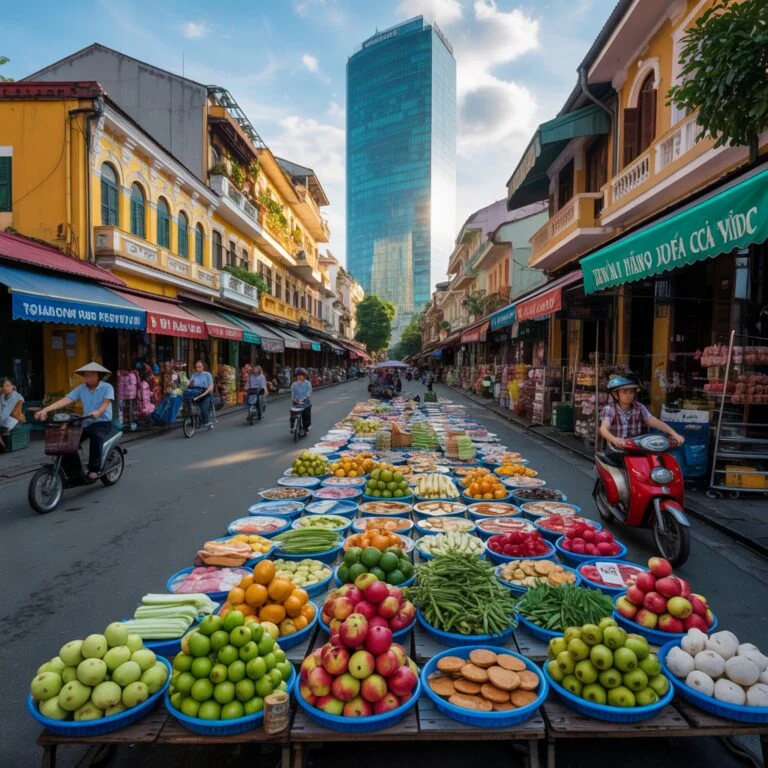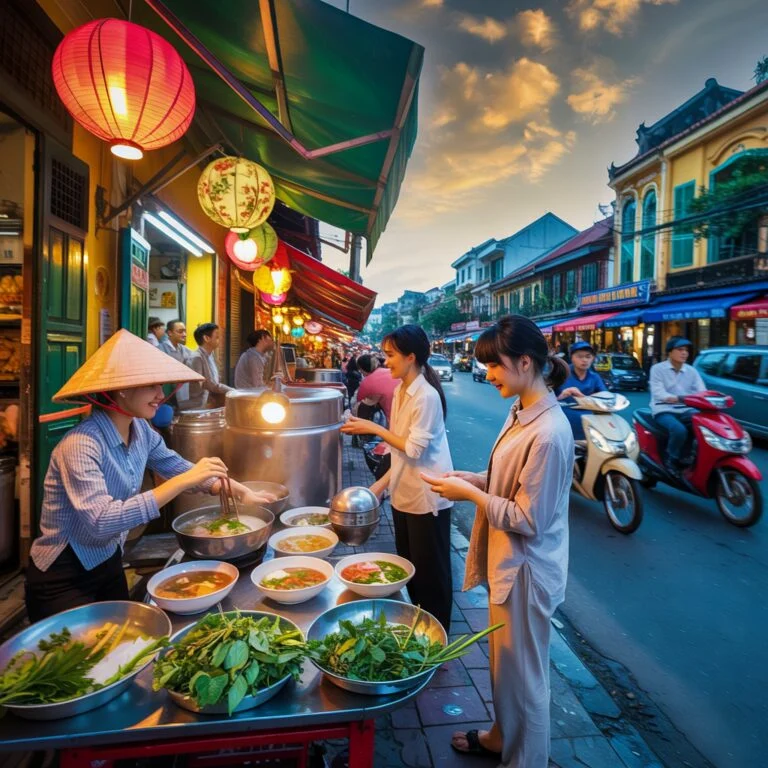

The best time for a Vietnam river cruise in 2026 is the dry season from November to April, with November through January offering optimal temperatures of 20°C to 30°C (68°F to 86°F). February 2026 overlaps with Tet, which may reduce availability.
Travelers seeking lower fares should target the low season from April to September, when cruise prices drop but afternoon monsoon showers and elevated water levels reshape itineraries. Cruises generally do not operate from early May to late June due to extreme water level transitions.
Understanding regional monsoon cycles, river water level fluctuations, and temperature variations by month is essential for aligning travel dates with budget and itinerary preferences. This guide provides a regional breakdown of meteorological conditions and navigation constraints for planning a Vietnam river cruise in 2026.
Understanding Vietnam’s River Cruise Climate
The optimal cruising window for Vietnamese waterways depends on two competing monsoon systems: the Northeast monsoon, which cools northern regions from November to April, and the Southwest monsoon, which drives Mekong Delta rainfall from May to October. Any traveler planning a Vietnam river cruise in 2026 must evaluate how these cycles shift temperatures, humidity, and navigability across roughly a thousand miles separating Hanoi from Ho Chi Minh City, a key factor for those planning cruises in Northern Vietnam.
Monsoon Mechanics in the Mekong Delta
The Mekong region has a tropical climate with two seasons – wet (May to October) and dry (November to April) – and stays warm year-round at 23°C (74°F) to 32°C (89°F), with only about 5°C (41°F) annual fluctuation. The Southwest monsoon draws moisture from the Gulf of Thailand and the South China Sea, producing frequent afternoon showers during the wet months. Planners who rely on regional precipitation forecasts can align a Vietnam river cruise with windows that minimize rain exposure while preserving shore excursion accessibility.
Regional Weather Variations: Hanoi vs. Ho Chi Minh City
Hanoi features a humid subtropical climate with four distinct seasons, an average annual temperature of 23°C (73°F), a rainy season from May to September, and typhoon risk in August and September. Ho Chi Minh City, by contrast, has a tropical climate with two seasons, an average annual temperature of 27°C (80°F), and a wet season extending from May to November. These divergent profiles mean that climate-controlled vessel operations matter most during shoulder months, when northern chills and southern storms can overlap on multi-port itineraries.
The Dry Season: The Optimal Window for a Vietnam River Cruise
The dry season from November to April delivers the best time for Vietnam river cruise 2026 planning, with cooler months averaging 20°C (68°F) lows and 30°C (86°F) highs, clear skies, and lower humidity, making it ideal for cruises and boat trips in Vietnam. The optimal cruising window for Vietnamese waterways aligns with November through January, when the wet season has just passed and the sun is not yet too intense. Departures remain available across all 12 months in 2026, but demand concentrates heavily from December to February, driving higher prices and larger crowds.
- Optimal departure windows 2026: Late October to late January offers the most comfortable weather, with no heavy rain and stable 20°C-30°C (68°F-86°F) temperatures ideal for sightseeing and photography.
- Peak season (December-February): The most popular months bring the river to its lowest levels, clearer skies, and easier travel logistics, but also the highest seasonal cruise availability rates and passenger load factors.
- Early Bird discounts: Travelers who book well in advance can secure savings of up to 30%, offsetting peak-season pricing.
- Low season alternative (April-September): Better pricing applies outside the dry window, though afternoon monsoon showers and elevated water levels reshape itineraries.
Peak Tourist Season Dynamics and Pricing
The best time for Vietnam river cruise 2026 itineraries in terms of weather overlaps with the commercial peak from December to February. Ho Chi Minh City, the typical start and end point for Mekong cruises, sees its peak tourist season from December to April, when cooler and drier conditions prevail. This convergence pushes passenger load factors higher and reduces fare elasticity. Seasonal cruise availability rates tighten most in December and January, making early reservations essential for cabin selection.
Cruising During Tet (Lunar New Year) 2026
Tet falls in February 2026, creating a distinct scheduling window within the dry season. Cultural events, river parades, and craft village celebrations add experiential value, but Lunar New Year (Tet) lunar calendar alignment also reduces cruise availability, increases local crowds, and may trigger closures of shore excursion sites. Travelers should either book well in advance to secure cabins or avoid this window entirely to sidestep logistical complications.
The Wet Season: Navigating the Monsoon on the Mekong
The wet season (May to October) brings convective afternoon showers lasting roughly one hour, occurring almost daily across the Mekong Delta. Also called the Green season or High water season, this period reshapes monsoon season navigation patterns by raising river levels enough to open otherwise inaccessible floodplains and remote tributaries. Any Vietnam river cruise planned during these months requires itinerary resilience planning, as heavy rainfall and elevated humidity reaching 80-90% alter both shore excursions and onboard conditions.
The Green Season Advantage
Higher water levels let boats travel deeper into floodplains, granting access to remote villages, Tonle Sap Lake, and vibrant floating markets at their peak from August to early October. A Vietnam river cruise in this window reveals lush green landscapes and alternative views of daily river life. Rain typically falls in short, heavy bursts in late afternoon or evening, leaving mornings clear for excursions.
Typhoon Risks in Southern Vietnam: What Cruisers Need to Know
Typhoon risk in southern Vietnam peaks in August and September, mirroring Hanoi’s typhoon season. Cruises do not operate from early May to late June, and travelers sailing later in the wet season should monitor real-time meteorological alerts for tropical storm activity.
Hydrology, Navigation Constraints, and Water Levels
Mekong water levels fluctuate dramatically between seasons. During the dry season, Tonle Sap Lake becomes too shallow for full navigation, while wet-season floods allow deeper draft access to tributaries and floating markets. Any Vietnam river cruise in 2026 must account for these Mekong waterway draft levels when selecting a departure month.
Water Levels and Itinerary Adaptations
Operators deploy shallow-draft vessels to manage navigational constraints / low-water routing during dry months (November to April), when some channels become off-limits and Tonle Sap Lake is too low to navigate fully. Wet-season conditions (May to October) reverse this: boats travel deeper into floodplains as tributaries and canals become navigable. Cruises do not operate from early May to late June. Tonle Sap lake reversal dynamics determine which shore excursions remain accessible each month.
| Month | Season | Water Level | Navigation Status | Excursion Impact |
|---|---|---|---|---|
| Jan | Dry | Low | Shallow channels off-limits | Tonle Sap limited |
| Apr | Dry (end) | Lowest | Tonle Sap too shallow | Restricted routes |
| Jul | Wet | Rising | Floodplains accessible | Floating markets peak |
| Sep | Wet | High | Full tributary access | Remote villages open |
| Nov | Dry begins | Lowering | Stabilizing | Standard routes resume |
Monthly Humidity Index for the Mekong Delta
Effective tropical humidity management requires packing for seasonal moisture. Dry-season months (November to April) see humidity of approximately 60 to 75%. Wet-season months (May to October) reach 80 to 90%. A Vietnam river cruise during peak humidity months demands quick-dry clothing and waterproof gear for shore excursions.
FAQ: Vietnam River Cruise Timing in 2026
What is the absolute best month for a Vietnam river cruise in 2026?
November to January is the absolute best time. The wet season has just passed, the sun is not too hot, and temperatures range from 20°C to 30°C (68°F to 86°F). This window offers comfortable weather, clearer skies, and easier travel logistics for a Vietnam river cruise.
Is the Mekong River warm enough for water activities year-round?
Yes, the Mekong region stays warm year-round, with temperatures ranging from 23°C (74°F) to 32°C (89°F). The annual fluctuation is only about 5°C (41°F), making the river suitable for water activities regardless of the month, though weather conditions vary.
How does the monsoon season affect river cruise itineraries in Vietnam?
During the monsoon season, afternoon showers lasting around an hour may shift shore excursions. Higher water levels open new routes and allow boats to travel deeper into floodplains, but typhoon risk increases in August and September, requiring itinerary resilience planning.
Can you cruise the Mekong during the rainy season?
Yes, but cruises do not operate from early May to late June. July to October sailings offer green-season advantages like access to remote villages and lower prices, though travelers should expect frequent afternoon showers and higher humidity.
What should I pack for a Vietnam river cruise in the wet season?
For the wet season, pack quick-dry clothing, a rain jacket, insect repellent, and waterproof bags. Humidity reaches 80 to 90 percent during these months, and short, heavy bursts of rain occur almost every afternoon, necessitating tropical humidity management.
Are there typhoons in the Mekong Delta?
While the Mekong Delta is less directly hit than the central coast, typhoon risk in southern Vietnam peaks in August and September. Northern Vietnam, including Hanoi, also sees typhoons during these months. Travelers should monitor real-time meteorological alerts.
How does Tet in 2026 affect river cruises and availability?
Tet falls in February 2026, overlapping with the peak dry season. Expect reduced cruise availability, local crowds, and potential closures of shore excursion sites. Travelers should book well in advance to secure cabin availability or consider avoiding this window.
When is the cheapest time to book a Vietnam river cruise?
The low season from April to September offers better pricing and lower passenger load factors. Additionally, Early Bird discounts of up to 30 percent are available for advance bookings, helping travelers synchronize financial planning with seasonal pricing tiers.