
Vietnam boat tour safety concerns stem from unlicensed operators, overcrowded vessels, and sudden weather changes. To mitigate risks in 2026, US travelers should verify operator certifications and ensure mandatory life jacket compliance. Comprehensive travel insurance covering medical evacuation is essential for secure water-based excursions.
Recent incidents, including a July 2026 speedboat capsize near Phu Quoc that killed 15 tourists, highlight the real risks. The US State Department rates Vietnam as Level 1, advising normal precautions. Travelers must independently verify operators and prepare for sudden coastal weather shifts.
Addressing Vietnam boat tour safety concerns requires proactive planning. Ensure your policy includes adventure activity coverage, as Vietnamese healthcare is rudimentary and severe cases require evacuation to Thailand or Japan. Always demand a pre-departure safety briefing and verify the vessel’s certified passenger capacity.
Understanding the Real Risks of Boat Tours in Vietnam
Vietnam boat tour safety concerns stem from documented operational failures, including a July 2026 speedboat capsize near Phu Quoc Island that killed 15 Indian tourists and injured several others.
- Phu Quoc tragedy (July 2026): A tourist speedboat carrying 32 Indian tourists and 4 crew members overturned in rough waters during an island excursion; 21 people were rescued. The passengers were employees of Indian smartphone brand Lava on a corporate incentive trip. Investigation is underway, coordinated by local authorities and the Indian Embassy.
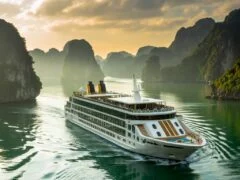
- High-traffic excursion corridors: Ha Long Bay, Phu Quoc, and the Mekong Delta concentrate the highest volume of tourist maritime activity and, consequently, the majority of reported incidents.
- Common accident causes: Deteriorating weather conditions, overcrowding, poor vessel maintenance, and unlicensed operators remain the primary drivers of marine accidents.
Current US Travel Advisories for Vietnam
Vietnam boat tour safety concerns persist despite the US State Department assigning Vietnam a Level 1 rating, urging travelers to exercise normal precautions. Vietnam ranks 38th out of 163 countries on the Global Peace Index. According to BHTP’s 2024 Safest Countries report, Vietnam placed 16th out of 44 countries, moving up 14 spots from the previous year. These macro-level safety indicators, however, do not negate vessel-specific risks that require independent verification before boarding.
How to Verify a Boat Tour Operator in Vietnam
Vietnam boat tour safety concerns can be mitigated by independently verifying operator licenses, vessel maintenance logs, and third-party audit visibility before booking.
- Request the maritime license number issued by local Vietnamese maritime authorities. A licensed maritime operator must hold valid authorization; confirm the document is current and matches the vessel name.
- Check the vessel inspection date and safety certifications. Reputable operators are transparent about safety procedures, maintain vessels regularly, and refuse to sail when conditions are unsafe.
- Verify maritime authority compliance by cross-referencing the operator’s credentials against port authority registries before any passenger boards.
- Avoid unverified third-party booking platforms that cannot produce direct operator documentation, as they obscure accountability and inflate overcapacity violation risks.
Review Ecosystems and Reputation Tracking
Vietnam boat tour safety concerns require travelers to cross-reference independent reviews and safety records across multiple booking platforms. Track social media complaint patterns for recurring safety violations and route-substitution tactics. Cross-reference government blacklist databases for unlicensed ferries before committing to payment.
Essential On-Board Safety Standards
Essential Vietnam boat tour safety concerns include mandatory life jacket compliance, certified passenger capacity checks, and verifying crew training before departure.
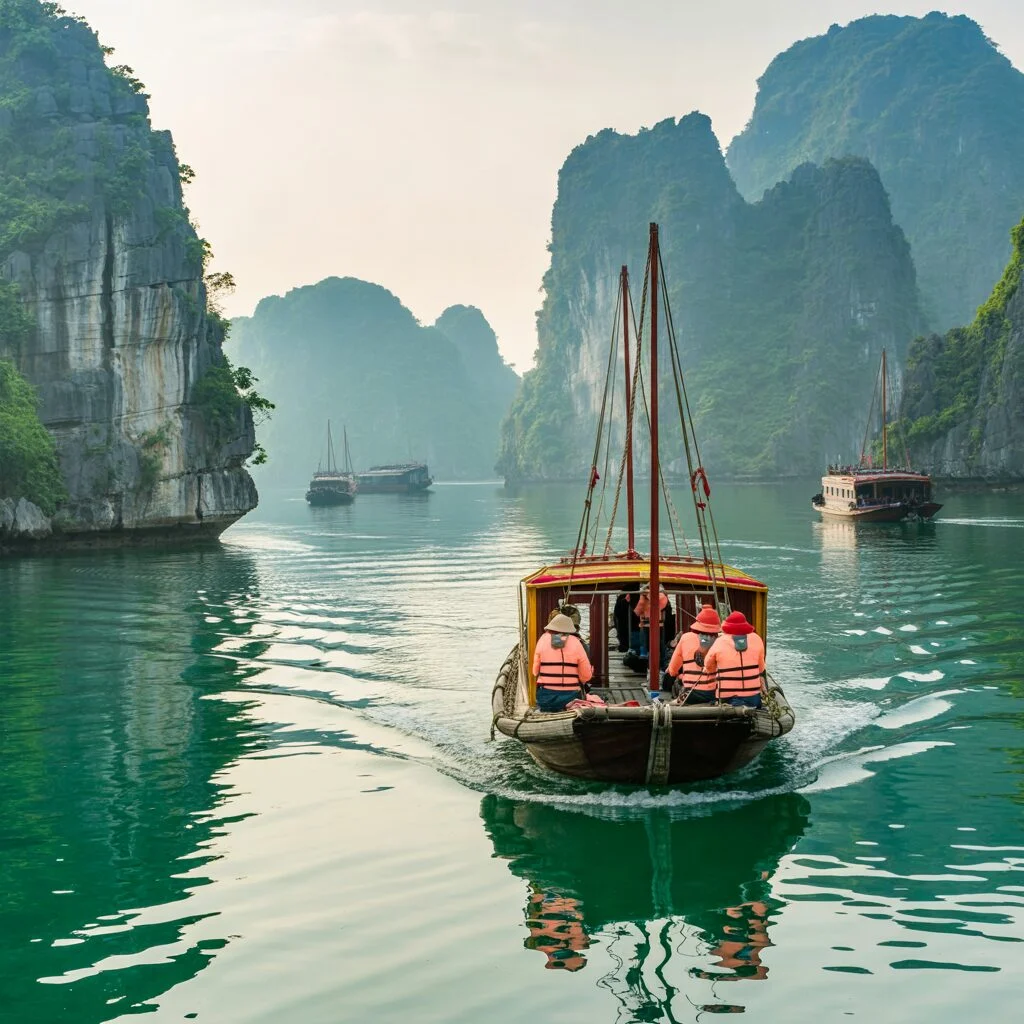
Vietnam boat tour safety concerns mandate immediate physical inspection of life-jacket compliance and emergency equipment functionality before departure. Passengers must wear a personal flotation device (PFD) throughout the entire journey, especially on speedboats. Travelers should identify additional flotation devices and emergency exits. Operators must maintain certified passenger capacity to ensure vessel stability, as overcrowding increases risks in rough seas. Luggage must be stored securely, not obstructing exits or walkways. Crew training standards, bilingual communication, and first-response drills are critical for maritime authority compliance.
| Equipment | Requirement | How to Verify |
|---|---|---|
| Life Jackets | Must be worn throughout the journey | Visual check before departure |
| Passenger Capacity | Adherence to certified limits | Check vessel capacity manifest |
| Luggage Storage | Secured, not blocking exits | Visual deck check |
Family and Child Safety on Vietnamese Boats
Operators must provide child-sized personal flotation devices (PFDs) and specific seating arrangements for minors. Families must confirm emergency protocols for children before boarding.
What to Expect During a Pre-Departure Safety Briefing
A pre-departure safety briefing must cover the location of life jackets, correct usage, rough weather response, and evacuation procedures. Crew responsibilities and emergency radio communication standards should also be explained.
On-Board Emergency Protocols
Vessels require functioning emergency communication systems to contact coast guards. Crew first-response drills ensure rapid action during sudden weather changes or an overcapacity violation.
Common Tourist Scams and How to Avoid Them
Vietnam boat tour safety concerns include route substitutions, hidden fees, and counterfeit tickets, often driven by cheap packages that compromise marine safety.
Hidden Fees, Route Substitutions, and Counterfeit Tickets
Vietnam boat tour safety concerns expose recurring fraud patterns that target budget-conscious visitors during peak booking windows. Alert tourists identify three primary scam typologies:
- Route substitution – operators swap a premium itinerary for a shorter, lower-cost route without refunding the difference.
- Hidden fees – surcharges for fuel, docking, or equipment appear only after payment, exploiting dynamic pricing manipulation on an unverified third-party booking platform.
- Counterfeit tickets – fraudulent sellers issue invalid boarding passes for high-traffic corridors such as Ha Long Bay and Phu Quoc.
High-pressure upselling tactics push passengers toward optional add-ons once on board, when refusal carries social cost.
How Cheap Packages Compromise Marine Safety
Cheaper travel packages raise safety concerns because tourists skip insurance to cut costs, and operators treat safety measures as optional extras rather than essentials. Tour operators keep adventure activities outside the itinerary to limit financial and legal liability. Travelers often fail to realise that medical insurance differs from travel insurance, leaving insurance exclusions clauses unreviewed before departure.
Weather Risks and Monsoon Season Routing
Vietnam boat tour safety concerns peak during the June to November monsoon season, making independent weather monitoring apps essential for US travelers.
Vietnam boat tour safety concerns escalate when coastal weather changes rapidly, as marine accidents are commonly caused by deteriorating weather conditions. Travelers should monitor a marine weather advisory independently of any tour operator and bookmark the NOAA monsoon page for real-time updates.
| Season | Months | Primary Weather Risks |
|---|---|---|
| Monsoon season | June – November | Typhoons, mudslides, heavy flooding |
| Calmer window | December – May | Stable sea conditions, lower cyclone probability |
Best Marine Weather Apps for Vietnamese Coastal Waters
Travelers assessing Vietnam boat tour safety concerns should install the Windy app for granular wind and swell forecasts across Phu Quoc and Ha Long Bay. Supplementing Windy with local Vietnamese maritime broadcasts provides a second data source when operators downplay incoming storms.
Travel Insurance, Medical Evacuation, and Legal Recourse
Standard travel insurance often excludes marine activities, and foreign tourists have limited legal recourse, requiring prompt incident documentation and US consular assistance.
Vietnam boat tour safety concerns make comprehensive coverage non-negotiable. The US State Department recommends travel insurance for all Americans visiting Vietnam. Policies must explicitly cover recreational boat excursions, emergency medical treatment, and evacuation. An insurance exclusions clause may omit adventure activity coverage unless specifically included. Vietnamese healthcare is rudimentary: doctors often don’t speak English and demand upfront payment before treating Americans. Severe illness or injury requires evacuation to Thailand or Japan. Legal liability limits for Vietnamese boat operators remain narrow, complicating compensation claims for injured foreign tourists.
Drink Safety and Methanol Poisoning Risks
Deaths and serious illness in Vietnam have been linked to alcoholic drinks containing methanol, purchased in licensed bars, shops, and hotels in tourist areas. Methanol cannot be identified by taste or smell, and even small amounts can kill. Seek urgent medical attention immediately if symptoms appear after drinking.
Incident Reporting Channels and Consular Assistance
Vietnam boat tour safety concerns require travelers to document incidents through proper channels within 72 hours of voyage completion. Contact the US Embassy in Hanoi or the US Consulate General in Ho Chi Minh City promptly to report stolen property or maritime incidents. Arrest notification delays may mean weeks pass before US authorities or family are notified.
FAQ: Vietnam Boat Tour Safety Concerns
How safe are boat tours in Vietnam for US tourists in 2026?
The US State Department rates Vietnam as Level 1, advising travelers to exercise normal precautions. However, risks exist due to unlicensed operators and sudden weather changes. A July 2026 speedboat capsize near Phu Quoc killed 15 tourists, proving that independent verification of operators and strict adherence to safety protocols are essential for US visitors.
What is the most common boat tour scam in Vietnam?
Common scams include route substitution, hidden fees, and counterfeit tickets. Travelers often encounter dynamic pricing manipulation and high-pressure upselling tactics via unverified third-party booking platforms. To avoid financial loss, cross-reference independent reviews, avoid unverified platforms, and confirm all itinerary details and pricing in writing before departure.
Are life jackets mandatory on Vietnamese tourist boats?
Yes, life jackets are mandatory and must be worn throughout the entire journey, especially on speedboats and smaller vessels. Before departure, verify the location of additional flotation devices and emergency exits. Operators must provide a pre-departure safety briefing covering life jacket usage, rough weather response, and evacuation procedures.
Can I bring my own life jacket for my child on a Vietnam boat tour?
Yes, bringing your own child-sized personal flotation device (PFD) is highly recommended. While operators should provide child-sized PFDs, availability is not always guaranteed. Always verify the mandatory provision of child-sized PFDs when booking and ensure specific seating arrangements and emergency protocols are established for minors.
Does standard travel insurance cover boat accidents in Vietnam?
Standard policies often exclude marine activities unless specifically included. US travelers must secure comprehensive travel insurance with explicit adventure activity coverage. This is critical because Vietnamese healthcare is rudimentary, doctors often demand upfront payment, and severe injuries require emergency evacuation to Thailand or Japan.
What should I do if my boat tour operator changes the route without notice?
Route substitution is a documented tourist scam. If this occurs, document the changes immediately. Refuse to proceed if safety is compromised by overcapacity violations or unsafe weather. Report the incident to the booking platform and contact the US Embassy in Hanoi or the US Consulate General in Ho Chi Minh City for consular assistance.
How can I check if a Vietnam boat operator is properly licensed?
Verify that the operator is a licensed maritime operator authorized by local Vietnamese maritime authorities. Request proof of maritime authority compliance, vessel inspection dates, and safety certifications. Cross-reference government blacklists for unlicensed ferries and check independent review ecosystems and social media complaint tracking for safety violations before booking.
What are the safest months to take a boat tour in Ha Long Bay?
The monsoon season in Vietnam runs from June to November, bringing typhoons, heavy flooding, and rapid coastal weather changes. To minimize weather-related risks, plan boat tours outside this window. Use marine weather apps like Windy and monitor NOAA broadcasts and local marine weather advisories before departure.