
In 2026, the average Vietnam travel cost per day ranges from $25 to $40 for backpackers, $50 to $100 for mid-range travelers, and $150 or more for luxury itineraries. Budget tracking sites place the typical traveler’s daily average at around $66.
Those figures cover the three core spending categories. Mid-range visitors sleep in 3-star hotels with breakfast at $35 to $70 per night, mix street food with sit-down restaurant meals, and move around mostly with Grab rides that cost under $2. Backpackers keep daily travel costs in Vietnam low with dorm beds at $2 to $15, meals at $1.50 to $2, and local buses at $0.30 to $0.40 per ride.
Location matters as much as travel style. Daily travel costs in Vietnam run 1.5 to 2 times the national midpoint in resort destinations such as Phu Quoc and central Hoi An, while Hue and Mekong Delta towns sit 30 to 40 percent below average. Some 2026 projections also show mid-range budgets climbing to $80 to $150 per day amid hotel rate growth of 5 to 12 percent annually in Hoi An, Da Nang, and Phu Quoc, so travelers should validate current prices before departure.
Daily Budget Tiers & Travel Styles
In 2026, the daily travel budget breakdown for Vietnam spans $25-$40 for backpackers, $50-$100 for mid-range travelers, and $150+ for luxury experiences. Higher-end 2026 projections push backpacker costs to $30-50, mid-range to $80-150, and luxury to $400+.
| Tier | Daily Cost | Accommodation | Food | Transport |
|---|---|---|---|---|
| Backpacker | $25-$40 | Hostels, dorm beds | Street food | Local buses, Grab bike |
| Mid-range | $50-$100 | 3-star hotels | Sit-down restaurants | Grab car |
| Luxury | $150+ | 5-star resorts | Fine dining | Private guide & driver |
Backpacker Daily Budget (Under $30/day)
The vietnam travel cost per day for backpackers averages $25, covering dorm beds, street food, and local transit. Rock-bottom spending reaches $10/day.
Mid-Range Daily Budget ($50-$100/day)
Mid-range travelers allocate funds to 3-star hotels with breakfast and Grab car rides, averaging $65 daily per budget tracking data.
Luxury Daily Budget ($150+/day)
Luxury daily budgets start at $150+, with true 5-star resort experiences reaching $200-$400+ in 2026. Vietnam remains 15-25% below Thailand at comparable comfort tiers.
Accommodation Costs by Tier
The daily travel budget breakdown for Vietnam positions accommodation as the largest fixed expense, spanning $2-$15 for hostel dorms, $35-$70 for mid-range 3-star hotels with breakfast, and $200-$500+ for luxury 5-star resorts in 2026. Private rooms start as low as $9 in Mekong Delta homestays, with average double occupancy at roughly VND 330,000 (~$14).
Hostels and Dormitory Rates
Backpacker dorms range from a rock-bottom $2 per night to $15 for a 4-bed AC dorm in Phu Quoc. The going rate sits at $4-$5, with pricier options around $10. The daily travel budget breakdown for Vietnam allocates roughly $9.52 per person at the budget tier under double occupancy.
Mid-Range Hotels and Boutique Stays
Three-star hotels with breakfast run $35-$70 nightly; Hoi An boutique rooms reach $50-$90. Note that a $20 Hoi An boutique price circulating online stems from an outdated 2018 blog. Mid-range rates in Hoi An, Da Nang, and Phu Quoc have grown 5-12% annually, with Phu Quoc luxury tiers climbing 10-20% per year since 2024. displays total prices including taxes, while Agoda shows nightly rates excluding fees.
Luxury Resorts and High-End Villas
Comfort-tier 4-star properties cost $90-$180, while 5-star resorts and premium urban properties start at $200 and exceed $500. Global hotel brand rooms typically run $100+ nightly.
Food & Drink Budget Breakdown
Daily food costs in Vietnam start at $1.50-$2 for street food meals, while sit-down restaurants and Western dining average $10-$15 per meal. The daily travel budget breakdown for Vietnam allocates dining expenditures across three tiers, letting US visitors compare exact per-meal outlays before departure.
Street Food and Local Eateries
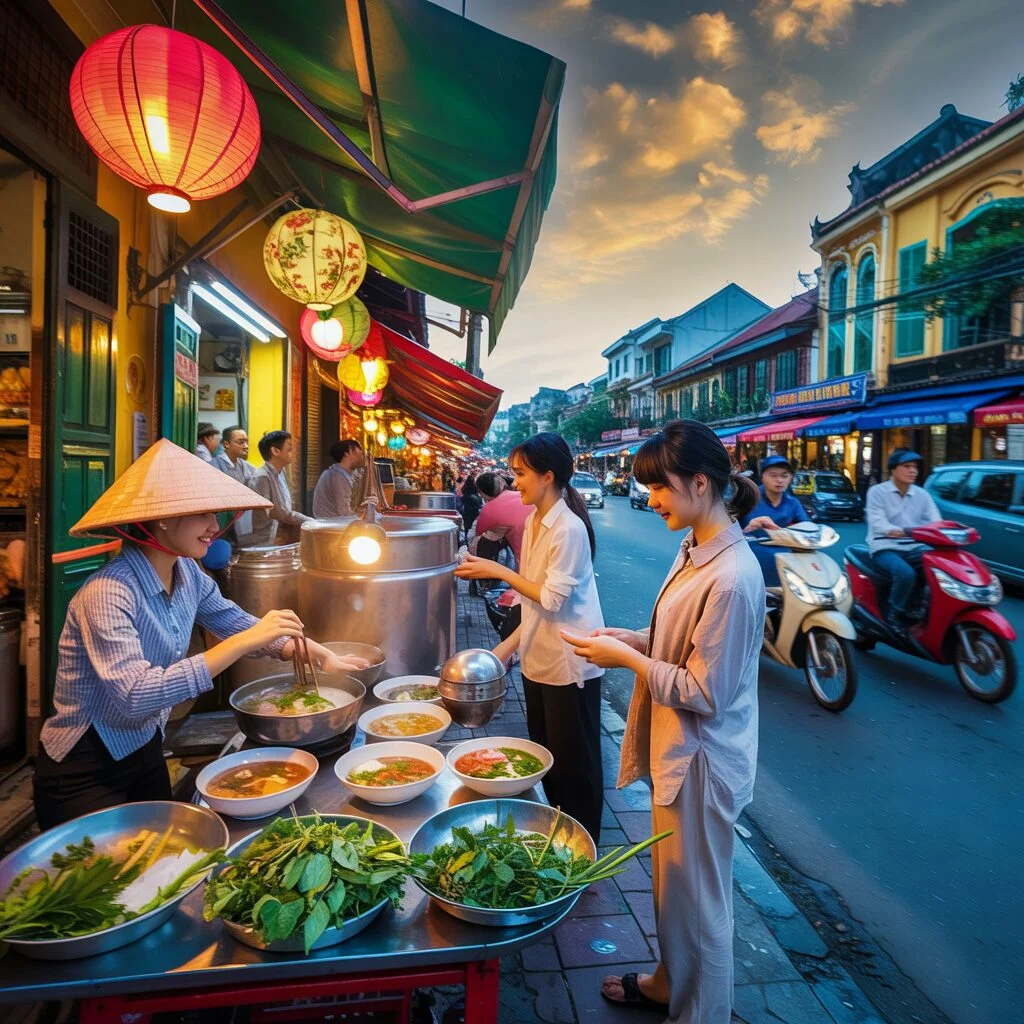
A bowl of pho in a Hanoi neighborhood runs $1.00-$1.40 (25,000-35,000 VND), and a bánh mì costs $0.80-$1.50 (20,000-35,000 VND). Three street-food meals plus coffee total $10-$18 daily. Vietnamese drip coffee (cà phê sữa đá) is $0.80-$2.00, reflecting Vietnam’s position as the world’s second-largest coffee producer. Fresh draft beer (bia hơi) costs just $0.30-$0.60. A reliable quality indicator: locals fill the seats.
Sit-Down Restaurants and Western Dining
Mid-range meals – one sit-down dinner plus two casual meals – run $25-$45 daily. Local restaurants charge $3-$5 per meal, while Western restaurants average $10-$15. The daily travel budget breakdown for Vietnam places luxury fine-dining at $120-$200 per day, with imported wine glasses at $8-$15. Craft beer pints in modern Hanoi or HCMC bars range from $2.80-$4.80.
Getting Around: Local & Intercity Transport Costs
Local Grab rides in Vietnam cost under $2, while intercity transport ranges from $15 sleeper buses to $40-$80 domestic flights booked ahead. The daily travel budget breakdown for Vietnam allocates mobility spending across ride-hailing apps, public transit, and intercity connections, letting US visitors compare fares before departure.
Ride-Hailing Apps (Grab) vs. Taxis
A Grab motorbike ride covering 1-3 km costs $0.80-$2.00 (20,000-50,000 VND), while city buses in Hanoi and HCMC run $0.30-$0.40 (7,000-10,000 VND). Regular taxis are significantly more expensive than Grab. Backpackers spend $3-$8 daily on local transit; mid-range travelers using Grab cars average $8-$15.
Independent Transport: Renting a Scooter
- Low rental cost at $5-$10 per day
- No insurance coverage without a proper motorcycle license
- Medical liability far exceeds any savings on fares
Budget Intercity Transport Alternatives
Overnight sleeper buses (Hanoi-Sapa, Hue-Hoi An) cost $15-$25. Soft-sleeper train berths on Vietnam Railways from Hanoi to Hue run $25-$45. Domestic flights booked 3-4 weeks ahead cost $40-$80 via Vietnam Airlines or VietJet; last-minute same-week bookings jump to $80-$150.
Regional Price Variations & Attraction Costs
In 2026, the vietnam travel cost per day varies sharply by region: Phu Quoc and Hoi An run 1.5-2x higher than the national average, while Hue sits 30-40% below. Attraction fees range from $4.80 for the Hoi An Old Town pass to $280 for a 1-night mid-range Ha Long Bay cruise.
Peak vs. Low Season Cost Matrix (2026)
| Destination | Peak Season (Nov-April) | Off-Season | Notes |
|---|---|---|---|
| Phu Quoc | 1.5-2x national average | Lower | Mid-range $130-220/day; resort-island economy |
| Hoi An | 1.5-2x national average | Lower | Mid-range $110-180/day; UNESCO premium |
| Hue | 30-40% below average | Lower | Lower end of range works fine |
Major Excursion Costs (Ha Long Bay)
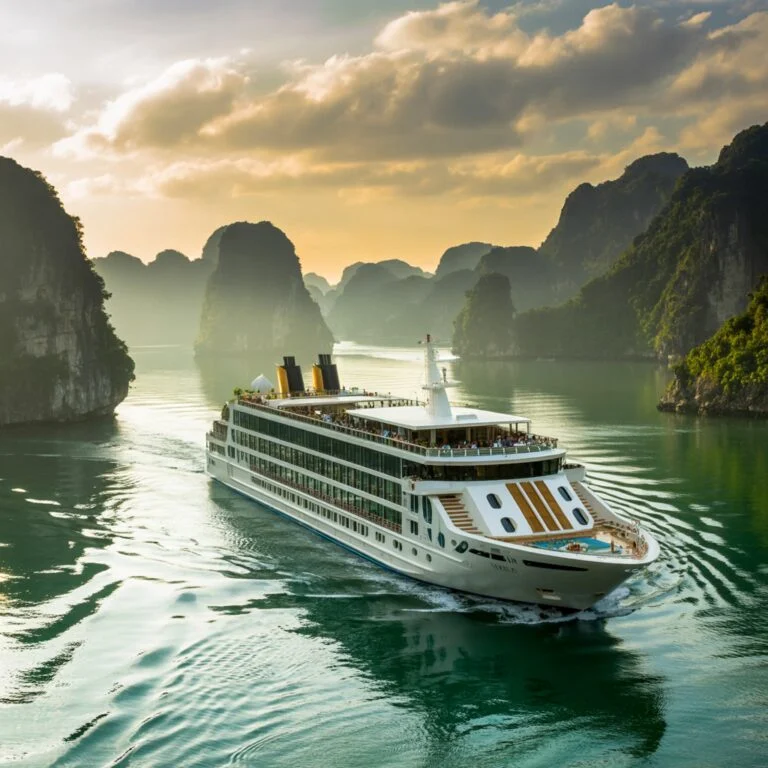
The vietnam travel cost per day increases significantly with overnight cruises. Budget 1-night cruises cost $119-180, while mid-range 4-star cruises run $140-280. On land, Ba Na Hills in Da Nang is the priciest single attraction at $38 (950,000 VND), and the Hue Imperial City entry costs $8 (200,000 VND).
Money Management & Hidden Daily Expenses
The daily travel budget breakdown for Vietnam must account for a cash-heavy payment infrastructure and hidden costs that compound quickly. An e-visa costs $25 with 90-day validity and requires at least 4 days of processing; Americans cannot obtain a visa on arrival. An Airalo eSIM provides 10GB for $20 with setup in minutes.
Cash Flow & ATM Withdrawal Limits
Vietnam operates largely as a cash-only economy. Vietcombank and Techcombank ATMs are widely available, though per-transaction withdrawal limits vary by machine and bank, making larger daily cash needs require multiple withdrawals. A contingency buffer of $50-$100/day covers flights, insurance, and e-visa amortization. Travel insurance for two weeks runs $30-$80, with SafetyWing at approximately $56/month.
Unaccounted Daily Expenses (Laundry & Pharmacy)
The daily travel budget breakdown for Vietnam should include laundry at $1-$3/kg, restaurant tipping at 5-10% when no service charge applies, and $1-$2 for hotel staff. Purchase mosquito spray and non-skin-whitening lotion pre-trip, as both are more expensive or difficult to find locally. A miscellaneous daily average of $1.83 captures these micro-expenditures.
FAQ: Vietnam Travel Cost Per Day
How much does a typical traveler spend per day in Vietnam across different budget levels?
Backpackers spend $25 to $40 per day on dorm beds, street food, and local transport. Mid-range travelers budget $50 to $100 daily for 3-star hotels, sit-down restaurants, and Grab rides. Luxury travelers should plan $150 or more per day, and 2026 projections show true luxury with 5-star resorts and private guides reaching $200 to $400+. Budget tracking sites place the overall average at about $66 per day.
What is the average cost of a hotel room in Vietnam per night in 2026?
In 2026, hostel dorm beds cost $2 to $15 per night, with the going rate at $4 to $5 and pricier air-conditioned dorms around $10 to $15. Private rooms average roughly $14 (about VND 330,000). Mid-range 3-star hotels with breakfast run $35 to $70, comfort 4-star properties $90 to $180, and luxury 5-star resorts $200 to $500+ per night.
How much does street food cost in Vietnam?
A bowl of pho from a Hanoi neighborhood stall costs 25,000 to 35,000 VND, roughly $1.00 to $1.40. A bánh mì runs 20,000 to 35,000 VND ($0.80 to $1.40), and a glass of bia hơi costs just 8,000 to 15,000 VND ($0.30 to $0.60). Three street-food meals plus coffee total about $10 to $18 per day, while local restaurants charge $3 to $5 per meal.
Is Grab cheaper than taxis in Vietnam?
Yes. Grab motorbike rides of 1 to 3 km cost 20,000 to 50,000 VND ($0.80 to $2.00), and most Grab rides come in under roughly $1, rising to about $2 to $3 for longer or peak-time trips. Regular taxis are significantly more expensive than Grab, so ride-hailing is the standard choice for keeping daily transport costs in Vietnam low.
How much does a domestic flight cost in Vietnam in 2026?
A domestic flight booked last-minute in the same week costs $80 to $150. Booking 3 to 4 weeks ahead drops the fare to $40 to $80 on carriers such as Vietnam Airlines and VietJet. For surface alternatives, overnight sleeper buses cost $15 to $25 and soft-sleeper train berths on routes like Hanoi to Hue run $25 to $45.
Do I need to tip in Vietnam?
Tipping is not mandatory but is appreciated. A common approach is 5 to 10 percent at restaurants when a service charge is not already included, rounding up for Grab drivers, and $1 to $2 for hotel staff. These amounts have a minor impact on your daily budget, but budgeting for them prevents surprises at spas, restaurants, and hotels.
How much cash should I carry per day in Vietnam?
Vietnam is a cash-heavy economy, so plan to cover most of your daily spending in cash. That means roughly $25 to $40 per day for backpackers, $50 to $100 for mid-range travelers, and $150 or more for luxury itineraries. Withdraw strategically to avoid stacking foreign transaction fees, and check your US bank’s fee structure before departure.
How does the exchange rate affect my daily budget in Vietnam?
The VND-to-USD conversion rate directly shapes your purchasing power. At current rates, a private double room averages about VND 330,000, or roughly $14, while a bowl of pho at 25,000 to 35,000 VND equals about $1.00 to $1.40. Because prices are quoted in dong, small exchange-rate movements shift your effective daily travel costs in Vietnam, so recheck the rate before your trip.
Are ATMs in Vietnam safe for US bank cards?
ATMs are the standard way travelers access cash in Vietnam’s cash-heavy economy. Use machines attached to major Vietnamese banks such as Vietcombank or Techcombank, and confirm your US bank’s foreign transaction fees and withdrawal policies before departure, since fees vary by bank and can add up across multiple small withdrawals.
How much does a Ha Long Bay cruise cost per day?
A budget 1-night cruise costs $119 to $180 (some operators list $80 to $150 per person), while a mid-range 4-star 1-night cruise runs $140 to $280 (or $150 to $250 per person). Two-night mid-range cruises cost $330 to $500, and luxury 2-night cruises run $500+, with luxury tiers at $250 to $500+ per person. The marginal difference between tiers can reach about $200 per night.