

Vietnam offers US travelers an affordable, diverse 2026 trip spanning over 1,000 miles from northern mountains to southern deltas. A 90-day e-visa allows extensive exploration of UNESCO sites like Ha Long Bay and cultural hubs like Hanoi, making it accessible to all traveler types.
Daily budgets can range from backpacker tiers to luxury resorts, ensuring that whether you seek adventure in Sapa or relaxation in Phu Quoc, you can plan your travel to Vietnam effectively. The country spans three distinct regions: North, Central, and South, each offering unique climates and experiences.
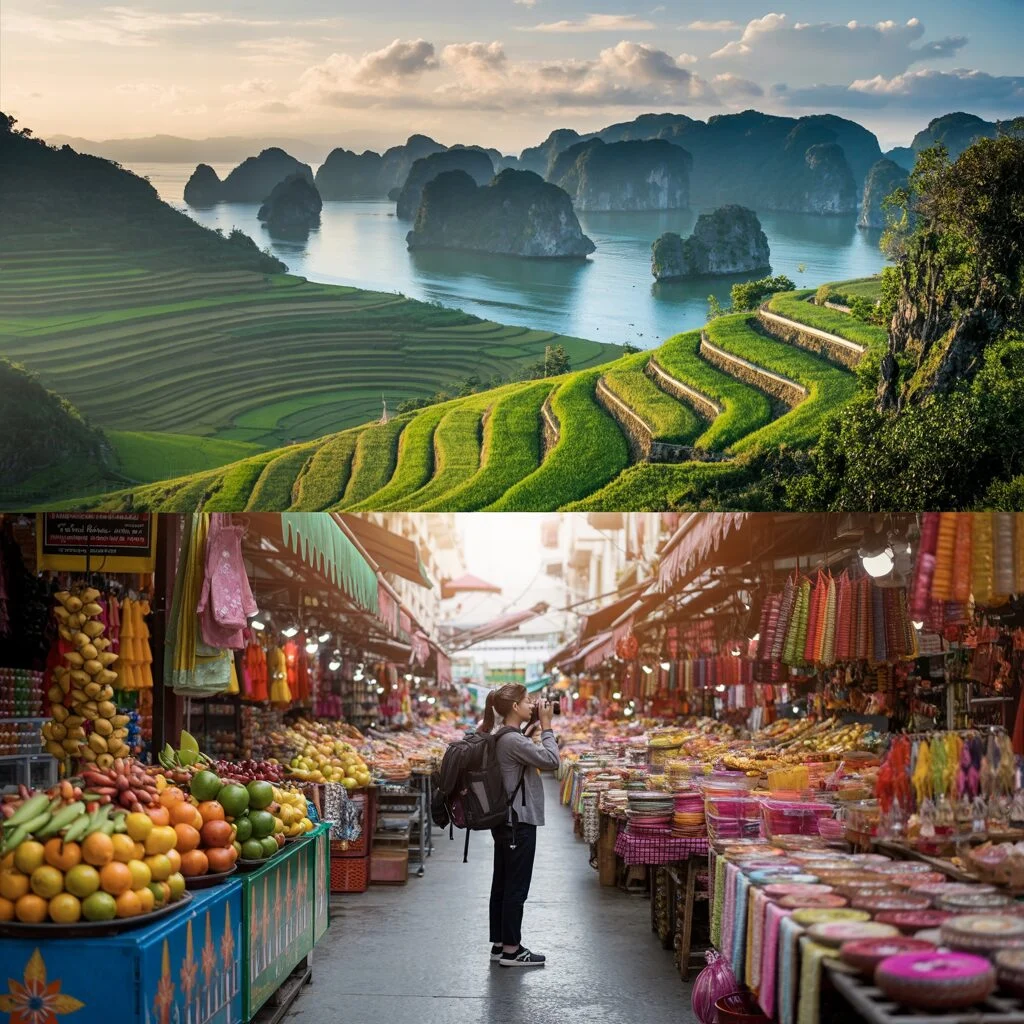
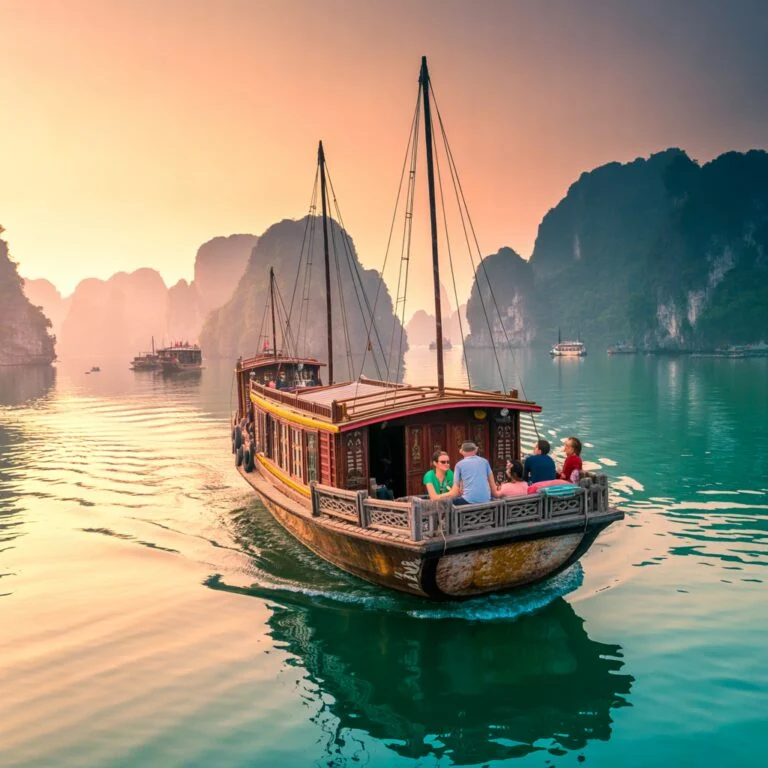
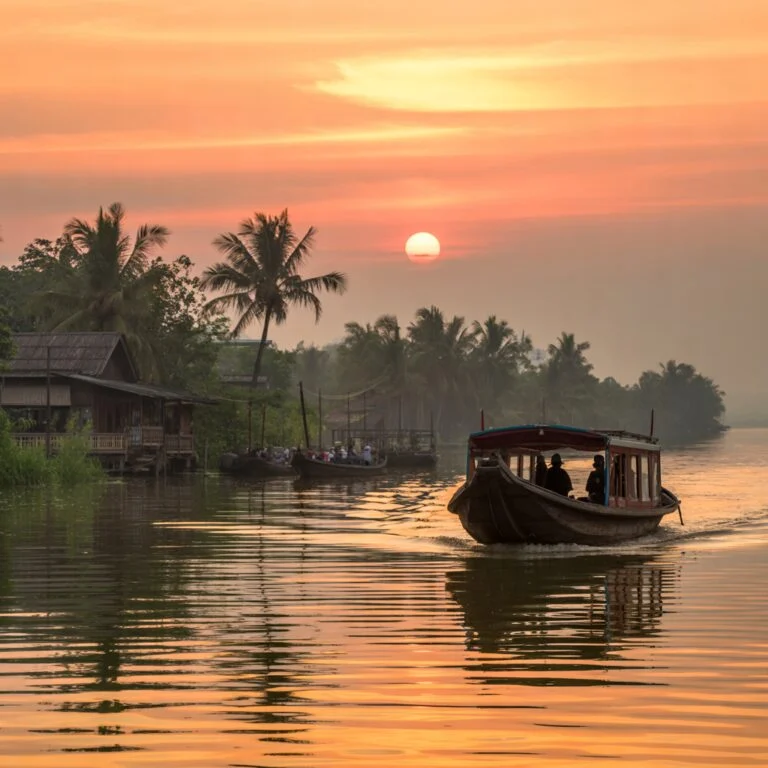
From the limestone karst landscapes of Ha Long Bay to the Mekong floating markets, the reasons to travel to Vietnam are as varied as its geography. Events like the Hue Culinary Capital 2026 Festival and the Central Highlands Gong Culture International Festival further enrich the visitor experience.
Why Travel to Vietnam in 2026: Culture, Nature, and Food Highlights
Travel to Vietnam in 2026 delivers diverse culinary tours, spiritual temples, and UNESCO heritage sites like Ha Long Bay, driving responsible tourism efforts.
Travel to Vietnam places food at the center of the experience. Banh mi ranks among CNN’s world’s best sandwiches, and the country’s coffee culture brews a global buzz. September 2026 brings two major events: the Hue Culinary Capital 2026 Festival (Sep 1 to Sep 30) and the Hanoi Autumn Festival 2026 (Sep 1 to Sep 30). October hosts the Central Highlands Gong Culture International Festival (Oct 1 to Oct 31), while DIFF 2026 lights up the Han River with fireworks ranked among the world’s top nine summer events.
Exploring Ha Long Bay and Ninh Binh
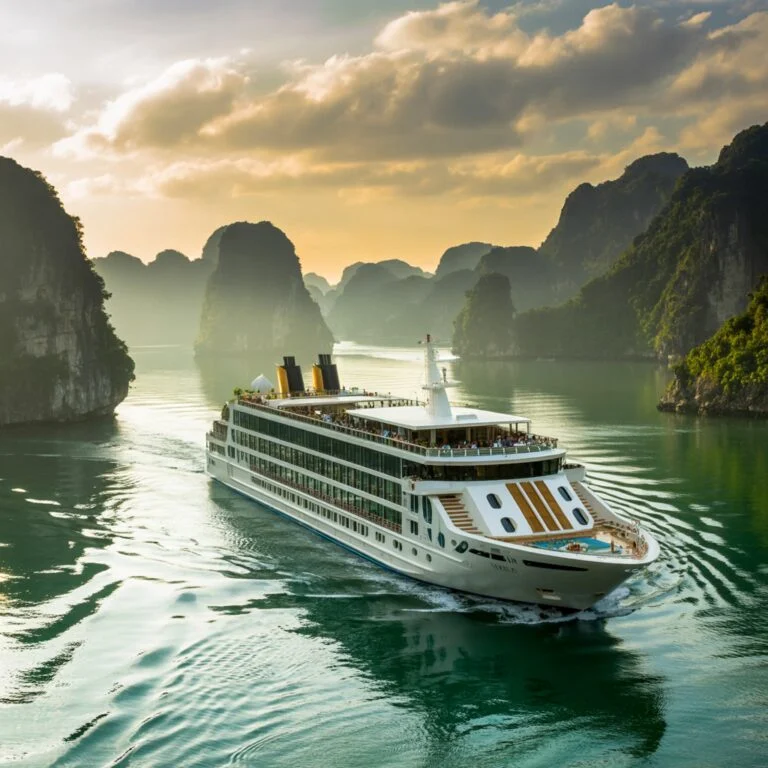
Ha Long Bay features over 1,100 islands in the Gulf of Tonkin and holds UNESCO status as Vietnam’s number one attraction, with over 300 boats operating overnight trips. Lan Ha Bay offers a quieter alternative with only 64 boats, less pollution, and fewer tourists, though both bays share UNESCO inclusion.
Ninh Binh, nicknamed “Ha Long Bay on land,” sits roughly an hour and 45 minutes from Hanoi. Trang An Route 3 delivers a three-hour tour through the kilometer-long Hang Dot cave. Tam Coc offers a 1.5-hour boat trip where guides row with their feet. Bai Dinh Pagoda spans a 4,200-acre Buddhist complex, one of the largest in Southeast Asia.
Where to Travel in Vietnam: North, Central, and South Regions
Travel to Vietnam spans over 1,000 miles from north to south, dividing the country into three regions with distinct climates, cuisines, and cultural identities that reward internal flights between hubs.
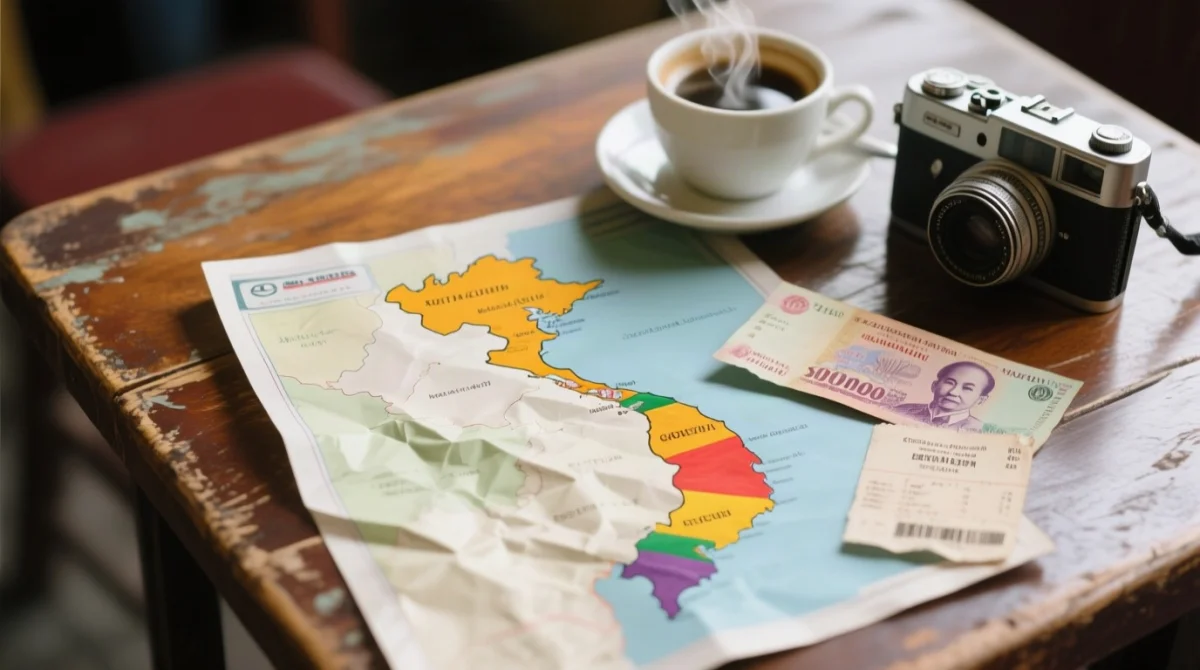
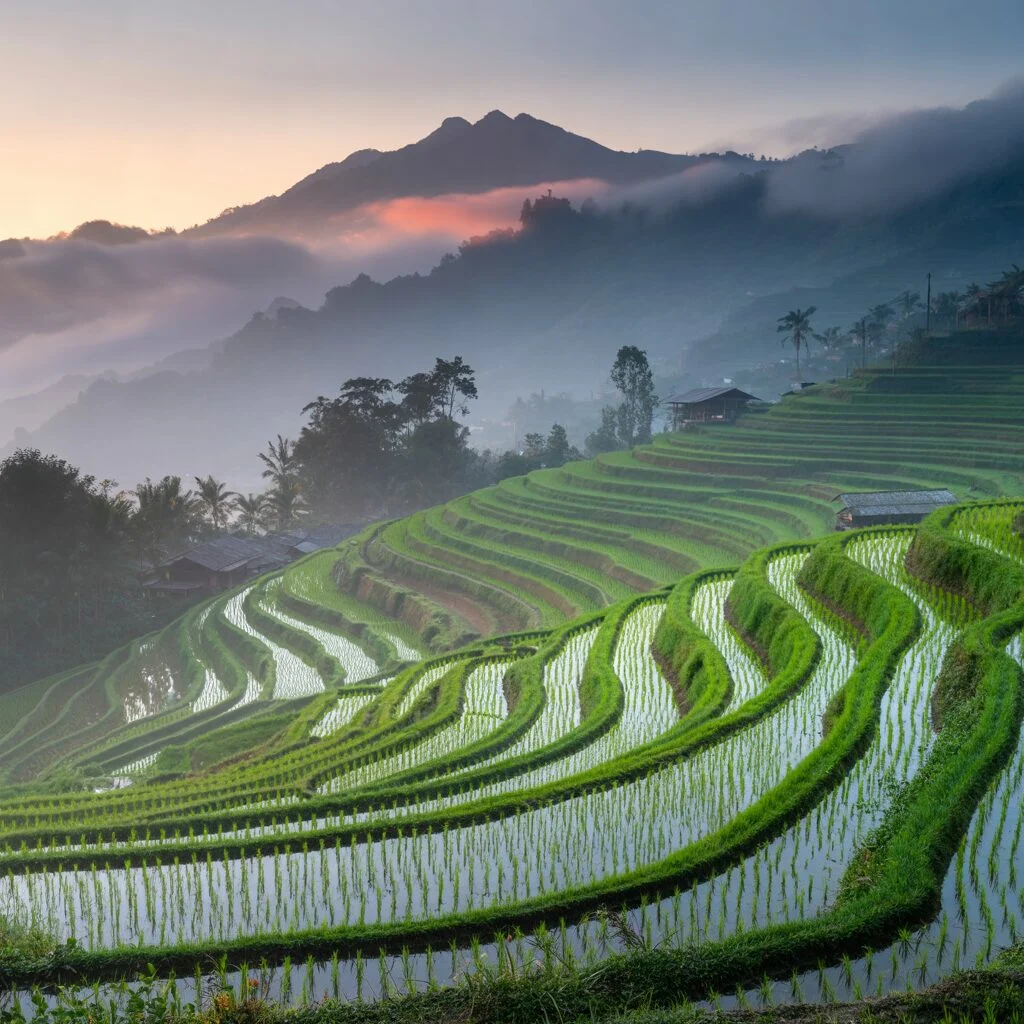
In the North, Hanoi serves as the capital and primary arrival point via Noi Bai International Airport, a 40-minute taxi from the Old Quarter’s cafes and museums. Sapa, the trekking capital and a former 1922 French hill station near the China border, draws hikers to Fansipan at 3,143 meters, Vietnam’s highest mountain.
Central Vietnam pairs Da Nang, recognized as Asia’s second-best summer destination by Lonely Planet, with Hoi An, named the World’s Top Hidden Gem City. Phong Nha holds Son Doong Cave, the world’s largest cave, featured on CBS’s 60 Minutes.
Southern travel to Vietnam centers on Ho Chi Minh City, formerly Saigon, ranked 251st out of 311 world cities for safety by Numbeo, 8 spots ahead of New York City. Beyond HCMC, the Mekong Delta delivers floating-market river cruises, while Phu Quoc offers beach-escape relaxation.
How to Get to Sapa from Hanoi
The sleeper train to Lao Cai runs roughly seven hours from Hanoi, followed by a 50-minute transfer to Sapa town. A sleeper bus costs $11-16 USD, while a car or bus journey takes five to six hours. Note that tourist touts and aggressive vendors in Sapa can be relentless, so book transfers through verified operators in advance.
Best Vietnam Regions Matched to Traveler Types & Itineraries
Travel to Vietnam matches solo travelers to Sapa’s safety, families to Da Nang’s beaches, and luxury tourists to resorts, ensuring tailored experiences across diverse regions.
Travel to Vietnam ranks as the safest country for female solo travellers, making the Sapa trekking circuit and the 3,143-meter Fansipan climb ideal for adventure seekers. Families gravitate toward Da Nang, recognized as Asia’s Second-Best Summer Destination by Lonely Planet, alongside Hoi An, named the World’s Top Hidden Gem City. Luxury travelers find tailored escapes at Phu Quoc resorts and Con Dao Island.
Safety ratings from traveler surveys show the highest marks from mature and LGBTQ+ travelers, while women and Gen Z travelers gave the lowest marks. Digital nomads can base themselves in Ho Chi Minh City or Hanoi, leveraging the country’s globally recognized coffee culture. Culinary-focused visitors should target the Hue Culinary Capital 2026 Festival, running September 1 to 30, 2026, or Hoi An cooking tours.
For itinerary pacing, a 7-day fast-paced route covers Hanoi, Ha Long Bay, Hoi An, and Ho Chi Minh City. A 14-day relaxed itinerary adds Sapa, Ninh Binh, Hue, and the Mekong Delta for deeper regional coverage.
Entry Requirements & E-Visas for US Travelers
Travel to Vietnam requires US passport holders to obtain a 90-day e-visa before departure, as the United States is not among the 24 nations eligible for 45-day visa-free access. The e-visa policy, effective since August 2023, grants single-entry access through 33 international checkpoints for a government fee of $25.
Check passport validity
Valid for at least 6 months beyond your planned stay
Apply online
Complete the e-visa application, pay the $25 fee, and await email confirmation
Present e-visa on arrival
Show the approved e-visa at any of the 33 accepted checkpoints
Fill out entry/exit forms
Complete forms provided on your flight or at the immigration counter
The e-visa does not authorize work (paid or voluntary), and no automatic extensions are available. Overstaying results in fines and deportation. COVID-19 vaccination and PCR testing are no longer required. Travel to Vietnam rewards advance preparation, so consult the US State Department Vietnam advisory page for current guidance before finalizing your itinerary.
Best Time to Visit Vietnam by Region
Travel to Vietnam rewards seasonal awareness, as the country’s tropical climate produces distinct monsoon patterns across its three regions. The monsoon season runs June to November, bringing typhoons, mudslides, and heavy flooding. Cooler temperatures prevail December to March. Travelers should bookmark NOAA’s monsoon page and heed government evacuation orders.
| Months | North | Central | South |
|---|---|---|---|
| Dec–Mar | Cooler temps; Ha Long Bay gray skies, January highs in 60s °F | Pleasant; Da Nang recognized as Asia’s 2nd-best summer destination | Dry season |
| Apr–Oct | Blue skies; Ha Long Bay swimming best; hot Jun–Aug; packed Sep–Oct | Summer events; DIFF 2026 fireworks on Han River | Beaches best Jul–Sep |
| Jun–Nov | Monsoon & typhoon seasonality | Monsoon risk | Monsoon; Tam Coc rice fields green (wet season) |
Navigating Travel During Tet (Lunar New Year)
Tet holiday travel peaks complicate any plan to travel to Vietnam during the Lunar New Year. The US State Department advises extra caution during Tet and Christmas. Transport bookings become difficult and many businesses close. Ngoc Son Temple at Hoan Kiem Lake is more vibrant during Tet, offering a cultural highlight for those who navigate the logistical challenges.
How Much Does It Cost to Travel in Vietnam?
Traveling in Vietnam is highly affordable, with daily budgets ranging from $30 for backpackers to over $150 for luxury, easily allowing 2 weeks under $1000.
Travel to Vietnam ranks among the cheapest destinations in Southeast Asia. A backpacker can manage on $30-50/day, mid-range travelers on $70-100/day, and luxury seekers on $150+/day. At backpacker rates, 14 days cost roughly $420-700, well under the $1,000 threshold many US planners ask about.
| Tier | Daily Budget (USD) | 14-Day Total |
|---|---|---|
| Backpacker | $30-50 | $420-700 |
| Mid-range | $70-100 | $980-1,400 |
| Luxury | $150+ | $2,100+ |
Verified price points include the Tam Coc Mountain Sunset and Garden Hotel in Ninh Binh at $30/night, a Sapa sleeper bus at $11-16 USD, and a shared transfer to Ninh Binh at $7.
Currency, ATMs, and Tipping Etiquette
Vietnam uses the Vietnamese Dong (VND). Cash dominates outside major cities, where ATM withdrawal limits and rural card acceptance remain low. Travel to Vietnam requires carrying sufficient VND for provincial areas. Tipping is not mandatory but appreciated in restaurants, hotels, and spas. When bargaining in markets, start at roughly 50% of the asking price.
Safety, Health, and Getting Around in Vietnam
Travel to Vietnam is rated Level 1 (Exercise normal precautions) by the US State Department, with the country ranking 38th out of 163 on the Global Peace Index and 16th out of 44 on Berkshire Hathaway’s 2024 Safest Countries list. Petty theft remains the most common tourist crime: thieves on motor scooters target cellphones, purses, cameras, and backpacks in crowded areas. Invest in bags with cut-proof straps.
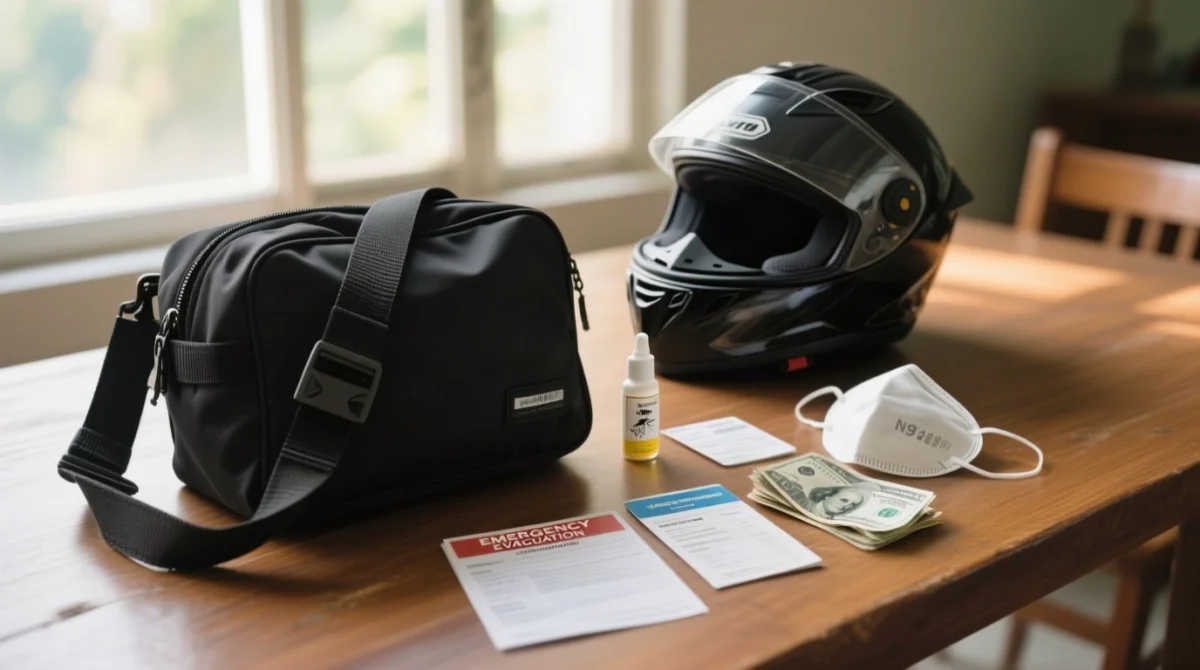
Travel to Vietnam demands caution on scooters. A Vietnamese driver’s license is required (an American license is insufficient), and the US State Department recommends tourists NOT rent motor scooters, as Vietnamese drivers routinely ignore traffic laws. Healthcare is rudimentary, with doctors often demanding upfront payment before treating Americans. Carry travel insurance with robust coverage for emergency medical evacuation, as severe cases may require airlift to Thailand or Japan.
Air Quality and Vaccinations
Hanoi air pollution is a major issue; think twice if you have respiratory or pulmonary issues. The CDC issued a Level 1 Dengue notice on September 3, 2026, noting year-round risk. Recommended vaccinations include Hepatitis A and B, Japanese Encephalitis for rural or hiking areas, and malaria prophylaxis for certain regions (mefloquine resistance noted). For domestic transport, use budget airlines, sleeper trains, for bus and train tickets, and Klook for private or shared transfers.
Staying Connected & Cultural Etiquette
Travel to Vietnam keeps US-based visitors connected through major telecom providers like Viettel, Vinaphone, and Mobifone, with tourist SIMs available for unlocked phones and Airalo eSIMs offering a 10% discount (code: AIRALOESIM10). Mobile coverage works reliably in Ho Chi Minh City and most urban areas but remains limited in remote regions. Power supply runs at 220V/50Hz with Type A, C, and F plugs.
Travel to Vietnam also demands cultural awareness in a conservative society. Dress modestly at temples and religious sites, and avoid public displays of affection. Photography requires respect, especially photographing people, and visitors must avoid capturing anything military or security-related. Smoking is prohibited in public areas, and drinking is allowed only in licensed establishments. Basic phrases like “Xin chào” (hello) and “Cảm ơn” (thank you) help bridge language gaps.
Cultural Taboos: What Not to Do in Vietnam
Specific taboos shape daily interactions. Never point with your feet, touch someone’s head, or lose your temper in public. Use your whole hand rather than a single index finger when gesturing, pass items with both hands, and never leave chopsticks sticking upright in rice.
Frequently Asked Questions (FAQ) About Travel to Vietnam
Is $1000 enough for 2 weeks in Vietnam?
Yes. With backpacker-tier spending ($30-50/day), 14 days costs approximately $420-700, well under $1000. Even mid-range ($70-100/day) totals $980-1,400, making $1000 feasible with careful planning.
Is it safe to travel to Vietnam in 2026?
Yes. The US State Department rates Vietnam as Level 1 (exercise normal precautions). Vietnam ranks 38th out of 163 on the Global Peace Index and 16th out of 44 on Berkshire Hathaway’s Safest Countries list (2024).
Can I drink the tap water in Vietnam?
No. Use bottled water for drinking and washing fruits or vegetables. Tap water is not considered safe for consumption.
Is tap water safe for brushing teeth in Vietnam?
Generally no. Use bottled or filtered water for brushing teeth to avoid potential stomach issues, especially outside major cities.
Are bed bugs common in Vietnam?
Bed bugs can occur in any accommodation tier. Inspect mattresses and seams in budget hostels; higher-end hotels generally have better pest control. Check reviews before booking.
Do I need a visa to travel to Vietnam with a US passport?
Yes. US citizens are not on the visa-free exemption list. You must obtain a 90-day e-visa online before departure (single-entry, $25 government fee, 33 accepted checkpoints).
What is the best month to visit Vietnam?
There is no single best month due to regional monsoon differences. December to March offers cooler temperatures in the North; April to October brings blue skies to Ha Long Bay; July to September is best for southern beaches.
Is it safe to ride a scooter in Vietnam as a tourist?
The US State Department recommends tourists NOT rent motor scooters. Vietnamese drivers routinely ignore traffic laws. A special Vietnamese scooter license is required (American license is insufficient), obtained through the Provincial Public Transportation Service.