

Common tourist mistakes in Vietnam include falling for taxi meter scams, renting motorbikes without an International Driving Permit, mishandling the Vietnamese đồng (VND), and ignoring dress codes at religious sites. Travelers also frequently misjudge street food hygiene and fail to verify tour operators.
To avoid these frequent pitfalls, US travelers must secure a 90-day e-visa before arrival and check travel advisories. By preparing properly, using ride-hailing apps like Grab, carrying small VND denominations, and respecting local customs, visitors can navigate urban areas safely and prevent travel scams in 2026.
Pre-Travel Preparation & Entry Compliance
US travelers must secure a 90-day e-visa before arrival and check travel advisories through the US Department of State website to prevent the most common tourist mistakes in Vietnam.
Vietnam Urban Tourism Safety & Common Mistakes begins with proper e-visa application. The e-visa is valid for 90 days and available to all nationalities, while 24 nations enjoy unilateral visa-free access for 45 days. Skipping this step ranks among the most preventable tourist mistakes in Vietnam, as overstaying leads to fines and departure delays.
Vietnam Urban Tourism Safety & Common Mistakes also requires travelers to review vaccination guidelines and consult a current travel advisory before departure. The US Department of State provides country-specific information at state.gov/countries-areas/vietnam, covering visas, embassy locations, and health topics.
Common Urban Scams & How to Avoid Them
The top five urban scams in Vietnam-taxi overcharging, cyclo fraud, fake tours, shoe shining tricks, and distraction thefts-target tourists in major cities. Vietnam Urban Tourism Safety & Common Mistakes identifies these as the most frequent tourist mistakes in Vietnam, concentrated in Hanoi (21°2′N 105°51′E) and Ho Chi Minh City (10°48′N 106°39′E), reachable via calling code +84.
- Taxi overcharging: Drivers manipulate meters or claim “broken meter.” Spot it by checking if the meter starts at zero; avoid it by using ride-hailing apps instead.
- Cyclo fraud: Quoted price doubles at destination. Spot vague pricing; agree on exact VND amount before boarding.
- Fake tours: Unlicensed sellers push counterfeit tickets. Verify tour operator contracts and business licenses before payment.
- Shoe shining: Unsolicited shine leads to inflated demand. Decline firmly and keep walking.
- Distraction thefts: Bump-and-grab in crowded zones. Keep valuables secured to prevent travel scams.
Vietnam Urban Tourism Safety & Common Mistakes shows that awareness alone eliminates most tourist mistakes in Vietnam before they occur.
Transportation, Motorbike Rules & Market Mistakes
Use ride-hailing apps to prevent taxi overcharging, rent scooters legally with an IDP, and negotiate market prices respectfully.
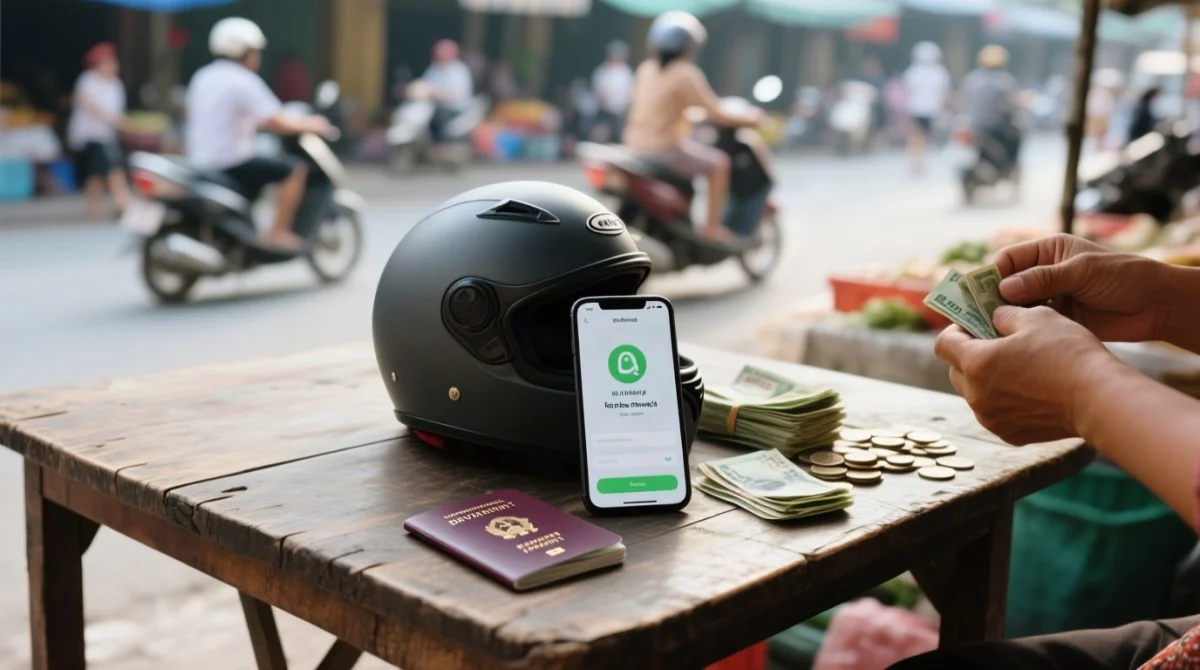
Vietnam Urban Tourism Safety & Common Mistakes prioritizes ride-hailing apps (Grab) over street taxis to prevent overcharging. Tourist mistakes in Vietnam often start with unverified rides. Download Grab, confirm license plates, and pay in-app. Motorbike traffic rules require an International Driving Permit for scooter rentals; helmets are mandatory.
Traffic risks are severe: a BBC-reported collision on 30 May 2025 in Hanoi killed 1 person, and a March 2026 DUI incident in Hanoi hit 7 cars and 3 motorcycles. With population density at 309/km², pedestrians must maintain steady pacing through dense scooter flows.
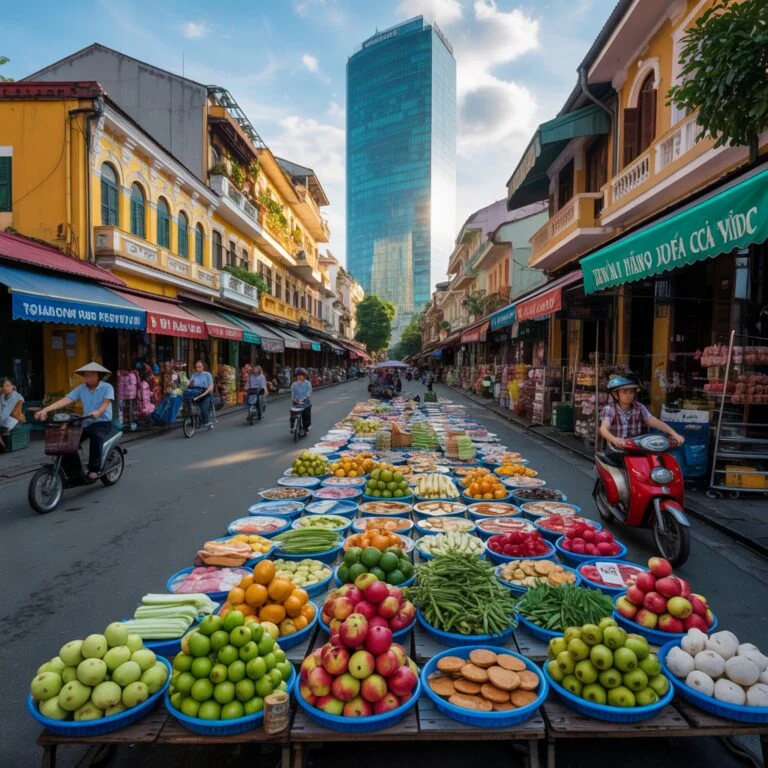
Vietnam Urban Tourism Safety & Common Mistakes extends to market bargaining, where tourist mistakes in Vietnam include handling goods before agreeing on price. Walk away politely from unreasonable quotes and count change carefully.
Understanding Currency & Payment Mistakes
The Vietnamese đồng (₫) (VND) has many zeros, causing tourists to overpay; always count denominations carefully and use verified ATMs.
Vietnam Urban Tourism Safety & Common Mistakes identifies cash-handling errors as among the most frequent tourist mistakes in Vietnam. With a GDP(PPP) per capita of $19,649 and GDP(nominal) per capita of $5,115 (2026 estimates), the cost gap between local and visitor spending widens, making currency exchange rates a critical budget factor. Travelers must avoid black market exchanges and currency swap scams that exploit unfamiliarity with VND denominations.
In 2026, local payment apps such as MoMo and ZaloPay reduce wallet-theft risks and minimize cash disputes at vendors. Vietnam Urban Tourism Safety & Common Mistakes requires US visitors to adopt these digital wallets alongside small VND cash reserves, directly addressing the payment-related tourist mistakes in Vietnam that lead to overcharging and change disputes.
Health, Food Safety & Cultural Etiquette
Tap water is unsafe for drinking, street food requires hygiene checks, and temple visits demand covered shoulders and knees.
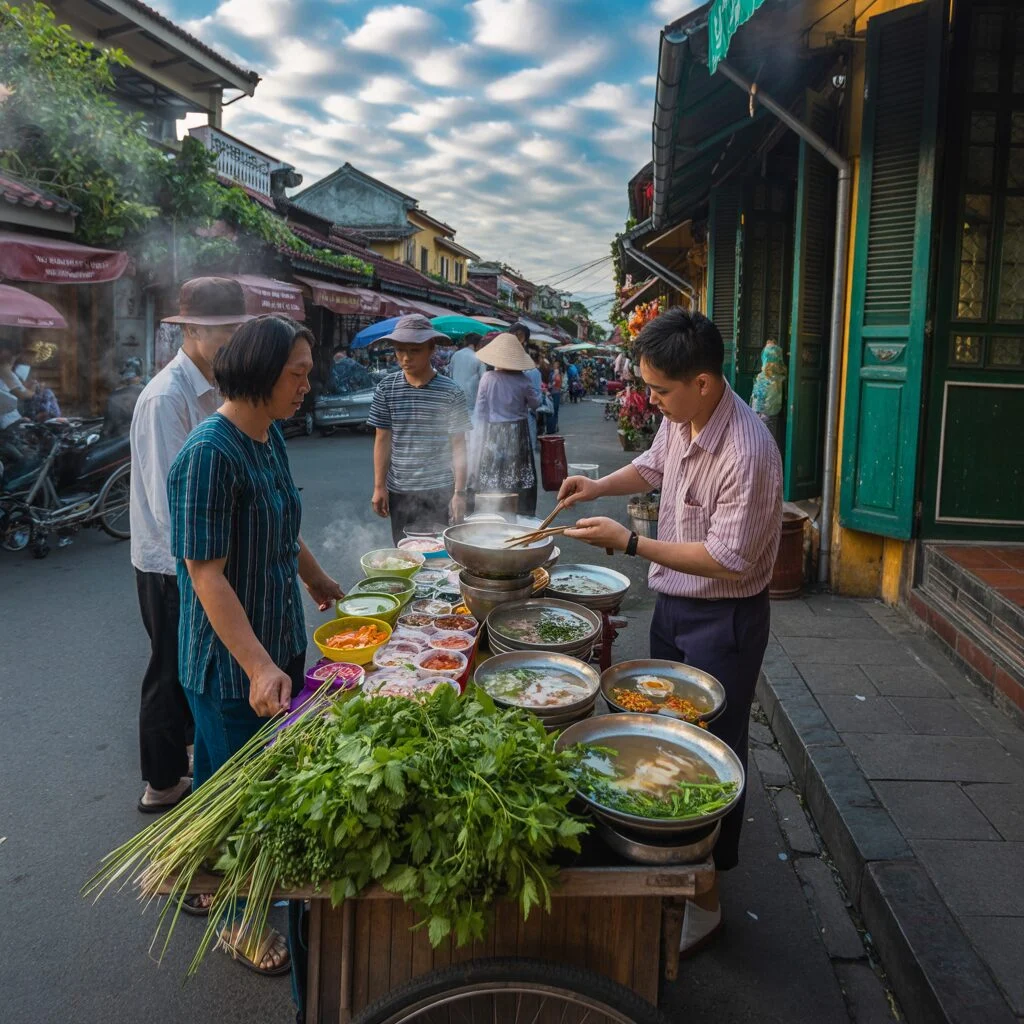
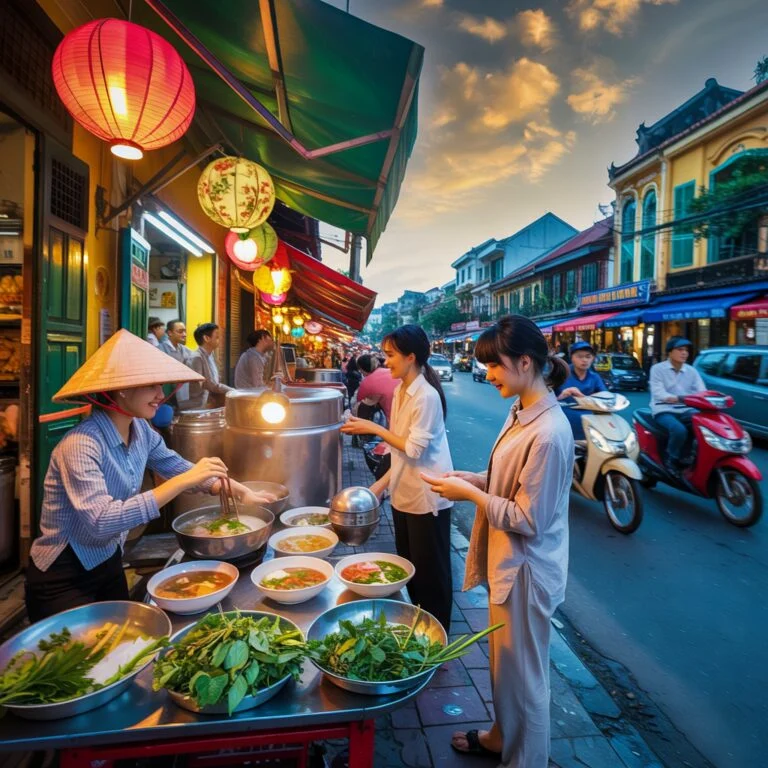
Vietnam Urban Tourism Safety & Common Mistakes identifies tap water safety as a recurring health pitfall: use sealed bottled water and verify ice sources at street stalls. For street food hygiene, choose vendors with high turnover and visible cooking surfaces. Vietnam’s HDI stood at 0.766 in 2023 (high level), yet sanitation standards vary widely between districts.
Cultural missteps rank among the most frequent tourist mistakes in Vietnam. With 73% of the population identifying as non-religious or folk-believers (2021) and 14.3% Buddhist, cultural dress code expectations at pagodas remain strict: cover shoulders and knees, and ask before photographing locals. Vietnam Urban Tourism Safety & Common Mistakes underscores that ignoring these norms leads to entry denial and strained interactions, compounding preventable tourist mistakes in Vietnam during urban exploration.
Nightlife Safety & Emergency Protocols
Vietnam’s nightlife carries risks of drink spiking and inflated bills; emergencies require calling 113 (police) or 115 (ambulance) and contacting the US Embassy.
Vietnam Urban Tourism Safety & Common Mistakes identifies nightlife venues as high-risk zones where solo traveller risks escalate rapidly. Inflated alcohol bills and “closed bar” scams rank among the most reported tourist mistakes in Vietnam, particularly in Hanoi and Ho Chi Minh City.
| Service | Number |
|---|---|
| Police | 113 |
| Ambulance | 115 |
For the police report procedure, visit the nearest station with your passport, write a statement in English, and request a stamped copy for insurance claims. Embassy & consular support is available through the US Department of State’s Vietnam country page, managed by the Bureau of East Asian and Pacific Affairs. Vietnam Urban Tourism Safety & Common Mistakes shows that failing to save local emergency numbers before arrival is a preventable error compounding other tourist mistakes in Vietnam.
FAQ: Common Tourist Mistakes in Vietnam
Can you brush your teeth with tap water in Vietnam?
Tap water in Vietnam is unsafe for drinking. Travelers should use bottled water and verify ice sources to maintain tap water safety. While the brief does not explicitly address brushing teeth, using bottled or boiled water is a standard precaution to avoid health-related tourist mistakes in Vietnam.
Can I wear red in Vietnam?
The brief does not specify restrictions on wearing red. However, cultural dress codes require covering shoulders and knees at religious sites like pagodas and temples. Travelers should respect local customs, ask for photo permission, and avoid wearing bright colors at solemn sites to prevent cultural faux pas.
Is Grab safe to use in Vietnam?
Yes, using ride-hailing apps like Grab is recommended to prevent taxi overcharging and meter manipulation. Setting up and using Grab in Hanoi and Ho Chi Minh City eliminates financial errors and helps you navigate urban areas safely by verifying driver license plates and fixing prices upfront.
Do I need an International Driving Permit for a scooter in Vietnam?
Yes, renting a scooter without an International Driving Permit (IDP) is a common legal and financial mistake. It risks fines and invalidates insurance. Motorbike traffic rules are strictly enforced, and helmets are mandatory. Always secure an IDP to avoid severe tourist mistakes in Vietnam.
How much cash should I carry in Vietnamese cities?
The Vietnamese đồng (VND) has many zeros, causing tourists to overpay. Always count denominations carefully, avoid black market exchanges, and use verified ATMs. While exact amounts vary, carrying small VND denominations helps handle currency correctly and reduces wallet-theft risks in crowded zones.
What is the penalty for overstaying an e-visa in Vietnam?
The e-visa is valid for 90 days and is available to all nationalities, with unilateral visa-free access lasting 45 days for 24 nations. The brief does not specify exact overstay penalties, but failing to comply with visa extension rules is a critical administrative pitfall affecting legal stay duration.
How do I report a scam to the local police in Vietnam?
Call local emergency number 113 for police or 115 for an ambulance. Follow the step-by-step police report procedure at the station, bringing all relevant documentation. For further assistance, contact embassy and consular support through the US Department of State website at https://www.state.gov/countries-areas/vietnam.
Are there specific dress codes for temples in Hanoi and Ho Chi Minh City?
Yes, dress code violations at religious sites are common tourist mistakes in Vietnam. Visitors must cover their shoulders and knees at pagodas and temples in Hanoi and Ho Chi Minh City. Always follow destination guidelines, respect local customs, and ask for photography permission before taking photos.