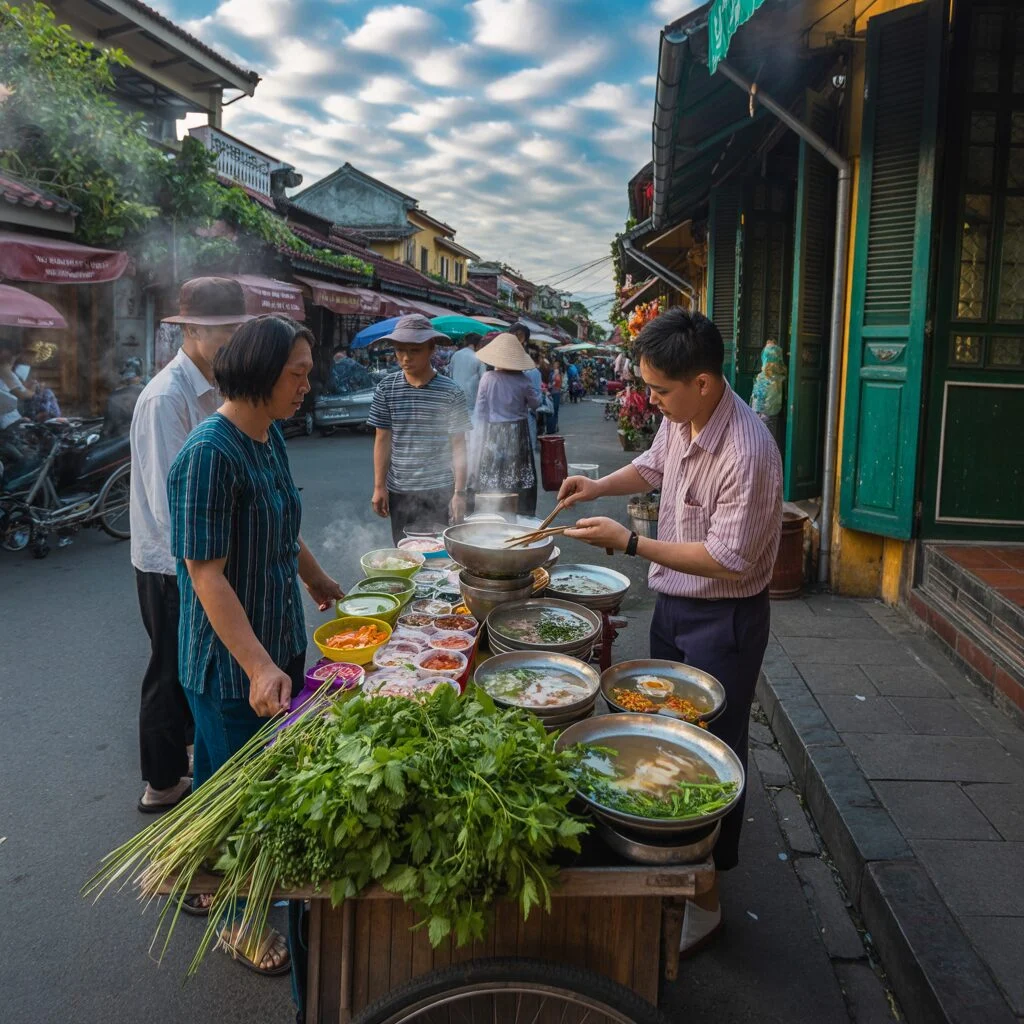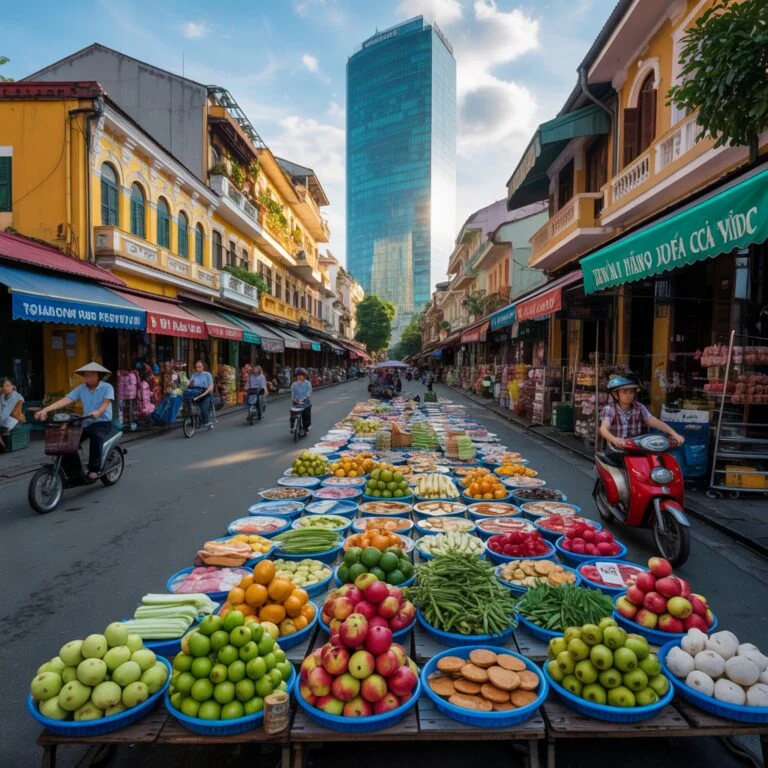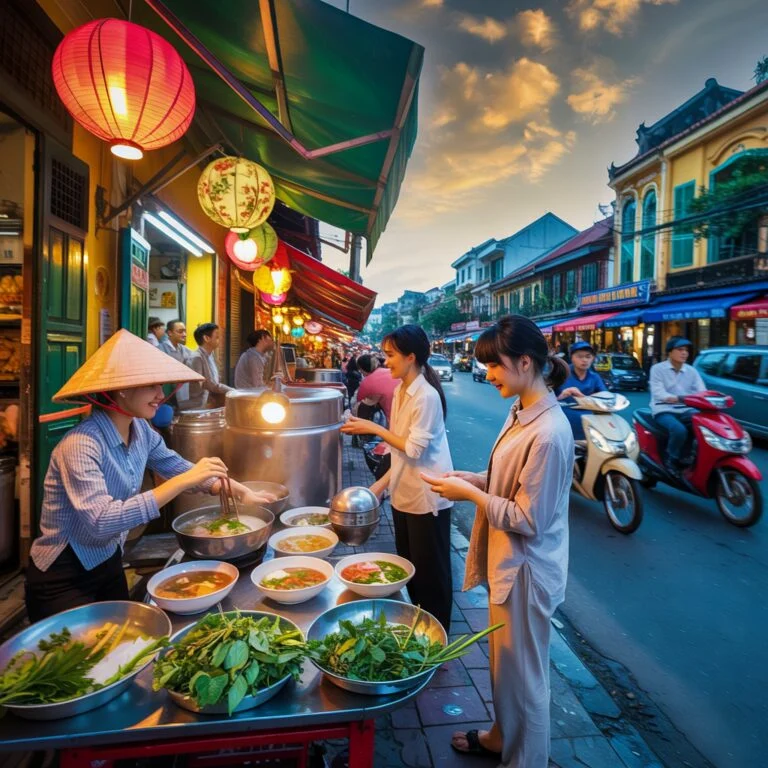


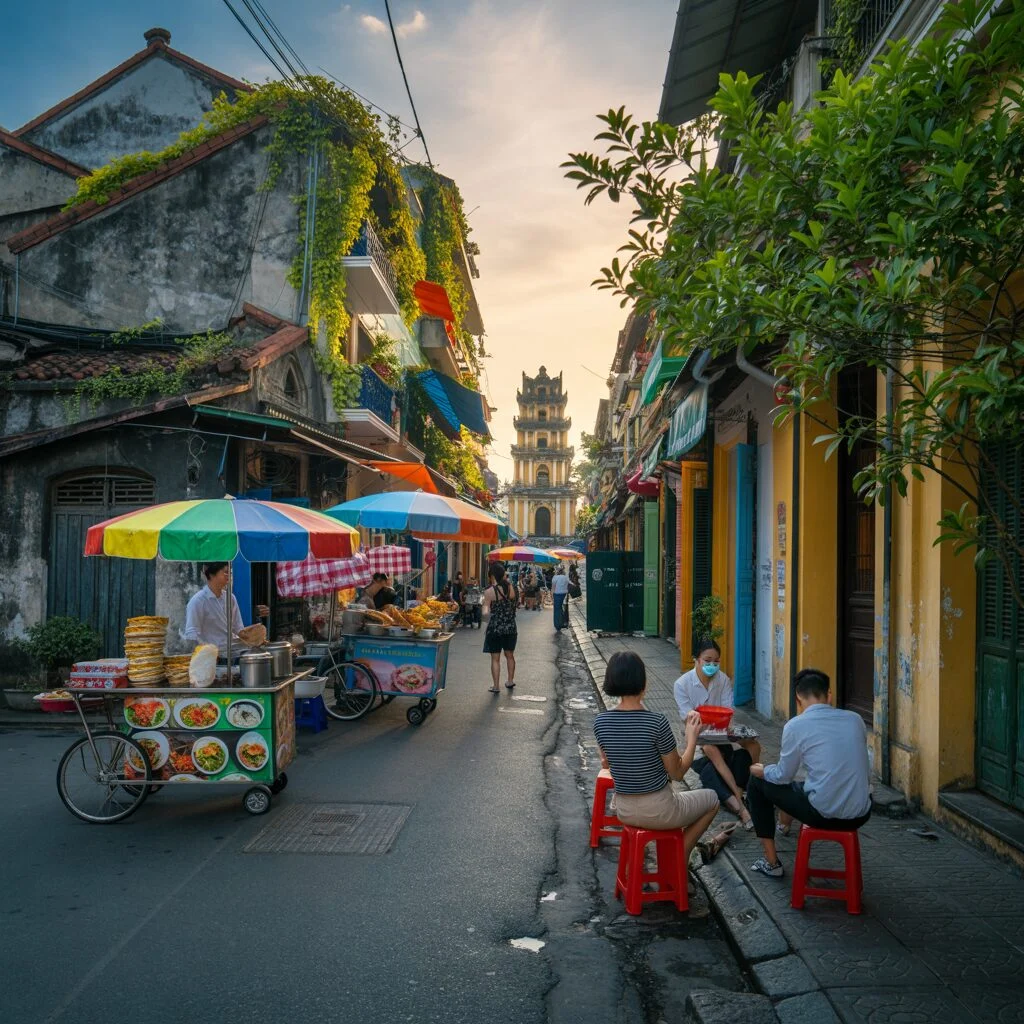
Determining which is better for tourists: Hanoi or Ho Chi Minh City depends on your travel style. Hanoi offers traditional culture, historic architecture, and authentic street food, while Ho Chi Minh City delivers fast-paced nightlife, modern infrastructure, and diverse dining.
Separated by 1,130 kilometers, these two urban centers represent fundamentally different sides of Vietnam. Hanoi, the thousand-year-old capital in the north, draws culture lovers and slow travellers with its walkable Old Quarter, lakes, pagodas, and world-class café scene. Ho Chi Minh City (still widely called Saigon) in the south runs on momentum, with six million motorbikes, skyscrapers, rooftop bars, and a permanently switched-on energy that appeals to city lovers and nightlife fans.
This 2026 comparison breaks down both destinations across atmosphere, food, nightlife, day trips, weather, logistics, and safety so you can finalize flights, accommodation, and itinerary routing with confidence.
Atmosphere, Walkability, and Top Attractions
The Hanoi vs. Ho Chi Minh City tourist comparison reveals two distinct urban frameworks: Hanoi delivers traditional, slower-paced charm with a walkable Old Quarter, while Ho Chi Minh City operates as a fast-paced, modern metropolis powered by 6 million motorbikes and a permanently switched-on energy.

Hanoi’s controlled chaos centers on the Old Quarter, a maze of narrow alleyways where each street historically specialized in one trade. The area becomes pedestrian-only on weekend nights, making navigation safer and more enjoyable. Key landmarks include Hoàn Kiếm Lake with its iconic Turtle Tower, the Temple of Literature (home of Vietnam’s first national university), and Hoa Lo Prison. Hanoi is also rated safer than Ho Chi Minh City, giving solo explorers greater nighttime confidence.
The Hanoi versus Ho Chi Minh City contrast sharpens in District 1, HCMC’s intense commercial core. Here, the War Remnants Museum and Reunification Palace anchor a historical focus on the Vietnam War. Street crossing is much trickier than in Hanoi, and the city feels significantly larger. For first-time visitors weighing walkability against metropolitan energy, this dual-city evaluation provides clear routing guidance.
Food, Culinary Scene, and Nightlife
The Hanoi vs. Ho Chi Minh City Tourist Comparison reveals two distinct culinary and evening ecosystems. Hanoi favors conventional, authentic northern dishes, while Ho Chi Minh City earns the title of food capital of Vietnam through sweeter southern flavors and French-influenced fusion cuisine.
| Dish / Item | Hanoi Style | HCMC Style |
|---|---|---|
| Pho | Traditional, authentic – under $1 | Sweeter profile |
| Coffee | Egg coffee, world-class café scene | French-influenced café culture |
| Food variety | Conventional, less variety | Multi-country cuisine, fusion |
For nightlife, the Hanoi vs. Ho Chi Minh City Tourist Comparison shows a clear divide. Ho Chi Minh City delivers Bui Vien Street, rooftop bars, and late-night clubs, with fruit shakes under $1 and Saigon beer cheaper than bia Hanoi. Hanoi counters with low-key bars, live music, and traditional bia hơi corners, though venues don’t stay open as late.
Day Trips and Weather
The Hanoi vs. Ho Chi Minh City Tourist Comparison reveals that day-trip access and seasonal climate differ sharply across the 1130 km separating these two hubs. Hanoi anchors excursions to Ha Long Bay, offering one- to three-day cruises, plus Ninh Binh’s karst landscapes. Ho Chi Minh City serves as the gateway to the Cu Chi Tunnels and Mekong Delta, both doable in a single day.
The Hanoi vs. Ho Chi Minh City Tourist Comparison also highlights distinct climate windows. Hanoi experiences four seasons with hot, wet summers and cool, dry winters; optimal visits fall between September to November and March to May. Ho Chi Minh City has a tropical climate with two defined seasons, best visited during the dry period from December to April.
Travelers planning both cities should account for the distance and regional weather variation when routing domestic flights or trains.
Practical Logistics, Safety, and Getting Around
US travelers need a 2026 e-visa for Vietnam, and flights are typically cheaper into Ho Chi Minh City, though both cities require using the Grab app and carrying cash. The Hanoi vs. Ho Chi Minh City Tourist Comparison shows that HCMC’s Tan Son Nhat Airport is much bigger and direct flights are nearly always cheaper than into Hanoi’s Noi Bai. A daily Hanoi budget runs less than $40 per day, accommodation included.
The Hanoi vs. Ho Chi Minh City Tourist Comparison also highlights safety gaps. Hanoi is safer than HCMC, where attempted card cloning has been reported. Common scams include overpriced Halong Bay cruise upselling, inflated Sapa tours, and photo-pose money requests. Cash in Vietnamese Dong remains dominant, so download Grab and carry VND rather than relying on cards. When crossing streets packed with motorbikes, apply the “walk forward” rule: maintain a steady pace without stopping so riders can predict your path. The cities sit 1,130 km apart, so factor transit time into any combined itinerary. US passport holders should apply for the e-visa through the Vietnamese government portal well before departure.
FAQ: Hanoi vs. Ho Chi Minh City for Tourists
Is tap water safe to drink in Hanoi and Ho Chi Minh City?
No. Standard guidance for Vietnam applies to both cities: do not drink tap water. Use sealed bottled water, which is inexpensive and widely available at convenience stores, street stalls, and hotels in both the Old Quarter and District 1. Both cities offer free WiFi at hotels rated 9 or higher, so locating nearby stores is straightforward.
Which city is cheaper to fly into from the USA?
Ho Chi Minh City is nearly always cheaper for direct flights from the USA. Tan Son Nhat International Airport (SGN) is much bigger than Hanoi’s Noi Bai International Airport (HAN), giving it greater route capacity and more competitive pricing. If your itinerary allows, flying into HCMC and traveling onward to Hanoi by train or domestic flight can reduce total airfare.
Is tipping expected in Vietnam?
Tipping is not deeply embedded in Vietnamese culture and is generally not expected at street food stalls or casual eateries. At mid-range and high-end restaurants, a service charge may already be included. For hotel staff and tour guides, small tips are appreciated but not mandatory. Vietnam is a very inexpensive country overall, so even modest tips go a long way.
Which city is safer for tourists: Hanoi or Ho Chi Minh City?
Hanoi is considered safer than Ho Chi Minh City. HCMC carries higher risks of petty crime, including pickpocketing and attempted card cloning in restaurants. Both cities are chaotic in traffic, with HCMC’s six million motorbikes making street crossing trickier. Vietnamese people are not violent or aggressive, and young locals often speak English and are willing to help foreigners.
What is one of the biggest mistakes you can make in Vietnam?
Falling for overpriced tour scams, especially Halong Bay cruise upselling and inflated Sapa tour packages sold in Hanoi. Another major mistake is not verifying whether your travel insurance covers motorbike riding, as coverage is not always included. Always book tours through vetted platforms and check your policy details before renting a scooter.
Can I use US dollars for daily expenses in Hanoi or HCMC?
No. Vietnamese Dong (VND) is the dominant currency for daily transactions in both cities. Cash remains king despite growing digital payment adoption. Exchange USD for VND at banks or authorized counters upon arrival. Ride-hailing apps like Grab may accept digital wallets, but street food vendors, markets, and small shops operate almost exclusively in cash.
How many days should I spend in Hanoi vs. HCMC?
A combined visit of 10 days or more is recommended to experience both cities meaningfully. Hanoi offers a structured 3-day itinerary covering the Old Quarter, Hoan Kiem Lake, and nearby attractions. Ho Chi Minh City benefits from additional time for day trips to the Cu Chi Tunnels and Mekong Delta. The majority of Vietnam tours visit both cities on a Hanoi-to-HCMC route.
Are Hanoi and Ho Chi Minh City wheelchair accessible?
Neither city is fully wheelchair accessible, but Ho Chi Minh City offers better conditions due to its wider modern boulevards and more recent infrastructure development. Hanoi’s Old Quarter features narrow alleyways, uneven sidewalks, and historic buildings that pose significant mobility barriers. Travelers with mobility needs should prioritize HCMC’s District 1 and research specific venue accessibility in advance.