


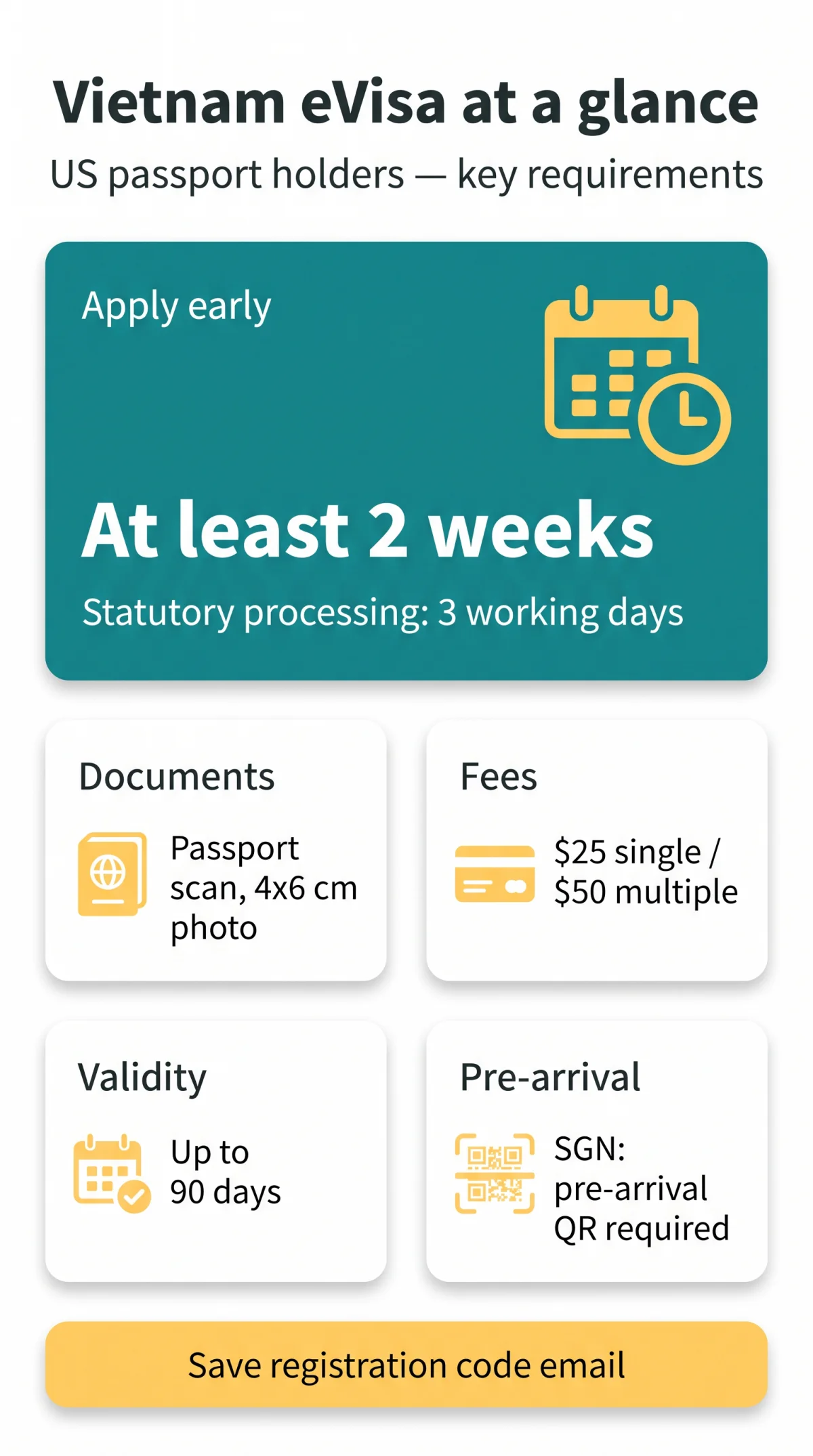
US passport holders need to meet the eVisa for Vietnam – Entry Requirements (Vietnam Electronic Visa, or eVisa): a passport valid six months past your exit date with two blank pages, a clear bio-page scan, and a 4×6 cm photo. Fees are $25 single-entry or $50 multiple-entry and aren’t refundable.
This is an independent travel guide, not a government website: we don’t charge fees or file applications for you. You apply at evisa.gov.vn and check current rules there before booking. Standard processing takes three working days, so apply at least two weeks ahead.
eVisa for Vietnam Entry Requirements and Fees
Your eVisa covers tourism and short business stays, up to 90 days; the 30-day single-entry limit ended with a law amendment effective August 15, 2023.
| Visa type | Stay | Fee |
|---|---|---|
| Single-entry eVisa | 90 days | $25 USD |
| Multiple-entry eVisa | 90 days | $50 USD |
You pay by international card or bank transfer. Processing takes three working days, and three to five in practice. US citizens aren’t in the 45-day unilateral visa exemption list, so you need an eVisa, a Visa on Arrival, or a consular visa.
Passport and Photo Specifications
Your passport needs six months’ validity past your exit date and two blank visa pages to remove airline check-in risk.
- Passport bio page scan: full bio-data page as .jpg, ICAO lines legible, no cropped edges.
- Photo: 4×6 cm portrait as .jpg, plain white background, no eyeglasses.
- Hotel name and street address, arrival and exit dates, designated ports of entry.
- Email for the registration code and the visa download link.
Name Fields and the ICAO Line
Type your name the way the machine-readable line reads it, and never swap Given Name and Surname. A mismatch can get you denied boarding, so copy the name from the MRZ before you pay.
How to Apply and Pay the Fee
Check every field before you pay: the portal locks submitted applications.
Open the portal
evisa.gov.vn, or thithucdientu.gov.vn, live since November 11, 2024.
Fill the Personal Information Fields
From the ICAO line, and add your dates.
Upload your documents
Passport bio page scan and the portrait.
Pay the fee
Save the registration code from your email.
Pre-Arrival Declaration and Health Rules
Landing at Tan Son Nhat (SGN)? File the electronic pre-arrival declaration at prearrival.immigration.gov.vn. It’s mandatory for foreign passport holders at SGN and is being deployed at Noi Bai (HAN), Da Nang (DAD), and Cam Ranh (CXR).
Complete it as early as three days before arrival and save the QR code as a screenshot; it’s separate from the eVisa and customs forms. Under Decree 165/2026/NĐ-CP, effective July 1, 2026, no routine health declaration is required for entry, exit, or transit. Airports continue routine health screening with thermal scanners, and travelers showing symptoms may be referred to the airport’s medical unit.
eVisa for Vietnam Entry Requirements at the Border
Vietnam lists 83 designated border gates: 17 international airports, 27 land border gates, and 39 seaports. Older lists showed 33 and 42 checkpoints, so check before booking.
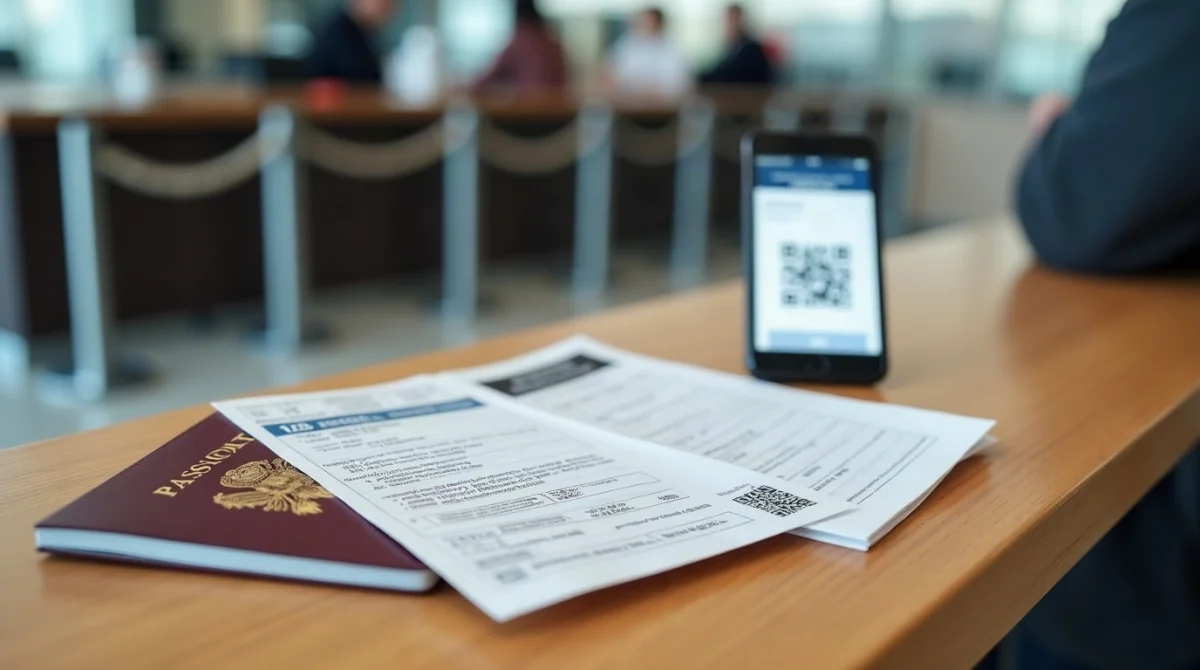
| Document | What you show |
|---|---|
| Original passport | Six months past exit |
| eVisa copy | A4 printout or phone copy |
| Pre-arrival QR code (required at SGN) | Screenshot of the confirmation |
Physical photos aren’t required on arrival; carry a printed copy of your eVisa or keep it on your phone. Only listed gates accept the eVisa at land crossings.
Special Cases: Phu Quoc, Cruises, VOA
Travelers arriving directly at Phu Quoc island, or transiting through a Vietnamese international checkpoint straight to the island, can stay 30 days visa-free with an onward ticket out of Vietnam within 30 days and no travel off the island.
| Option | How you get it | Key condition |
|---|---|---|
| eVisa | Apply at evisa.gov.vn | Printed A4 copy at border |
| Visa on Arrival | Pre-arranged approval letter | Collected at the airport |
| Phu Quoc exemption | No visa on direct arrival | 30 days, island only |
On a cruise, a single-entry eVisa covers consecutive port calls like Da Nang, Nha Trang, and Phu My on the same vessel.
Other Rules After You Enter Vietnam
Your host registers you with the local commune or ward police. Hotels, homestays and private hosts handle the registration with the local police.
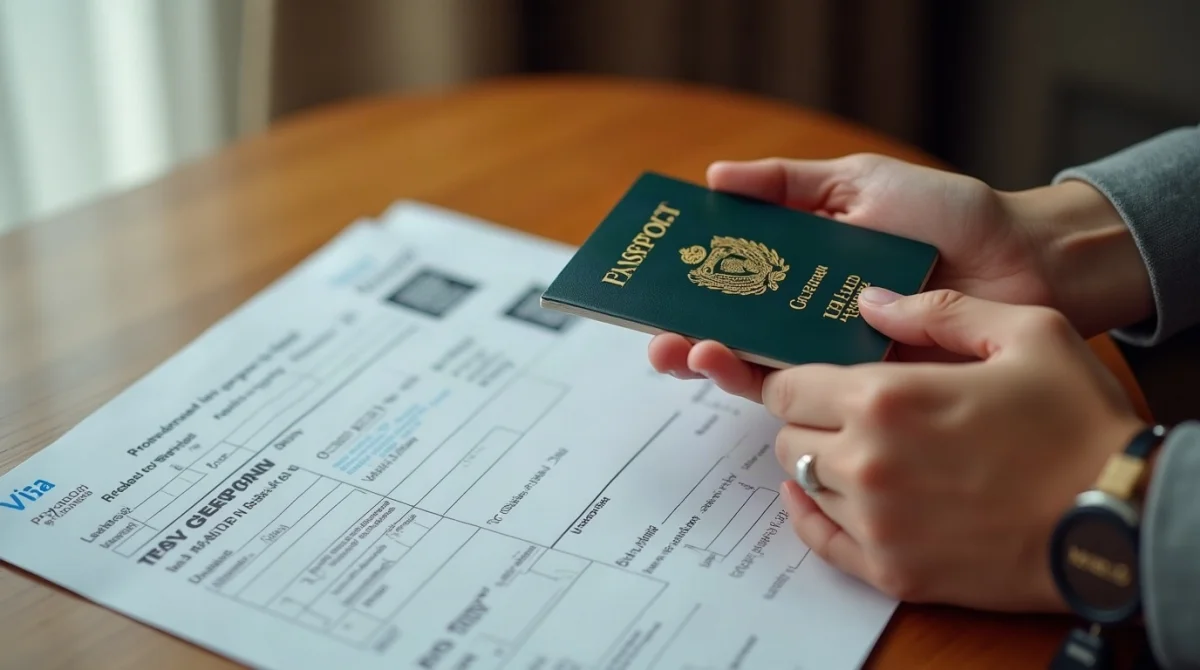
Overstaying leads to fines and other penalties, and any overstay has to be settled with Vietnamese immigration authorities. Leave before the Valid Until date printed on your eVisa.
Common Mistakes to Avoid
- Reversing Given Name and Surname. Copy both fields from the MRZ.
- A wrong passport number, birth date, or expiry date. Re-check each field.
- A blurry scan or a portrait with eyeglasses. Retake in daylight.
- Only a city in the address field. Write the full hotel street address.
- A third-party agency charging a service fee for the free government form, or a copycat site impersonating the immigration office. Apply at evisa.gov.vn.
Frequently Asked Questions (FAQ)
What are the eVisa for Vietnam entry requirements for US citizens?
US passport holders need a passport valid for at least six months beyond the exit date with two blank visa pages, a clear .jpg scan of the passport bio page, and a recent 4×6 cm photo on a white background without eyeglasses. You also need a temporary address in Vietnam, your planned entry and exit dates, and an email address for the registration code.
How long does a Vietnam eVisa application take to process?
The statutory processing time is three working days from the moment the Immigration Department receives your application and the fee, and three to five working days is common in practice. Apply at least two weeks before departure so that a delay does not affect your trip.
How much does a Vietnam eVisa cost?
The government fee is USD 25 for a single-entry eVisa and USD 50 for a multiple-entry eVisa. You pay online by credit or debit card or by electronic bank transfer, and the fee is not refunded once the application has been submitted.
Where do I apply for a Vietnam eVisa and how do I avoid third-party sites?
Apply at evisa.gov.vn, a government domain ending in .gov.vn; thithucdientu.gov.vn is the second official domain of the same portal. Third-party agencies charge a service fee on top of the government fee for a form you can complete yourself, so use the government portal if you want to pay only the USD 25 or USD 50 fee.
Can I enter Vietnam before the start date printed on my eVisa?
No. You can enter on or after the Valid From date printed on your eVisa and you must leave by the Valid Until date. The eVisa covers up to 90 days, so choose your entry and exit dates on the application so that they cover your whole trip.
What documents do I need to show to meet the eVisa for Vietnam entry requirements on arrival?
Bring your original passport and the eVisa printed on A4 paper; a copy on your phone also works. If you are landing at Tan Son Nhat (SGN) or at another airport where the declaration has been deployed, add the QR code from the electronic pre-arrival declaration.
Is the electronic pre-arrival QR code required at every airport?
The electronic pre-arrival declaration is mandatory for foreign passport holders arriving at Tan Son Nhat (SGN) in Ho Chi Minh City. It is being rolled out to Noi Bai (HAN), Da Nang (DAD) and Cam Ranh (CXR), so check the current list before you fly.
What happens if I overstay my Vietnam eVisa?
Overstaying leads to fines and other penalties, and you will have to settle the overstay with Vietnamese immigration authorities before you leave. To avoid the problem, exit Vietnam before the Valid Until date printed on your eVisa.
Sources and Further Reading
- evisa.gov.vn: application form, fee payment, visa download.
- evisa.xuatnhapcanh.gov.vn: national immigration portal.
- US Embassy visa page: entry and exit notes for US travelers.
- US Embassy SGN notice: pre-arrival declaration at Tan Son Nhat.
- Travel.State.gov: Vietnam travel advisory.
- immigration.gov.vn: immigration portal reference.
Rules change, so check the portal before you travel.