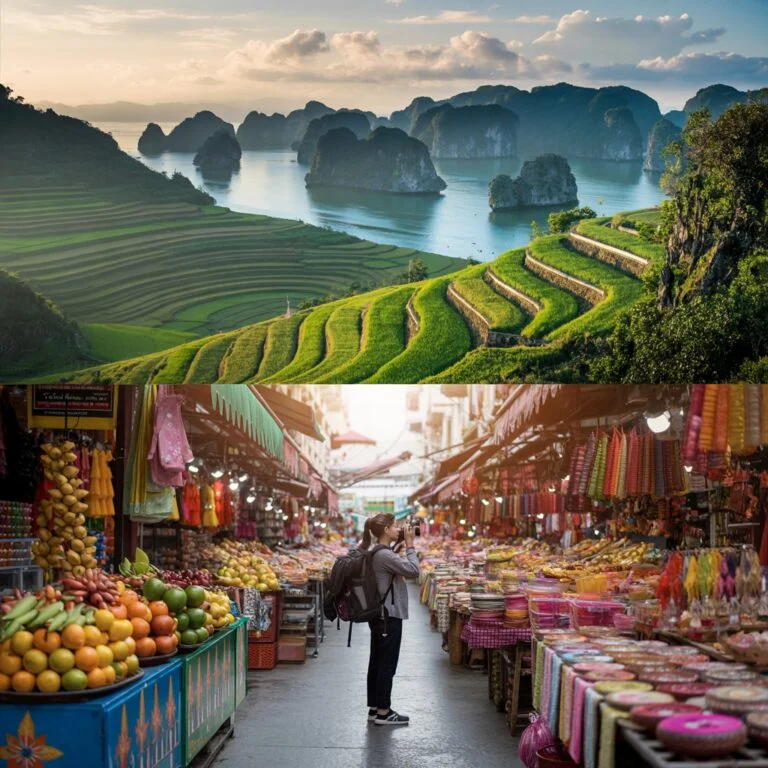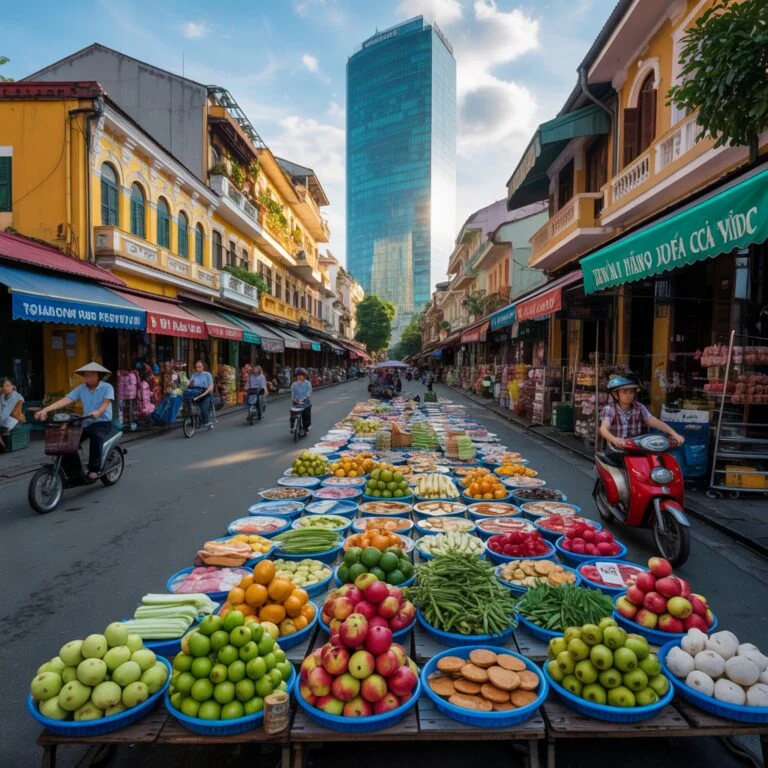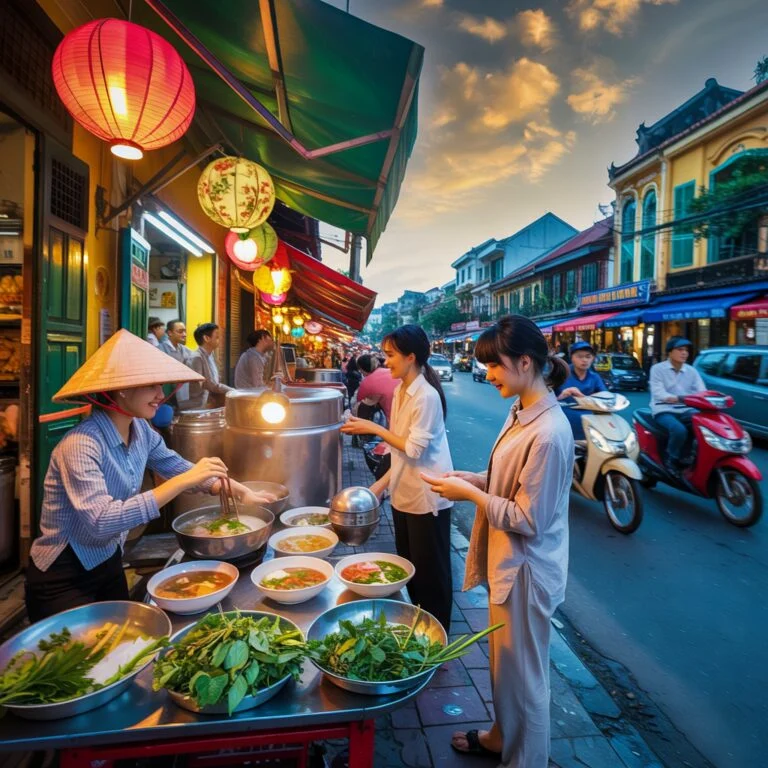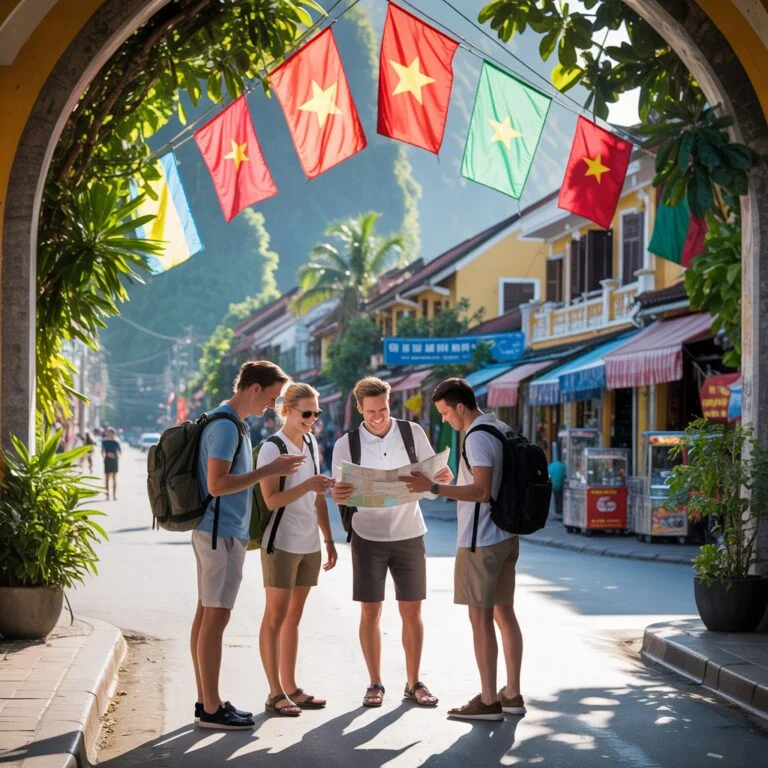
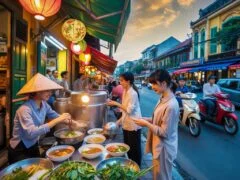

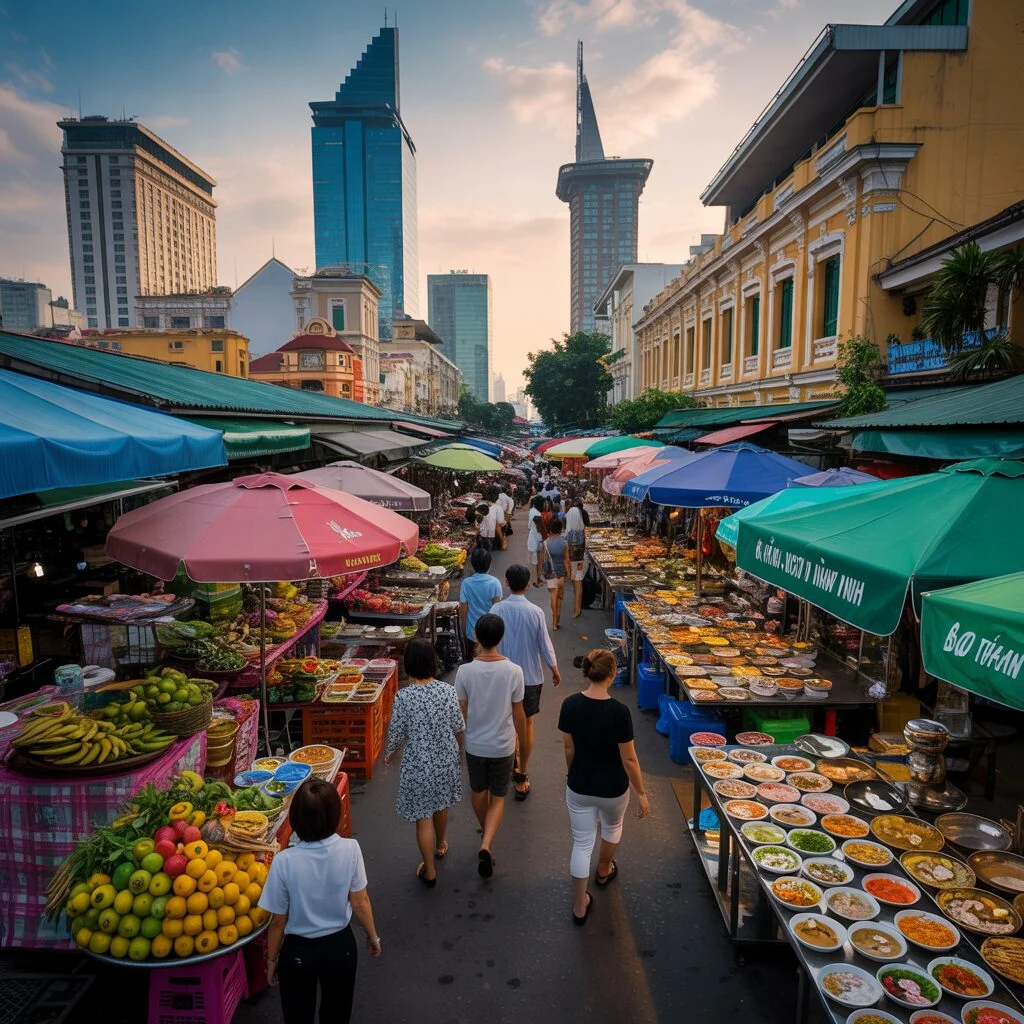
Vietnam’s best cities deliver an unmatched blend of street food culture, French colonial architecture, and coastal accessibility for US travelers in 2026. From Hanoi’s Old Quarter to Hoi An’s lantern-lit streets, each destination offers distinct experiences.
This guide compares Vietnam’s best cities by budget, logistics, and neighborhood zoning. We evaluate five premier urban destinations: Hanoi, Ho Chi Minh City, Da Nang, Hue, and Hoi An. Each city provides unique advantages for tourists planning a Southeast Asia trip.
Our analysis covers practical logistics for US travelers, including the 90-day multiple-entry e-visa, daily budget estimates, and micro-level neighborhood zoning. Use this resource to prioritize destinations, navigate domestic transport networks, and customize your itinerary effectively.
Introduction: Why Explore Vietnam’s Best Cities in 2026?
Vietnam’s best cities in 2026 offer US travelers exceptional culinary value, diverse metropolitan experiences, and increasingly accessible flight routes from major American hubs. Vietnam’s premier urban destinations deliver distinct cultural rhythms, ranging from Hanoi’s centuries-old administrative legacy to Ho Chi Minh City’s dynamic alleyway commerce.
These metropolitan areas span from the cultural anchor of Hanoi in the north to the economic powerhouse of Ho Chi Minh City in the south. Because Vietnam features three distinct climate zones (north, center, south), regional weather patterns shape daily pacing and activity availability across each destination. US citizens can leverage the 90-day multiple-entry e-visa to efficiently connect multiple urban hubs within a single trip. Vietnam’s best cities consistently prioritize modern transit integration alongside preserved heritage, allowing visitors to evaluate and compare destinations with high precision.
Hanoi: The Cultural and Political Heart
Hanoi, Vietnam’s cultural and political heart, immerses tourists in French colonial architecture, bustling Old Quarter street food, and Ha Long Bay day trips. Among Vietnam’s best cities, the capital anchors any serious itinerary with historical depth and urban energy.
Top Attractions & French Colonial Architecture
US travelers fly into Noi Bai International Airport (HAN), a 30-40 minute taxi ride from the center. Vietnam’s best cities reward a 4-day stay in Hanoi: 2 days exploring the city itself, plus day trips to Ninh Binh and Ha Long Bay. The bay holds UNESCO World Heritage status; an overnight cruise to Cat Ba Bay and Lan Ha Bay avoids main-bay crowds. Optimal Ha Long timing: October to December.
Street Food & Coffee Culture
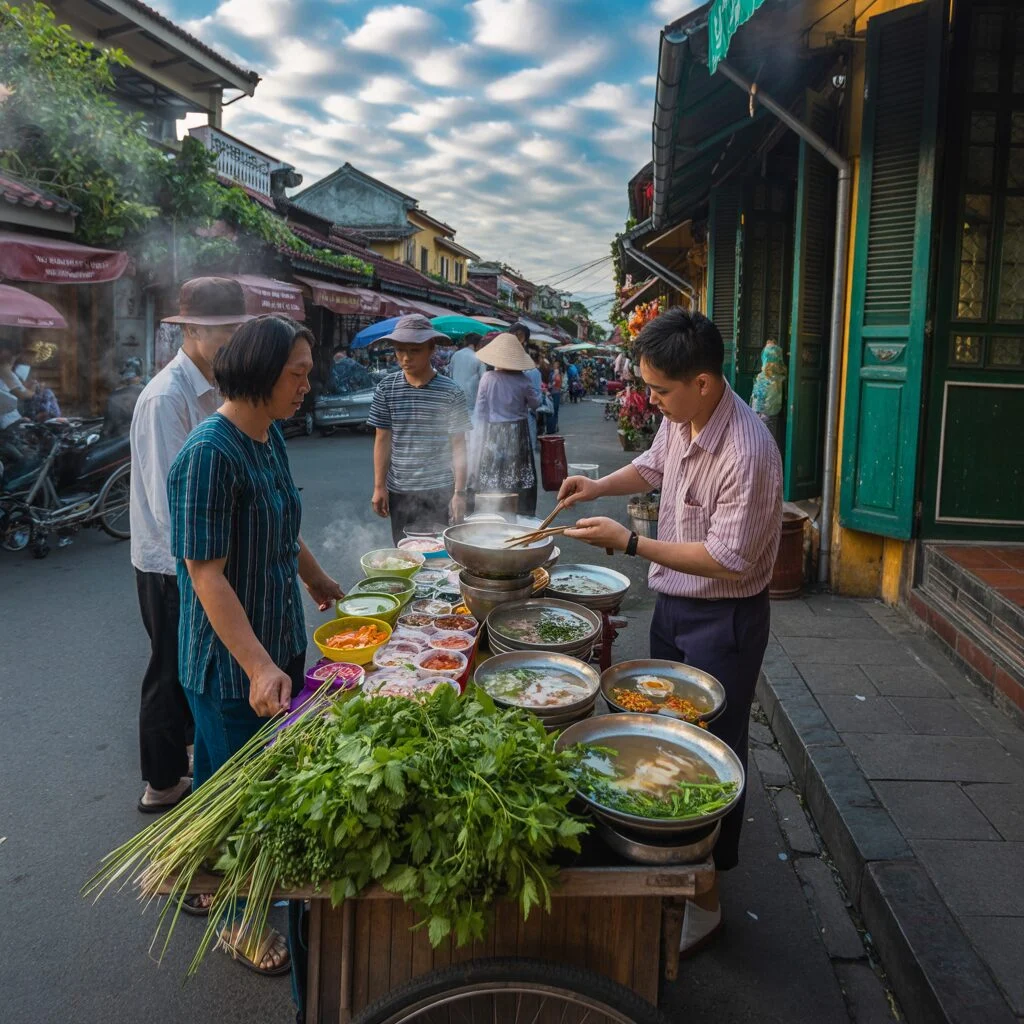
Hanoi’s street food scene centers on the Old Quarter. Try egg coffee at Café Giang, salted iced lattes, and traditional baguettes at Bánh Mì 25.
Neighborhood Vibe: Old Quarter vs. West Lake
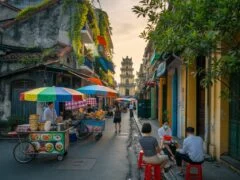
The Old Quarter is buzzing and touristy, dense with street food stalls. West Lake offers a quieter alternative for travelers seeking calmer accommodation.
Estimated Daily Budget & Day Trips
| Tier | Estimated Daily Budget (USD) | Includes |
|---|---|---|
| Budget | $25-$40 | Hostel, street food, walking |
| Mid-range | $50-$90 | Boutique hotel, cafés, day-trip transport |
| Luxury | $120+ | 4-star hotel, guided tours, fine dining |
Best time to visit Hanoi: spring (February to April) and autumn (October-November), avoiding surprisingly cold winter months.
Ho Chi Minh City: The Economic Powerhouse of the South
Ho Chi Minh City, the southern economic powerhouse, combines French colonial landmarks with District 1 nightlife and rooftop bars for first-time visitors.
Historical Landmarks & French Colonial Vibe
Also known as Saigon, this is the biggest city in the country, not the capital. Vietnam’s best cities showcase varied heritage, and Saigon’s French colonial architecture anchors its identity. The War Remnants Museum provides critical historical context for US travelers. Plan a stay of 2 to 3 nights to cover major landmarks.
District Zoning: Where to Stay (D1, D3, D7)
Vietnam’s best cities demand careful district selection. District 1 is the heart and most touristy area. District 3 offers a quieter neighbor feel within the city center. District 7 provides calm ambiance with a budding expat community, farther from the hustle.
Street Food, Nightlife & Rooftop Bars
Saigon’s food scene thrives in District 1 alleys. Temperatures range from 21°C to 34°C, making rooftop bars appealing year-round. The best time to visit is December to March during the drier months.
Estimated Daily Budget
| Tier | Focus |
|---|---|
| Budget | Street food, District 3 guesthouses |
| Mid-range | District 1 hotels, mixed dining |
| Luxury | District 1 rooftop venues, fine dining |
Hue: The Former Imperial Capital
Hue, Vietnam’s former imperial capital, showcases royal architecture through its massive Imperial Citadel, royal tombs, and Perfume River excursions. Among Vietnam’s best cities, Hue anchors historical tourism by preserving the Nguyen Dynasty legacy through concentrated museum density and monumental gateways.
Imperial Citadel: Visitor Guide & Historical Highlights
The Imperial Citadel dominates central Hue as the primary architectural draw for culturally engaged travelers. Key landmarks include:
- Imperial Citadel, the walled palace complex serving as the political center of the Nguyen Dynasty
- Royal Tombs, scattered along the Perfume River outskirts, each reflecting distinct emperors’ design preferences
- Perfume River, the waterway connecting major historical sites and enabling scenic boat excursions between landmarks
Royal Cuisine & Riverside Dining
Hue’s culinary tradition stems directly from imperial kitchen standards, producing intricate dishes that differentiate the city from other Vietnamese metropolitan areas. Riverside restaurants along the Perfume River serve regional specialties shaped by centuries of royal banquet refinement.
Estimated Daily Budget
Hue remains the most budget-efficient entry among Vietnam’s best cities for heritage-focused travelers. Accommodation near the Citadel costs less than equivalent lodging in Hanoi or Ho Chi Minh City. Street food pricing stays low, and most landmark entry fees are modest compared to UNESCO sites in neighboring Da Nang and Hoi An.
Da Nang: The Modern Coastal Metropolis
Da Nang, a modern coastal metropolis, offers My Khe Beach access, the fire-breathing Dragon Bridge, and the quiet Khue My neighborhood. Nicknamed the City of Bridges, Da Nang ranks as Vietnam’s third largest city and anchors the central coast with modern infrastructure. Da Nang Airport (DAD) sits directly in the city center, eliminating lengthy transfer times. Vietnam’s best cities consistently balance urban density with coastal access, and Da Nang exemplifies this through its Han River corridor and nearby Marble Mountains.
Beach Access, Dragon Bridge & Han River
The Dragon Bridge stages a fire-breathing show every Saturday and Sunday at 9 pm, drawing crowds along the Han River promenade. The Marble Mountains sit a 30-minute drive from Da Nang; plan 5 to 6 hours for a full visit, arriving early morning to avoid heat and tour buses.
Neighborhood Zoning: An Thuong vs. Khue My
Among Vietnam’s best cities, Da Nang offers sharply distinct accommodation zones. An Thuong functions as the foreigner area with active nightlife, while Khue My delivers a quiet, local atmosphere ideal for travelers seeking calm.
Estimated Daily Budget
| Tier | Estimated Daily Cost (USD) |
|---|---|
| Budget | $25-$40 |
| Mid-Range | $50-$80 |
| Luxury | $120-$200 |
Hoi An: The Ancient Trading Port
Hoi An, an ancient trading port, features a UNESCO-listed old town famous for lantern festivals, custom tailoring, and riverside dining.

What Makes Hoi An Unique: Lantern Festivals & Tailoring
Known as The Yellow City, Hoi An anchors Vietnam’s best cities with its UNESCO-listed Ancient Town and lantern-lit streets. The optimal visit window runs February to April for low rainfall and comfortable temperatures. Plan 3 to 5 nights to explore An Bang beach and the historic core. Da Nang International Airport serves as the nearest arrival point.
The tailoring process follows four clear steps:
- Choose your fabric from local shops
- Get measured by the tailor
- Attend a fitting session for adjustments
- Pick up the finished garment
Food Scene & Riverside Dining
Riverside dining along the Thu Bon River complements Hoi An’s street food stalls, where regional specialties reflect the town’s trading-port heritage and multicultural culinary influences.
Estimated Daily Budget
Among Vietnam’s best cities, Hoi An delivers strong value across budget, mid-range, and luxury tiers, with daily costs covering meals, accommodation near the Ancient Town, and old-quarter activities.
Best Time to Visit Vietnam’s Cities: Regional Weather Patterns in 2026
Vietnam’s best cities feature three distinct climates in 2026, making spring (March-April) optimal for avoiding central typhoons and northern cold. Vietnam’s best cities span a narrow latitudinal range, yet the northern, central, and southern zones diverge sharply in rainfall and temperature windows.
| Region | Key City | Optimal Window | Climate Notes |
|---|---|---|---|
| North | Hanoi | Spring (February to April), Autumn (October to November) | Avoids surprisingly cold winter months |
| North (Coastal) | Ha Long Bay | October to December | Fall season offers clearest skies |
| Center | Hoi An, Da Nang, Hue | February to April | Low rainfall; avoid monsoon/typhoon season |
| South | Ho Chi Minh City | December to March | Drier months; temperatures range 21°C to 34°C |
US travelers should avoid the central coast during the monsoon/typhoon season, when heavy rainfall and potential flooding can disrupt travel in Hoi An and Hue.
Traveling Between Vietnamese Cities: Transport Options & Costs
Navigating Vietnam’s best cities requires domestic flights for long routes like Hanoi to HCMC, while the Reunification Express train offers scenic coastal travel between central destinations.
Vietnam’s best cities connect through three primary transport modes, each suited to different route lengths. Domestic flights cover long-haul corridors efficiently. The Reunification Express train links coastal hubs with scenic overwater views. Buses provide lower-cost alternatives for shorter intercity segments.
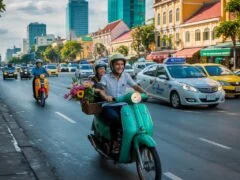
Within urban centers, the Grab app delivers standardized, scam-free ride-hailing across all major destinations. Travelers arriving at Noi Bai International Airport (HAN) in Hanoi should expect a 30-40 minute taxi ride to the city center. By contrast, Da Nang Airport (DAD) sits directly in the city center, eliminating lengthy transfers. Hoi An visitors fly into Da Nang International Airport, the nearest aviation hub.
| Transport Mode | Best Route Type | Comfort Level | Key Consideration |
|---|---|---|---|
| Domestic Flight | Long-haul (Hanoi to HCMC) | High | Fastest option for north-south travel |
| Train (Reunification Express) | Coastal (Hue to Da Nang) | Medium | Scenic coastal views along the route |
| Bus | Short intercity segments | Variable | Lowest cost, less predictable timing |
| Grab (intra-city) | Within city limits | High | App-based, fixed scam-free pricing |
Practical Logistics & Entry Requirements for US Travelers
US travelers planning a tour of Vietnam’s best cities need a 90-day multiple-entry e-visa, Type A/C/D power adapters, and bottled water. Prepare these documents and supplies before departure to avoid entry delays.
E-Visa Process & Entry Rules
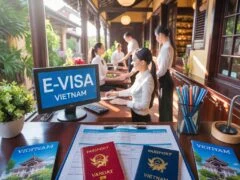
- Apply for the e-visa through the Vietnamese government immigration portal at least ten days in advance of your travel date.
- Upload a passport-style photo and a scan of your passport data page.
- Pay the processing fee and receive the e-visa approval letter by email, which grants multiple entries over a 90-day validity period.
Power Plugs, Voltage & Tap Water Safety
Vietnam’s best cities use Type A, C, and D power plugs at 220V voltage, so US travelers need a compatible adapter for standard 110V devices. Tap water is not safe to drink; rely on sealed bottled water throughout your stay.
Tipping Culture & eSIM Costs
Tipping is not expected but appreciated for good service across restaurants and hotels. For connectivity, an eSIM activated before arrival offers faster setup than a physical SIM purchased at airport kiosks.
Suggested 14-Day Itinerary: Hanoi, Hue, Da Nang, Hoi An, Saigon
A 14-day itinerary connecting Vietnam’s best cities balances Hanoi’s culture, Hue’s history, Da Nang’s beaches, Hoi An’s charm, and Saigon’s energy.
- Days 1-4: Hanoi & Ha Long Bay. Spend 2 days exploring the Old Quarter and egg coffee culture, then take an overnight cruise to Cat Ba Bay and Lan Ha Bay, avoiding main bay crowds at this UNESCO World Heritage site.
- Days 5-6: Hue. Tour the Imperial Citadel and Royal Tombs along the Perfume River.
- Days 7-9: Da Nang. Fly into Da Nang Airport, located in the city center. Visit Marble Mountains (30-minute drive, 5 to 6 hours recommended) and catch the Dragon Bridge fire show on Saturday or Sunday at 9 pm.
- Days 10-12: Hoi An. Transfer to Hoi An Ancient Town for lantern-lit streets, custom tailoring, and An Bang beach. Recommended stay: 3 to 5 nights.
- Days 13-14: Ho Chi Minh City. Base yourself in District 1 for 2 to 3 nights of street food and French colonial architecture.
Throughout Vietnam’s best cities, avoid unmetered taxis and watch for pickpockets in crowded markets.
Frequently Asked Questions (FAQ)
What are the best cities in Vietnam for first-time visitors?
First-time visitors should prioritize Hanoi, Ho Chi Minh City, Hue, Da Nang, and Hoi An. This 14-day itinerary sequence balances Hanoi’s culture, Hue’s history, Da Nang’s beaches, Hoi An’s charm, and Saigon’s energy, covering the core historical and coastal experiences.
Is $100 USD a lot in Vietnam for a daily budget?
Yes, $100 USD provides substantial purchasing power for mid-range daily expenses. It comfortably covers quality accommodation, street food tours, local transit via the Grab app, and attraction fees across Vietnam’s best cities, aligning with mid-range budget expectations.
How many days do I need in Hanoi vs. Ho Chi Minh City?
Plan 4 days in Hanoi, including 2 days exploring the city itself and 2 days for day trips to Ninh Binh and Ha Long Bay. For Ho Chi Minh City, allocate 2 to 3 nights to experience District 1 nightlife and historical landmarks.
What is the best way to travel between cities in Vietnam?
Use domestic flights for long routes like Hanoi to Ho Chi Minh City to save time. For shorter coastal segments, the Reunification Express train offers scenic travel between central cities like Hue, Da Nang, and Hoi An.
Do US citizens need a visa for Vietnam in 2026?
Yes, US citizens need a visa. Vietnam offers a 90-day multiple-entry e-visa suitable for tourists. Ensure your passport is valid and prepare to apply well before your departure date to secure entry clearance.
Is it safe to drink tap water in Vietnamese cities?
No, tap water is not safe to drink in Vietnamese cities. Travelers must consume bottled water only. This precaution applies across all destinations, including Hanoi, Ho Chi Minh City, Da Nang, Hue, and Hoi An.
What is the best time of year to visit Hoi An and Da Nang?
The best time to visit Hoi An is from February to April, featuring low rainfall and comfortable temperatures. Da Nang shares this central coastal climate, making spring an optimal window to avoid monsoon and typhoon season.
Are Grab taxis available in all major Vietnamese cities?
Yes, the Grab app is available and recommended for safe, scam-free transit in all major Vietnamese cities. It provides transparent pricing and eliminates the need to negotiate with unmetered taxis, ensuring reliable urban transportation.
What power plug type does Vietnam use?
Vietnam uses power plug types A, C, and D with a standard voltage of 220V. US travelers should pack appropriate adapters for their electronic devices to ensure compatibility with local outlets across all urban destinations.
How far in advance should I apply for a Vietnam e-visa?
Apply for your Vietnam e-visa at least ten days in advance of your travel date. This processing lead time ensures you receive the 90-day multiple-entry approval before your departure from the US.