


The best time to visit Vietnam beaches in 2026 is between November and April for the southern coast and February to August for the central coast. Northern beaches offer warm swimming from May to October, though heavy rains peak in July and August; for calmer conditions, target April to June or September to November. Avoid central beaches during the October to November typhoon season.
Vietnam Beach Weather by Region in 2026
Vietnam’s 1,600-kilometer coastline spans three climate zones, making regional weather comparisons essential to find the best time to visit Vietnam beaches in 2026. The south dries from December to April, the center from February to August, and northern coasts favor summer months. Per, the nation’s official tourism portal, weather patterns range from tropical to temperate, meaning a countrywide forecast is unreliable for beach planning.

| Region | Dry Season | Rainy Season | Rainy Season Characteristics | Key Beach Destinations |
|---|---|---|---|---|
| North | Oct-Apr (cool, misty) | May-Aug (heavy Jul-Aug) | Hot, humid, stormy; cruise cancellations common | Halong Bay, Lan Ha Bay |
| Central | Feb-Aug (hot, sunny) | Sep-Jan (typhoons Oct-Nov) | Heavy rains, hurricane-like winds, flooding risk | Da Nang, Hoi An, Nha Trang |
| South | Dec-Apr (25-35°C) | May-Nov (peak Jul-Sep) | Short intense afternoon showers, increased humidity | Phu Quoc, Mui Ne, Con Dao |
North Vietnam Coastlines (Halong Bay & Lan Ha Bay)
Halong Bay’s best window runs April to June or September to November, with clear skies and calm cruising conditions. Summer storms (June-August) routinely cancel cruises, while winter brings mist and frigid temperatures in January. The best time to visit Vietnam beaches in 2026 for northern coasts requires balancing warmth against rain risk.
Central Vietnam Beaches (Da Nang, Hoi An, Nha Trang)
Central Vietnam enjoys a long dry stretch from February to August, with Da Nang and Hoi An offering hot, sunny weather. Nha Trang boasts over 300 days of sunshine annually and the shortest rainy season in the country. Avoid October and November, when typhoons and flooding strike hardest.
South Vietnam Beaches (Phu Quoc, Mui Ne, Con Dao)
Phu Quoc delivers a sublime tropical escape from December to April, with warm temperatures (25-35°C year-round) and low rainfall. Storms roll through from July to September, making ferry travel dangerous and beaches less than ideal.
Month-by-Month Weather & Seasonality Guide for 2026
The best time to visit Vietnam beaches in 2026 splits by latitude: southern coasts shine from November to April, central beaches from February to August, and northern shores from May to October. Understanding inter-monsoonal transition periods helps travelers avoid flood-prone months.
| Period | Season | Beach Crowd Levels |
|---|---|---|
| Nov-Apr | Dry / Peak | High; My Khe and An Bang busiest Dec-Feb |
| May & Oct | Shoulder | Moderate; Long Beach (Phu Quoc) thins out |
| Jun-Sep | Monsoon / Low | Low except Jun-Jul domestic surge at Da Nang & Nha Trang |
Dry Season (November-April): Peak Travel Windows
The best time to visit Vietnam beaches in 2026 aligns with the November-April dry season, when skies clear across Phu Quoc and the southern coast. Tet falls on February 17, 2026, driving a two-week spike in domestic travel that crowds My Khe and An Bang. Book flights and accommodation at least three months ahead or shift dates to late March.
Monsoon & Rainy Season (May-October): What to Expect
June and July bring heavy rains to the north and south, yet domestic tourism peaks as Vietnamese school holidays push local families onto Da Nang and Nha Trang sands. Central beaches stay dry through August before typhoon risk arrives in September. The best time to visit Vietnam beaches in 2026 for budget travelers falls within this low-season window.
Shoulder Season Travel Windows for Fewer Crowds
May and October serve as shoulder months, where rates drop 15-30% below peak season and Long Beach crowds moderate. Budget travelers can capture price drops of 30-40% in May and September. Weather features sporadic sunshine and brief rain that rarely disrupts travel.
Sea Temperatures, Water Conditions & Surfing
Sea temperatures across Vietnam beaches range from 24°C (75°F) in January to 30°C (86°F) in July, ensuring warm swimming conditions with variable diving visibility. The best time to visit Vietnam beaches in 2026 for calm seas centers on November to March for Phu Quoc and February to May for Central Vietnam.
| Region | Coldest Sea Temp | Warmest Sea Temp | Best Sea Conditions |
|---|---|---|---|
| North (Halong Bay) | ~24°C (Jan) | ~30°C (Jul) | Apr-Jun, Sep-Nov |
| Central (Da Nang, Nha Trang) | ~24°C (Jan) | ~30°C (Jul) | Feb-May, Jul-Aug |
| South (Phu Quoc) | ~26°C (Jan) | ~30°C (Jul) | Nov-Mar |
Underwater Visibility & Diving Conditions
Nha Trang offers more than 300 days of sunshine per year, the most in the country, supporting reliable diving visibility from January to August. The best time to visit Vietnam beaches in 2026 for underwater clarity aligns with Nha Trang’s dry months, when seas are calm and skies are clear. Phu Quoc delivers good visibility from November to March.
Marine Life Safety: Jellyfish & Stingers
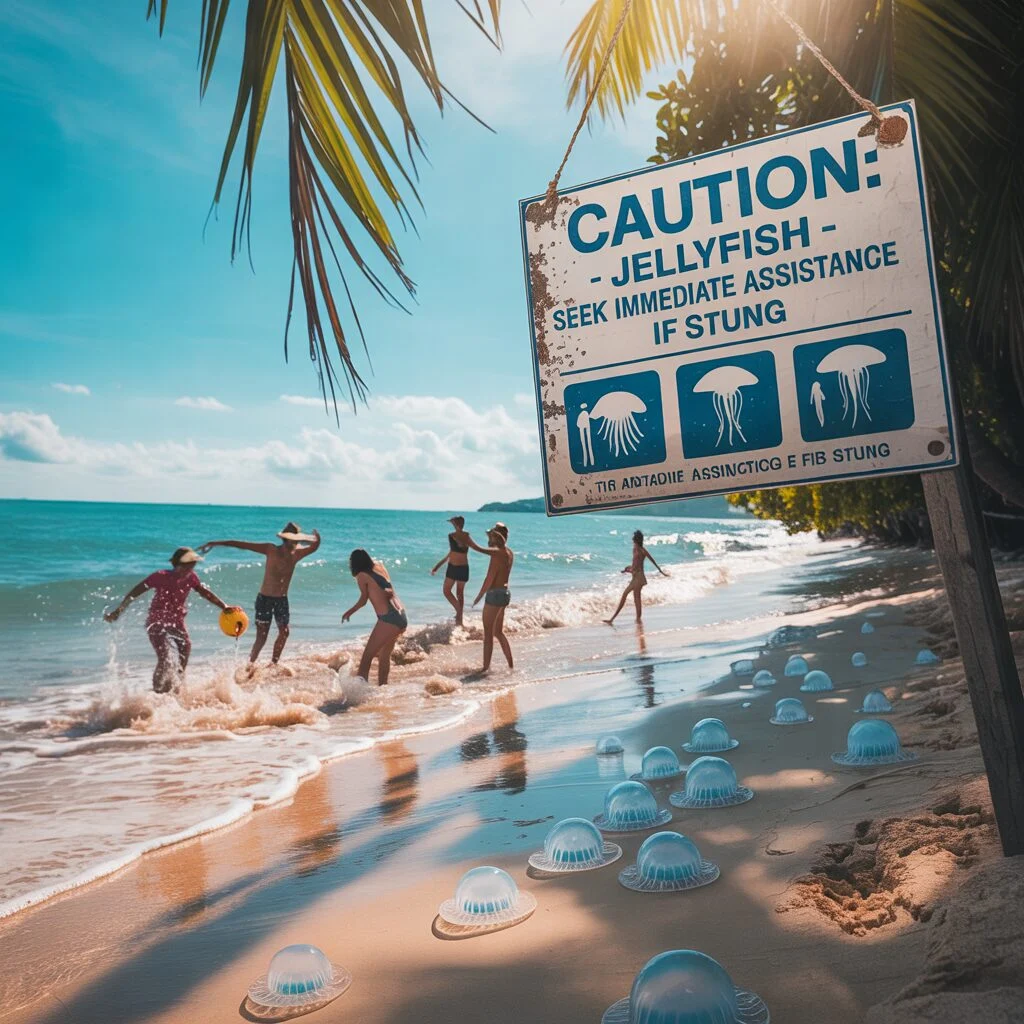
While comprehensive historical data on jellyfish seasonality is limited, local beach authorities advise checking daily advisories for marine stinger reports before swimming. Travelers should consult on-site postings at popular beaches like My Khe and Long Beach for real-time marine safety updates.
Surfing & Wind Patterns by Season
Da Nang and Hoi An deliver their best beach weather in July and August, with sunny days and calmer seas from May to June. Mui Ne benefits from the southern dry season (December to April) with consistent wind conditions for kitesurfing. During the August to November typhoon season, central coast ferries may be cancelled and rough seas warnings apply. Surfers should check local surf reports for real-time wave conditions.
Typhoon Season & Worst Months to Avoid in 2026
October and November are the worst months to visit Vietnam beaches in 2026 due to high typhoon risks on the central coast and frequent ferry cancellations. The best time to visit Vietnam beaches in 2026 avoids the central coast’s typhoon season, which runs from August to November with peak risk in October and November.
Central Vietnam experiences heavy rains and hurricane-like winds during this window. Hue faces occasional flooding from September to November, while Hoi An sees significant flooding around late October. The central coast as a whole should be avoided from October to December due to rough seas and typhoon activity. For southern islands, Phu Quoc’s rainy season runs from July through September, making ferry crossings dangerous.
Travel insurance tip: Comprehensive travel insurance with weather disruption coverage is strongly recommended for shoulder and monsoon season trips, especially when island-hopping to Phu Quoc or Con Dao.
Ferry & Cruise Cancellation Risks for Phu Quoc and Con Dao
During the wet season, ferries serving central Vietnam’s coastal routes may be cancelled entirely. For Phu Quoc, the July to September storm window brings the highest ferry cancellation risk. Halong Bay cruises face similar disruptions from June to August storms. Travelers should build flexible rebooking buffers into itineraries and monitor local port closure announcements before departing.
Shoulder Season Perks & Budget Travel Windows
May and September offer shoulder season travel to Vietnam beaches in 2026, featuring 30-40% price drops and moderate tourist crowd levels. The best time to visit Vietnam beaches in 2026 for budget-conscious travelers is May or October, when rates drop 15-30% below peak season and mixed weather rarely disrupts travel.
Budget travelers can maximize value in May, June, and September, when prices fall 30-40%. For US visitors, $1,000 is enough for two weeks in Vietnam during these off-peak months, when accommodation and transportation costs are significantly lower than during the February-April peak window.
The best time to visit Vietnam beaches in 2026 also overlaps with the summer fruit harvest (May-August), offering blooming landscapes and moderate crowds.
Practical Tips: Local Holidays & Sun Exposure for 2026 Beach Travel
Tet 2026 falls on February 17, 2026, causing a two-week spike in accommodation prices and crowded transportation that beach travelers should avoid or book early. The best time to visit Vietnam beaches in 2026 must account for local festivals and UV intensity, which peaks from March to September.

Tet & Local Festivals Impact on Beach Travel
Tet (Lunar New Year) drives travel demand spikes, temporary business closures, and hotel price increases for about two weeks around February 17, 2026. Other 2026 festivals affecting beach crowds: Hue Festival (April), Hue Culinary Capital 2026 Festival (Sep 1-30), Hanoi Autumn Festival 2026 (Sep 1-30), Central Highlands Gong Culture Festival (Oct 1-31), and Mid-Autumn Festival (September), best experienced in Hoi An. Hoi An’s Lantern Festival runs monthly on full moon dates.
UV Index & Packing for Vietnamese Beaches
Dry-season travelers should pack sun protection, while summer visitors need rain gear. Southern Vietnam temperatures from March to May can be unbearable for some, so the best time to visit Vietnam beaches in 2026 for sunbathing leans toward December-February in the south, when conditions are fresher and UV exposure is slightly lower.
Planning Your 2026 Vietnam Beach Itinerary
Align travel dates with region-specific calm-water windows: Phu Quoc (Dec-Apr), Da Nang (Feb-Aug), and Nha Trang (Jan-Aug). The best time to visit Vietnam beaches in 2026 splits by latitude, so choosing your region by optimal month is the first critical step.
- Choose your region by optimal month. Phu Quoc shines from December to April, Da Nang and Hoi An from February to August, and Nha Trang delivers 300+ sunny days between January and August.
- Check sea temperatures and diving visibility. Sea surface temperatures range from 24°C (75°F) in January to 30°C (86°F) in July. Nha Trang offers the country’s shortest rainy season, making it the most reliable for underwater visibility.
- Pack for high UV index and monsoon transitions. Dry-season travelers need sun protection; shoulder-season visitors (May and October) should carry rain gear, as inter-monsoonal shifts bring sporadic downpours that rarely last more than a few hours.
Follow these steps to lock in calm seas, dry skies, and lower rates.
FAQ: Seasons, Monsoon & Typhoons
Understanding seasonal weather patterns is essential to finding the best time to visit Vietnam beaches in 2026.
What is the best time to visit Vietnam beaches in 2026 for dry weather?
Southern beaches like Phu Quoc are dry from December to April. Central Vietnam beaches experience dry season from February to August. Northern coasts are best from May to October, though heavy rains peak in July and August.
When does the monsoon season hit southern Vietnam beaches like Phu Quoc?
The monsoon season hits Phu Quoc from July through September, bringing storms that make ferry travel dangerous. The rest of the year offers hot, dry conditions, with December and January providing a sublime tropical escape.
How do typhoons impact the central Vietnam coast in 2026?
Typhoons impact the central coast primarily from August to November, with peak risk in October and November. These storms bring heavy rains and hurricane-like winds, leading to flooding in Hue from September to November and ferry cancellations.
FAQ: Budget, Crowds & Timing
Budget optimization and crowd avoidance are key factors in planning the best time to visit Vietnam beaches in 2026.
Is $1000 enough for 2 weeks in Vietnam during the shoulder season?
Yes. During shoulder months of May and September, accommodation rates drop 30-40% below peak season, making $1,000 sufficient for two weeks. This period offers 5-star value for 3-star costs.
How does Tet in February 2026 affect beach travel?
Tet falls on February 17, 2026, causing a two-week spike in accommodation prices and crowded transportation. Businesses and family-run eateries may shut temporarily. Book flights and hotels early or avoid this period.
FAQ: Sea Conditions, Diving & Marine Life
Sea temperatures, diving visibility, and marine safety determine the best time to visit Vietnam beaches in 2026 for water activities.
When is the worst time to visit Da Nang and Hoi An beaches?
The worst time is October to December, when the central coast faces rough seas and high typhoon risks. Hoi An often floods in late October and November, making beach activities unsafe and ferry services prone to cancellation.
What is the sea temperature at Vietnam beaches in 2026?
Sea temperatures range from 24°C (75°F) in January to 30°C (86°F) in July. These warm conditions persist year-round, though underwater visibility varies by month and region.
When is the best underwater visibility for diving in Vietnam?
Nha Trang offers excellent visibility from January to August with 300+ sunny days annually. Phu Quoc delivers good conditions from November to March during its dry season.
Are there jellyfish or marine stingers at Vietnam beaches during the dry season?
While comprehensive jellyfish seasonality data is limited, local beach authorities advise checking daily advisories for marine stinger reports before swimming.
Which months offer the best surfing and wind conditions in Mui Ne?
Mui Ne benefits from the southern dry season (December to April) with consistent wind conditions for kitesurfing. For precise wave and wind data, consult local surf schools for seasonal forecasts.
Featured Snippet: The best time to visit Vietnam beaches in 2026 depends on the region. For Central Vietnam (Da Nang, Nha Trang), plan between January and August. Southern beaches (Phu Quoc) are ideal from November to April, while Northern coasts are best from May to October. Avoid the central typhoon season in October and November.