



The fastest way to how to get from hanoi to ho chi minh is a 2-hour 15-minute domestic flight costing $50-$150 one-way. Budget travelers can take the Reunification Express train (32-35 hours, $59-$100) or an overnight sleeper bus ($25-$45, approximately 36 hours).
Booking two or more weeks ahead secures the best fares across all transport modes. Four Reunification Express trains (SE1, SE3, SE5, SE7) cover the 1,726 km rail route daily, while carriers including Vietnam Airlines, Vietjet Air, and Vietravel Airlines operate flights departing every 20 minutes between Noi Bai International Airport (HAN) and Tan Son Nhat International Airport (SGN).
Verified platforms such as 12Go Asia and Baolau allow travelers to book train and sleeper bus tickets in USD with bunk selection. Official carrier and railway portals, including and, serve as external reference sources for schedule verification and direct booking.
Comparing Your Transport Options
Travelers between Hanoi and Ho Chi Minh City choose from flights, trains, sleeper buses, or private cars, each offering distinct time and cost trade-offs. Hanoi to Ho Chi Minh City transit routing empowers visitors to compare flight durations against train cabin classes using real-time price and schedule comparators before committing to a booking platform.
Flight vs. Train vs. Bus: Time and Cost
| Mode | Duration | Price Range (USD) | Key Advantage | Drawback |
|---|---|---|---|---|
| Domestic Flight | 2h 15m | $50-$150 | Fastest option; daily departures every 20 mins | Airport transfer time; baggage fees |
| Reunification Express Train | 32-35 hours | $59-$100 | Scenic route; en-route stops at Da Nang, Hue, Nha Trang | Longest overnight commitment |
| Sleeper Bus | ~36 hours | $25-$45 | Cheapest fare; open ticket flexibility | Limited legroom; road fatigue |
| Private Car (Highway 1) | ~21 hours | Not specified | Full schedule control | Requires IDP; 1,462.8 km of road risk |
Hanoi to Ho Chi Minh City transit routing streamlines multi-modal decisions by consolidating these variables into a single time-cost matrix. Travelers who calculate total travel duration, including airport transfers or station commutes, often find the flight premium negligible compared to 32+ hours aboard the Reunification Express.
Domestic Flights and Airport Logistics
Vietjet Air, Bamboo Airways, and Vietnam Airlines operate daily flights from Noi Bai International Airport (HAN) to Tan Son Nhat International Airport (SGN), departing every 20 minutes with advance fares from $50. The airborne duration is 2 hours 15 minutes non-stop. Hanoi to Ho Chi Minh City transit routing favors domestic flights as the default mode for time-sensitive travelers, with economy fares ranging $50-$150 USD one-way. Carriers include Jetstar, Vietnam Airlines, Vietjet Air, and Vietravel Airlines, bookable through and. Vietnam Airlines offers a Lotusmiles frequent flyer program with a 5% discount on base fare.
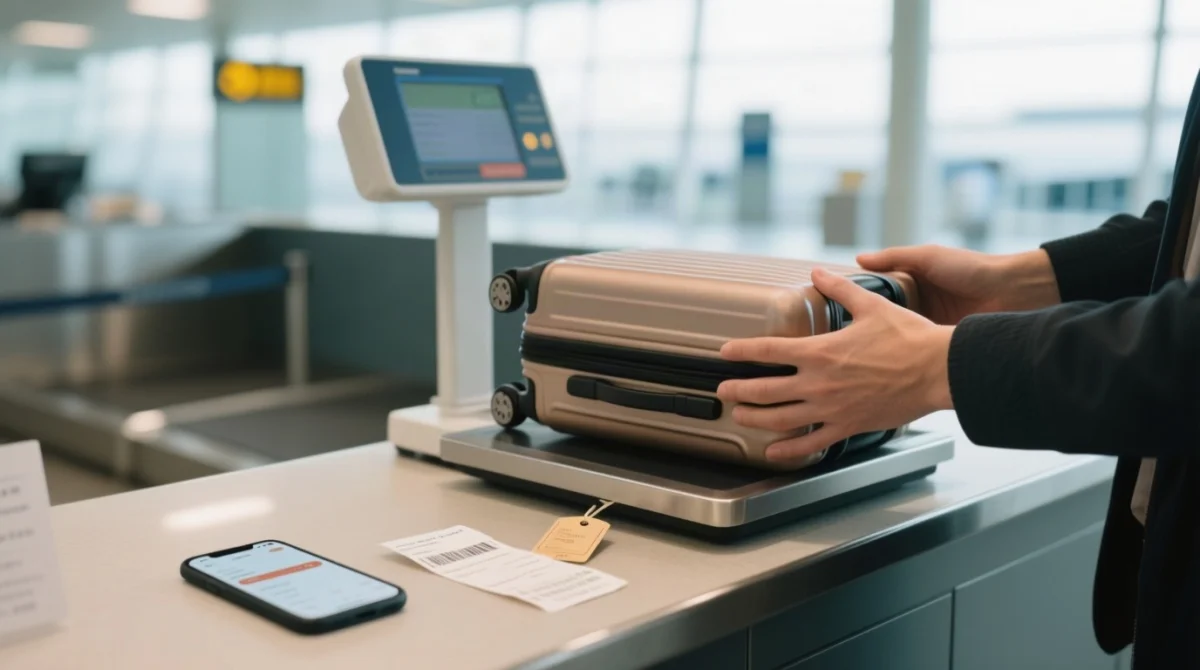
Budget Airline Baggage Policies
Cabin baggage is typically limited to 7 kg on low-cost carriers, with checked-weight tiers sold separately. Excess fees apply beyond purchased limits. Hanoi to Ho Chi Minh City transit routing requires passengers to verify luggage allowances through operator-approved digital channels before departure to prevent onboard friction.
Getting to and from the Airports
Noi Bai International Airport (HAN) serves Hanoi; Tan Son Nhat International Airport (SGN) serves Ho Chi Minh City. In Hanoi, Bus 86 connects the airport to the city center. Fixed-rate taxis and ride-hailing pickup zones operate at both airports, letting travelers arrange door-to-door transfers via Grab, Be, or Gojek networks upon arrival.
Navigating the Reunification Express
Hanoi to Ho Chi Minh City transit routing via the Reunification Express (trains SE1, SE3, SE5, SE7) covers 1,726 km in 32-35 hours, with soft sleeper berths in 4-bed cabins costing $97-$100 USD. South-bound trains depart from Hanoi Gate A at
120 Le Duan street, Hoan Kiem district, arriving at
1 Nguyen Thong, Ward 10, District 3, Ho Chi Minh City. Cabin tiers include Soft Seat, Hard Berth (6 beds), and Soft Berth (4 beds). SE1 departs 21:45 and arrives 06:30 (32h45m); SE3 departs 19:20 and arrives 05:30 (34h10m); SE5 departs 08:00 and arrives 18:20 (34h20m); SE7 departs 06:00 and arrives 17:00 (35h0m). Fares on SE1/SE3 run $61 (Soft Seat), $92 (Hard Berth), $100 (Soft Berth); SE5/SE7 fares are $59, $88, $97 respectively. Vietnam Railways publishes timetables at.
Food and Dining on the Reunification Express
Hanoi to Ho Chi Minh City transit routing includes a dining car on SE1, SE3, SE5, and SE7, serving rice plates and Vietnamese coffee. Instant noodles and Bánh Mì carts pass through 4-berth cabins at irregular intervals, so carrying snacks is advisable for the 32-35 hour journey.
Staying Safe on Overnight Journeys
Secure valuables inside the lockable compartments of Soft Berth (4-bed) cabins and keep your ticket QR code accessible for conductor checks. Ticket scam avoidance means booking only through verified platforms and confirming your berth number matches the Vietnam Railways confirmation before boarding.
How to Book Train and Bus Tickets
Verified platforms 12Go Asia and Baolau let travelers book Reunification Express tickets and sleeper bus seats in USD, with small service fees and specific bunk selection.
- Compare schedules and fares on 12Go Asia or Baolau, which aggregate Reunification Express trains (SE1, SE3, SE5, SE7) and sleeper bus routes in one interface.
- Verify ticket authenticity through operator confirmation emails and QR codes. Cross-check train details against Vietnam Railways and flight options against.
- Select your bunk during checkout. Soft sleeper fares range from $97 to $100 USD on SE1/SE3 and $59 to $97 USD on SE5/SE7.
- Complete payment in USD and save the QR-code voucher to present at departure.
Hanoi to Ho Chi Minh City transit routing consolidates rail and bus reservations into a single workflow, reducing fraud risk when travelers book through verified portals rather than unlicensed street agents.
Top Rated Sleeper Bus Operators
The SinhTourist, Futabus, and Mai Linh Express run overnight sleeper buses from Ha Noi Nuoc Ngam Bus Station to Bến xe Miền Đông in Ho Chi Minh City. Fares span $25 to $45 USD on an open ticket (hop-on hop-off) system, letting passengers pause at en-route stops. Hanoi to Ho Chi Minh City transit routing adapts to flexible itineraries through this modular ticket structure.
Urban Mobility, Ride-Hailing Apps & Motorbike Rentals
Hanoi to Ho Chi Minh City transit routing extends beyond intercity corridors into last-mile urban mobility, where Grab, Be, and Gojek provide intra-city rides and airport transfers in both cities, while renting a scooter costs $5-$10 daily and requires an International Driving Permit.

- Ride-hailing setup: Download Grab, Be, or Gojek, link a credit card or pay cash, and input pickup zones – fares fluctuate with surge pricing during peak hours at both Noi Bai International Airport (HAN) and Tan Son Nhat International Airport (SGN).
- Motorbike rental logistics: Scooter rentals cost $5-$10 per day, with passport deposits standard practice at local shops in both Hanoi and Ho Chi Minh City.
- Licensing: An International Driving Permit (IDP) is necessary for driving in Vietnam, accepted alongside the original driver’s license.
Driving and Long-Distance Road Travel
Hanoi to Ho Chi Minh City transit routing by road covers 1,462.8 km via National Highway 1 – the longest highway in Vietnam – with an estimated travel time of around 21 hours. Travelers should plan strategic stopover cities such as Da Nang, Hue, or Nha Trang to break the drive into manageable segments.
Planning Stopovers, Budget Tips & Connectivity
Breaking the journey at Da Nang, Hue, or Nha Trang adds scenic value, while booking flights 2-4 weeks ahead and securing a tourist SIM ensures smooth transit.
Hanoi to Ho Chi Minh City transit routing supports segmented itineraries through en-route stops including Da Nang, Hue, Nha Trang, and Ninh Binh. Travelers who split the 1,726 km rail corridor into multiple legs can book individual train segments through verified platforms, turning a single 32-35 hour journey into a multi-city exploration.
For budget optimization, book domestic flights 2-4 weeks ahead to secure fares within the $50-$150 range, and reserve Reunification Express tickets at least two days in advance. A Vietnam e-visa is a mandatory prerequisite before arranging any transport.
Staying Connected for Navigation
Hanoi to Ho Chi Minh City transit routing depends on digital tools for ride-hailing, ticket verification, and real-time schedule monitoring. Tourist SIM cards from Viettel and Vinaphone are available at airport kiosks upon arrival, enabling data access for Grab, Be, and Gojek apps. Without local connectivity, travelers risk surge-pricing blind spots and inability to present QR-code tickets at boarding.
FAQ: Hanoi to Ho Chi Minh City Transport Questions
Is there a high-speed train from Hanoi to Ho Chi Minh City?
No. In 2026, Vietnam’s railway infrastructure does not include a high-speed train on this corridor. The Reunification Express trains (SE1, SE3, SE5, SE7) operate the 1,726 km route in 32 to 35 hours using conventional rail. Travelers seeking speed should book a domestic flight instead, which takes 2 hours 15 minutes.
What is the cheapest way to get from Hanoi to Ho Chi Minh City?
The cheapest option is an overnight sleeper bus, with ticket prices ranging from $25 to $45 USD for the approximately 36-hour journey. Open-ticket hop-on hop-off buses depart from Ha Noi Nuoc Ngam Bus Station and arrive at Ben xe Mien Dong. The train starts at around $59 for a soft seat on SE5 or SE7.
How long does it take to fly from Hanoi to Ho Chi Minh City?
The non-stop flight time is 2 hours 15 minutes. Flights operate daily between Noi Bai International Airport (HAN) and Tan Son Nhat International Airport (SGN), with multiple departures every 20 minutes. Economy fares range from $50 to $150 USD one-way depending on booking advance, season, and airline.
Can I use Grab or Gojek at Noi Bai and Tan Son Nhat airports?
Yes. Grab, Be, and Gojek provide ride-hailing services at both Noi Bai International Airport (HAN) and Tan Son Nhat International Airport (SGN). Fares are subject to surge pricing during peak hours. Travelers should download the app, link a payment method, and proceed to designated ride-hailing pickup zones at each terminal.
Do I need an International Driving Permit (IDP) to rent a motorbike in Vietnam?
Yes. An International Driving Permit (IDP) is necessary for driving in Vietnam and must be presented alongside your original driver’s license. Scooter rentals cost $5 to $10 daily, and passport deposits are standard practice among rental shops. Driving the full Hanoi to Ho Chi Minh City route covers 1,462.8 km via National Highway 1.
What is the luggage allowance for domestic flights in Vietnam?
Cabin baggage is typically limited to 7 kg. The brief does not specify exact checked-luggage tiers for every carrier, so travelers should verify current limits directly on official airline websites such as or before booking. Excess baggage fees apply beyond the standard allowance.
Are overnight sleeper buses safe for solo travelers?
Overnight sleeper buses are generally used by budget travelers, with tickets priced at $25 to $45. The brief recommends securing valuables and avoiding ticket scams. Solo travelers should book through verified platforms like 12Go Asia, choose reputable operators such as The SinhTourist, Futabus, or Mai Linh Express, and keep valuables with them onboard.
How far in advance should I book the Reunification Express train?
Book domestic flights 2 to 4 weeks ahead for the best fares. For the Reunification Express train, reserve at least two days in advance. Verified platforms 12Go Asia and Baolau allow bunk selection in USD. Official schedules can be cross-checked on. Train fares range from $59 to $100 depending on class tier and train number.