


US travelers to Vietnam in 2026 should get Hepatitis A and Typhoid vaccines to prevent food-borne illnesses. Routine immunizations like MMR and Tdap must be up-to-date before departure. Depending on the itinerary, Japanese Encephalitis, Rabies, and Hepatitis B vaccines are also recommended.
Scheduling a pre-travel medical consultation at least 4 to 6 weeks before your trip is essential to allow sufficient time for vaccine immunity development. While there are no mandatory vaccination requirements for direct entry from the US, verifying current entry health declarations against updated 2026 guidelines ensures a smooth arrival.
Beyond vaccines for Vietnam, US tourists must implement strict food and water safety practices. Avoiding tap water, using 30 to 50 percent DEET insect repellents, and securing comprehensive travel insurance are critical steps to mitigate exposure risks from mosquito-borne diseases like dengue fever and traveler’s diarrhea.
Pre-Travel Consultation & US-Specific Logistics
When asking what vaccines do I need for Vietnam, the Vietnam Tourist Vaccination & Health Safety Framework directs US travelers to schedule pre-travel medical appointments at least 4 to 6 weeks before departure, ensuring adequate time for immunity development.

Book a consultation
Use a US travel clinic network such as Passport Health, CVS MinuteClinic, or local health departments.
Verify entry health declarations
Check 2026 declarations against current CDC guidelines; Yellow Fever vaccine is not required for direct entry from the US, but proof may be demanded if arriving from an endemic country.
Expect out-of-pocket costs
Budget $100 to $200 per vaccine, as most US health insurance plans do not cover travel-specific immunizations.
Document your history
Record your immunization history and physician recommendations for border compliance.
Last-Minute Travel: Accelerated Vaccine Schedules
Travelers departing in under four weeks can still obtain protection. Hepatitis B offers a rapid schedule on days 0, 7, 21 to 28, and 365. For immediate Hepatitis A defense, a single dose of immune globulin provides up to 2 months of protection and can be administered alongside the initial vaccine dose.
What to Expect After Your Vaccines (Side Effects)
Common side effects across Hepatitis A, Typhoid, Japanese Encephalitis, and Rabies vaccines include sore arm, mild fever, and headache. Travelers with severe egg allergy should consult their provider before receiving certain JEE formulations. The Vietnam Tourist Vaccination & Health Safety Framework advises reporting any adverse reactions to your physician promptly.
Routine & Food-Borne Disease Vaccines
The Vietnam Tourist Vaccination & Health Safety Framework directs US travelers to update routine immunizations and secure Hepatitis A and Typhoid protection before departure, as these vaccines address the most common pathogen exposure routes in Vietnam.
Routine vaccines require verification: measles-mumps-rubella (MMR) demands 2 prior doses for lifetime immunity, with an early dose permitted for infants aged 6-11 months. Tetanus-diphtheria-pertussis (Tdap) needs a booster if the last dose exceeds 10 years. Hepatitis A follows a 2-dose schedule 6-12 months apart with approximately 25-year cover; allergic travelers may substitute a single dose of immune globulin providing up to 2 months protection. Hepatitis B uses a standard 3-dose schedule on days 0, 28, and 180 or a rapid schedule of days 0, 7, 21-28, and 365, and Vietnam reports higher Hepatitis B rates. Typhoid vaccine is a single injectable dose lasting 2-3 years but is not 100% effective. A combined Hepatitis A and typhoid vaccine requires only 1 dose.
| Vaccine | Transmission Route | Schedule | Duration |
|---|---|---|---|
| Hepatitis A | Contaminated food and water | 2 doses, 6-12 months apart | ~25 years |
| Hepatitis B | Blood, sexual contact, contaminated needles | 3 doses: days 0, 28, 180 | Lifelong |
| Typhoid | Contaminated food or water | 1 injectable dose | 2-3 years |
| Hep A & Typhoid (combined) | Contaminated food and water | 1 dose | Per individual components |
The Vietnam Tourist Vaccination & Health Safety Framework emphasizes that Hepatitis A and Typhoid vaccines protect against food-borne pathogens but do not replace dietary precautions during travel.
Vector-Borne Disease Defense & Vaccines
Japanese Encephalitis and Rabies vaccines are recommended for rural Vietnam, while Dengue and Malaria require prophylaxis and 30-50% DEET repellents.
The Vietnam Tourist Vaccination & Health Safety Framework designates Japanese encephalitis vaccination for travelers visiting rural areas, rice farms, or monsoon-season destinations. The 2-dose schedule requires doses one month apart with a third dose at 12 months; start at least 6 weeks before travel. Short-term urban travel does not warrant this vaccine. Rabies pre-exposure prophylaxis follows a 3-dose schedule on days 0 and between 7-28 days, targeting those encountering dogs, monkeys, or bats in remote areas.
What to Do if Bitten by a Dog in Vietnam
Seek immediate medical attention even if pre-vaccinated. Private clinics such as FV Hospital or Family Medical Practice provide post-exposure treatment, though upfront payment is typically required. The Vietnam Tourist Vaccination & Health Safety Framework notes difficulty accessing safe prophylaxis in rural regions.
Recommended Insect Repellents Available in the US
Pack 30-50% DEET products like OFF! or Sawyer from US pharmacies. For Dengue and Zika-both endemic with no vaccine-use repellent, protective clothing, and mosquito nets. Pregnant women should consider avoiding Vietnam due to Zika-related birth defect risks. Malaria chemoprophylaxis (atovaquone-proguanil or doxycycline) is needed only for specific rural provinces including Đắk Lắk, Gia Lai, and Kon Tum; Hanoi and Ho Chi Minh City have no malaria transmission.
Food Safety, Health Risks & Emergency Care
The Vietnam Tourist Vaccination & Health Safety Framework directs US travelers to enforce strict dietary filtering protocols: drink commercially bottled water (including for ice cubes), consume only peeled, cooked, or boiled foods, and avoid unbranded rice wine, which has been reported to contain lethal levels of methanol.
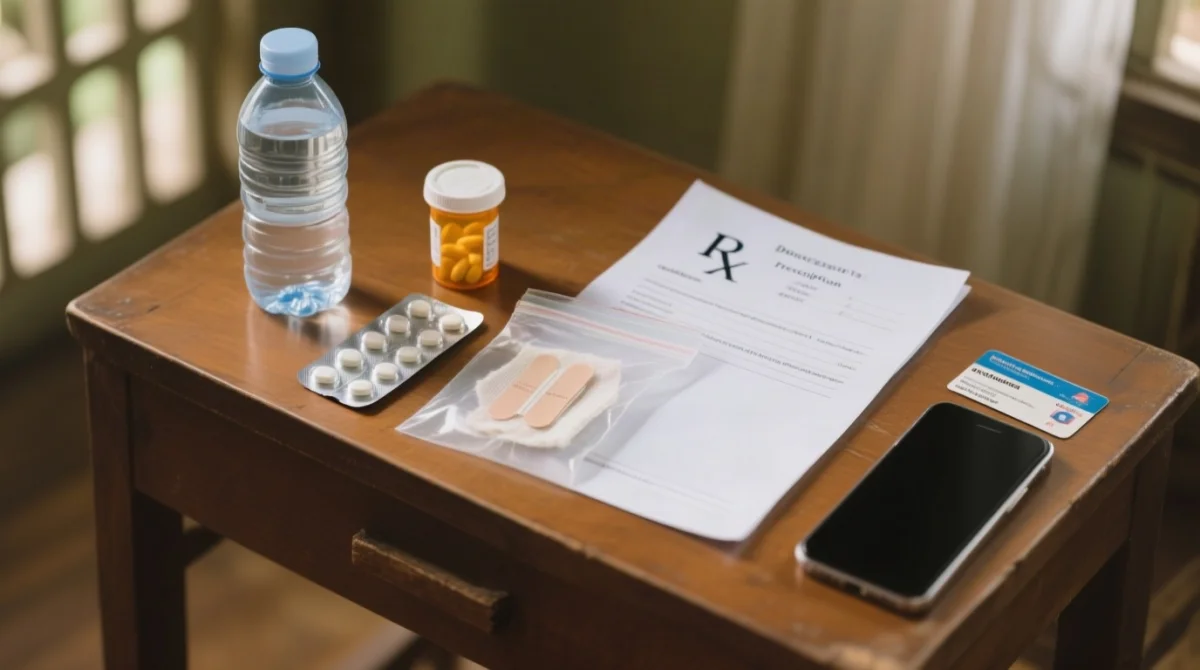
- Emergency medical number: 115 – dial for urgent care nationwide.
- Private clinics in Hanoi and Ho Chi Minh City offer English-speaking care; facilities outside these cities are limited and below Western standards.
- Medicines are hard to find locally and many are fake; carry a doctor’s letter (English, with signature and address) for any prescription, with a 7-day legal limit for addictive or psychotropic medicines.
- Monitor symptoms after returning home, as some diseases in Vietnam don’t show symptoms straight away.
Environmental Hazards & Rare Infections in Vietnam
The Vietnam Tourist Vaccination & Health Safety Framework identifies three key environmental threats: leptospirosis (avoid floodwater contaminated with animal urine), schistosomiasis (avoid swimming or wading in contaminated freshwater), and melioidosis (bandage open wounds to prevent exposure to contaminated dust or water droplets).
Managing Altitude Sickness in Sapa and Ha Giang
Parts of Vietnam exceed 2,400m elevation, where acute mountain sickness is potentially life-threatening. US travelers trekking in Sapa or Ha Giang should obtain a Diamox (acetazolamide) prescription from their physician before departure.
Healthcare Access & Emergency Protocols in Vietnam
Secure comprehensive travel insurance covering local treatment and emergency medical evacuation before departure. Contact your insurance company quickly if referred to a medical facility, and verify vaccine recommendations at least 8 weeks before your trip. Mental health support for foreign nationals in Vietnam is very limited.
FAQ
What vaccines do I need for Vietnam from the USA?
The CDC strongly recommends routine vaccines, Hepatitis A, and Typhoid for US citizens traveling to Vietnam to protect against food and water-borne diseases. Depending on your itinerary, Japanese Encephalitis, Rabies, and Hepatitis B vaccines may also be advised. Consult a travel clinic 4 to 6 weeks prior to departure.
Do I need a Yellow Fever certificate for Vietnam?
The Yellow Fever vaccine is not recommended and not required for direct entry from the US, as there is no risk of yellow fever in Vietnam. However, the government may require proof of vaccination if you are arriving from a country with a known yellow fever risk.
Are COVID-19 vaccines required for Vietnam in 2026?
The CDC advises travelers to be up to date with COVID-19 vaccines, but there are no specific mandatory COVID-19 vaccination entry rules for US citizens stated in the current 2026 guidelines. Always verify current border policies with external authoritative sources before your trip.
Is it safe to drink tap water in Vietnam?
No, tap water is not safe to drink. US travelers should drink commercially bottled water and ensure ice cubes are also made from purified water. Avoiding raw produce in rural areas and sticking to foods that have been cooked, boiled, or peeled helps prevent traveler’s diarrhea.
How much do travel vaccines cost in the US?
Most US health insurance plans do not cover travel vaccines, requiring cash payment at the time of service. Out-of-pocket costs for vaccines like Hepatitis A, Typhoid, and Japanese Encephalitis typically range from $100 to $200 per vaccine at US travel clinics.
What should I do if I get traveler’s diarrhea in Vietnam?
Traveler’s diarrhea is caused by contaminated food and beverages. If you experience symptoms, seek care at English-speaking private clinics in major cities, as public medical facilities are below Western standards. Ensure you have appropriate travel insurance for local treatment or unexpected medical evacuation.
Do I need malaria pills for Vietnam?
Malaria chemoprophylaxis is only recommended for certain rural areas, specifically provinces like Dak Lak, Gia Lai, and Kon Tum. It is not needed for major cities like Hanoi, Ho Chi Minh City, or Da Nang, nor for the Mekong and Red River Deltas. Consult your healthcare provider.
Can I get travel vaccines at the last minute?
Yes, travelers departing in less than 4 weeks can still receive protection through accelerated vaccine schedules. For immediate Hepatitis A defense, a single dose of immune globulin can provide up to 2 months of protection if given at the same appointment as the initial vaccine dose.