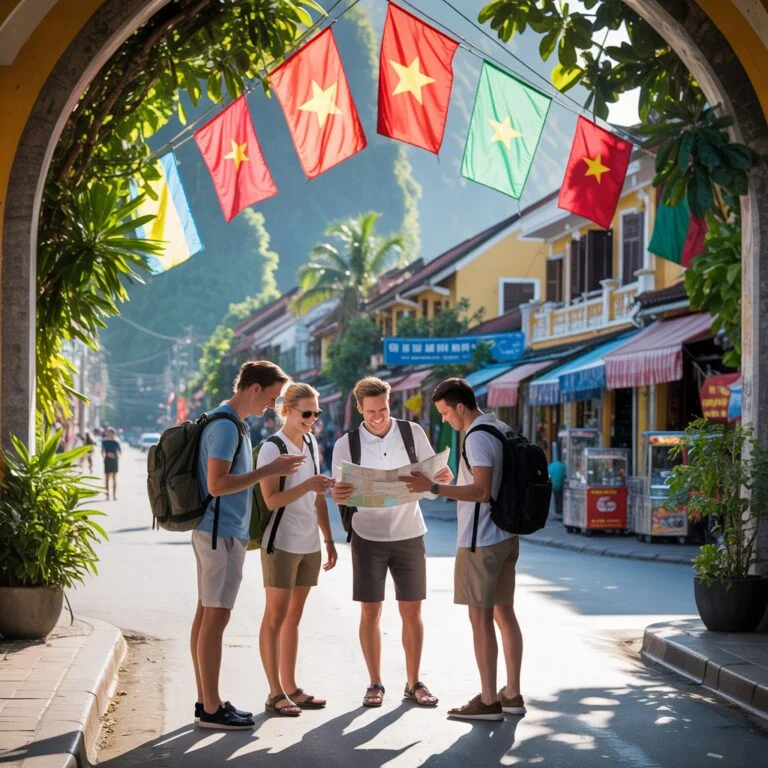


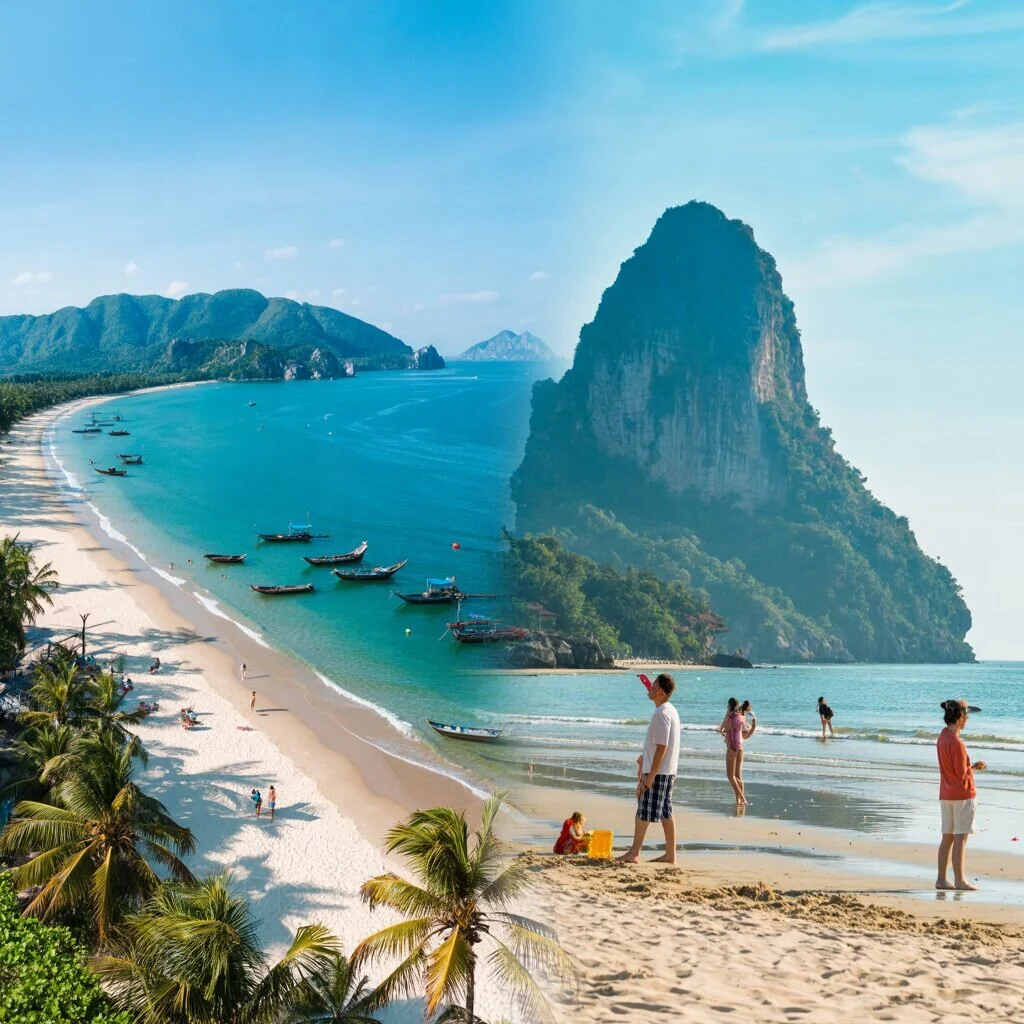
Thailand wins on water clarity, coral health, and island infrastructure, while Vietnam delivers comparable sand quality at 30-50% lower costs with far fewer crowds. For 2026, Vietnam suits budget-conscious and authenticity-seeking beachgoers; Thailand suits snorkelers and resort-focused travelers. Internally, Phu Quoc serves luxury travelers with developed resorts, clear turquoise bays, and an international airport. Da Nang serves families with My Khe Beach, possibly Vietnam’s most picturesque stretch, which is smooth, wide, flat, and great for swimming. Con Dao serves solitude seekers willing to pay $150-$200+ for flights and forgo any budget tier entirely.
Vietnam beaches offer better value, fewer crowds, and dramatic karst landscapes, while Thailand boasts clearer water, superior coral health, and more mature tourism infrastructure. For a 2026 trip, choose Vietnam for budget-friendly, authentic coastal experiences, and Thailand for polished resorts and world-class snorkeling. Internally, Phu Quoc suits luxury travelers, while Da Nang is ideal for families.
Beach Quality: Thailand vs Vietnam – The Core Verdict
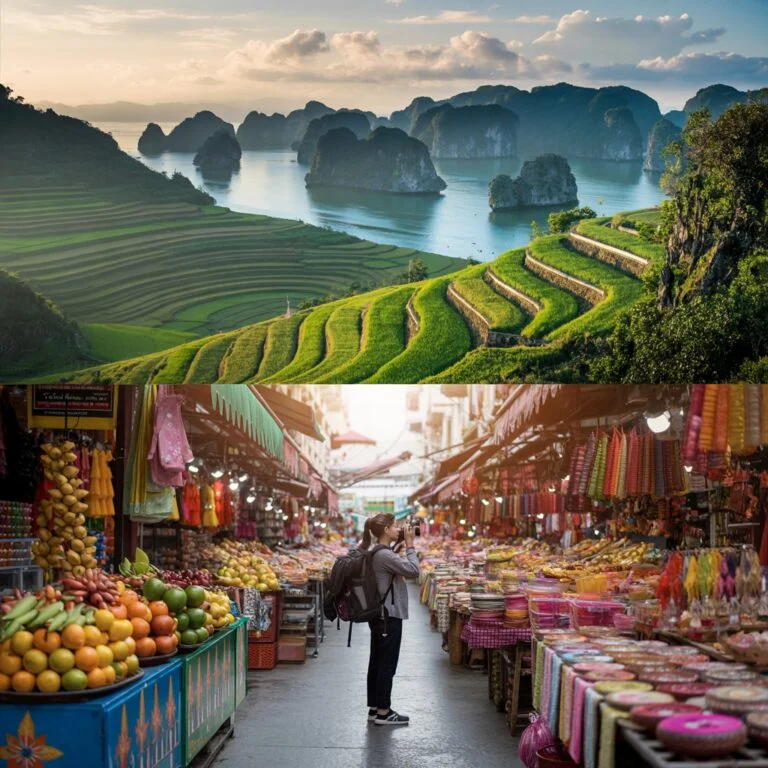
In the Vietnam vs Thailand beaches debate, Thailand’s islands offer clearer water and superior sand quality, but Vietnam’s mainland coastline delivers attractive, crowd-free beaches at a fraction of the cost. According to four of six analyzed sources (,,, ), Thailand wins on water clarity. Destinations like Koh Lipe, Koh Lanta, and Koh Phi Phi reach “next level” sand and water quality. Vietnam’s best stretches including My Khe, An Bang, Phu Quoc, and Con Dao remain attractive, far less crowded, and much cheaper, with lower tourist saturation than Phuket or Koh Samui. My Khe Beach in Da Nang ranks among the prettiest beaches in Vietnam and the world, with sugary sand framed by mountains. The Da Nang and Hoi An coastline forms one 35 km straight stretch from the Son Tra peninsula to near Hoi An. Vietnam has no real surf except a shorebreak, making it less suited for flat-water seekers. The Vietnam vs Thailand beaches quality gap is real but narrows significantly when comparing Vietnam’s top-tier stretches to Thai mid-range beaches.
Snorkeling & Diving: Coral Health and Visibility Compared
Vietnam’s diving falls below Thailand on coral health, snorkeling visibility, and biodiversity, unable to match the Similan Islands or Koh Tao. Thailand’s island ecosystem supports incredible underwater life, with the west coast calm and clear in cooler months, ideal for snorkeling and diving. In Vietnam, Ong Dung Beach in Con Dao offers good snorkeling within the national park, and Con Dao day trips reach private islands with colorful reef and clear waters. Phu Quoc snorkeling trips target Gam Ghi Island and May Rut Island.
Water Quality & Cleanliness by Beach
An Bang Beach offers cleaner conditions with beach clubs, while Cua Dai Beach suffers erosion per 2026 data and is less recommended. Hoi An water quality is better than Nha Trang but short of pristine. An Bang features calm waves, golden soft sand, and lounge chair rentals with walking vendors selling coconuts and fresh mangos. Less-crowded alternatives include Secret Beach and Cua Dai, a few minutes north.
Cost Breakdown: Vietnam Beaches vs Thailand Beaches in 2026
Vietnam beach destinations cost 30-50% less than Thai equivalents at budget and mid-range tiers, according to 2026 pricing data . In the Vietnam vs Thailand beaches cost comparison, Vietnam wins on food, accommodation, and transport between destinations, though trip-level totals narrow because activities and long-haul flights price out about the same in both countries. For a detailed breakdown, see our Vietnam beach vacation cost guide.
| Expense Category | Vietnam |
|---|---|
| Budget tier (daily) | $20-$45 |
| Mid-range tier (daily) | $50-$120 |
| Luxury tier (daily) | $150-$600+ |
| Street food meal (Hoi An) | $1-$5 |
| ATM fee per withdrawal | ~$2 (Thailand: ~$6) |
| Grab ride (in-city) | Under $1 |
| Seafood hotpot | $10 feeds four (Thailand: triple or more) |
| Beach chair (Sao Beach, Phu Quoc) | ~$2 |
| Beach club day pass (Hoi An) | $10-$20 |
| Train HCMC-Phan Thiet | ~$6 |
| Flight HCMC-Con Dao | $150-$200+ |
| Speedboat to Con Dao (Phu Quoc Express) | $28-$37 |
Thailand is slightly more expensive in accommodation, food, and internal transportation , with ATM fees at ~$6 and equivalent seafood meals costing triple. Hoi An offers free public beach access, bike rentals at $2-$5 daily, and An Bang Beach just 5 km (20-30 minutes by bike) from town. For US travelers weighing the Vietnam vs Thailand beaches budget question, these daily savings compound across a 7-14 day trip.
Beach Destinations Compared Side-by-Side
Da Nang’s regulated My Khe beach suits families, Nha Trang suits nightlife seekers, Phu Quoc suits luxury travelers, and Con Dao suits solitude seekers. In any Vietnam vs Thailand beaches comparison, Vietnam’s quieter shorelines contrast with Thailand’s “next level” destinations like Phuket, Koh Samui, Krabi, Koh Lanta, and Koh Lipe. Beyond the headline destinations, Quy Nhon emerges as a less touristed option, Lang Co offers a scenic bay between Hue and Da Nang, and Vung Tau serves as a local weekend destination with little international appeal. Nam Du Island, remote and almost untouched, features Bãi Cây Mến, considered by some the best beach in all of Vietnam, fringed with coconut trees and warm calm water perfect for swimming. These emerging options further differentiate the Vietnam vs Thailand beaches landscape for travelers seeking off-the-beaten-path shores.

Phu Quoc vs Con Dao: Which Island Suits You?
Choose Phu Quoc for luxury resorts and easy access via Phu Quoc International Airport. Daily budgets: $25-$50 budget, $60-$120 mid-range, $200-$600+ luxury. Sao Beach offers Vietnam’s whitest sand at ~$2 for a beach chair. Secluded swimming beaches include Cua Can, Dai, and Vung Bau; popular stretches include Starfish Beach and Long Beach. A cable car over the bay and snorkeling trips to Gam Ghi and May Rut Islands round out activities. Choose Con Dao for solitude and diving. A $150-$200+ one-hour flight from Ho Chi Minh City or a $28-$37 four-hour speedboat from Vung Tau (book in advance, sells out) grants access. No budget tier exists; daily costs start at $100-$400+. As the largest island in a scattered archipelago, archipelago access is limited. Shingle beaches with rocks and pebbles sit alongside sandy stretches. Dam Trau Beach sits near a local airport with propeller planes overhead. Other beaches include Nhat and An Hai. Both islands have limited restaurant scenes per Tripadvisor users.
Da Nang vs Nha Trang: City Beach Showdown
Da Nang: My Khe Beach (taxi ~15 min from city center, ~35 min from Hoi An). Budget $25-$45, mid-range $60-$120, luxury $150-$400+. Smooth, wide, flat, calm, great for swimming. Nha Trang: Budget $20-$40, mid-range $50-$100, luxury $150-$350+. Developed party scene, Russian tourism concentration, very crowded. Quieter alternatives: Doc Let, 50 km north, offers beautiful white sand; laid-back Mui Ne draws kite-surfing visitors at $15-$35 budget, $40-$80 mid-range, with very limited luxury options. Mui Ne features creamy white and orange sand dunes behind the beach.
Vietnam vs Bali, Philippines & Hawaii Beaches
Vietnam’s beach destinations undercut Bali, the Philippines, and Hawaii on cost by 50-70%, but Palawan’s limestone lagoons and Hawaii’s infrastructure maturity outperform Vietnam on water clarity and amenities. In any Vietnam vs Thailand beaches discussion, Vietnam’s $20-$45 budget tier remains its strongest differentiator against all regional rivals. The Vietnam vs Thailand beaches framework established above applies directly: Vietnam wins on value and crowds, while competitors win on water clarity and polish.
| Metric | Vietnam | Bali | Philippines | Hawaii |
|---|---|---|---|---|
| Sand type | White & golden; Sao Beach whitest | Volcanic grey to white sand | Boracay powdery white; Palawan coves | World-class white & gold |
| Water clarity | Below Thailand; short of pristine | Variable; surf-dominated | Palawan/El Nido lagoons – exceptional | Pristine, top-tier |
| Daily cost (budget) | $20-$45 | $30-$50 | $25-$45 | $200-$400+ |
| US flight time | ~18-24h | ~20h | ~18h | ~6-10h |
| Crowd index | Lower saturation than Phuket | High in Kuta/Seminyak | Moderate; Boracay crowded | Varies; Waikiki dense |
Vietnam vs Philippines Beaches
The Philippines’ Palawan and El Nido deliver world-class limestone lagoons and clearer water that Vietnam cannot match. Vietnam’s beaches win on cultural integration and mainland coastline variety, pairing beach days with Hoi An or Hue at roughly equal daily cost.
Vietnam vs Bali Beaches
Bali’s surf culture and developed beach club scene outshine Vietnam’s calmer shorebreak waters. Vietnam counters with fewer crowds, a $1-$5 street-food tier, and dramatic karst scenery Bali lacks.
Vietnam vs Hawaii Beaches
Hawaii delivers unmatched water clarity and infrastructure for US travelers at ~6-10h flight time. Vietnam offers comparable sand quality at 70%+ lower daily cost, making it the value leader in any Pacific comparison.
When to Go: Weather, Monsoons & Sea Temperature
Central Vietnam’s best beach window runs February through May; southern Vietnam shines November through April; avoid Central Vietnam September through December due to typhoon impact and flooding risk. Vietnam’s beach destinations span over 1,600 km north to south, creating more regional variation than Thailand. Best months for most of Vietnam: March and April. North Vietnam offers an additional good window: September to November. Thailand has three seasons: cool dry (November to February), hot (March to May, with April brutally hot), wet (May to October, with September bringing proper wet season). Thailand’s west coast is calm and clear in cooler months, good for snorkeling and diving. Sea temperatures approximate 26 to 30°C for Phu Quoc, 24 to 28°C for Da Nang, 26 to 29°C for Con Dao. For current forecasts in the Vietnam vs Thailand beaches weather debate, consult Vietnam’s National Center for Hydro-Meteorological Forecasting or the Thai Meteorological Department as external sources. For a deeper dive into seasonal timing, see our month-by-month weather guide for Vietnam beaches.
Monsoon Windows for Each Coast
Central Vietnam faces typhoon impact roughly September through December, starting as early as August, with rain possible into February; best window is February to May. Southern Vietnam’s monsoon season runs May through October with short tropical showers that rarely affect travel; best window is November to April.
Swimming Safety: Currents, Lifeguards & Jellyfish
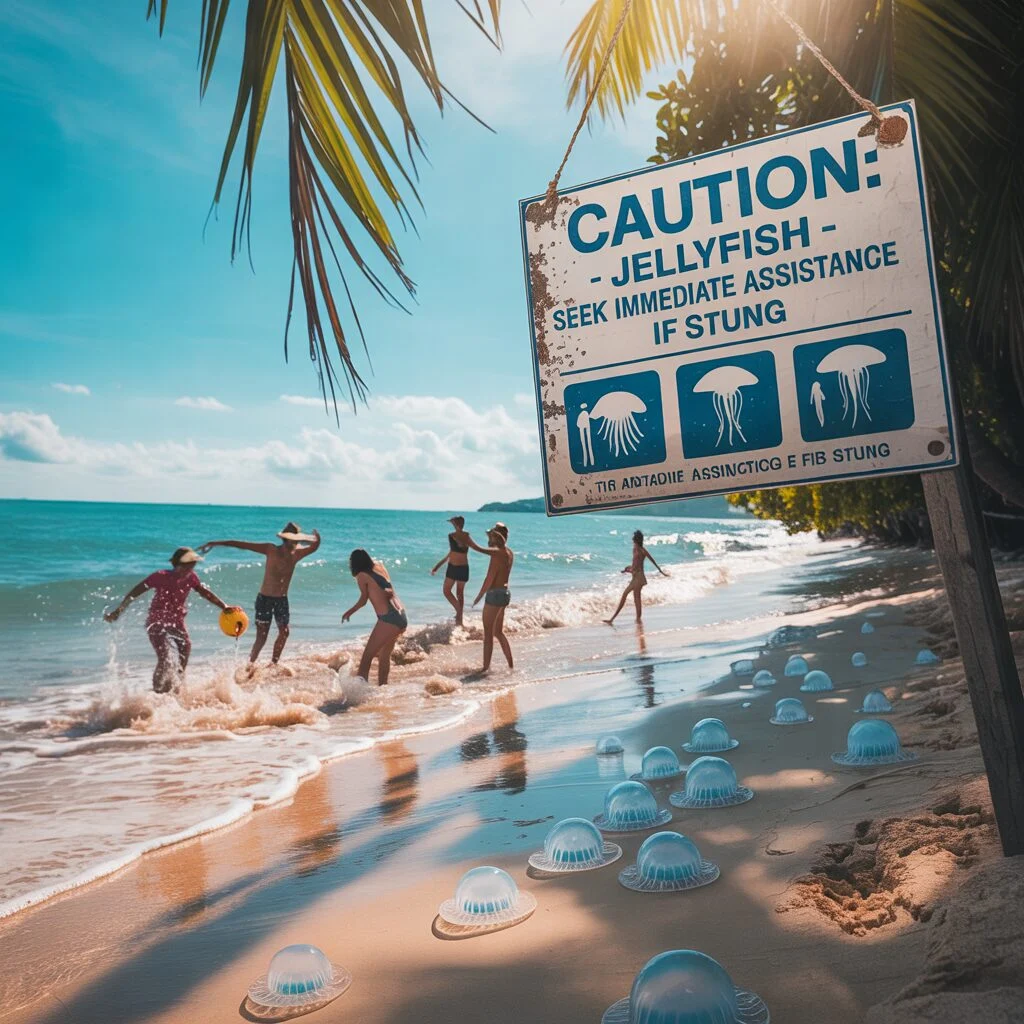
Vietnam’s beaches have no real surf except a shorebreak. My Khe is relatively calm and great for swimming; An Bang offers calm waves. Lifeguard coverage and flag systems may be limited or absent, so check local conditions and official beach safety signage before entering the water. Avoid swimming during monsoon season rough conditions. For more guidance, read our common problems and safety tips for Vietnam beaches.
Vietnam vs Thailand: Different Trips, Not Just Different Beaches
Thailand’s 156 national parks and plug-and-play infrastructure contrast with Vietnam’s rawer authenticity, dramatic mountain landscapes, and superior coffee culture. In any Vietnam vs Thailand beaches comparison, Vietnam lags 5-10 years in infrastructure maturity but holds far lower tourist saturation than Phuket or Koh Samui. Vietnam’s 34 national parks and layered colonial history produce more diverse scenery; Thailand’s culturally consistent (never colonized) experience prioritizes convenience. Thailand uniquely offers Khao Sok’s floating bungalows, not available in Vietnam. Grab operates in both countries, with rides under $1.00 in Vietnamese cities. Google Translate is helpful in Vietnam where less English is spoken. Vietnam is better as a cultural/nature trip with beach components, not a pure beach-only destination. Recommended trip lengths: 7-10 days (short), 10-14 days (medium), 14-21+ days (long). The Vietnam vs Thailand beaches decision ultimately hinges on whether you prioritize polished convenience or authentic value.
Tourism Infrastructure: Who’s More Plug-and-Play?
Thailand’s mature infrastructure makes travel effortless; Vietnam requires more planning but rewards with authenticity and lower tourist saturation.
Food Scene: Street Stools vs Polished Night Markets
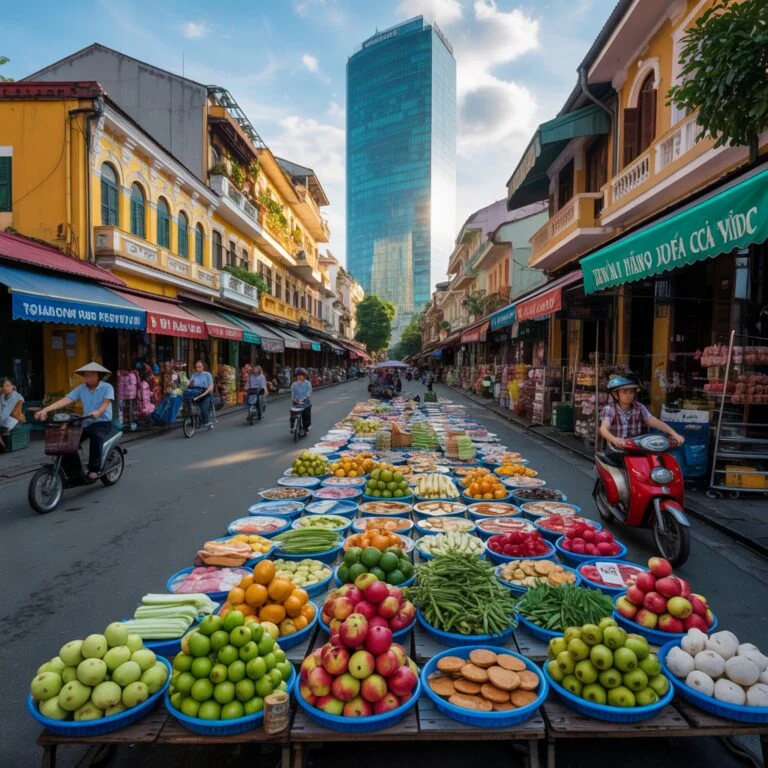
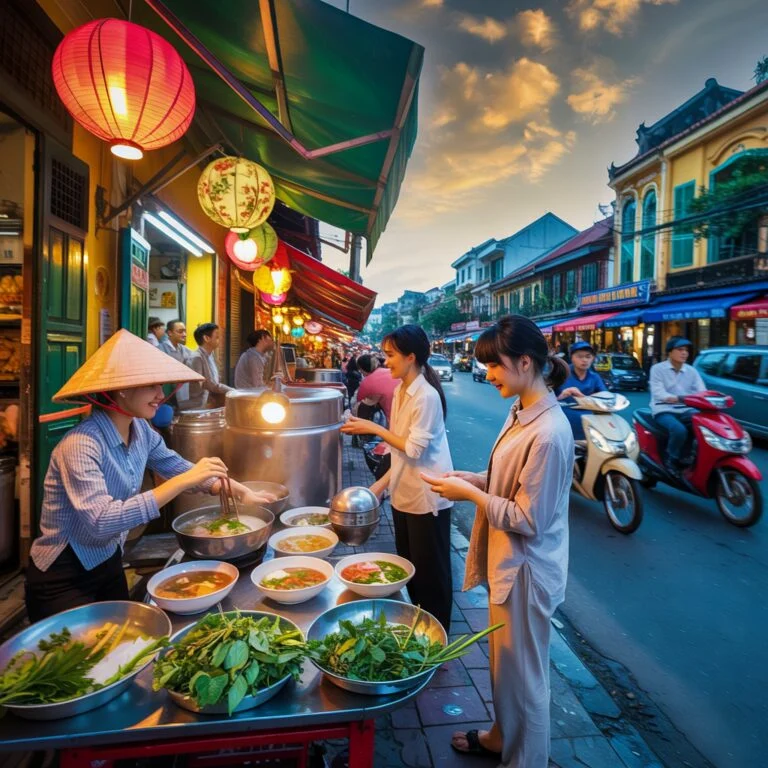
Vietnam’s street food is rawer and cheaper at $1-$5 per meal, eaten squatting on plastic stools. Thailand’s is brilliant but more polished and tourist-friendly.
Flying from the US: Routes, Layovers & Fare Ranges
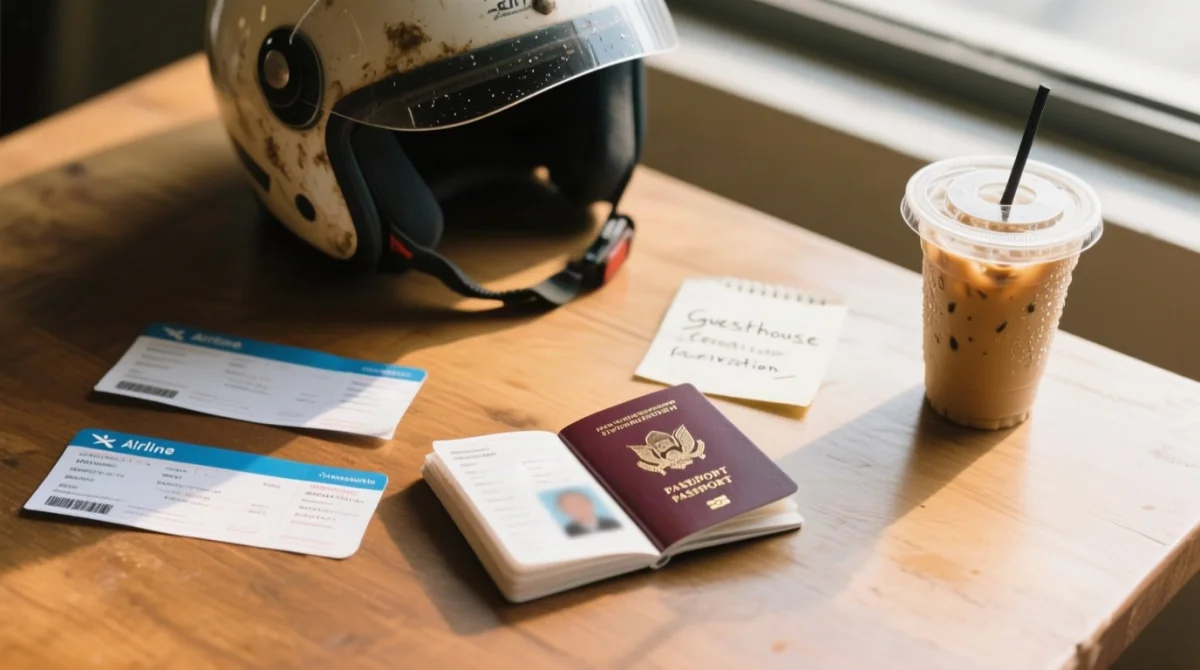
US travelers to Vietnam or Thailand beach gateways face 18-24 hours of flying with 1-2 layovers, at $700-$1,400 round-trip depending on season. For Vietnam: LAX/SFO/JDK → Tokyo (NRT/HND) or Taipei (TPE) → Da Nang (DAD) or Ho Chi Minh (SGN) → domestic connection to Phu Quoc (PQC) or Nha Trang (CXR/Cam Ranh). For Thailand: LAX/SFO/JDK → Tokyo/Taipei/Bangkok → Phuket (HKT) or Koh Samui (USM). Flight prices from the US to Vietnam and Thailand are about the same . VietJet Air offers cheap Bangkok-Ho Chi Minh flights. Vietnam requires an e-visa arranged before arrival (90-day single-entry available, multiple-entry at extra cost); Thailand grants US citizens visa-free 30-day entry with a 30-day extension available. In the Vietnam vs Thailand beaches planning phase, verify current requirements on the Vietnam e-visa portal and the Thai Immigration Bureau as external sources. For a full checklist, see our visa requirements guide for US travelers visiting Vietnam beaches.
FAQ: Vietnam vs Thailand Beaches and Internal Comparisons
Is Thailand or Vietnam cheaper for a beach vacation in 2026?
Vietnam is 30-50% cheaper. Budget: $20-$45 vs higher Thai equivalents. ATM: ~$2 vs ~$6. Street food: $1-$5. See cost table above.
Which has better water clarity: Vietnam or Thailand?
Thailand. Four of six sources confirm Thailand wins on water clarity, coral health, and underwater life. Vietnam cannot match Similan Islands or Koh Tao.
Are Vietnam beaches safe for swimming?
Vietnam has no real surf except a shorebreak. My Khe is calm and great for swimming. Check local conditions; lifeguard coverage and flag systems may be limited.
What is the best time to visit Vietnam beaches vs Thailand?
Vietnam: March-April best overall. Central: February-May; avoid September-December. South: November-April. Thailand: November-February (cool dry season).
Phu Quoc vs Con Dao: which is better for a honeymoon?
Phu Quoc for luxury resorts and easy airport access ($200-$600+ daily). Con Dao for secluded, nature-focused honeymoons ($100-$400+ daily, $150-$200+ flight from HCMC, no budget tier).
Da Nang vs Nha Trang: which is better for families?
Da Nang. My Khe is calm, wide, flat, and photogenic. Nha Trang is crowded with a party scene. Da Nang’s regulated beach is safer for kids.
How do Vietnam beaches compare to Hawaii for US travelers?
Hawaii offers unmatched water clarity and infrastructure (6-10h flight, $200-$400+ daily). Vietnam offers comparable sand quality at 70%+ lower cost ($20-$45 budget tier).
Do I need a visa for Vietnam or Thailand in 2026?
Vietnam requires an e-visa arranged before arrival (90-day single-entry available). Thailand grants US citizens visa-free 30-day entry. Verify current requirements on official government portals.