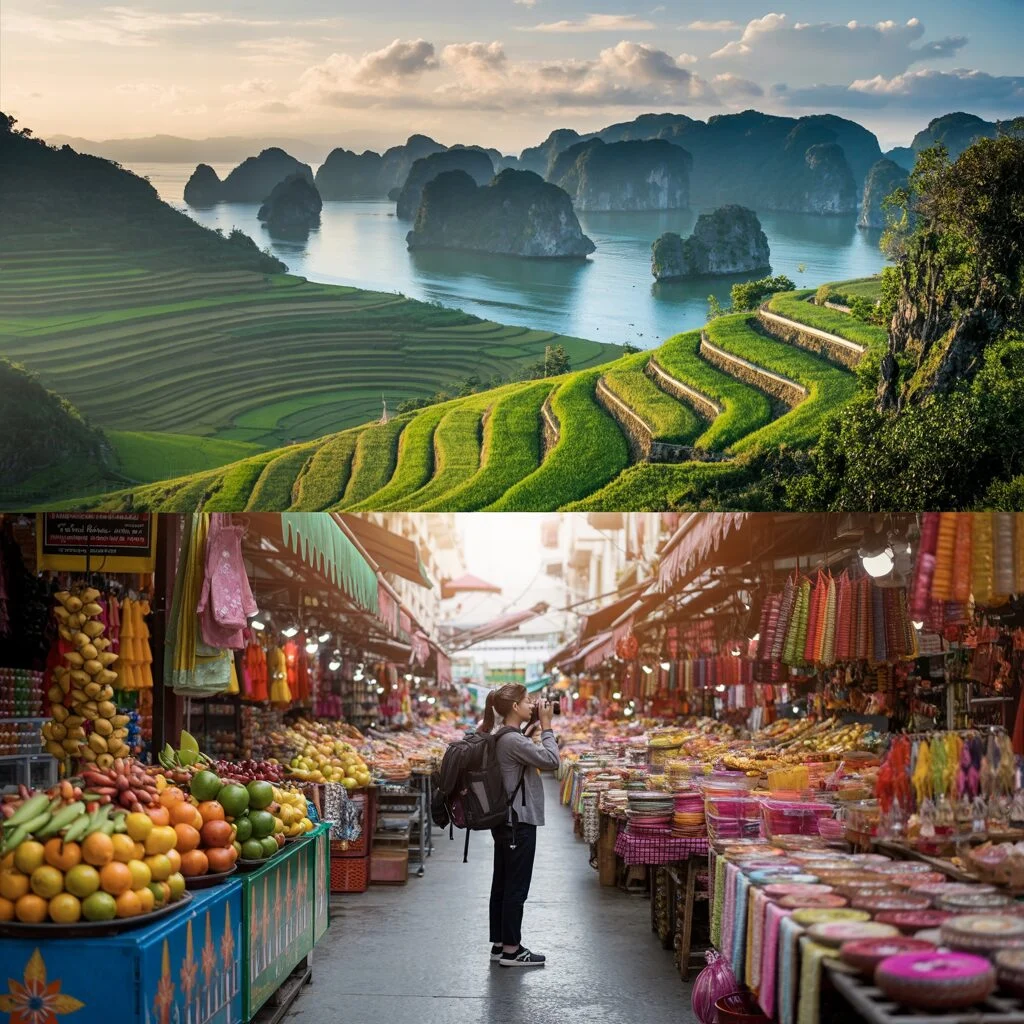

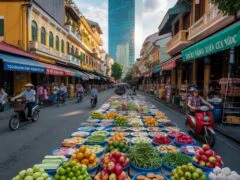
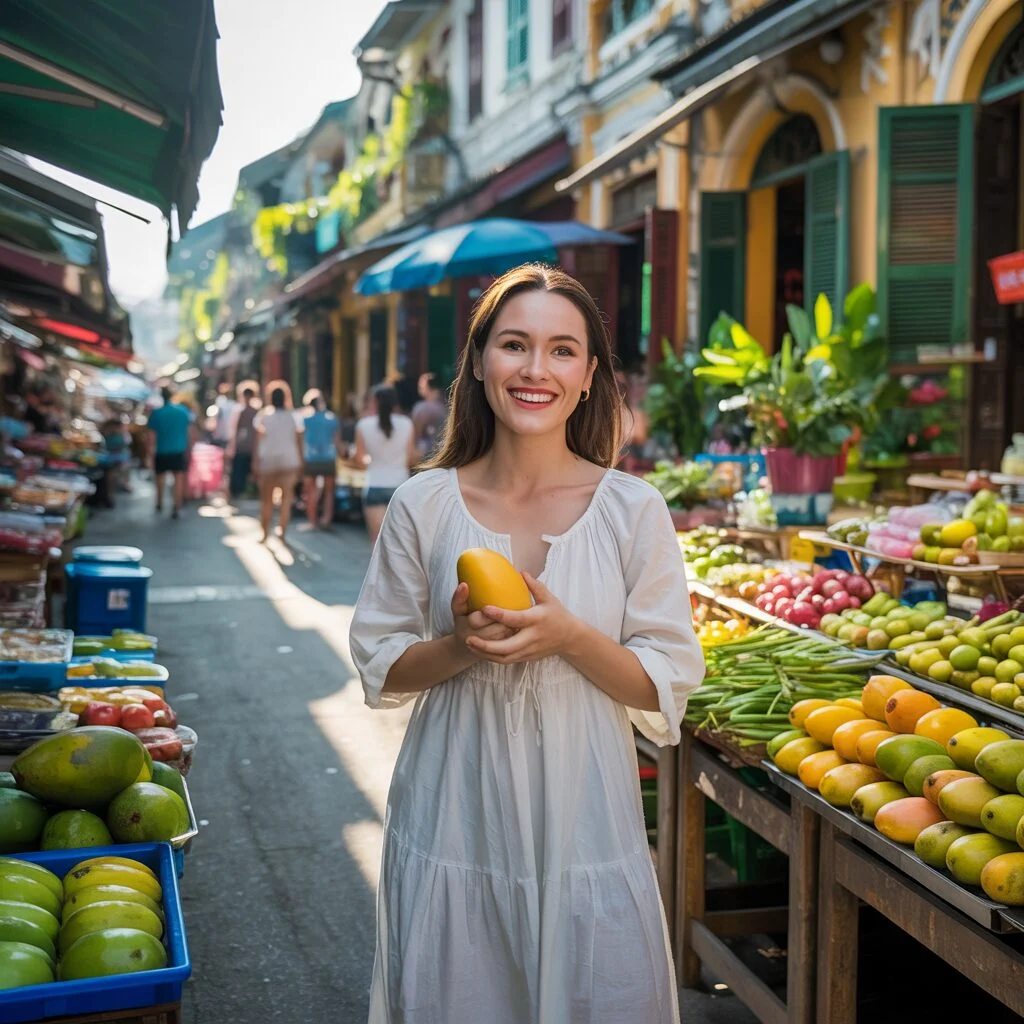
Essential Vietnam travel tips for US tourists in 2026 include securing an eSIM data plan, carrying Vietnamese Dong (VND) for cash-preferred markets, and packing a 220V power adapter. Tipping is appreciated but not mandatory. Use Grab for affordable city transport.
Connectivity requires either a physical SIM from Viettel kiosks or an Airalo eSIM, as roaming charges abroad can be high. Vietnam operates on a 220V/50Hz electrical system using plug types A, C, and F, necessitating electrical voltage compatibility checks for US devices.
For financial preparation, rely on licensed money changers and local currency conversion rates, keeping small notes available for market haggling. Understanding cultural respect practices, such as using both hands when handling money, ensures smooth interactions during your trip.
Connectivity & Electrical Standards
US tourists in Vietnam can secure mobile connectivity via Airalo eSIM or Viettel kiosks, while the 220V/50Hz electrical system requires Type A, C, or F adapters.
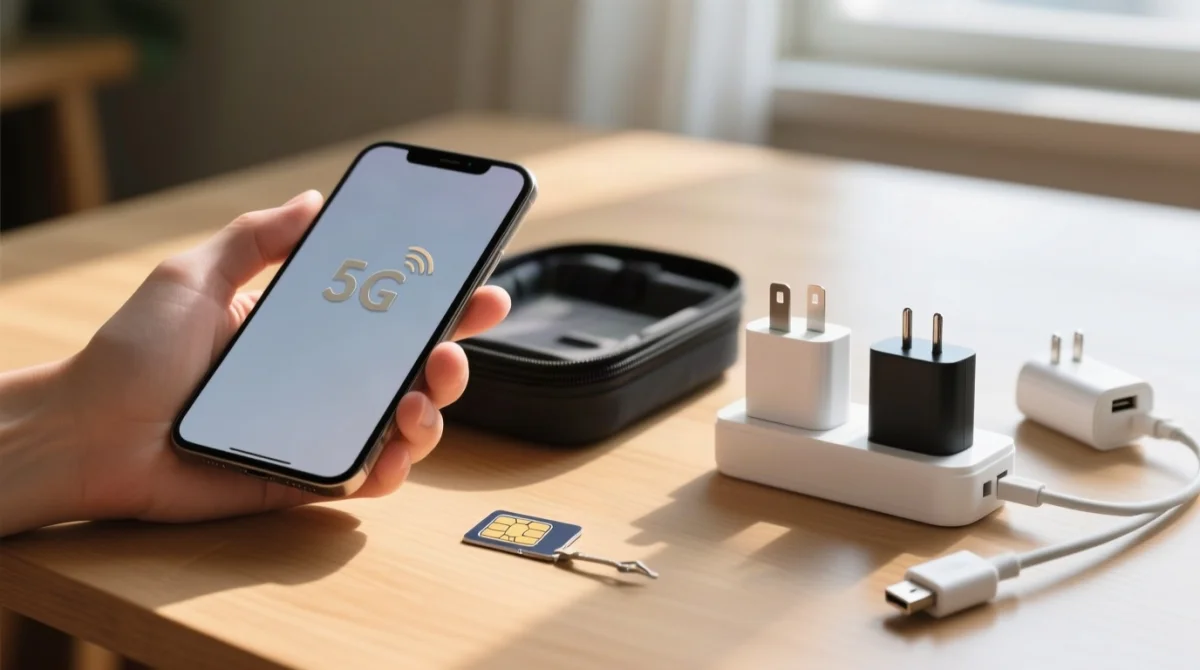
Physical SIM vs. eSIM Providers for 2026
Vietnam travel tips prioritizes eSIM data plan adoption over physical SIM cards to bypass roaming charges abroad. Follow these steps for setup:
- Airalo eSIM: Delivers strong 5G in most places, though coverage gaps exist between remote areas or on the water.
- Wi-Fi Networks: Connections remain solid in hotels, cafés, and homestays.
- Communication tools and apps: Download WhatsApp and Google Translate (voice function recommended) before departure.
Electrical Standards
Vietnam travel tips adjusts voltage expectations by specifying that all compatible devices must utilize Type A, C, or F adapters for safe 220V outlet compatibility. Vietnam operates on a standard voltage of 220V and frequency of 50Hz. Type A is compatible with US plugs, but the voltage difference (110V US vs 220V Vietnam) requires checking device compatibility. Most modern chargers are dual-voltage (100-240V), ensuring electrical voltage compatibility without a converter.
Currency & Payment Methods
Vietnam operates a cash-preferred economy, so US travelers should exchange USD to VND at banks and expect 3-4% ATM withdrawal fees.
Where to Exchange USD to VND for the Best Rate
Vietnam Travel Tips advises exchanging USD at banks, licensed money changers, or gold shops in major cities for the best local currency conversion rates. Avoid unofficial street vendors. Vietnamese Dong (VND) uses large denominations with no coins in circulation. A reference exchange rate is 1 Euro ≈ 40,000 VND, though rates vary by market. Use both hands when handing over money or receiving change.
ATM Withdrawal Fees & Credit Card Acceptance
Vietnam Travel Tips notes that both ATM and credit card transaction fees run 3-4%. ATMs are frequent in larger cities and findable via Google Maps. Credit cards are accepted at hotels, larger restaurants, shopping malls, supermarkets, and major convenience stores. Carry cash for smaller towns, local markets, and rural businesses.
Market Haggling Etiquette
- Haggling is acceptable; tourists often overpay unaware how cheap products are.
- Achievable discount: 25-33% off the initial asking price.
- Trigger the cheapest price by starting to walk away.
- Have a figure in mind and cash ready; keep small notes available.
Entry Requirements, Health & Safety
US citizens entering Vietnam in 2026 must obtain a 90-day e-visa online at least two weeks before departure, while drinking only bottled water and avoiding common scams.
US Citizen E-Visa Processing Time
Vietnam Travel Tips confirms the e-visa is valid for 90 days for all nationalities.
Check passport validity
Must hold six months validity
Apply online
At least two weeks ahead; processing takes a few business days
Submit documents
Digital photo and valid payment via Vietnamese immigration portal (external government source)
Print approval letter
Keep a digital backup; airlines check it before boarding
Common Tourist Scams and How to Avoid Them
Vietnam Travel Tips flags taximeter scams, fake tours, and the “closed temple” scam as recurring risks. Vietnam remains very safe overall, but always choose metered taxis from reputable companies with clearly marked branding.
Food & Water Safety Guidelines
Tap water contains heavy metals at 15x the WHO limit – drink bottled or boiled water only. Avoid ice from unclear sources. Dispose of toilet paper in bins, not the toilet. No vaccinations are mandatory for US travelers; doctors recommend hepatitis A, typhoid, and routine vaccines. Travel insurance is strongly recommended – verify motorbike riding coverage.
Getting Around & Cultural Etiquette
Vietnam Travel Tips identifies domestic flights and Grab ride-hailing as the most efficient transport methods, while cultural norms require modest temple attire and awareness of local tipping practices.
Grab Ride-Hailing & Traffic Navigation
Vietnam Travel Tips recommends Grab as the primary ride-hailing app, with a 10-minute ride costing 35,000 VND (approx. $1.30 USD). Traffic is chaotic with dominant scooters and unenforced road rules. Cross streets by making eye contact and moving forward slowly and steadily without stopping or stepping backward.
Cultural Dos and Don’ts
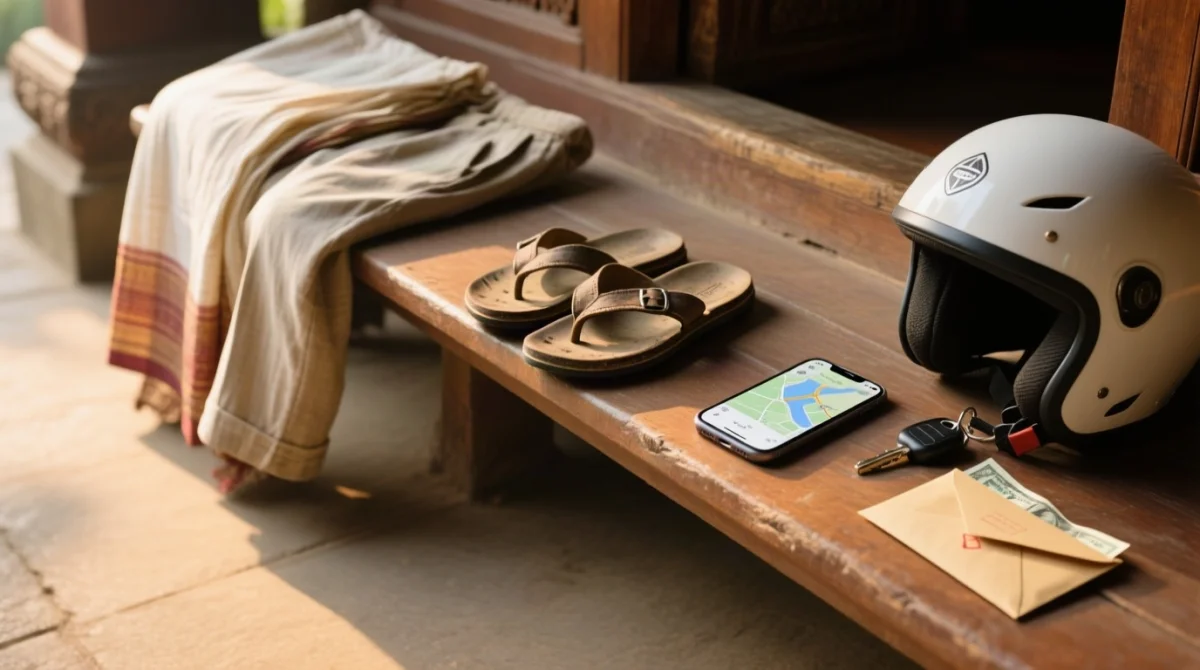
Temples require shoulders and knees covered; stricter sites ask men to wear long trousers. Remove shoes before entering homes and temples. Pack lightweight pants or a foldable sarong for visits.
Tipping Culture in Vietnam
Tipping is appreciated but not mandatory.
| Service | Recommended Tip |
|---|---|
| Restaurants | 10-15% or round up the bill |
| Tour guides | 20,000-50,000 VND per day |
| Hotel staff | 20,000-50,000 VND |
| Taxi/Grab drivers | Round up the fare |
FAQ
Can I use my US phone in Vietnam?
Yes, but to avoid roaming charges abroad, secure an eSIM data plan or buy a physical SIM. Airalo eSIM offers strong 5G coverage in most places, though gaps exist in remote areas. Download communication tools and apps like WhatsApp and Google Translate before your trip.
Do I need a visa to travel to Vietnam in 2026?
Yes, US citizens must obtain a 90-day e-visa online before arrival. Apply at least two weeks ahead of your trip. Processing takes a few business days. Ensure your passport is valid for at least six months and carry a printed copy of the approval letter.
Is it better to exchange money before or after arriving in Vietnam?
Exchange USD to VND after arriving at banks, licensed money changers, or gold shops in major cities for the best local currency conversion rates. Avoid unofficial street vendors. Vietnamese Dong denominations are large, and no coins are in use, so have small notes available.
Is tipping expected in Vietnam?
Tipping is appreciated but not mandatory. For restaurants, round up the bill or leave 10-15% if a service charge is not included. Tour guides and hotel staff typically receive 20,000-50,000 VND. For taxi or Grab drivers, rounding up the fare is sufficient.
What type of power adapter do I need for Vietnam?
Vietnam uses a standard voltage of 220V and a frequency of 50Hz. The plug types used are A, C, and F. Type A is compatible with US plugs, but you must check your device’s electrical voltage compatibility, as most modern chargers are dual-voltage (100-240V).
Are credit cards widely accepted in Vietnam?
Credit cards are accepted in hotels, larger restaurants, shopping malls, supermarkets, and major convenience stores in cities. However, smaller towns, local markets, and rural businesses are cash only. Expect a 3-4% transaction fee. Always carry cash as a recommended backup.
What is the best way to get around in Vietnamese cities?
The Grab ride-hailing app is the primary choice for urban public transport navigation. A 10-minute ride costs approximately 35,000 VND. Grab functions as Asia’s answer to Uber, offering set pricing, automatic translation, and options to book cars or motorbikes.
Is tap water safe to drink in Vietnam?
No, tap water contains bacteria and heavy metal levels 15x higher than WHO recommendations. Drink only bottled or boiled water. Avoid ice from unclear sources, as some places do not use bottled water for ice. Locals also drink bottled water exclusively.