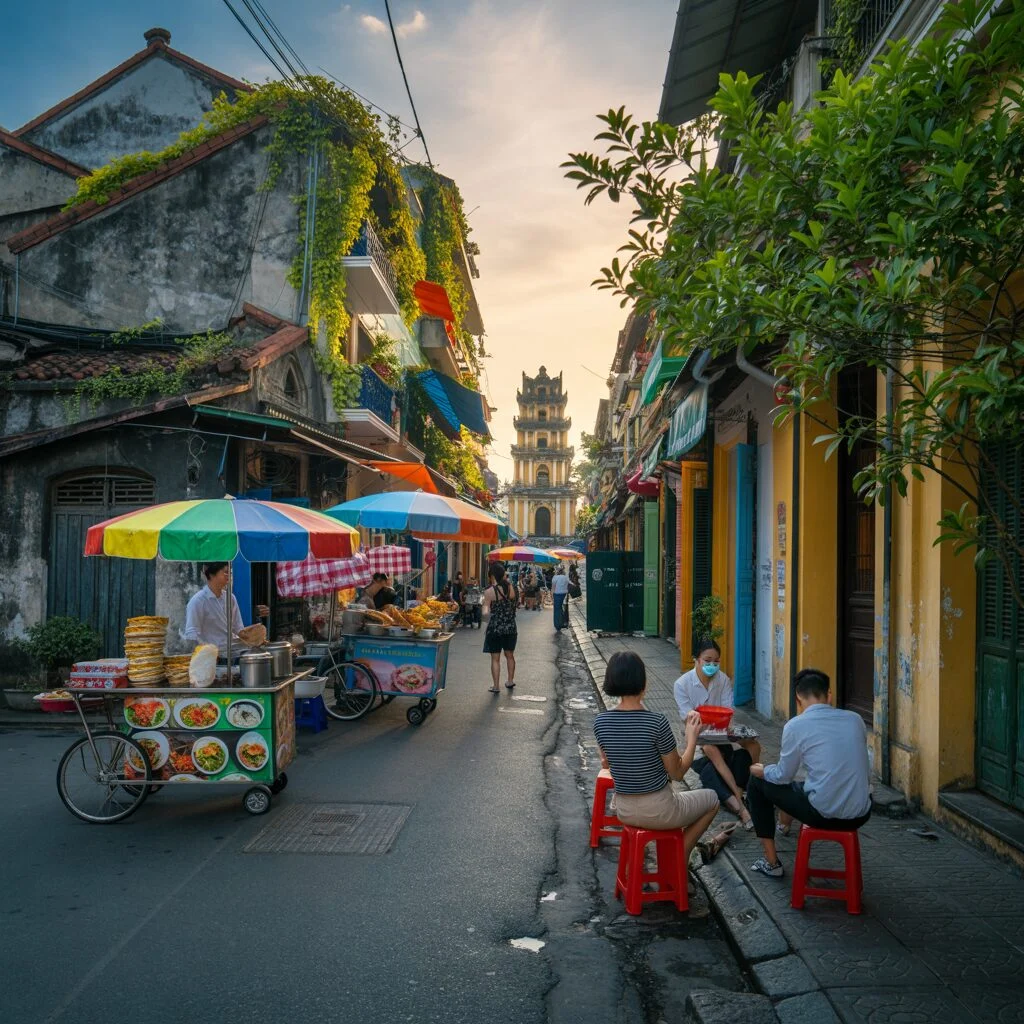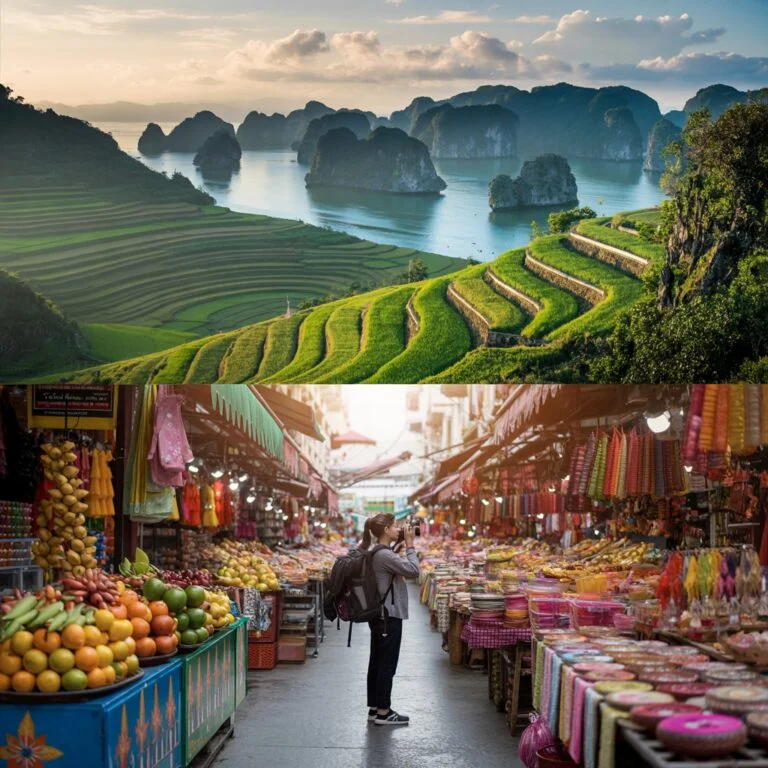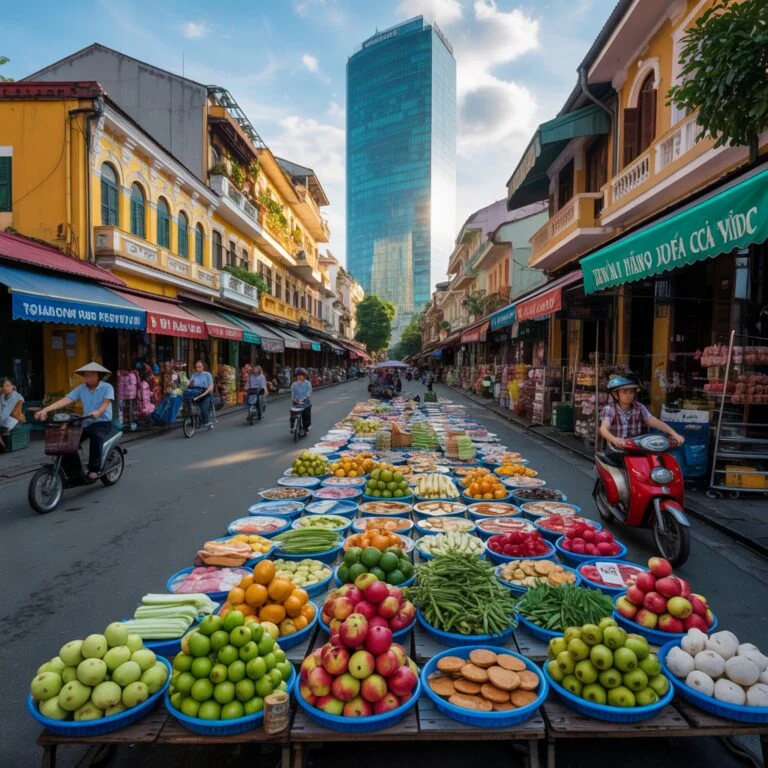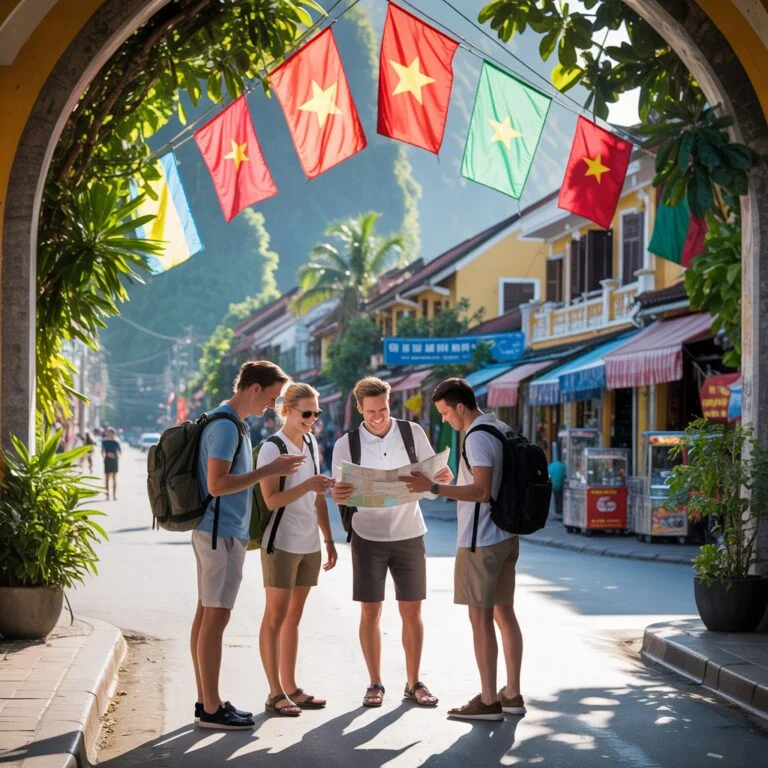


For US travelers asking where to visit in Vietnam for the first time, Da Nang and Hoi An deliver the most accessible introduction with flat terrain, walkable historic quarters, and widespread English comprehension. A 14-day budget of $1,000 covers basic needs at $30 to $40 daily.
Hoi An earns a 10/10 recommendation score for its slow, walkable ancient town, while Da Nang offers a smaller metropolitan area featuring the fire-breathing Dragon Bridge and Ba Na Hills theme park reachable by cable car. Both cities sit in central Vietnam, where shoulder season runs December and March with manageable temperatures.
US passport holders must secure a 2026 e-visa before departure, with standard tourist visas valid for 30 days. Vietnam ranks among the cheapest countries in Asia, and its transport network of trains, buses, and domestic flights is reliable and affordable. First-time visitors should pace their trip with three nights per stop to manage jet lag recovery.
Experience-Level Routing & Novice-Friendly Destinations
US travelers should begin their Vietnam itinerary in novice-tier cities like Da Nang, pacing trips with 3 nights per stop to manage jet lag recovery, which typically requires 2-3 days of acclimatization. Beginner-friendly Vietnamese destinations minimize navigation stress by concentrating flat terrain, reliable shuttle networks, and compact service districts into single-visit corridors, making them ideal for anyone asking where to visit in Vietnam for the first time.

Da Nang & Hoi An: The Perfect First Stop
Beginner-friendly Vietnamese destinations reduce entry friction by pairing walkable historic quarters with mature hospitality infrastructure. Da Nang’s Dragon Bridge breathes fire on select evenings, and the Ba Na Hills theme park costs 1.2 million VND ($50) for a full-day trip including lunch, transport, cable car, and entrance. Hoi An, a UNESCO World Heritage Site, is slow and walkable with over 500 tailor shops, a lantern night market, and a recommendation score of 10/10. A nice dinner totals roughly $20, and bargaining remains standard practice.
Phu Quoc & Mekong Delta: Structured Itineraries
Phu Quoc offers direct international flights and resort-dominant economies staffed by English-speaking personnel, eliminating transit complexity. Further south, Can Tho and the Mekong Delta deliver structured homestay programs, floating markets packed with colorful produce, and pandan boat rides through mangrove ecosystems. A local guide is highly recommended, with a suggested stay of at least a couple of days to absorb Vietnamese and Khmer cultural heritage.
Intermediate Destinations: Manageable Chaos and Deep History
Beginner-friendly Vietnamese destinations at the intermediate tier pair deep cultural history with compact layouts, though confident beginners must develop motorbike traffic awareness to navigate them effectively.
Hanoi Old Quarter: Navigating the Bustle
Hanoi serves as Vietnam’s capital and central transportation hub in the north. The Old Quarter spans just one square kilometer, packing French colonial facades, Buddhist temples, and pho shops into a maze of narrow streets where motorbike traffic is constant. First-time visitors can offset jet lag by strolling around Hoàn Kiếm Lake, a calm escape from the chaos. Café Giang serves rich, velvety egg coffee, while Bánh Mì 25 offers traditional Vietnamese baguettes. The iconic Train Street features cafes with tables set directly on railroad tracks. Recommended stay: La Siesta Premium Hang Be, a boutique property with a rooftop bar and views over Hoan Kiem Lake. When crossing streets, walk in a normal fashion and don’t run – predictable movement lets scooter traffic flow around you.
Hue & Ho Chi Minh City: Urban Immersion
Hue delivers compact heritage walking routes, and the Thuy Tien Lake Abandoned Water Park – though not open to the public – grants entry for 20,000 VND ($0.86 USD) paid to the security guard. Ho Chi Minh City, formerly Saigon, renamed in 1975 after the Vietnam War, offers electric energy with rooftop bars rivaling those in New York. The War Remnants Museum and Cu Chi Tunnels – about one hour’s boat ride away – provide deep historical context. Recommended stay: The Myst Dong Khoi in District 1, featuring artistic interiors and a rooftop pool. Beginner-friendly Vietnamese destinations at this level reward travelers who balance structured tours with independent exploration.
2026 Practical Readiness & Budget Breakdown
US travelers must apply for a 2026 e-visa, install an Airalo eSIM, and carry USD cash for ATM reliance and voltage-compatible devices.
E-Visa & eSIM Setup for US Travelers
Most foreigners need a visa; the standard tourist visa length is 30 days, while the visa exemption standard duration is 15 days. The visa situation differs by nationality and changes regularly, so US passport holders should verify current requirements through the Vietnamese government’s immigration portal before departure. Travel insurance is not mandatory for entry. For connectivity, Airalo serves as an eSIM provider, while Viettel is the recommended local mobile provider for mountainous regions. Beginner-friendly Vietnamese destinations reduce entry friction by pairing digital visa approval with reliable eSIM coverage, letting novice visitors navigate without language barriers.
2026 Budget Matrix & Intercity Transport
Beginner-friendly Vietnamese destinations accommodate cost-conscious planners with transparent daily expenditures. Vietnam remains one of the cheapest countries in Asia, and a $1,000 budget covers roughly two weeks at $30-$40 per day.
| Expense | Cost (USD) |
|---|---|
| Ha Long Bay day trip (transport, lunch cruise, kayaking, cave tour) | $50-$60 |
| Ba Na Hills day trip (lunch, transport, cable car, entrance) | $50 |
| Da Lat hostel per night | $4 |
| Hoi An nice dinner (total) | $20 |
| Hoi An tailor-made bikini | ~$30 |
For intercity connectivity, the 12Go platform handles pre-booking overnight trains and shuttles, while domestic flights offer schedule flexibility. High season (July-August) can raise hotel and flight prices by up to 50%.
Seasonality, Culture & Scam Avoidance
Beginner-friendly Vietnamese destinations span three distinct climate zones; US travelers should visit the Central region from February to May to avoid monsoons and extreme heat.
2026 Regional Weather Matrix
| Region | High Season | Low Season | Key Risk |
|---|---|---|---|
| North | July & August | April, June, Sept-Nov | Typhoons until November |
| Central | July & August | Sept-November | Typhoons until November |
| South | July & August | April, June, Sept-Nov | Rainy season ~August |
High season (July-August) drives hotel and flight prices up to 50% with temperatures reaching high thirties to low forties °C. Shoulder season falls in December and March; the Tet Festival (Lunar New Year) also occurs around December and March. Typhoons can lash the central and northern coastline until November.
Cultural Etiquette & Scam Radar
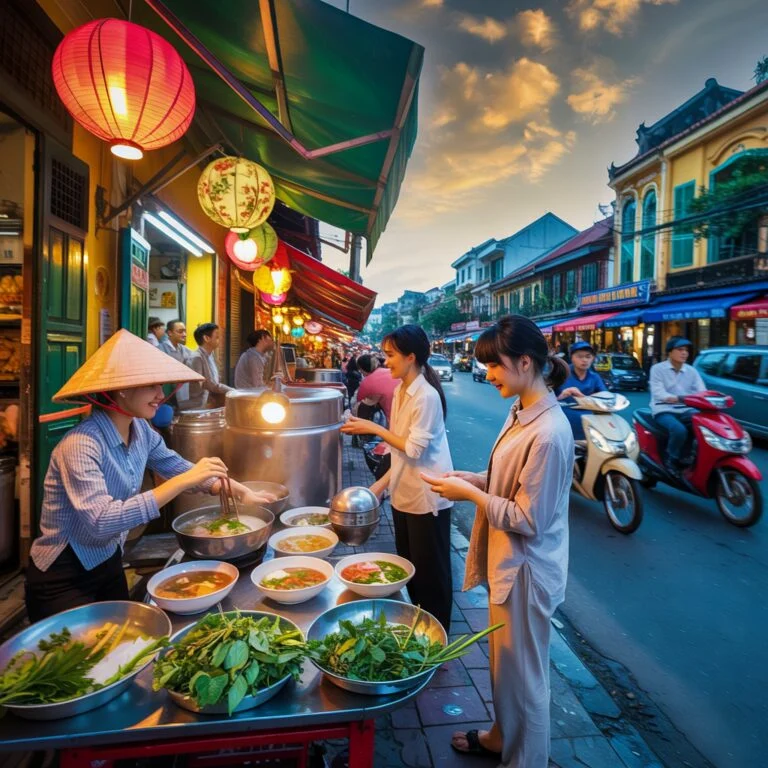
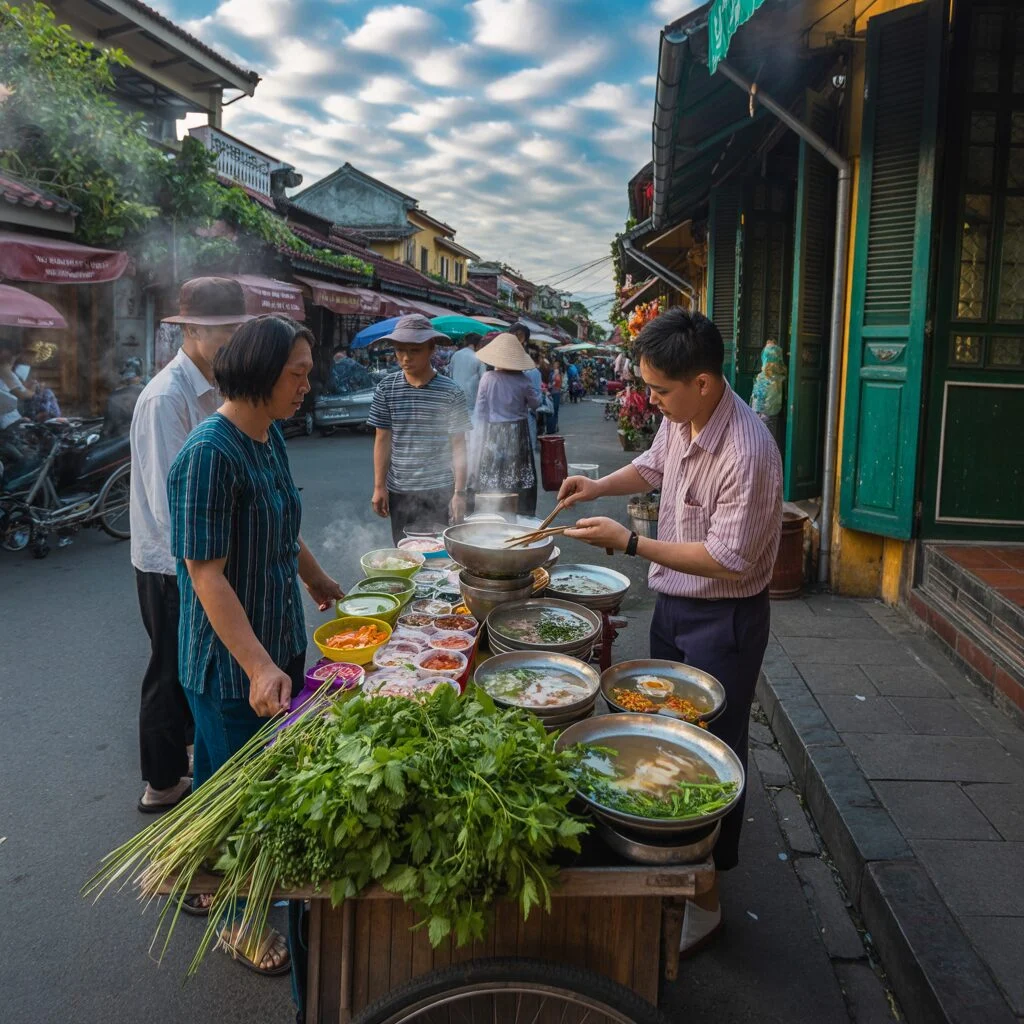
Beginner-friendly Vietnamese destinations reward cultural awareness: use “Xin chào” (Hello) and “Cảm ơn” (Thank you), and observe temple dress codes. Vietnamese cuisine centers on pho, banh mi, and spring rolls with sweet, salty, sour, and savory flavors – select busy stalls for street food hygiene benchmarks.
Scam avoidance: skip unmetered taxis, verify tour tickets on booking platforms, and note that Sapa’s tourism industry is more established and exploitative – travelers ran into scams pretty frequently, including kids dancing for money in the plaza. At Cham Island near Hoi An, only 1 boat runs in the morning; missing it means being charged a lot for a private boat.
FAQ
What is the best city to fly into Vietnam for the first time?
Hanoi’s Noi Bai International Airport serves as the capital’s central transportation hub with excellent links to the rest of Asia, making it an ideal start or end point for a Vietnam adventure. Ho Chi Minh City’s Tan Son Nhat International Airport offers another major gateway in the south. Both connect US travelers through Asian transit hubs.
Is Hanoi or Ho Chi Minh City better for first-time tourists?
Both cities are big and busy, but they serve different purposes. Hanoi, the capital and cultural heartbeat of Vietnam, features the one-square-kilometer Old Quarter and ranks as a must-visit for first-time travelers. Ho Chi Minh City, also known as Saigon, represents modern Vietnam with rooftop bars on par with New York and food quality described as out of this world. Both are recommended for first-time visitors.
Do US citizens need a visa for Vietnam in 2026?
Yes. Most foreigners need a visa to enter Vietnam. The standard tourist visa length is 30 days, with a visa exemption of 15 days available for certain nationalities. Visa requirements differ tremendously by nationality and change regularly. US travelers should verify current requirements through government immigration portals before applying for a 2026 e-visa.
How many days are enough for a first trip to Vietnam?
A two-week itinerary is common for first-time visitors, with the recommended pacing of three nights per stop to manage jet lag recovery. Hanoi warrants three days on its own, while the Mekong Delta requires at least a couple of days. Day trips to Ha Long Bay and Ninh Binh province can be arranged from Hanoi.
Is it safe to walk around Vietnamese cities at night?
Vietnam is relatively safe, with violent crime rates among the lowest in the world. Cities like Hanoi and Ho Chi Minh City have active nighttime scenes including rooftop bars and food tours. When crossing streets with motorbike traffic, walk in a normal fashion and do not run, as drivers navigate around pedestrians.
Can I drink tap water in Vietnam?
The sources reviewed for this guide do not include specific tap water safety data for Vietnam. Travelers should consult current health advisory resources and follow standard precautions for Southeast Asian travel before arrival.
What is the best time of year to visit Hoi An and Da Nang?
Shoulder season runs December and March, offering manageable temperatures without peak-season crowds. High season in July and August brings temperatures in the high thirties to low forties degrees Celsius and price increases of up to 50 percent. The rainy season typically falls for one month around August, and typhoon risk can affect the central coastline until November.
How much money do I need per day in Vietnam as a US traveler?
Vietnam is one of the cheapest countries in Asia. A budget of $30 to $40 daily sustains a two-week trip on $1,000. Specific costs include Da Lat hostels at $4 per night, a full dinner in Hoi An for $20 total, a Ha Long Bay day trip for $50 to $60 including transport and lunch, and Ba Na Hills day trips at $50. High season can raise hotel and flight prices by up to 50 percent.