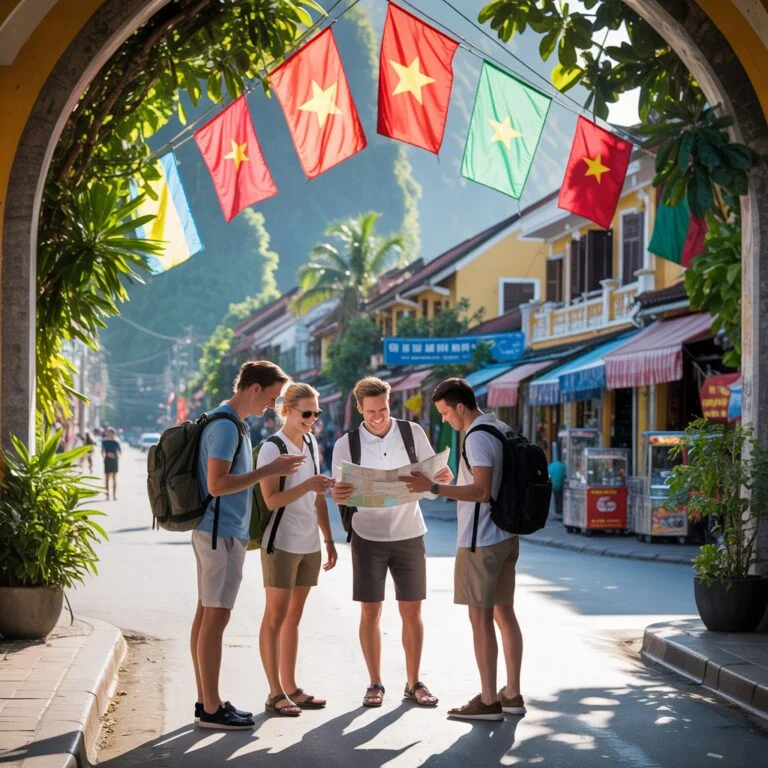

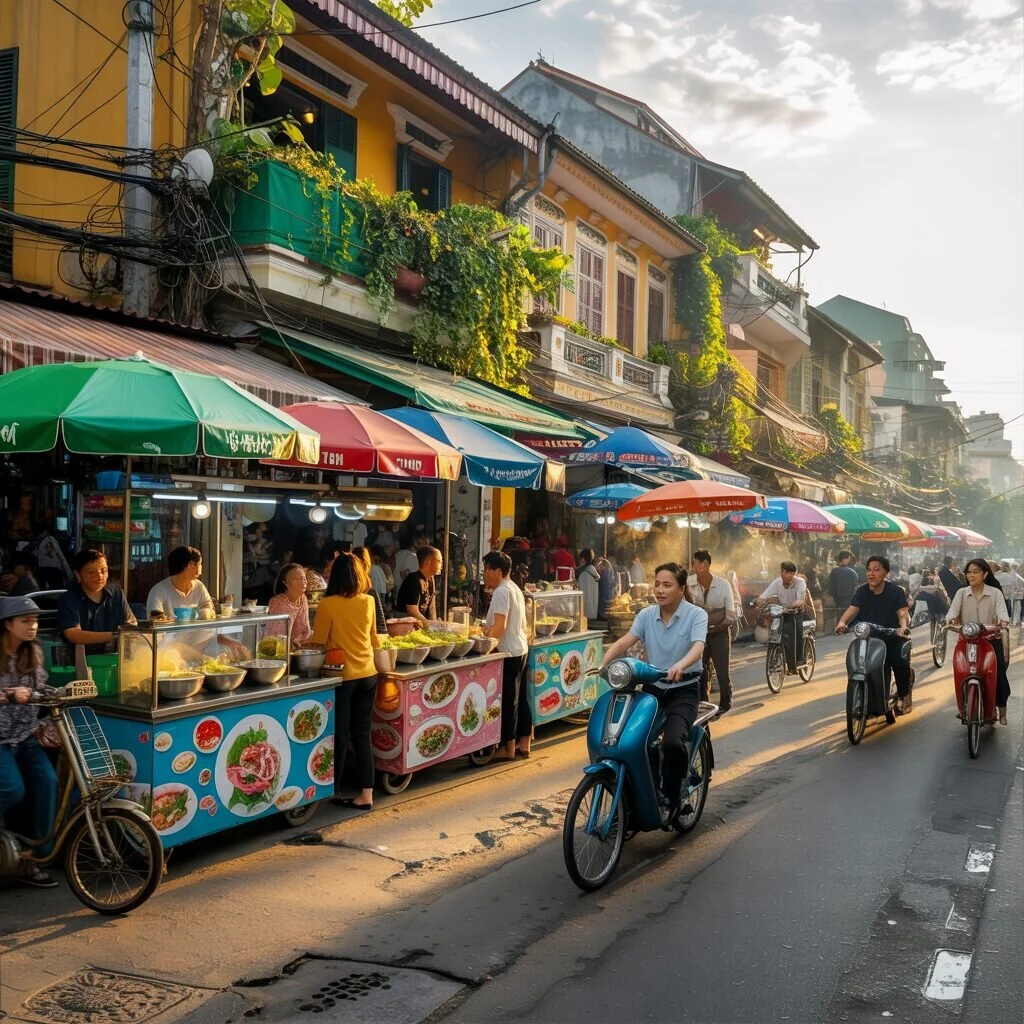
The top places to visit in Vietnam for first-time travelers include Hanoi, Ha Long Bay, Hoi An, and Ho Chi Minh City. A complete north-to-south itinerary typically requires 10 to 14 days, allowing you to explore historical cities, natural karst wonders, and vibrant cultural hubs.
This guide covers all 12 headline destinations, from the scooter-packed 36-street Old Quarter in Hanoi to the 150-kilometer coastline of Phu Quoc, plus itineraries, transport costs, and visa steps for US travelers planning a first trip.
Last updated October 2026 by our travel editorial team, who have researched this north-to-south route first-hand and re-verify prices and visa rules quarterly. This independent guide may contain affiliate links; if you book through them, we may earn a small commission at no extra cost to you.
Vietnam at a Glance: 12 Must-See Destinations Compared
Vietnam’s top 12 destinations range from Hanoi’s Old Quarter to Phu Quoc’s beaches, each requiring 1 to 3 days depending on your pace. The standard route runs north to south: Hanoi, then Ninh Binh (1.5 hours by road), Ha Long Bay, a short flight to the central coast (Da Nang to Hoi An is a 30-minute road transfer), and finally Ho Chi Minh City, with Phu Quoc under 1 hour away by plane.
| Region | Top Highlight | Suggested Days | Ideal Season | Best For |
|---|---|---|---|---|
| North | Hanoi: 36-street Old Quarter | 2-3 | Dec-Apr | Culture |
| North | Ha Long Bay: Overnight cruise | 1-2 | Dec-Apr | Scenery |
| North | Ninh Binh: Trang An caves | 1-2 | Dec-Apr | Landscapes |
| North | Sapa & Ha Giang: Rice terraces | 2-3 | Dec-Apr | Trekking |
| Central | Phong Nha: Paradise Cave | 1-2 | Feb-Apr, Aug | Adventure |
| Central | Hue: Imperial Citadel | 1-2 | Feb-Apr, Aug | History |
| Central | Da Nang: Golden Bridge | 2-3 | Feb-Apr, Aug | Beaches |
| Central | Hoi An: Ancient Town | 2-3 | Feb-Apr, Aug | Heritage |
| South | Da Lat: 15-20°C climate | 1-2 | Nov-Apr | Highlands |
| South | Ho Chi Minh City: War Museum | 2-3 | Nov-Apr | City life |
| South | Mekong Delta: Floating market | 1-2 | Nov-Apr | River culture |
| South | Phu Quoc: 150-km coastline | 2-3 | Nov-Apr | Resorts |
What are the top places to visit in Vietnam? The top places to visit in Vietnam for first-time travelers are Hanoi, Ha Long Bay, Ninh Binh, Hue, Da Nang, Hoi An, Phong Nha, Ho Chi Minh City, the Mekong Delta and Phu Quoc. Most visitors follow a north-to-south route over 10-14 days.
Vietnam Visa for US Travelers: E-Visa Steps, Cost and Processing Time (2026)
As of October 2026, US citizens need a Vietnam e-visa costing $25 USD, valid for 90 days with multiple entries, with processing in about 3 business days. Finalize the application before departure, because airlines check the approval document at check-in.
Follow these steps:
Complete the online application
Go to the external e-visa portal and fill in the application form.
Upload your documents
Provide a 4×6 cm portrait photo and a scan of your passport data page.
Pay and receive approval
Pay the $25 fee by credit or debit card and receive approval within 3 business days.
The most common application errors are blurry passport scans and names that do not match the passport exactly; both cause rejections and delays. Re-verify current requirements on the external immigration portal shortly before you fly, since visa rules change periodically.
| Requirement | Notes |
|---|---|
| Application Fee | $25 USD |
| Validity Period | 90 days |
| Entry Rules | Multiple entries allowed |
| Processing Time | Approximately 3 business days |
| Photo Format | 4×6 cm portrait photo |
Best Time to Visit Vietnam by Region (2026)
Vietnam has three distinct climates, so the best month depends on whether your itinerary covers northern, central, or southern destinations. The top places to visit in Vietnam span all three zones: the North is dry December to April, Central Vietnam is dry February to April and again in August, and the South is dry November to April. Central Vietnam takes heavy rain from October to December.
| Region | Jan | Feb | Mar | Apr | May | Jun | Jul | Aug | Sep | Oct | Nov | Dec |
|---|---|---|---|---|---|---|---|---|---|---|---|---|
| North (Hanoi, Ha Long Bay, Sapa) | ● | ● | ● | ● | ◐ | ◐ | ◐ | ◐ | ◐ | ◐ | ◐ | ● |
| Central (Hue, Da Nang, Hoi An) | ◐ | ● | ● | ● | ◐ | ◐ | ◐ | ● | ◐ | ○ | ○ | ○ |
| South (HCMC, Mekong Delta, Phu Quoc) | ● | ● | ● | ● | ◐ | ○ | ○ | ○ | ○ | ◐ | ● | ● |
Legend: ● good, ◐ acceptable, ○ avoid. February to April is the only window when all three regions are dry, making it the safest compromise for a full north-to-south route.
Tet 2027: How Vietnam’s Lunar New Year Changes Your Travel
Vietnam’s Lunar New Year falls in early February 2027 and reshapes travel for about a week. Many museums, tailor shops, and family-run restaurants close while families return to their hometowns, and domestic flight, train, and bus prices often double. Book transport and hotels 4 to 6 weeks ahead, or plan your route around the holiday. The days leading up to Tet are rewarding: markets fill with peach blossoms and kumquat trees, and cities hang decorations.
North Vietnam Destinations: Hanoi and Ninh Binh
Northern Vietnam anchors the country’s travel corridor with Hanoi’s chaotic cultural center and Ninh Binh’s serene limestone river valleys.

Hanoi: Vietnam’s Cultural Capital
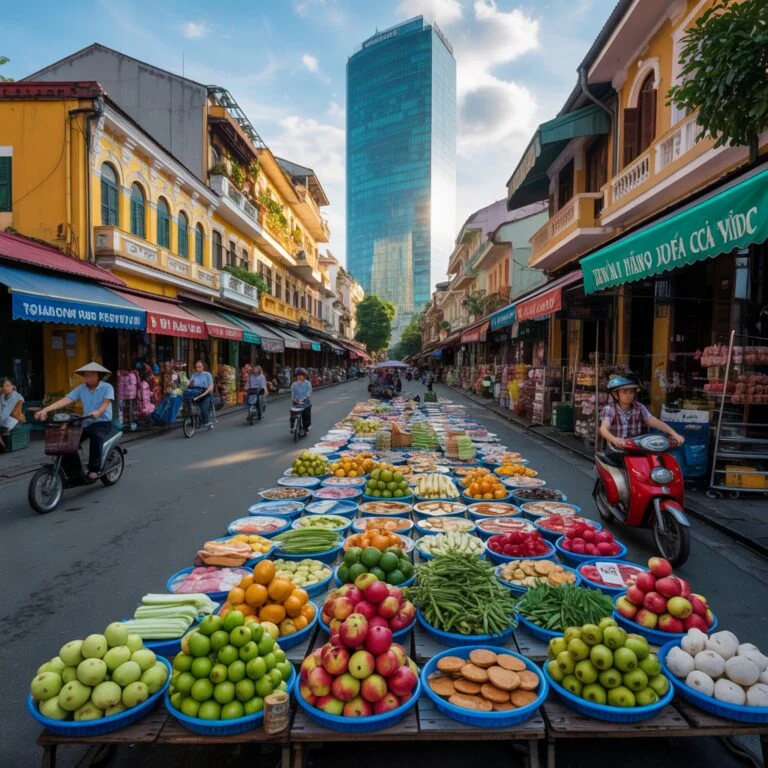
Hanoi is big, intense, and scooter-packed, and it rewards 2 to 3 days: the 36-street Old Quarter, Hoan Kiem Lake, the Temple of Literature, Train Street, and an evening water puppet theatre performance.
Ninh Binh: Vietnam’s “Ha Long Bay on Land”
Ninh Binh sits 1.5 hours south of Hanoi by road, ideal as a day trip. Trang An and Tam Coc rowers paddle sampan boats through flooded karst grottoes, the Hang Mua viewpoint demands a 500-step climb for the best panorama, and the Bai Dinh temple complex covers the hillsides.
Northern Vietnam Beyond Hanoi: Ha Long Bay and the Northern Highlands
Ha Long Bay, Lan Ha Bay and Bai Tu Long Bay: Choosing Your Vietnam Cruise
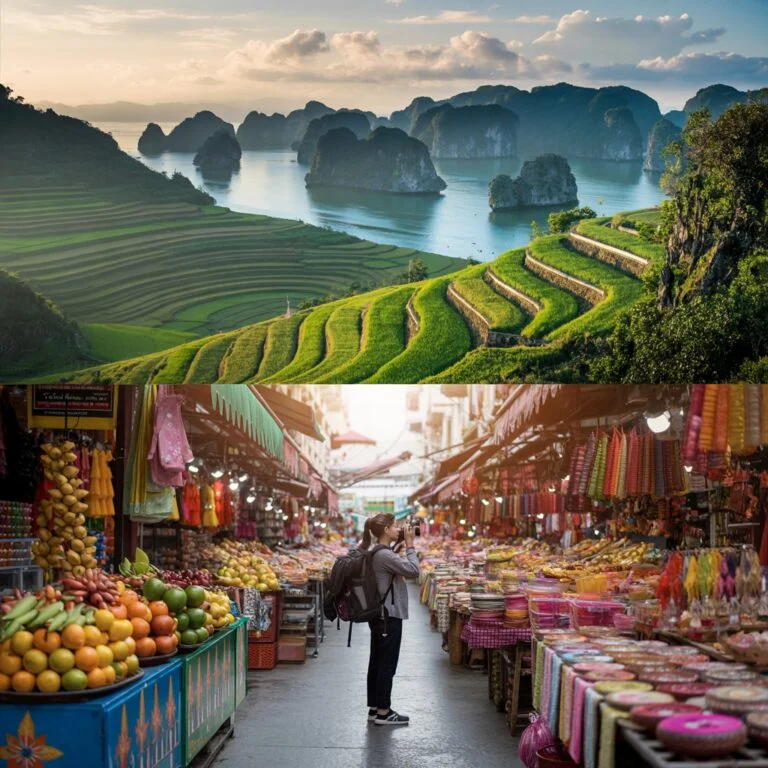
An overnight cruise is highly preferred; day trips are too crowded and only suit tight schedules. A traditional wooden junk boat anchors among the karst pillars, with kayaking and cave visits between meals. For fewer boats and lower prices, choose Lan Ha Bay or Bai Tu Long Bay: similar limestone scenery with less traffic. On our last trip, a Lan Ha Bay cruise cost noticeably less than comparable Ha Long departures.
Sapa and Ha Giang: Vietnam’s Northern Highlands
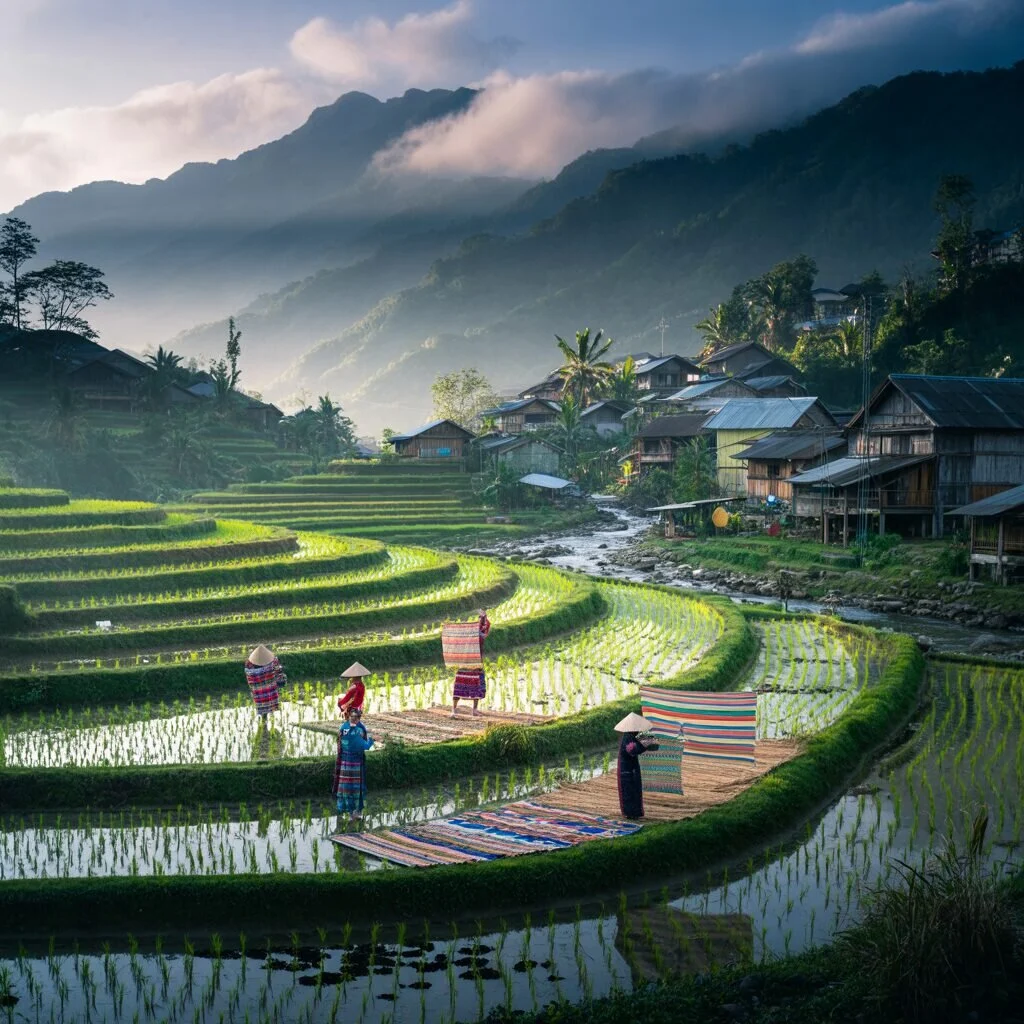
Both are detours from the main corridor. Sapa pairs rice-terrace treks with the cable car to Mt. Fansipan, while the Ha Giang 350-km motorbike loop near the Chinese border remains Vietnam’s most spectacular off-the-beaten-path route. Budget 2 to 3 days for either.
North-Central Vietnam: Phong Nha and Hue
Phong Nha: Vietnam’s Cave Kingdom
Phong Nha-Ke Bang National Park, north of Hue, houses over 300 caves, including Paradise Cave and the world’s largest, Son Doong (a 5-day expedition). Paradise Cave is the accessible option for a day visit.
Hue: Vietnam’s Imperial City and Royal Tombs
Hue, seat of Vietnam’s last royal dynasty, centers on the UNESCO-listed Imperial Citadel and the tombs of emperors Tu Duc and Khai Dinh along the Perfume River. Expect heavy rain from October to December.
Central Vietnam Coast: Da Nang and Hoi An
The central coast pairs Da Nang’s modern beach-city infrastructure with the perfectly preserved trading port history of Hoi An.
Da Nang and the Golden Bridge
Da Nang anchors 2 to 3 days on the central coast. The Golden Bridge at Ba Na Hills (~42 km away, ~1500m elevation) and the Dragon Bridge, which breathes fire on Saturdays and Sundays at 9 pm, are the signature sights; from experience, ride the Ba Na Hills cable car at 8 AM on a weekday, before the tour buses arrive. The Marble Mountains, five limestone hills on the 30-minute road toward Hoi An, are best early morning; allow 5 to 6 hours for the caves and viewpoints.
Hoi An: Vietnam’s Ancient Town of Lanterns
Hoi An’s UNESCO-listed Ancient Town is Vietnam’s most linger-worthy stop: lantern-lit streets, the Japanese Covered Bridge, An Bang beach, the night market, and tailor shops producing custom clothing in 24 hours. During the monthly lantern festival, the whole town turns candle-lit after dark.
Southern Vietnam: Da Lat and Ho Chi Minh City
Southern Vietnam contrasts the cool, pine-forested mountains of Da Lat with the relentless, scooter-filled energy of the country’s financial capital.
Da Lat: Vietnam’s Highland Escape
Da Lat escapes the southern heat with a cool 15-20°C climate: the surreal Crazy House, canyoning trips, and motorbike rides through pine forests.
Ho Chi Minh City: Vietnam’s Southern Pulse
Ho Chi Minh City runs at full volume: District 1, the War Remnants Museum, and Ben Thanh Market. A standard day trip reaches the Cu Chi Tunnels in the Cu Chi district northwest of the city.
Far South and Islands: The Mekong Delta and Phu Quoc
The deep south slows the pace entirely, shifting from the agricultural river networks of the Mekong to the white-sand resorts of the Gulf of Thailand.
The Mekong Delta: Vietnam’s Waterways
The Mekong Delta trades roads for rivers: stilt houses, orchards, and the Cai Rang floating market, which operates best before dawn. On our last visit we arrived by 5:30 AM; by 7 AM the wholesale boats were packing up. Base overnight in Can Tho rather than day-tripping.
Phu Quoc: Vietnam’s Island Paradise
Phu Quoc closes the route with a 150-km coastline, Long Beach, and Sao Beach. Direct flights from Ho Chi Minh City take under 1 hour, and duty-free status keeps the island affordable for a 2 to 3 day resort stay. Quieter alternatives include Con Dao and the Cham Islands.
How to Plan a Vietnam Itinerary: 7-Day, 10-Day and 14-Day Routes
The top places to visit in Vietnam fit three standard route lengths: a 7-day trip covers Hanoi, Ha Long Bay, Hoi An, and Ho Chi Minh City, while 14 days add Phong Nha, Ninh Binh, and Phu Quoc. Incorporate a “one do-nothing day” rule; for Tet 2027 (early February) book transport 4 to 6 weeks ahead. Travelers with spare days add the Mui Ne sand dunes between Hoi An and Ho Chi Minh City.
7-Day Vietnam Itinerary
- Days 1-2: Hanoi
- Day 3: Ha Long Bay overnight cruise
- Days 4-5: Hoi An
- Days 6-7: Ho Chi Minh City
10-Day Vietnam Itinerary
- Days 1-3: Hanoi and Ninh Binh
- Day 4: Ha Long Bay
- Days 5-7: Hue and Hoi An
- Days 8-10: Ho Chi Minh City and Mekong Delta
14-Day Vietnam Itinerary
- Days 1-4: Hanoi, Ninh Binh, and Ha Long Bay
- Days 5-6: Phong Nha
- Days 7-9: Hue, Da Nang, and Hoi An
- Days 10-14: Ho Chi Minh City, Mekong Delta, and Phu Quoc
Getting Around Vietnam: Trains, Flights, Buses and Scooters
Domestic flights cost $30 to $60 USD one-way and link every major hub. The scenic alternative is the railway: the popular Hanoi to Da Nang overnight leg costs about $25 to $40 for a soft berth and takes roughly 16 hours. In cities, the Grab ride-hailing app charges about $0.50 per kilometer, with airport transfers around $8 to $12.
Be honest about scooter legality: riding legally requires a valid International Driving Permit (IDP) with a motorcycle endorsement. Without the proper IDP, travel insurance policies void accident claims. Check the US State Department’s current Vietnam travel advisory before departure as an external source for safety updates.
| Route | Transport | Time | Cost | Tip |
|---|---|---|---|---|
| Ho Chi Minh City to Phu Quoc | Flight | Under 1 hour | $30 to $60 USD | Direct flights operate daily. |
| Hanoi to Ninh Binh | Road | 1.5 hours | Varies | Book a private car or day tour. |
| Da Nang to Hoi An | Road | 30 minutes | Varies | Stop at the Marble Mountains. |
What a Vietnam Trip Costs in 2026: Daily Budget Guide
Budget travelers spend $30 to $40 USD per day in Vietnam, mid-range runs $80 to $120 USD per day, and luxury resort stays start near $200+ USD per day. Regional prices vary widely: Ninh Binh costs about $30 per day with a homestay and meals, Ha Long Bay overnight cruises run $80 to $150 per person, and Phu Quoc resorts start at $200 per night. Withdraw Vietnamese Dong from ATMs for street vendors; hotels and larger restaurants accept credit cards.
| Category | Budget | Mid-Range | Luxe in USD |
|---|---|---|---|
| Daily Cost | $30 to $40 USD | $80 to $120 USD | $200+ USD |
| Accommodation | Hostels | 3 to 4 star hotels | Resorts |
| Food & Transport | Street food | Restaurants | Private transfers |
Must-Try Vietnamese Food on Your Route
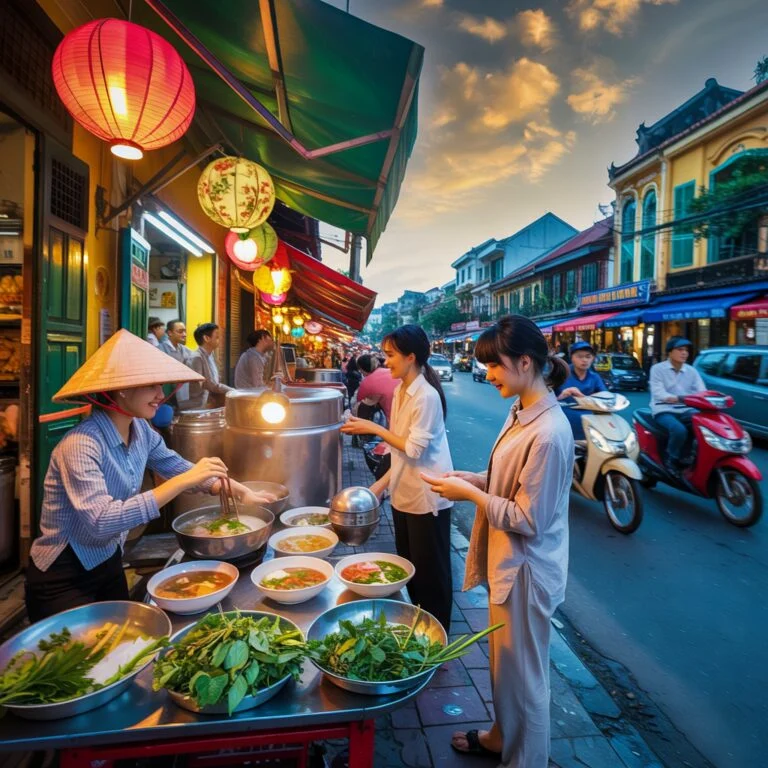
Pho, banh mi, bun cha, cao lau, and Vietnamese egg coffee are the essential dishes on a north-to-south Vietnam route. Eat where locals queue, say ‘không cay’ to order a dish not spicy, and look for ‘quán chay’ signs for vegetarian and vegan kitchens.
- Pho, Hanoi Old Quarter breakfast stalls
- Bun cha, Hanoi lunch counters
- Vietnamese egg coffee, Hanoi cafés
- Banh mi, Da Nang and Hoi An street stalls
- Cao lau, Hoi An Ancient Town
- White rose dumplings, Hoi An
- Bun bo Hue, Hue
- Com tam, Ho Chi Minh City
- Banh xeo, Mekong Delta
- Grilled fresh seafood, Phu Quoc
Connectivity, Health, and Etiquette for Vietnam Travel
A Vietnam eSIM from Viettel costs $5 to $10 USD for a 10-day data package, and tap water is never safe to drink anywhere in the country.
Staying Connected: eSIM and Local SIM Cards
Wi-Fi is widespread in Vietnamese hotels and cafés, but a Viettel eSIM gives you reliable mobile data from the moment you land. Buy online before departure or at airport counters, and confirm your phone supports eSIM.
Health, Safety and Travel Insurance
Tap water is undrinkable everywhere in Vietnam: use bottled water for drinking and brushing your teeth, and be careful with ice in rural areas. Dengue is a risk, so apply DEET repellent at dawn and dusk. Medical travel insurance is essential for cave visits (Paradise Cave entry costs 250,000 VND) and scooter rides; without the proper IDP, accident claims are voided.
Tipping and Cultural Etiquette
Tipping guides and drivers 50,000 to 100,000 VND ($2 to $4 USD) is customary. Active religious sites require dress codes covering shoulders and knees.
Essential Vietnamese Phrases
| Phrase | Pronunciation | Meaning |
|---|---|---|
| Xin chào | Sin chow | Hello |
| Cảm ơn | Kahm uhn | Thank you |
| Không cay | Khom kai | Not spicy |
FAQ: Top Places to Visit in Vietnam (2026)
What are the top places to visit in Vietnam for a first-timer?
First-timers should visit Hanoi, Ha Long Bay, Ninh Binh, Hue, Da Nang, Hoi An, Phong Nha, Ho Chi Minh City, the Mekong Delta, and Phu Quoc, typically traveled north to south over 10 to 14 days. Compare all 12 destinations.
How many days do I need to visit the best destinations in Vietnam?
Plan 10 to 14 days for the full route; 7 days covers Hanoi, Ha Long Bay, Hoi An, and Ho Chi Minh City, while 14 days adds Phong Nha, Ninh Binh, and Phu Quoc. See day-by-day itineraries.
Is Ha Long Bay worth visiting, or are there quieter alternatives?
Yes, but crowds are heavy. Lan Ha Bay and Bai Tu Long Bay offer similar limestone karst scenery with fewer boats and lower overnight cruise prices. Compare the three bays.
Do US citizens need a visa to visit Vietnam in 2026?
Yes. The e-visa costs $25, is valid for 90 days with multiple entries, and processes in about 3 business days through the external immigration portal. Read the step-by-step guide.
What is the best month to travel from north to south Vietnam?
No single month suits all three climates: the North is dry December to April, Central Vietnam February to April and August, and the South November to April. Check the month-by-month calendar.
How much money do I need for a two-week trip to Vietnam?
Budget travelers spend $30 to $40 per day, mid-range $80 to $120, and luxury from $200 per day, excluding international flights. View the daily budget guide.
Is it safe to rent a motorbike in Vietnam as a tourist?
Only with a valid International Driving Permit carrying a motorcycle endorsement; without it, travel insurance voids accident claims. Read the transport safety guide.
What happens if I travel to Vietnam during Tet in 2027?
Tet falls in early February 2027: many attractions close and domestic transport prices often double. Book flights and hotels 4 to 6 weeks ahead. Read our Tet travel advice.
Which is better for tourists: Hanoi or Ho Chi Minh City?
Hanoi offers the 36-street Old Quarter and water puppet theatre; Ho Chi Minh City counters with the War Remnants Museum, Ben Thanh Market, and Cu Chi Tunnels. Compare both cities.
Can I drink the tap water in Vietnam?
No. Use bottled or filtered water for drinking and brushing your teeth, and be careful with ice in rural areas. Read more health tips.
What food should I try in Vietnam?
Try pho and egg coffee in Hanoi, banh mi and cao lau in Hoi An, bun bo Hue in Hue, and com tam in Ho Chi Minh City. See the 10-dish list.
Is Vietnam safe for first-time US visitors?
Yes, with caution: the main risks are road traffic, scooter accidents, and pickpocketing. Check the US State Department’s current Vietnam travel advisory before departure. Read safety tips.