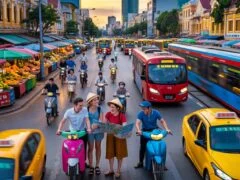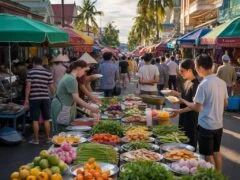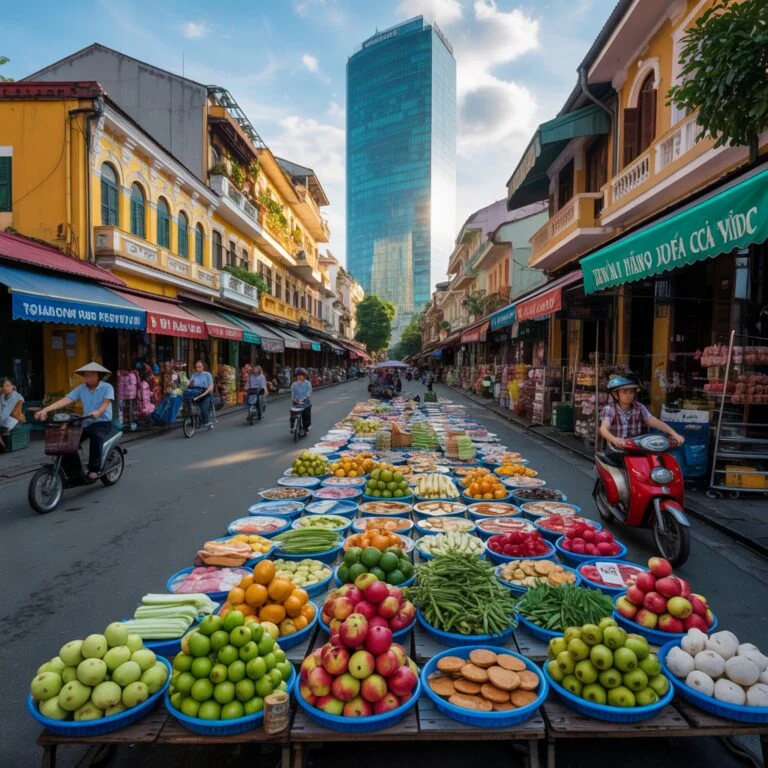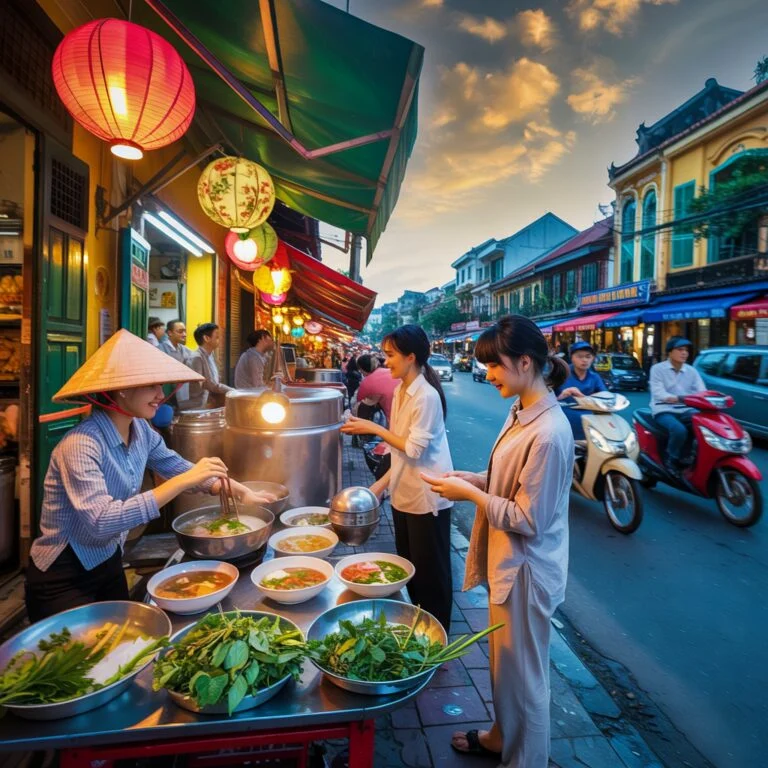


Is Vietnam safe for tourists in 2026? Yes. The country holds a Level 1 Travel Advisory from the US State Department and a Numbeo Crime Index around 40.65, making violent crime against visitors extremely rare.
While physical safety is high, visitors must prepare for pervasive petty crime, common scams, and chaotic traffic. Drive-by snatching, ATM fraud, and overcharging tactics remain significant daily nuisances. Avoiding these threats requires naming exact locations (Hanoi Old Quarter, Bui Vien) and using specific tools (Grab, bank-branch ATMs), not general caution.
This guide covers the essential Vietnam travel safety rules: pickpocketing hotspots in Hanoi and Ho Chi Minh City, methanol poisoning, scooter rental deposit traps, emergency numbers, and medical costs for 2026 travelers.
Is Vietnam Safe for Tourists? The 2026 Overview
Vietnam holds a US State Department Level 1 Travel Advisory status for 2026 and ranks in the top 40 on the Global Peace Index, with a Numbeo Crime Index of approximately 40.65, making violent crime against tourists extremely rare.
Petty crime is the primary threat to visitors in Vietnam. While violent crime is rarer than in neighboring Thailand, drive-by snatching and pickpocketing require awareness in major cities.
Before departure, review the US State Department Level 1 Travel Advisory and Canada’s travel.gc.ca advisory for Vietnam; advisory status last verified on October 1, 2026.
Common Tourist Scams & Overcharging Tactics
Taxi meter fraud, shoe-shine tricks, and cyclo price traps are the most frequent tourist scams in Vietnam, preventable by using Grab, Mai Linh, or Vinasun.
Transportation remains a primary risk: unlicensed drivers across Vietnam use broken meters, insist on inflated fixed prices, or take excessively long routes. Stick exclusively to the Grab app or trusted Mai Linh (green cars) and Vinasun (white cars) vehicles.
Overcharging Tactics Beyond Taxis: The Complete List
| Scheme Name | How It Works | Location | Avoidance |
|---|---|---|---|
| Market scales | Vendors use rigged scales to overcharge. | Local markets | Compare weights elsewhere. |
| Menu-switching | Staff show a cheap menu, then bill from a pricey one. | Tourist restaurants | Photograph prices before ordering. |
| Street-food fixed prices | Vendors refuse to state a price upfront. | Street food stalls | Agree on the exact cost first. |
| Cyclo pricing | Drivers inflate the agreed fare at the end. | City centers | Write down the final price before boarding. |
| Shoe-shine bait | Scammers grab shoes off pedestrians for forced repairs. | Tourist streets | Keep walking and decline. |
| Halong Bay upsells | Operators demand extra fees for standard inclusions. | Halong Bay | Book via verified platforms. |
Pickpocketing Hotspots & ATM Fraud Risks
Hanoi Old Quarter, Ho Chi Minh City’s Bui Vien, Ben Thanh Market, and Da Nang’s My Khe Beach are the highest-risk pickpocketing zones in Vietnam for drive-by snatching, while ATM fraud requires vigilance at street cash machines.
| High-Risk Location | Primary Threat |
|---|---|
| Hanoi Old Quarter and Ha Long Bay pier | Pickpocketing in dense crowds |
| HCMC (Bui Vien, Ben Thanh Market) | Bag snatching and phone theft |
| Da Nang (My Khe Beach strip) | Unattended item theft |
ATM fraud in Vietnam relies on card skimmers and pinhole cameras. Wiggle the card slot for loose skimming devices, cover the keypad when entering your PIN, and use ATMs located entirely inside bank branches like Vietcombank, BIDV, or Techcombank.
The Anatomy of a Street Theft in Vietnam
The most common technique is drive-by snatching, where thieves on motor scooters grab phones, purses, or cameras from pedestrians. I once watched a tourist lose a phone in under 3 seconds on Bui Vien Street: a scooter stopped, grabbed, and vanished. The Tet holiday, which next falls in late January/early February 2027, historically brings a sharp spike in these incidents across Vietnam.
Food, Water & Health Safety in Vietnam
Street food in Vietnam is generally safe at high-turnover stalls with visible cooking; avoid raw vegetables and unpeeled fruit at street carts. Tap water is unsafe to drink anywhere in the country, so consume only bottled or purified water and check that seals are intact before buying.
Mosquito-borne diseases pose consistent risks: dengue fever occurs year-round in Vietnam, particularly in Ho Chi Minh City and the Mekong Delta, while malaria affects the rural highlands.
Motorcycle Risks & The Scooter Rental Scam
Motorbike accidents are the number one cause of serious tourist injury and death in Vietnam, and rental shops often inflate damage claims to withhold $40 to $130 USD deposits.
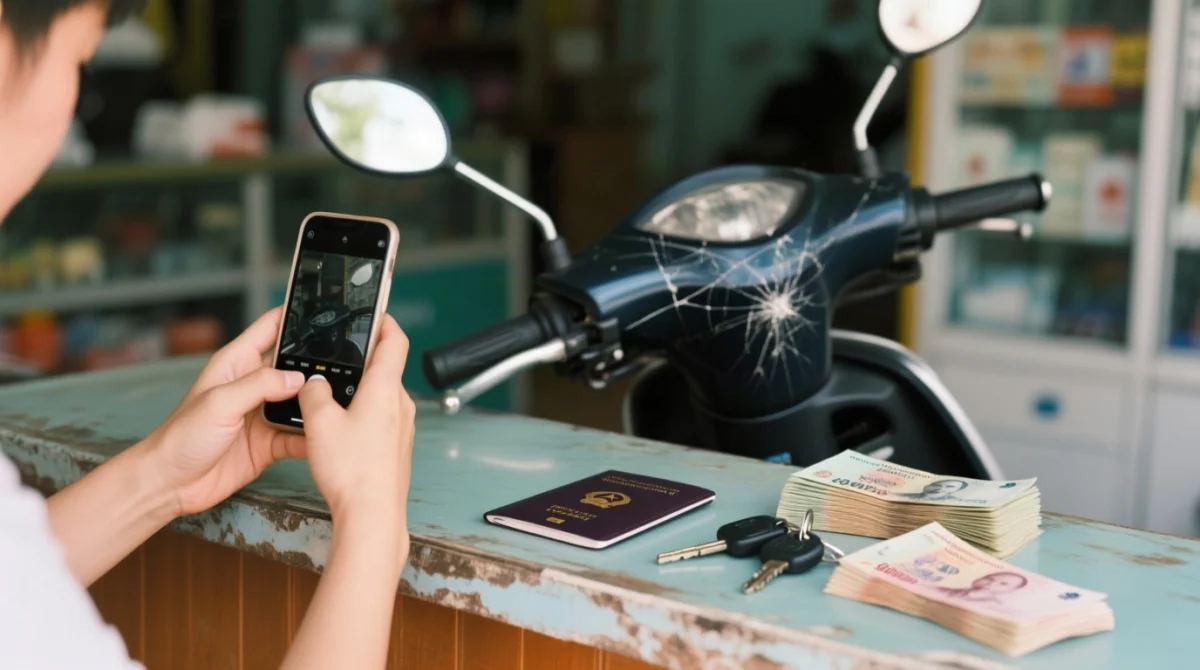
Motorcycle transport is the highest-severity risk for visitors in Vietnam. Local traffic laws are widely ignored, making road navigation highly dangerous. Wear a properly fastened helmet and hold a valid international driving permit; driving without one automatically voids travel insurance coverage in an accident.
Follow these steps to secure your scooter rental in Vietnam:
Never surrender your original passport
Corrupt shops confiscate passports as leverage to force payment for pre-existing scratches or mechanical issues.
Document the vehicle condition
Take detailed photos and videos of the scooter before leaving the lot to block inflated damage claims upon return.
Protect your deposit
Scammers routinely attempt to withhold deposits ranging from 1 to 3 million VND ($40 to $130 USD).
Is Vietnam Safe at Night?
Vietnam’s tourist districts in Hanoi and Ho Chi Minh City remain lively and generally safe until midnight, but methanol-tainted alcohol at cheap bars and petty theft after 1 AM are real risks. Stick to well-lit areas and avoid walking alone late at night.
Solo female travelers face low violent crime rates in Vietnam but often encounter cultural friction, such as persistent staring and direct questions about age or marital status.
Methanol Poisoning & Fake Alcohol
Methanol poisoning from fake or tainted alcohol at budget bars, especially in Bui Vien and Pham Ngu Lao, has caused tourist deaths. Only sealed, recognized liquor brands are safe; skip free-pour cocktails and unbranded spirits in backpacker nightlife zones.
Cultural Norms, Money Safety & Visas
Vietnam is a conservative country: visitors must cover shoulders and knees in temples, and public displays of affection are frowned upon.
Counterfeit VND notes circulate at unlicensed street money changers, so withdraw cash from bank ATMs instead. US visitors also need an e-visa to enter Vietnam; confirm current entry requirements before departure.
Emergency Numbers & Practical Safety Rules
Vietnam’s emergency numbers are Police 113, Ambulance 115, and Fire 114. If something goes wrong in Vietnam, follow this sequence: call the police, file a report at the nearest station (travel insurers require it for claims), contact the US Embassy in Hanoi or the US Consulate in Ho Chi Minh City, then notify your insurer.
| Service / Institution | Contact Number |
|---|---|
| Police | 113 |
| Ambulance | 115 |
| Fire | 114 |
| US Embassy Hanoi | +84-24-3850-5000 |
| US Consulate HCMC | +84-28-3822-9900 |
Daily Habits for Tourist Protection
- Carry a photocopy of your passport and leave the original secured in your hotel safe.
- Use crossbody bags to prevent bag snatching by passing scooters.
- Keep smartphones zipped away while walking near busy roads.
- Withdraw cash only from ATMs located inside bank branches, such as Vietcombank or BIDV.
- Book rides exclusively through the Grab app or use trusted Mai Linh and Vinasun taxis.
- Drink only bottled or purified water to prevent waterborne illness.
Medical Costs in Vietnam and Why Travel Insurance Is Essential
A private hospital consultation in Vietnam costs $30 to $80 USD, and dengue treatment ranges from $200 to $500 USD, with hospitals demanding upfront payment before treatment begins. Recommended facilities include Columbia Asia and FV Hospital in Ho Chi Minh City, Family Medical in HCMC and Hanoi, and International SOS in HCMC.
These immediate out-of-pocket expenses make travel insurance with at least $50,000 USD in medical coverage and emergency evacuation provisions essential for any 2026 Vietnam itinerary.
Frequently Asked Questions (FAQ)
Is Vietnam safer than Thailand for tourists?
Yes. Vietnam ranks in the top 40 of the Global Peace Index and violent crime is rarer than in Thailand, though petty scams require vigilance in both countries.
Is street food safe to eat in Vietnam?
Yes, at high-turnover stalls where food is cooked visibly; avoid raw vegetables and unpeeled fruit at street carts.
Is Vietnam safe for solo female travelers?
Generally yes, with very low violent crime; expect cultural friction such as staring and questions about age or marital status.
Do I need travel insurance for Vietnam?
Yes. Hospitals demand upfront payment, so carry a policy with at least $50,000 USD in medical coverage plus emergency evacuation.
What is the biggest mistake tourists make in Vietnam?
Renting a motorcycle without experience or a valid international driving permit, which voids travel insurance and causes the most serious injuries.
Is it safe to drink tap water in Vietnam?
No. Drink only bottled or purified water, check that seals are intact, and use bottled water for brushing your teeth.
Are taxis safe in Vietnam?
Physically yes, but meter fraud is common; use the Grab app or trusted Mai Linh and Vinasun companies.
Is Vietnam safe for tourists now in 2026?
Yes. Vietnam holds a US State Department Level 1 Travel Advisory for 2026; exercise normal precautions against petty theft and scams.
Last updated: October 1, 2026. Advisory status verified against travel.state.gov and travel.gc.ca; this guide is editorially reviewed before publication. Disclaimer: some links to booking platforms and insurance providers may be affiliate links, which does not affect our recommendations.