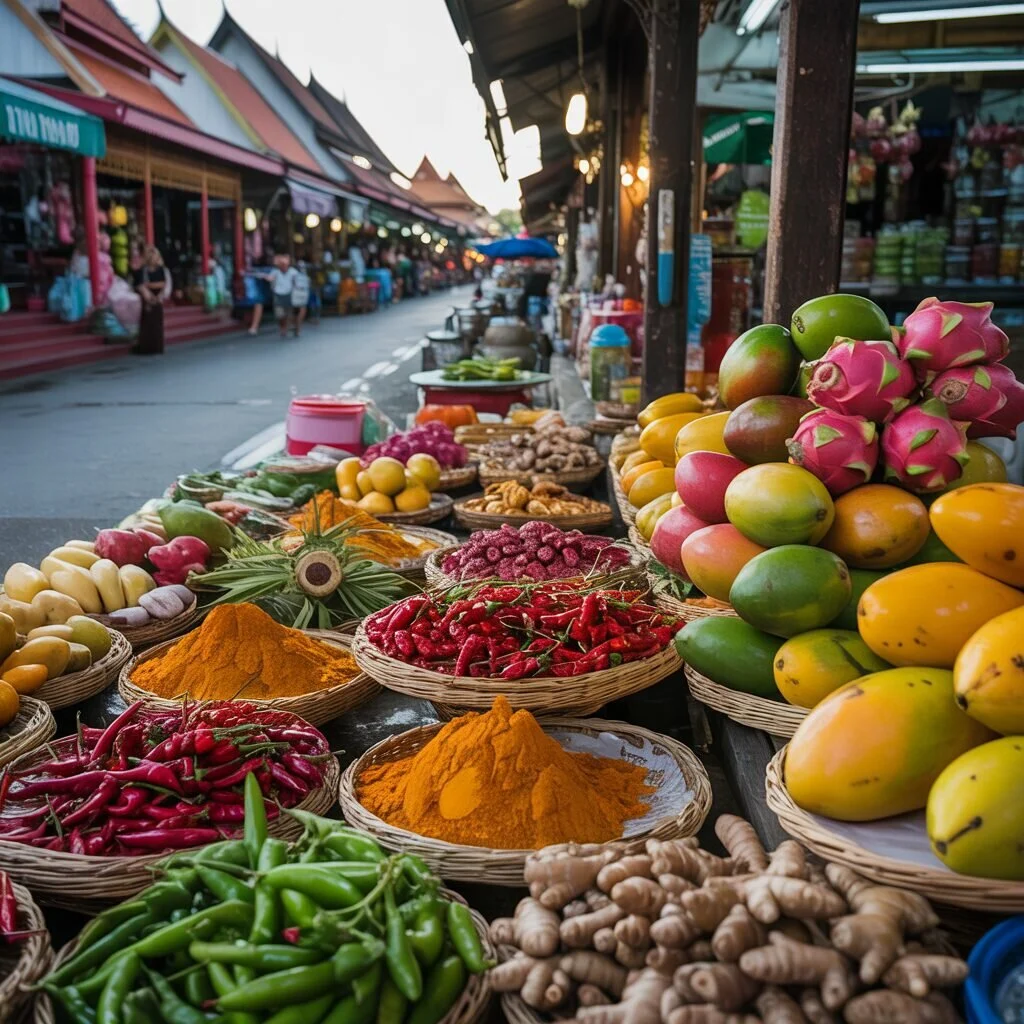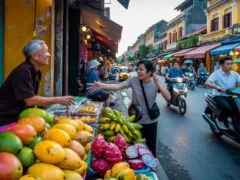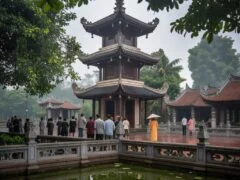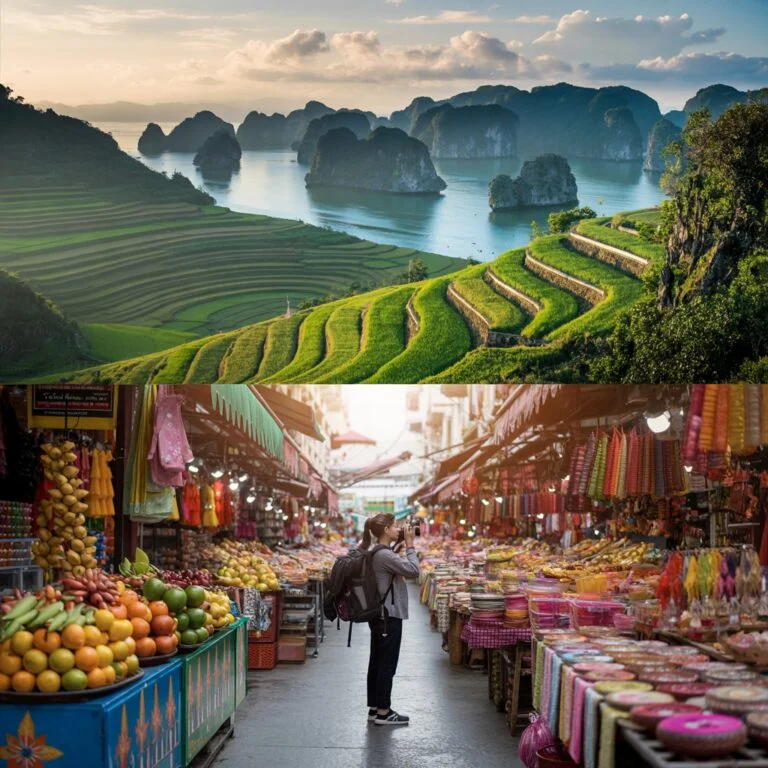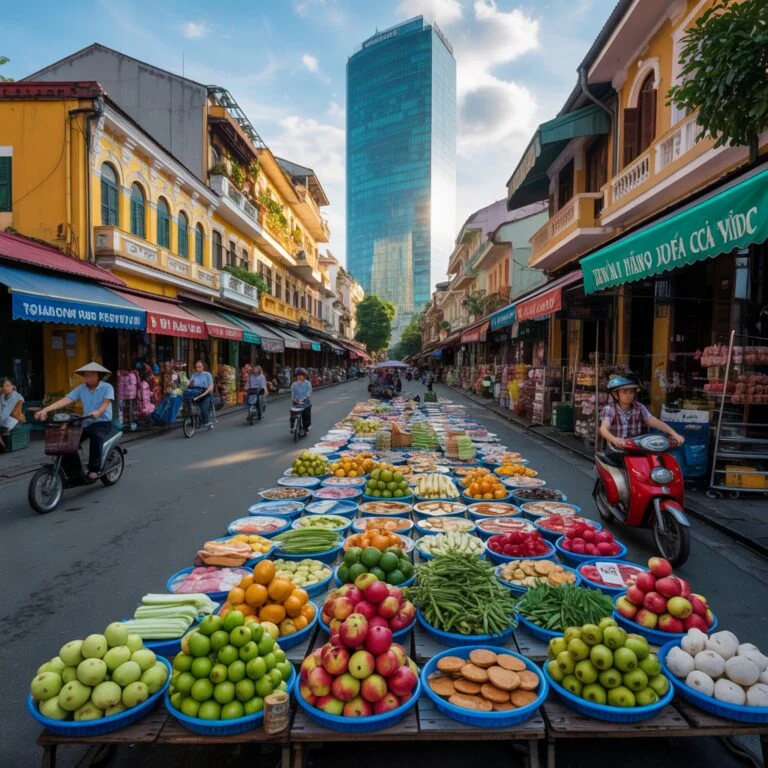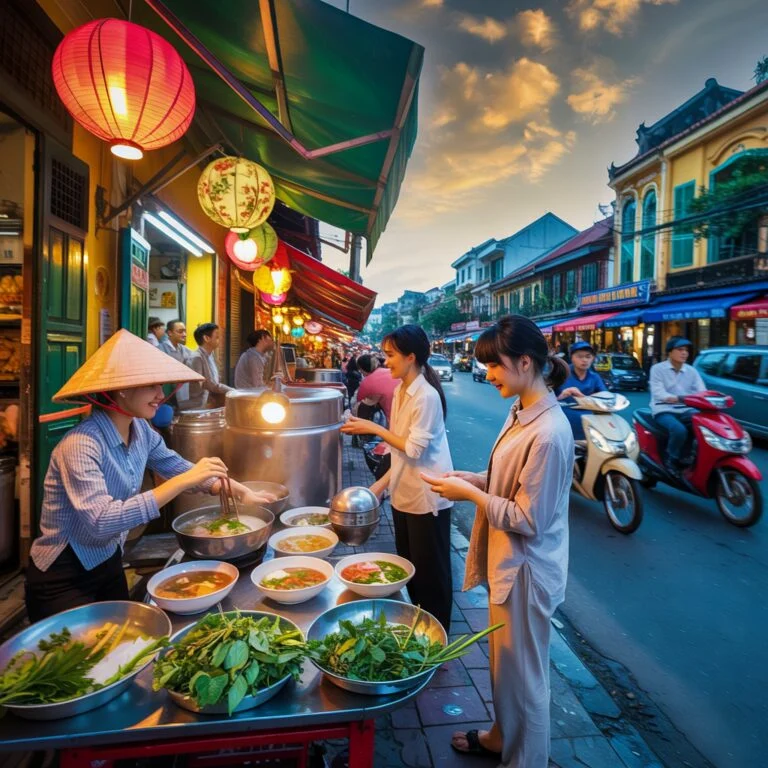

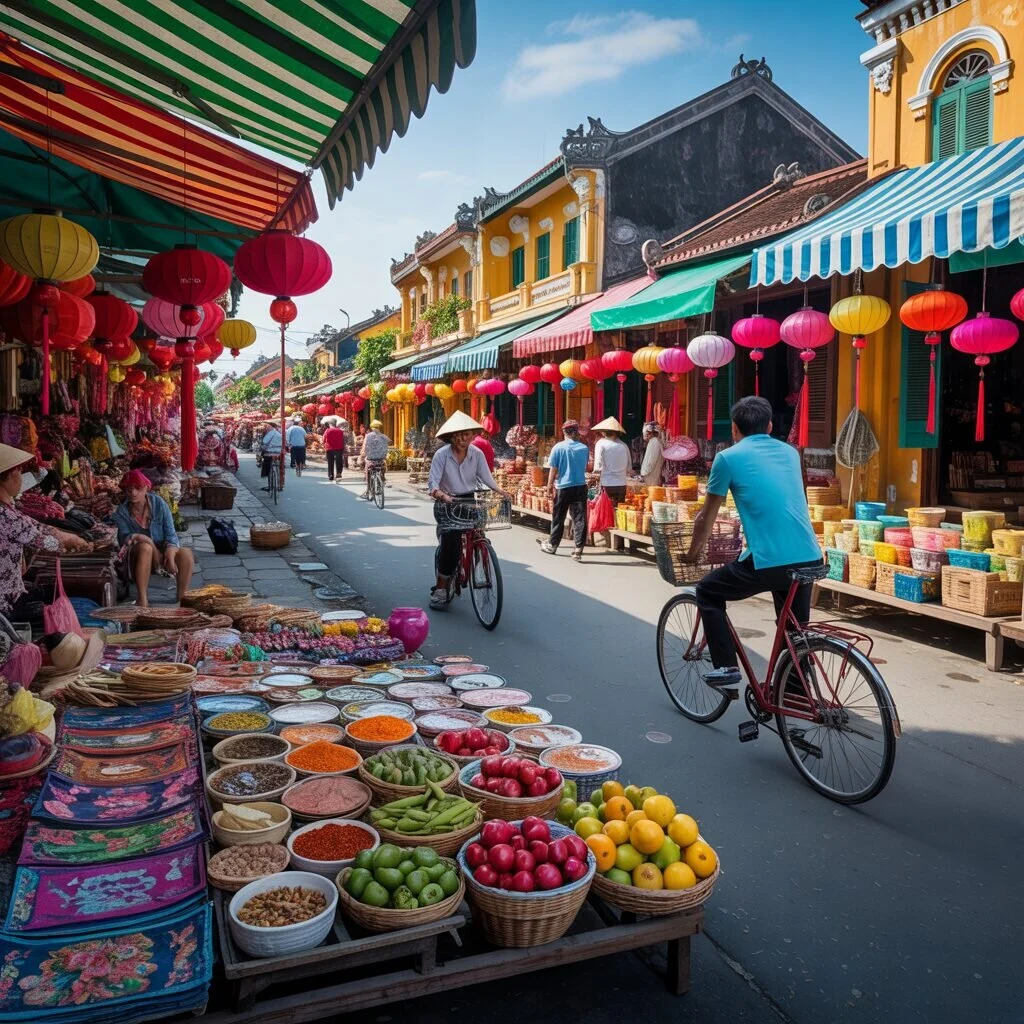
You can experience traditional Vietnamese culture in Hanoi (Temple of Literature), Hoi An UNESCO Ancient Town, Sapa ethnic villages, the Mekong Delta floating markets, Ho Chi Minh City and Da Nang. Hands on pottery workshops are available in Bat Trang.
Traditional Vietnamese culture is best experienced across these seven distinct regions, each offering unique heritage sites, craft workshops, and living rituals. Northern Vietnam favors Confucian formality and delicate cuisine, while southern Vietnam blends Khmer, Cham, and colonial influences with sweeter flavors and a faster pace.
A first time traveler can build a two week cultural itinerary connecting all these destinations by domestic flight, overnight train, and regional road. Homestays, cooking classes, and local markets provide a deeper understanding of the 54 ethnic groups (Kinh majority) that shape the country. All prices and schedules in this guide were verified in late 2025 through official tourism sources and on-site checks; this article contains no sponsored content. Last updated: October 2026.
North vs. South: The Cultural Differences That Shape Vietnam
Traditional Vietnamese culture divides into three cultural zones differing in cuisine, dialect, religion, festivals, architecture, and pace of life.
| Feature | North | Central | South |
|---|---|---|---|
| Cuisine | Subtle and balanced (pho, bun cha) | Bolder and intense (bun bo Hue) | Sweeter and generous (hu tieu, com tam, banh xeo) |
| Religion | Confucianism | Hue court traditions | Caodaism, Cham and Khmer mix |
| Festivals & Architecture | Formal Tet rituals, traditional structures | Imperial heritage | Dynamic Tet celebrations, colonial fusion |
Hanoi and Bat Trang: The Capital’s Living Heritage and Crafts
Traditional Vietnamese culture lives in Hanoi through the Temple of Literature built in 1070 and water puppetry, while nearby Bat Trang offers 11th-century pottery workshops.
Traditional Vietnamese culture is preserved in living form at the Temple of Literature, which houses 67 surviving stone stelae on stone turtles (out of 82). Visitors can also observe this heritage nightly at the Thang Long Water Puppet Theater, where tickets cost $9.00 per adult ($8.10 discounted).
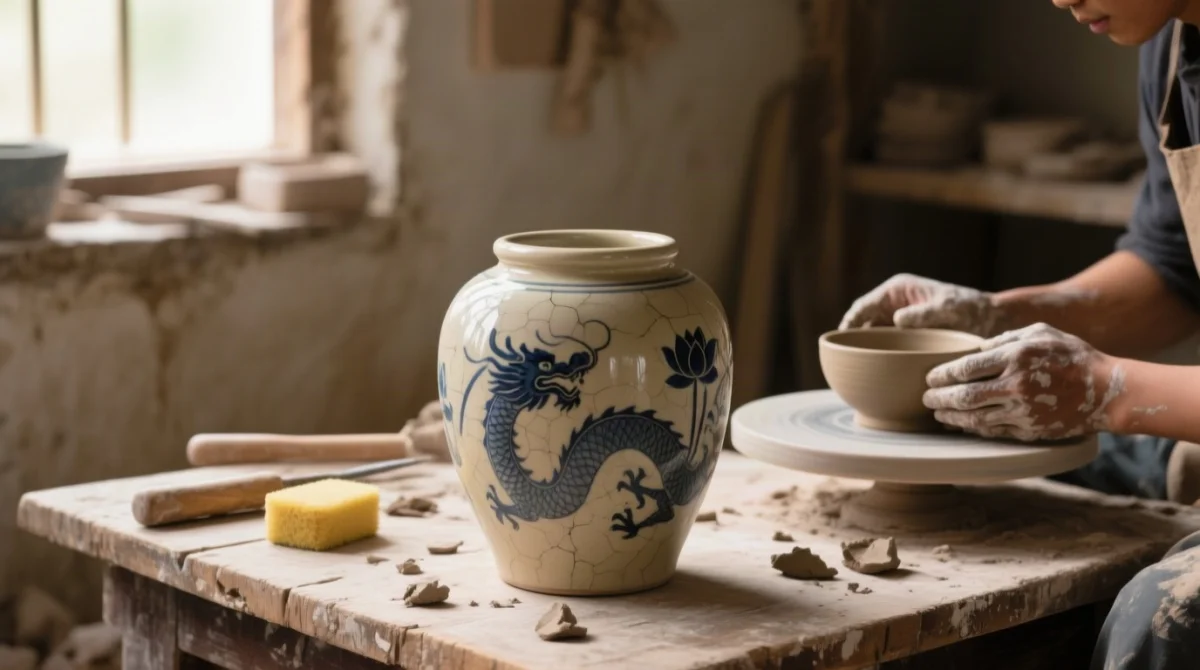
Bat Trang village, 14 km southeast across the Red River, maintains 11th-century Ly-dynasty ceramic techniques. Hands-on pottery workshops lasting one to two hours cost $8 to $15, and the village is a 30 to 40-minute public bus ride from the Old Quarter.
Sapa and the Northern Highlands: Ethnic Markets and Villages
Traditional Vietnamese culture is embodied in Sapa’s highland communities, where the cultural draw centers on Hmong and Dao villages, homestay treks, and vibrant weekend ethnic markets like Bac Ha and Can Cau.
Traditional Vietnamese culture thrives throughout the Muong Hoa valley, where Black Hmong and Red Dao ethnic groups maintain centuries-old customs. Travelers observe these practices directly at regional trading hubs, specifically the Bac Ha market on Sunday and the Can Cau market on Saturday. Visitors sleep in authentic nha san homestays to experience daily village life. When interacting with minority groups, proper etiquette requires asking permission before taking photographs.
Central Vietnam: Hoi An, Da Nang, and Imperial Hue
Central Vietnam preserves architectural heritage through Hoi An’s lantern-lit streets, Da Nang’s Cham artifacts, and Hue’s imperial citadel.
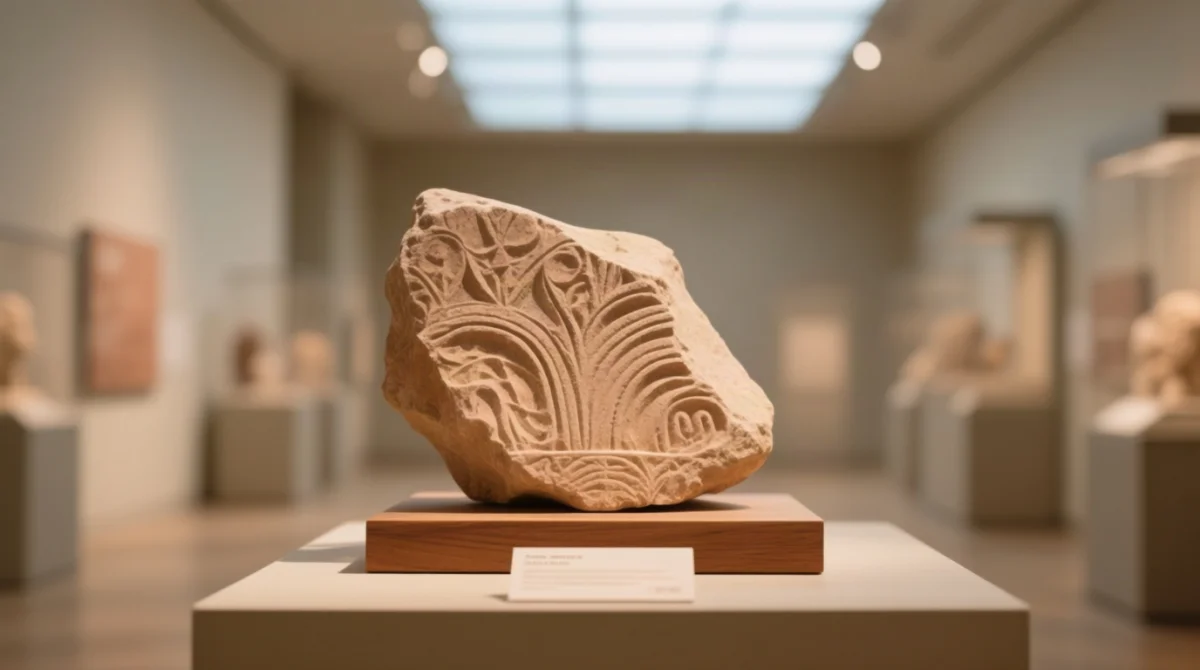
Traditional Vietnamese culture is preserved in living form within Hoi An Ancient Town, designated a UNESCO World Heritage Site in 1999. The area features over 800 wooden buildings spanning the 15th to 19th centuries, accessible via a VND 120,000 (~$5) entry pass.
Da Nang’s Museum of Cham Sculpture houses approximately 2,000 works of indigenous art. In Hue, visitors explore the Imperial Citadel, built in 1802 by Emperor Gia Long, with admission costing ~$8. This former capital also safeguards nha nhac, the royal court music recognized as UNESCO Intangible Heritage in 2003.
Ho Chi Minh City: Chinatown, Pagodas, and Southern History
Ho Chi Minh City’s cultural core spans Cho Lon’s Chinese pagodas, French colonial landmarks, and the historic Cu Chi Tunnels.
1863-1880
Notre-Dame Cathedral constructed, reflecting colonial influences in District 1
1909
Jade Emperor Pagoda built
1926
Cao Dai Holy See founded, ~60 km from the city, showcasing unique syncretic religious practices
1928
Binh Tay Market built, anchoring the Cho Lon district
1948-1975
Cu Chi Tunnels: ~250 km network illustrating wartime resilience
The Mekong Delta: Floating Markets and Life on the Water
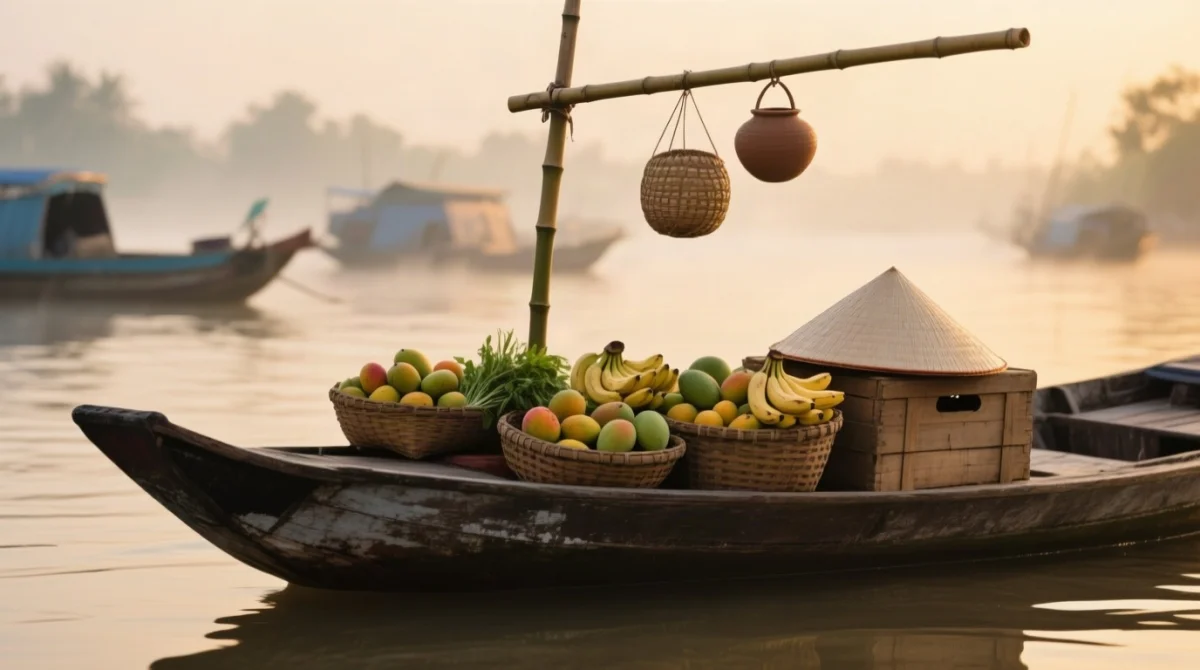
The Mekong Delta’s signature cultural experience is the Cai Rang Floating Market near Can Tho, best visited by boat at dawn. Traditional Vietnamese culture is embodied in this river ecosystem, where daily life unfolds on the water between 5:00 and 7:00 AM. Travelers can navigate this bustling trade hub for a boat cost of $8 to $12 per person.
Traditional Vietnamese culture reflects deep regional diversity in Chau Doc, home to Cham Muslim villages and the revered Ba Chua Xu Pagoda at Sam Mountain. Here, southern performing arts like ca roi and lion dance show strong Khmer influences, offering a distinct contrast to northern traditions.
Frequently Asked Questions About Traditional Vietnamese Culture
Can you give me an example of traditional Vietnamese culture?
An excellent example of traditional Vietnamese culture is ancestor worship, characterized by family altars present in nearly every home. Other vivid examples include wearing the ao dai or non la (conical hat), attending water puppetry performances, and participating in daily market to table culinary routines.
When are the major Vietnamese cultural festivals in 2026?
The two most significant events for experiencing traditional Vietnamese culture in 2026 are Tet Nguyen Dan, falling on 17 February 2026 (Year of the Horse), and the Mid-Autumn Festival on 25 September 2026.
Is it okay to wear red in Vietnam?
Yes, wearing red is generally acceptable and often encouraged, as it represents luck and prosperity in traditional Vietnamese culture. It is especially popular during Tet Nguyen Dan and the Mid-Autumn Festival.
What is one of the biggest etiquette mistakes you can make in Vietnam?
One of the biggest etiquette mistakes is ignoring the temple dress code, which requires covering shoulders and knees at spiritual sites. In Sapa’s ethnic minority villages, taking photographs of local residents without permission is also considered disrespectful.
How much do traditional cultural tours and classes in Vietnam cost?
Costs for traditional Vietnamese culture experiences in 2026: a Hanoi cooking class ~$35.07, a Bat Trang pottery workshop $8 to $15, the Hoi An Ancient Town pass VND 120,000, the Hue Imperial Citadel ~$8, and Thang Long Water Puppet Theater tickets $9.00.
How do I travel between Hanoi and Sapa for cultural tours?
Travel from Hanoi to Sapa by overnight train (~8 hours) or express bus (~5.5 to 6 hours) to reach the traditional Vietnamese culture of the northern highlands.
What is the best way to travel from Hoi An to Hue?
The most scenic route between these centers of traditional Vietnamese culture is the Hai Van Pass road: approximately 100 kilometers over a mountain pass with an elevation of 450 meters.
What traditional clothing should I look for in Vietnam?
When exploring traditional Vietnamese culture, the most prominent garments are the ao dai, an elegant long tunic worn over trousers, and the non la, the iconic conical hat. In Sapa, look for distinct traditional textiles worn by the Hmong, Dao, Tay, and Giay ethnic groups.