
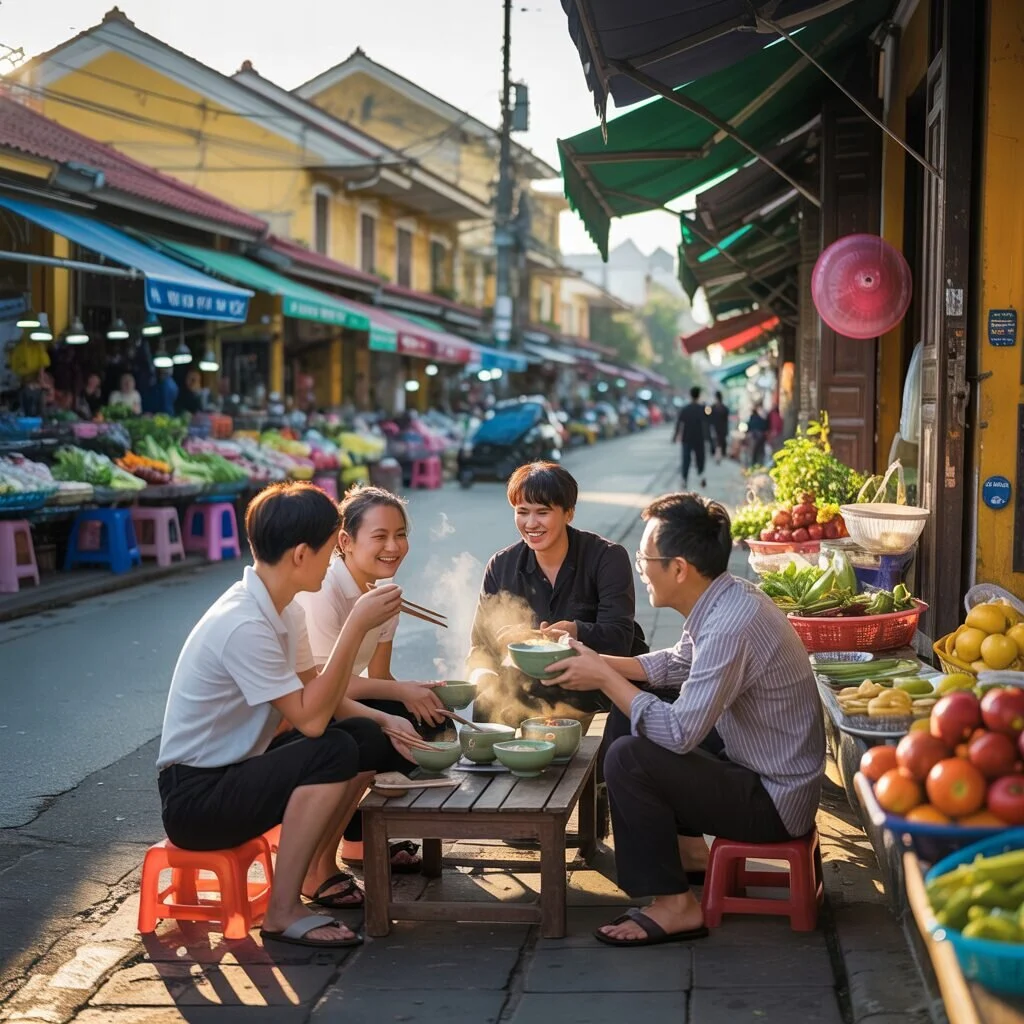
When asking what are the do’s and don’ts in Vietnamese culture?, remember: greet with a slight bow, use two hands for exchanges, remove shoes before entering homes and pagodas, and cover shoulders and knees at temples. Don’t touch heads, point with your feet, bargain in fixed-price shops, or criticize anyone publicly.
Vietnamese culture operates on a hierarchical, relationship-based foundation where preserving social harmony is vital. A single public misstep can break trust, making it crucial to learn proper pagoda etiquette, bargaining norms, and respectful address before you arrive.
Written by Anna Novak, a cultural consultant who has led 50+ tours in Vietnam and holds a degree in Southeast Asian Studies. Last updated: October 2026.
Why Etiquette Matters in Vietnamese Culture
Vietnamese communication is hierarchical and indirect, contrasting sharply with American directness. Vietnamese culture rewards patience, humility, and awareness of who is older or more senior in the room. A single public misstep that causes humiliation permanently breaks trust; relationships, not transactions, decide outcomes in Vietnamese culture.
This is an independent travel guide; for entry and visa rules, consult a Vietnamese embassy or the national tourism portal as an external source.
Saving Face (Mất Mặt) in Vietnamese Culture
Mất mặt (losing face) means public humiliation, and Vietnamese culture treats it as the worst possible social outcome. Locals avoid direct criticism, public arguments, and public displays of affection to preserve harmony; a quick hand-hold is fine, but kissing in the street draws uncomfortable attention. During my three years living in Hanoi, I learned that saving face is even more important than getting the right change.
When a service error occurs, frame it as a question rather than an accusation. Use this table to correct mistakes in Vietnamese culture:
| Scenario | Direct Approach (Avoid) | Saving Face Approach (Use Instead) |
|---|---|---|
| Waiter brings the wrong dish | “You made a mistake with my order.” | “I think there might be a slight mix-up with this dish.” |
| Tour guide provides incorrect timing | “You gave us the wrong departure time.” | “Could we clarify the schedule for today?” |
| Vendor overcharges you | “You overcharged me!” | “I think the total might be slightly off.” |
Greeting Vietnamese People Correctly in Vietnamese Culture
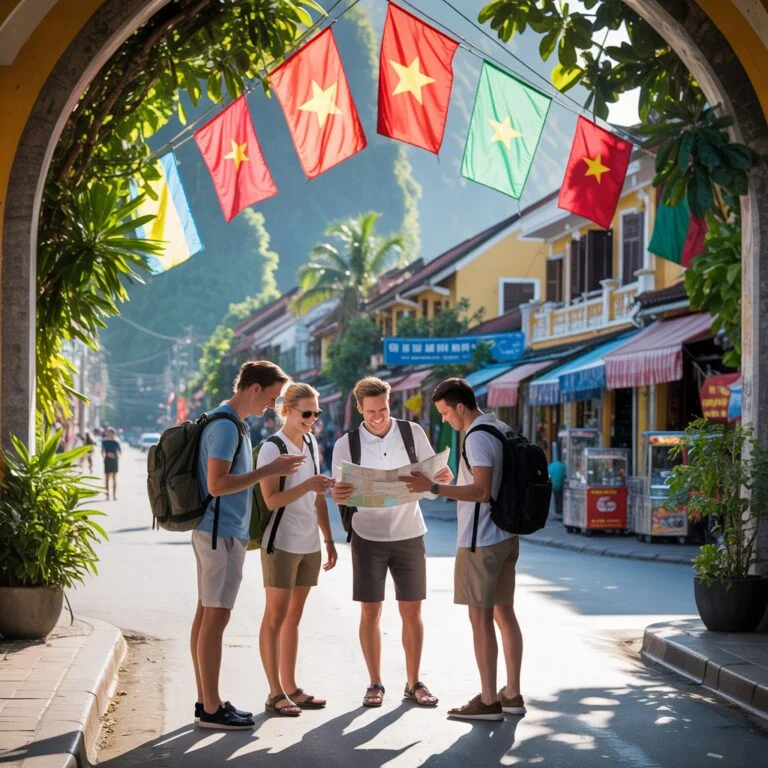
In Vietnamese culture, greet people with a slight bow and “xin chào” (pronounced “sin chow”), keep handshakes light, and exchange items with two hands. Decision flow: bow slightly for anyone older or senior; offer a light handshake with peers in business settings.
Honorific Pronouns for Respectful Address
Vietnamese culture uses age-based pronouns as its system of respectful address. Match your term to the person’s age and gender:
| Pronoun | Use It For |
|---|---|
| ông | An older man |
| bà | An older woman |
| anh | A slightly older male |
| chị | A slightly older female |
| em | A younger person, or as a polite neutral term |
Bowing vs. Handshake and Two-Handed Exchanges
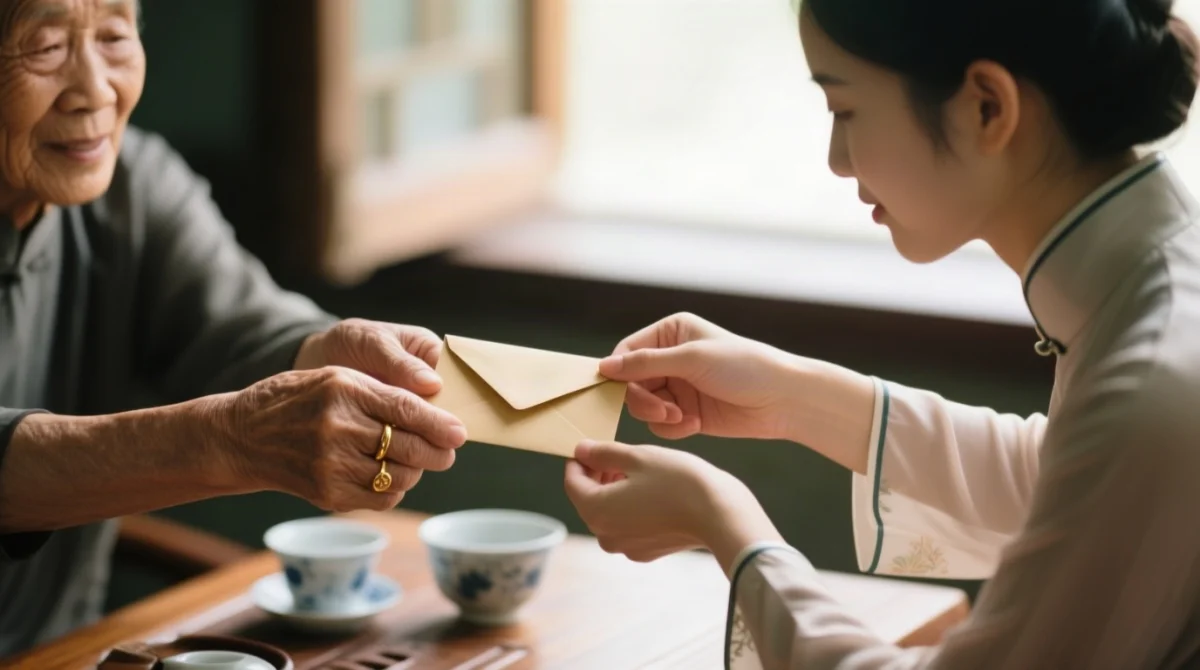
The bowing vs. handshake rule is simple: a slight bow honors elders and monks, while a light handshake suits modern business settings. According to Nguyễn Thị Hoa, a Vietnamese etiquette teacher based in Ho Chi Minh City, “using two hands to pass something is a non-negotiable sign of respect.” Always use two hands when passing business cards, gifts, or money in Vietnamese culture.
Respecting Elders in Vietnamese Culture
Age hierarchy dictates that elders eat first, receive two-handed exchanges, and are greeted with a deeper bow (e.g., ông for an older man, bà for an older woman). Vietnamese culture treats age as the primary social rank, so show elder respect by standing when an older person enters a room and waiting for the eldest to begin eating before you start.
The head is considered sacred in Vietnamese culture, so never touch anyone’s head, including children’s; this ranks among the most common mistakes tourists make in Vietnam.
Visiting Temples and Pagodas in Vietnamese Culture
Vietnamese culture requires strict pagoda etiquette: remove shoes before entering, cover shoulders and knees, keep your voice low, and never point feet toward a Buddha statue or altar. Follow this entry checklist at every sacred site:
Remove shoes
Before entering any pagoda or temple
Cover shoulders and knees
Temple dress code for both men and women
Never point feet toward Buddha statues
Or altars at any sacred site
Keep voices low
During any incense offering
If you accept an incense offering, hold the sticks with two hands, bow toward the altar, and place them in the burner quietly. Silence your phone and step back if a ceremony is in progress.
Photography Inside Temples and Pagodas
Ask before photographing worshippers or ceremonies; in Vietnamese culture, a praying crowd is never photographed without consent. Many pagodas also ban flash near gilded statues, so check for signs or ask a monk using the title thầy.
Interacting with Monks in Vietnamese Culture
In Vietnamese culture, women never touch monks or hand items directly; place offerings on a table or tray instead.
Monk interaction follows strict rules. Greet a monk with a slight bow and the proper title thầy, and never sit higher than a monk; choose a lower seat when a monk is seated on the floor. Monks eat before noon, so alms offerings happen in the early morning; keep the exchange silent and unhurried, as Vietnamese culture treats the alms round as a meditation, not a transaction.
Ao Dai and Dress Codes in Vietnamese Culture
Vietnamese culture welcomes foreigners in the traditional Ao Dai, but white is reserved for mourning; rent one in Hội An for ~$10-$30.
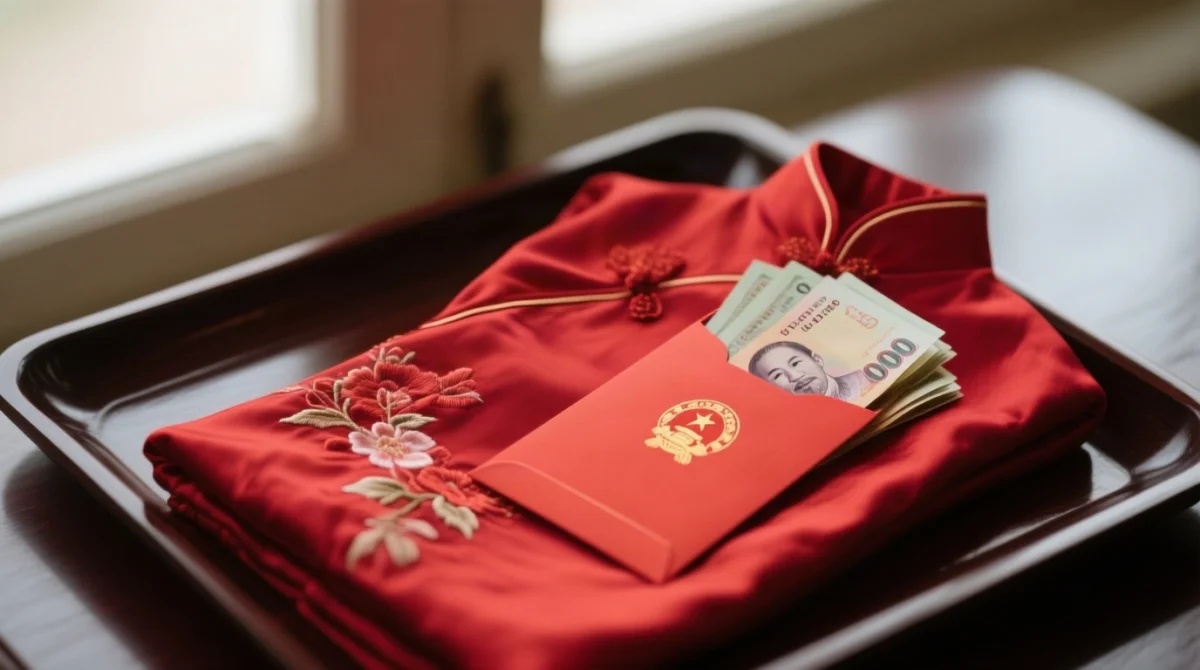
Foreigners may wear an Ao Dai at weddings, Tết celebrations, or temple visits. Rental shops in Hội An charge $10 to $30 for a fitted set, and tailors adjust the tunic so it falls below the knee over loose trousers. The non la (conical hat) is the everyday counterpart for photos, but remove hats inside temples. Never wear a white Ao Dai to a wedding: in Vietnamese culture, white strictly symbolizes mourning. The same temple dress code applies to any outfit: covered shoulders and knees, plus shoe removal before entering.
Market and Shopping Etiquette in Vietnamese Culture
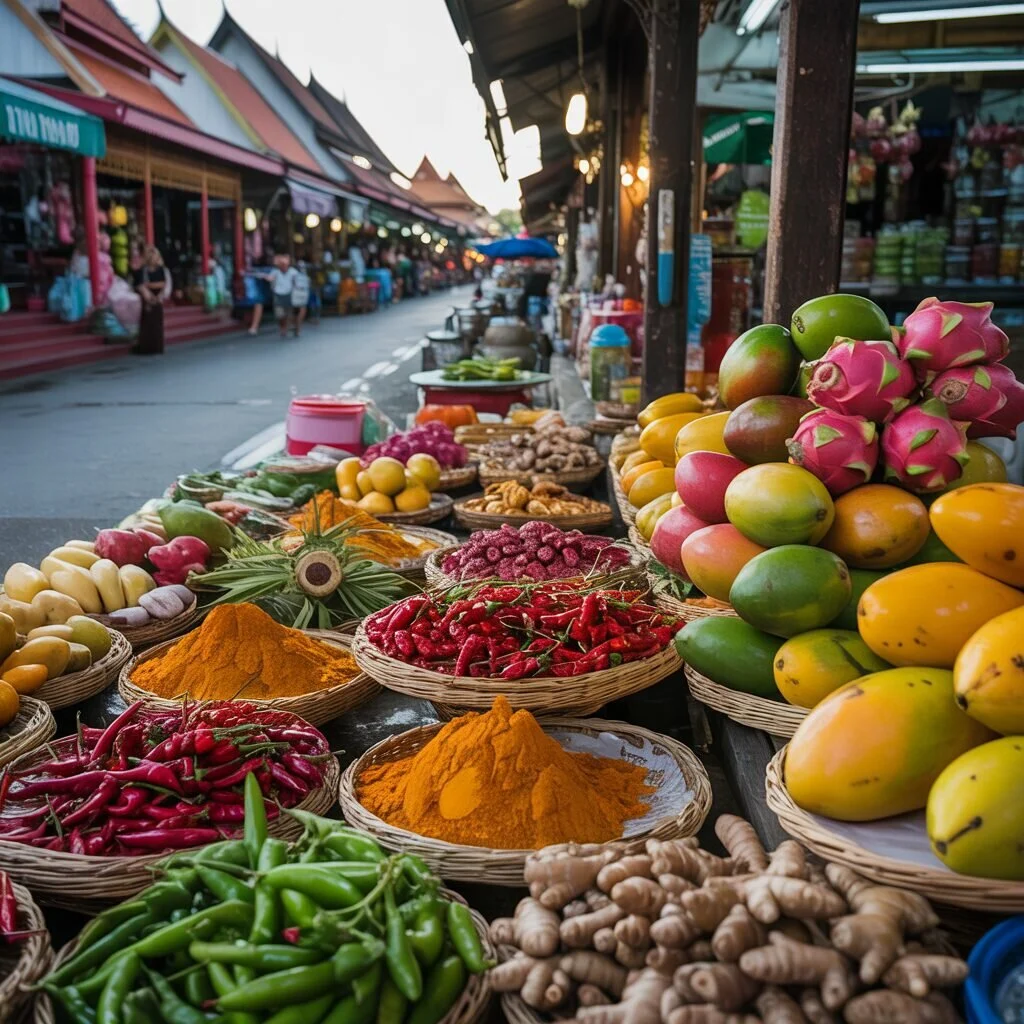
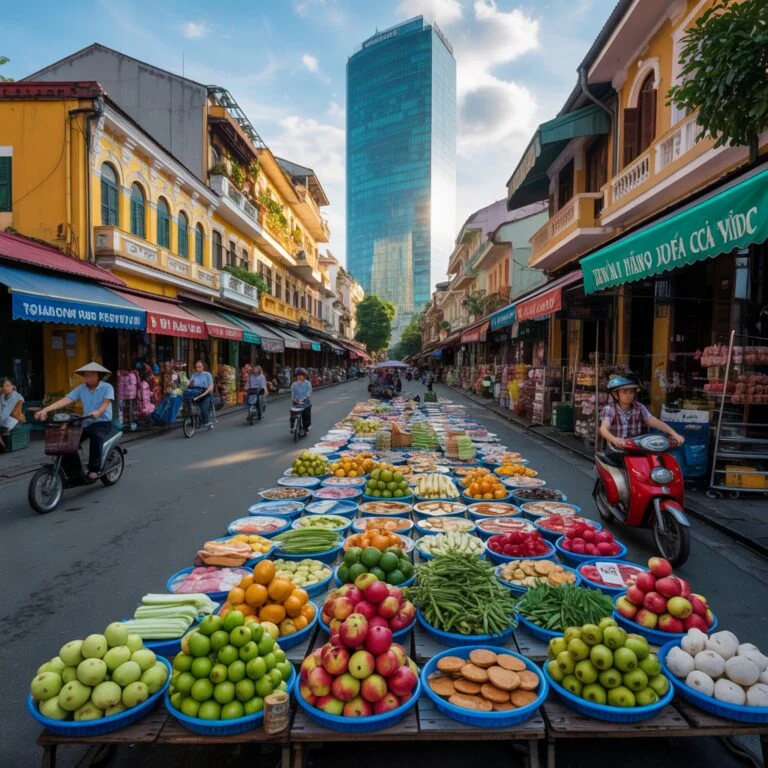
Bargaining is expected in Vietnamese market culture: start at 50-70% of the asking price, but never haggle in fixed-price shops, pharmacies, or restaurants.
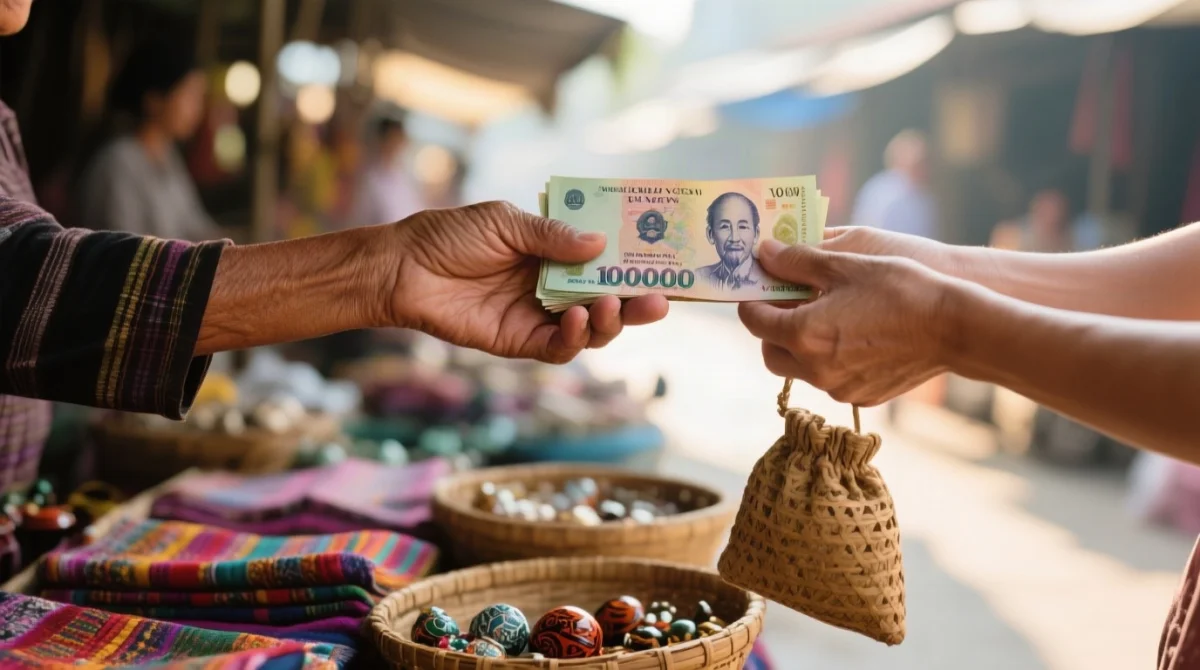
Approach haggling with a polite smile and humor; Vietnamese culture rewards warmth over aggression. Start at 50-70% of the asking price, then walk away politely to test the seller’s bottom line. Never haggle over trivial amounts like 10,000 VND (~$0.40): with the 2026 exchange rate at 1 USD ≈ 25,000 VND, arguing over small change breaks social harmony in Vietnamese culture.
Photography Rules in Vietnam: Etiquette in Vietnamese Culture
Vietnamese culture treats photography as a privilege: always ask before portraits, and never photograph military sites, border zones, or police.
Green zone (public landscapes, general architecture) needs no permission. Yellow zone (locals, vendors wearing a non la, monks) always requires consent. Red zone (military sites, border zones, police) is prohibited. Heed drone permit warnings as well: flying unregistered equipment without government approval violates local laws in Vietnamese culture.
| Subject | Etiquette Rule |
|---|---|
| Public landscapes, general architecture (green zone) | Acceptable without explicit permission. |
| Locals, vendors, monks (yellow zone) | Always ask for permission first. |
| Military sites, border zones, police (red zone) | Never photograph. |
Attending a Vietnamese Wedding: Etiquette in Vietnamese Culture
Vietnamese culture expects wedding guests to bring cash in a red envelope (phong bì): 500,000-1,000,000 VND ($20-$40) for acquaintances and 2,000,000+ VND ($80+) for close friends.
Wedding gift customs are financial: present cash inside a phong bì, never loose bills. Dress in red, pink, or gold; never wear white or black, as Vietnamese culture reserves both for mourning. Never gift clocks, knives, sharp objects, or white flowers, which are taboo gifts at any celebration.
Dining, Drinking and Money Etiquette in Vietnamese Culture
In Vietnamese culture, never stick chopsticks upright in rice (funeral symbolism); pour drinks for others first and wait for the eldest to begin.
Shared dishes are passed clockwise. Never stick chopsticks upright in a rice bowl: the position mirrors incense sticks burned for ancestor worship and carries funeral symbolism. Never pass food chopstick-to-chopstick. Wait for the eldest person to begin eating before you start.
Alcohol and “một, hai, ba, dzô!”
Pour beverages for elders first and refill others’ glasses before your own. The standard toasting phrase is “một, hai, ba, dzô!” (mot, hai, ba, zo); raise your glass, make eye contact, and drink after the group shout.
Street Food
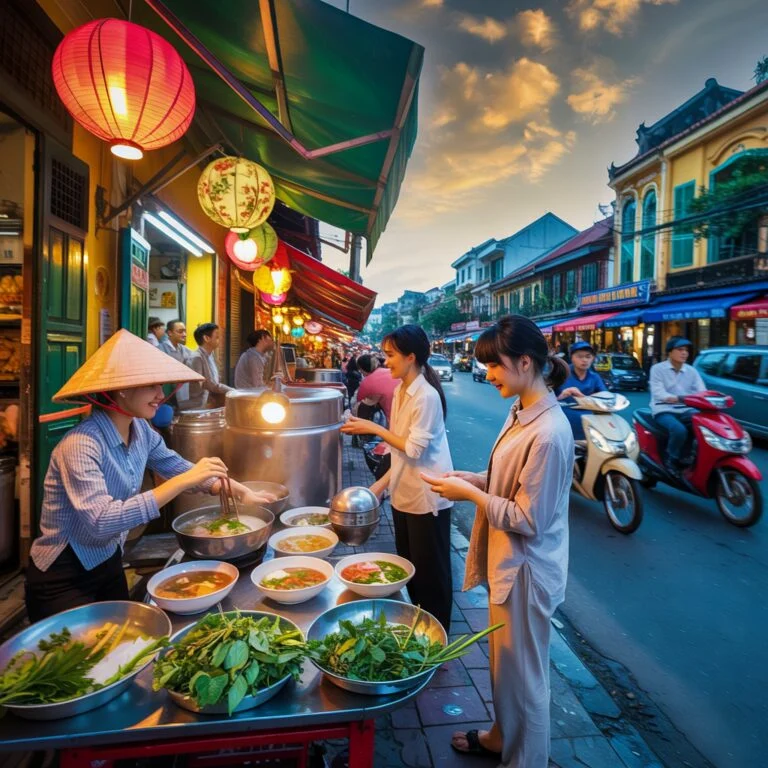
Street food culture is cash-based and fast; vendors do not expect tips, so pay in small VND notes and share plastic stools with locals.
Tipping and Money
Leave a 5-10% tip at restaurants with table service. For tour guides, provide 20,000 to 50,000 VND ($0.80 to $2) per person per day. Hand tips and money with two hands, mirroring the respectful exchange used elsewhere in Vietnamese culture.
Quick Reference: Vietnamese Culture Do’s and Don’ts Checklist
Review this essential checklist of Vietnamese culture do’s and don’ts before your 2026 trip. Each pair condenses the respectful habits that protect harmony in Vietnamese culture.
| ✅ Do | ❌ Don’t |
|---|---|
| Greet with “xin chào” and a slight bow, using respectful address like ông or bà. | Touch anyone’s head, as it is considered sacred. |
| Use two hands when giving or receiving business cards, gifts, or money. | Point your feet toward Buddha statues or altars. |
| Remove shoes and cover shoulders and knees before entering pagodas. | Stick chopsticks upright in a rice bowl. |
| Start market negotiations at 50-70% of the asking price. | Haggle over trivial amounts like 10,000 VND. |
| Ask permission before photographing locals or monks. | Photograph military sites, border zones, or police. |
| Gift cash in a red envelope, typically 500,000-1,000,000 VND for acquaintances at weddings. | Gift clocks, knives, or white items at celebrations. |
| Place offerings for monks on a tray. | Allow women to touch monks or hand items directly to them. |
| Wait for the eldest person to begin eating first. | Criticize a waiter or guide publicly (mất mặt). |
| Pour drinks for elders first and toast with “một, hai, ba, dzô!”. | Pass food chopstick-to-chopstick. |
FAQ: Vietnamese Culture Do’s and Don’ts
What are the most important do’s and don’ts in Vietnamese culture?
Remove your shoes before entering homes and temples, use two hands when giving or receiving items, and show respect to elders. Never touch anyone’s head, point your feet at Buddha statues, or cause someone to lose face through public criticism.
Is it rude to point with your finger or feet in Vietnam?
Yes, pointing with your feet is highly offensive. Never point your feet toward people, altars, or Buddha statues. The head is considered sacred and the feet are the lowest part of the body, so mindful foot placement is essential at all times.
Can I bargain in Vietnam, and where is it inappropriate?
Bargaining is expected in local markets, where you should start at 50 to 70 percent of the asking price. Haggling is inappropriate in fixed-price shops, pharmacies, and restaurants. Do not haggle over trivial amounts like 10,000 VND, which is about 0.40 USD.
What should I wear when visiting a pagoda or temple in Vietnam?
The temple dress code requires both men and women to keep their shoulders and knees covered. Remove your shoes before entering the sacred areas of temples and pagodas. Wearing an Ao Dai is acceptable, but always ensure your attire is modest and respectful.
How do you properly greet someone in Vietnamese culture?
Say “xin chào” with a slight bow, especially when greeting elders, or offer a light handshake. Always use two hands for exchanges. Learning the honorific pronoun system, such as using “ông” for an older man or “bà” for an older woman, shows respectful address.
What is the tipping etiquette in Vietnam for 2026?
In 2026, tipping is appreciated but not mandatory. For restaurants with service, a tip of 5 to 10 percent is appropriate. For tour guides, tip between 20,000 and 50,000 VND (0.80 to 2 USD) per person per day.
Are there specific rules for interacting with Buddhist monks?
Yes. Women must never touch monks or hand items to them directly; place any offerings on a table or tray. Greet a monk with a slight bow and the proper title “thầy”, and never sit higher than a monk.
What should a foreign guest wear and bring to a Vietnamese wedding?
Wear red, pink, or gold, but never white or black. Bring cash in a red envelope known as a phong bì: 500,000 to 1,000,000 VND for acquaintances, or 2,000,000 plus VND for close friends. Never gift clocks, knives, or sharp objects.
How does the concept of saving face work in Vietnam?
Saving face, known as “mất mặt”, means avoiding public humiliation. Locals avoid direct criticism, public arguments, and open displays of anger to preserve harmony. Never criticize a waiter or tour guide publicly, as causing someone to lose face breaks trust permanently.
What are the main chopstick taboos in Vietnamese dining?
Never stick chopsticks upright in a rice bowl, as this resembles incense offered for ancestor worship and symbolizes funerals. Never pass food directly chopstick-to-chopstick. Always wait for the eldest person to begin eating first.