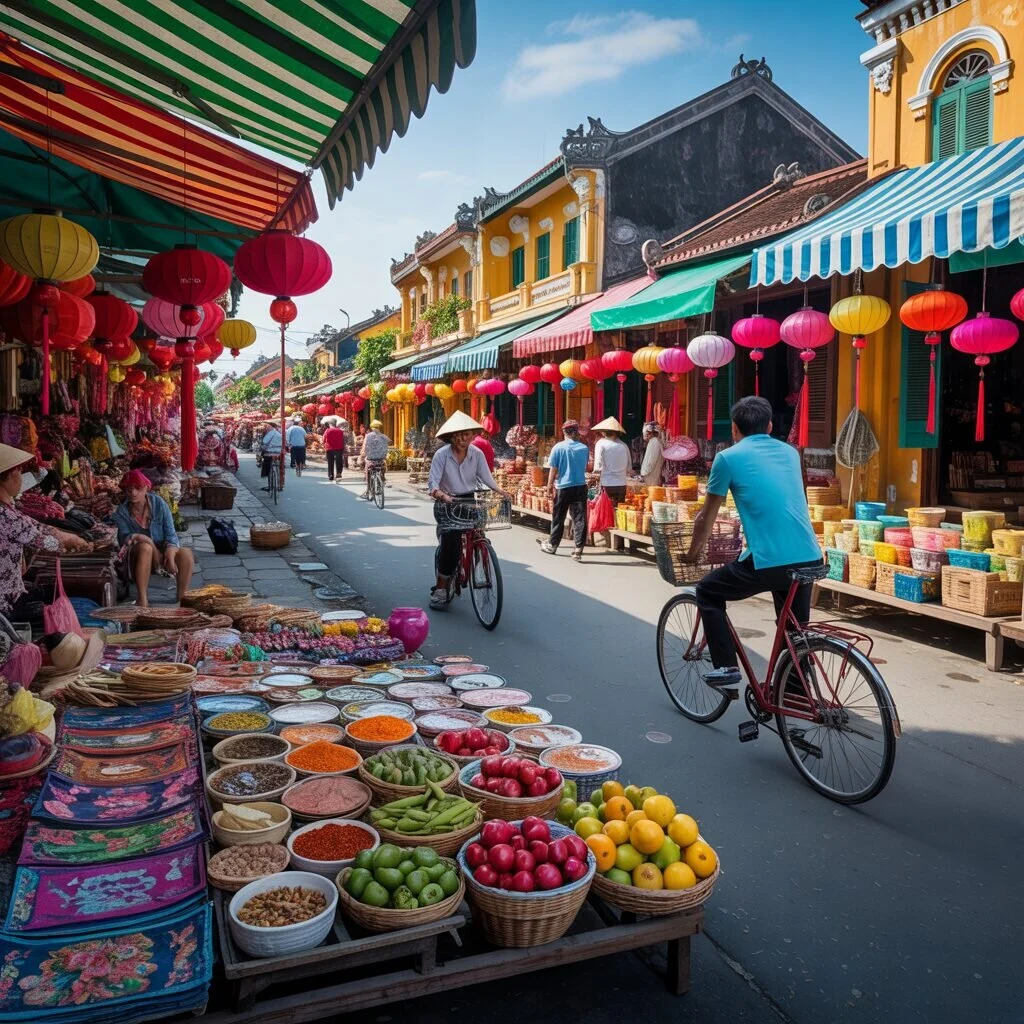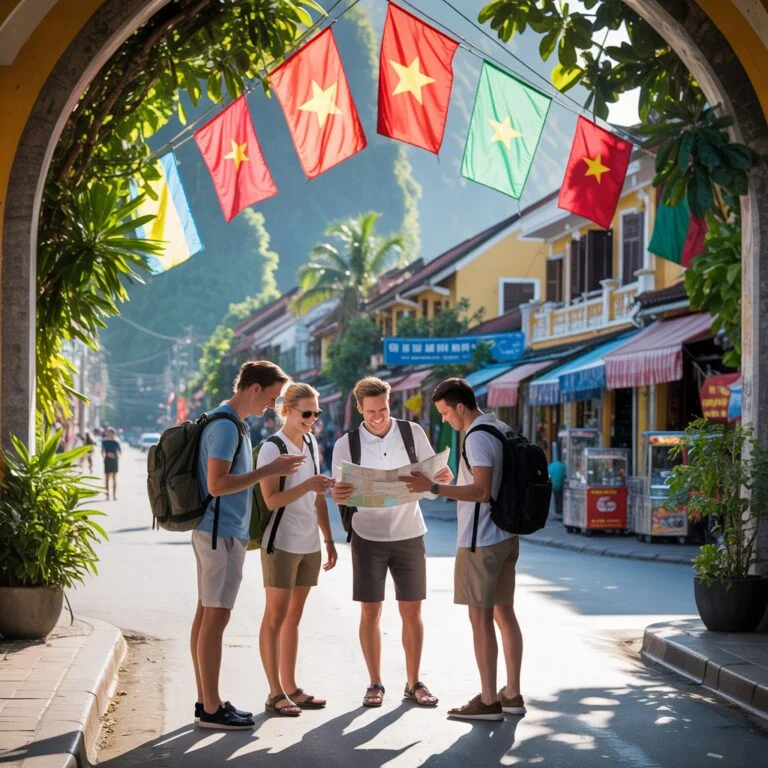

Thailand vs vietnam culture starts with two very different foundations: Thailand, a constitutional monarchy of ~70 million shaped by Theravada Buddhism, and Vietnam, a communist state of ~100 million rooted in Confucianism and Mahayana Buddhism. For US tourists in 2026, those differences shape family structures, food profiles, and travel experiences.
While Thailand prioritizes Buddhist hierarchy alongside the sanuk (fun) principle, Vietnamese family life centers on Confucian filial piety where elders make major decisions. These foundations shape daily social norms and traveler interactions.
This guide breaks down the defining characteristics of both nations to help you plan your ideal 2026 trip. Visa rules, fees, and festival dates were last verified in October 2026.
1. Thailand vs Vietnam Culture: Key Differences and Religious Foundations
Thailand is a constitutional monarchy shaped by Theravada Buddhism, while Vietnam is a communist state rooted in Confucianism and Mahayana Buddhism.
| Aspect | Thailand | Vietnam |
|---|---|---|
| Religion | Theravada Buddhism | Syncretic (Mahayana Buddhism, Confucianism, Taoism, Cao Dai, folk beliefs) |
| Government | Constitutional monarchy (King Rama X, Chakri Dynasty) | Communist state (Socialist Republic of Vietnam) |
| Population | ~70 million | ~100 million |
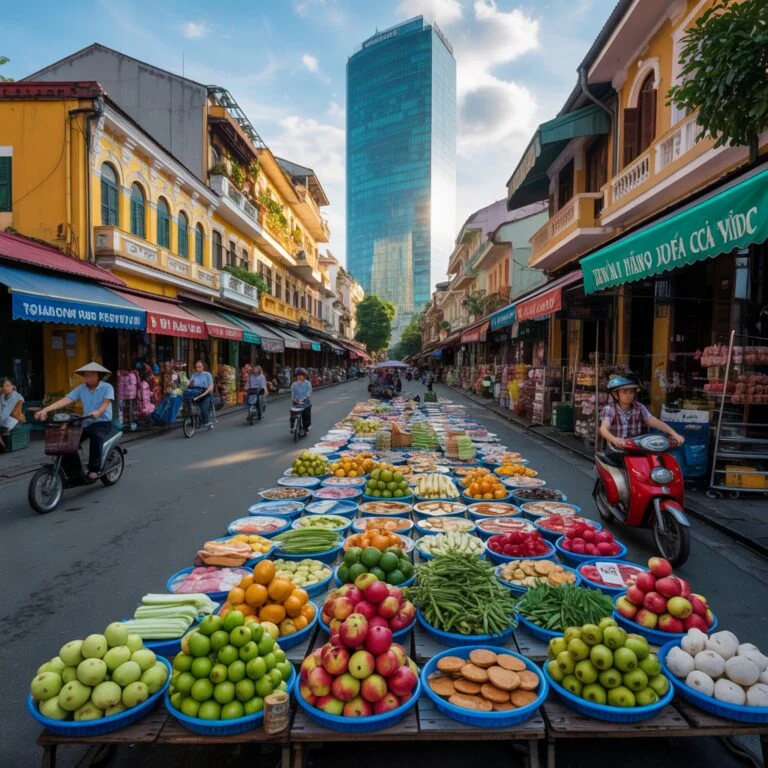
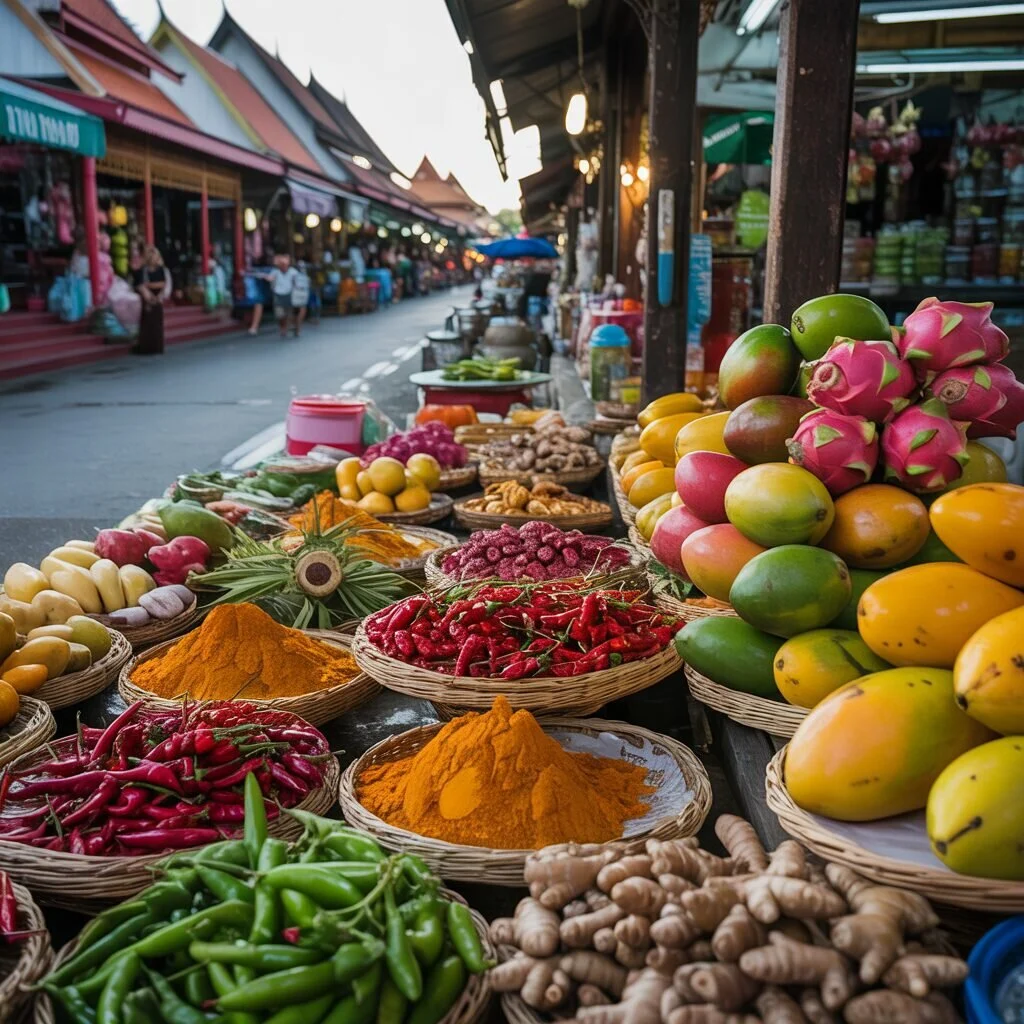
| Food Profile | Spicy, sweet-sour-salty balance; coconut and lemongrass (pad thai, massaman curry) | Lighter, herb-forward; Chinese and French influences (phở, banh mi) |
| Daily Cost | Cheaper for food and transport | Slightly cheaper overall (accommodation, coffee, alcohol) |
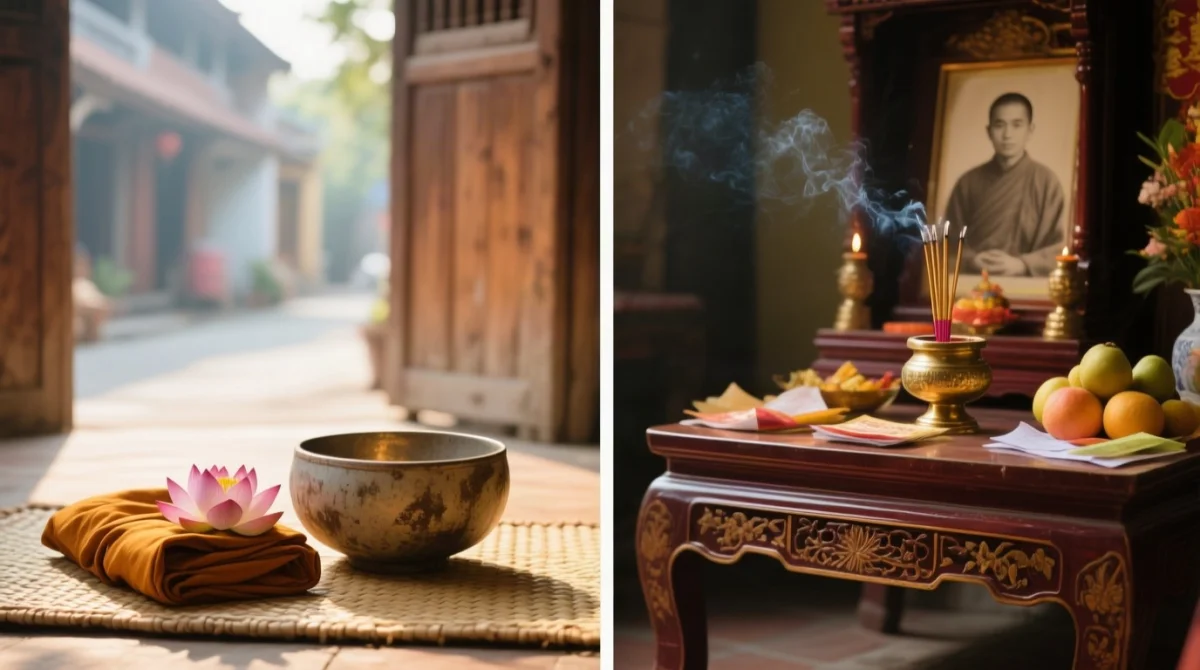
Thai spiritual life centers on public rituals (monks’ alms rounds), while Vietnamese spirituality focuses on private ancestor veneration at home altars. On a 2025 trip to Chiang Mai, I watched monks collect alms at 6 AM, a daily ritual that shapes the entire morning rhythm. Colonial history separates the two further: European powers never colonized Thailand, while Vietnam was colonized by China for centuries and later by France.
2. Family Values, Social Norms, and Etiquette for US Tourists
Vietnamese families follow strict Confucian filial piety where elders make major decisions, often across multigenerational households, while Thai culture balances Buddhist-influenced hierarchy with the fun-loving sanuk principle. Concretely: never touch a Thai person’s head; in Vietnam, always use two hands when giving money or gifts.
- Greetings and Respect: Thai culture utilizes the Wai greeting, a prayer-like bow; Vietnam favors handshakes or a slight bow from the youth.
- Body Language Rules: In Thailand, keep feet pointed away from people or Buddha images. In Vietnam, raising your voice or criticizing someone publicly is a serious loss of face according to Vietnamese etiquette; Thais also practice face-saving, but combine it with the sanuk (fun) principle, making confrontations even more avoided.
- Western Culture Shock: During three years living in Ho Chi Minh City, I noticed locals rarely raise their voices in public, a stark contrast to the directness I was used to in the US, which is a common culture shock in Vietnam. Both Thailand and Vietnam rely on indirect communication, and Vietnam’s digital life runs on Zalo rather than Western apps. Tipping is not traditionally expected in either country, though it is growing in tourist areas, alongside a pervasive bargaining culture.
3. Thai vs Vietnamese Cuisine and Travel Experiences
Thailand offers spicy pad thai, massaman curry, and Koh Lanta islands, while Vietnam provides herb-forward banh mi, phở, bia hoi, and dramatic landscapes like Sapa and the Ha Giang Loop.
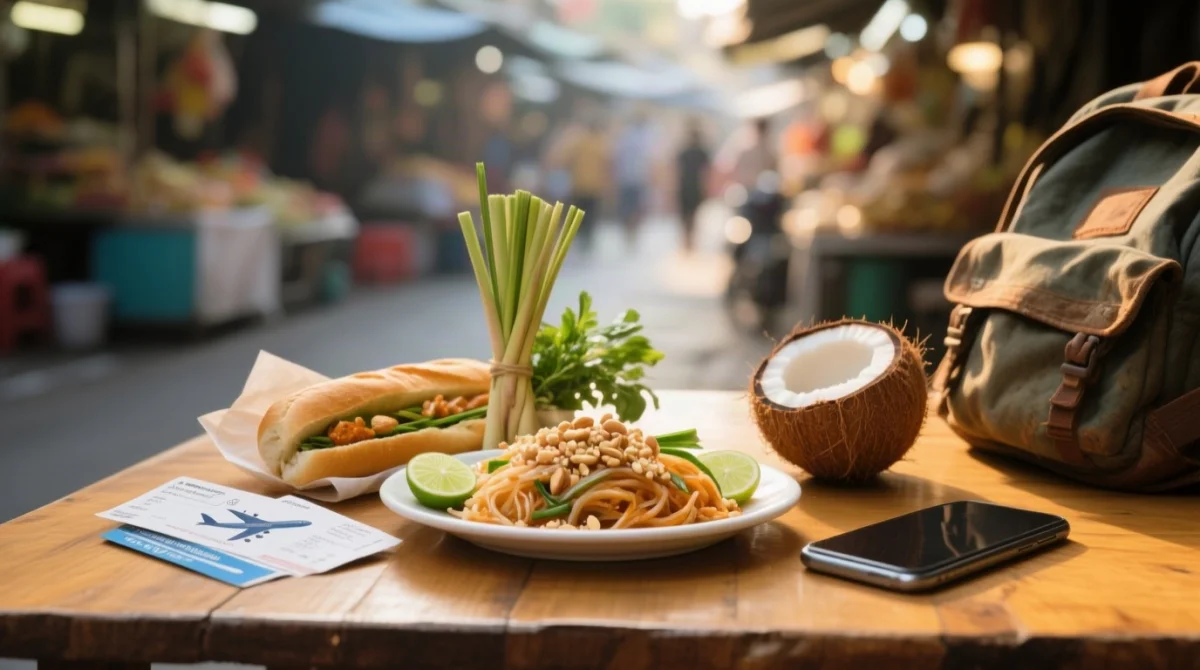
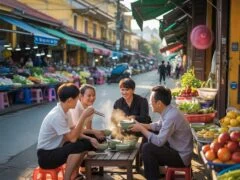
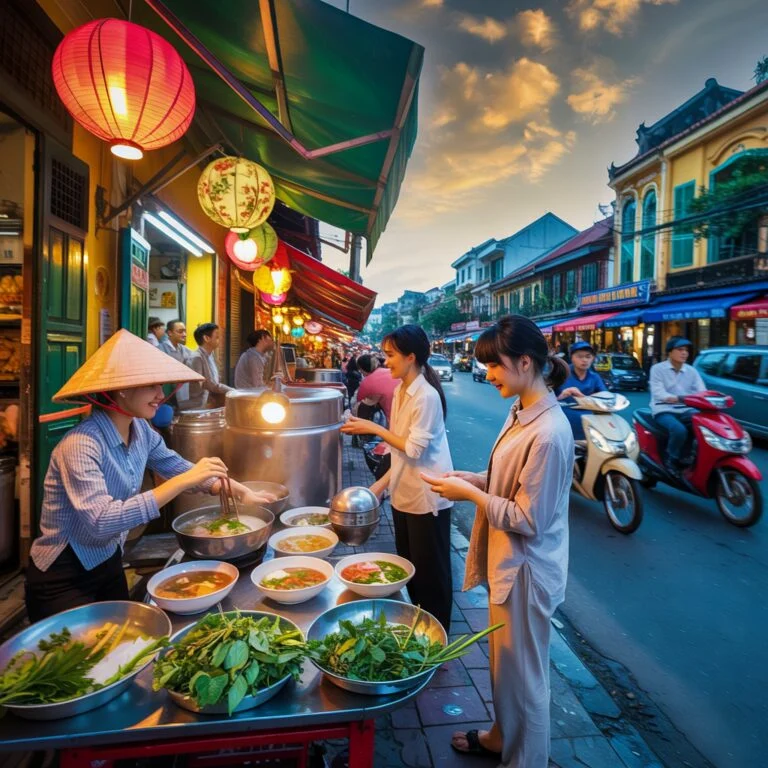
Thai cuisine centers on a bold sweet-sour-salty-spicy balance, relying heavily on coconut and lemongrass; Vietnamese cuisine blends Chinese and French influences into lighter, less fatty, herb-forward dishes. On a 2025 trip to Hanoi, I watched a family share phở from communal bowls rather than individual plates, a dining habit travelers see across Vietnam.
Both Thailand and Vietnam utilize Grab for local transit, with Vietnamese Grab rides often costing under $1.00. For long-distance travel, Vietnam relies on sleeper buses like Futa Bus and sleeper trains, while Thailand provides more established infrastructure with frequent domestic flights.
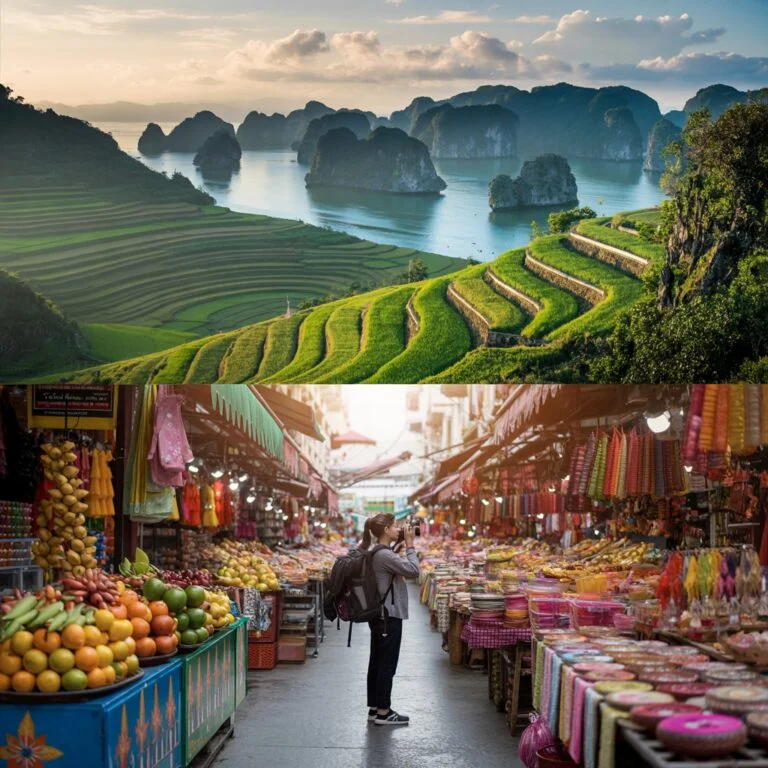
Thailand highlights tropical island hopping across Koh Lanta, Koh Lipe, and Phi Phi. Vietnam contrasts this with rugged terrain: the limestone peaks of Ha Long Bay and Ninh Binh, the rice terraces of Sapa, and the winding Ha Giang Loop.
4. Regional Context: Vietnam vs China, Cambodia, and the Philippines
Vietnamese culture blends Chinese Confucian roots and Lunar New Year traditions with local Southeast Asian customs. While sharing chopstick etiquette and ancestor veneration with China, Vietnam maintains a distinct identity through its lighter cuisine and French-colonial architecture; Thailand, by contrast, speaks Thai, a five-tone language written in its own script.
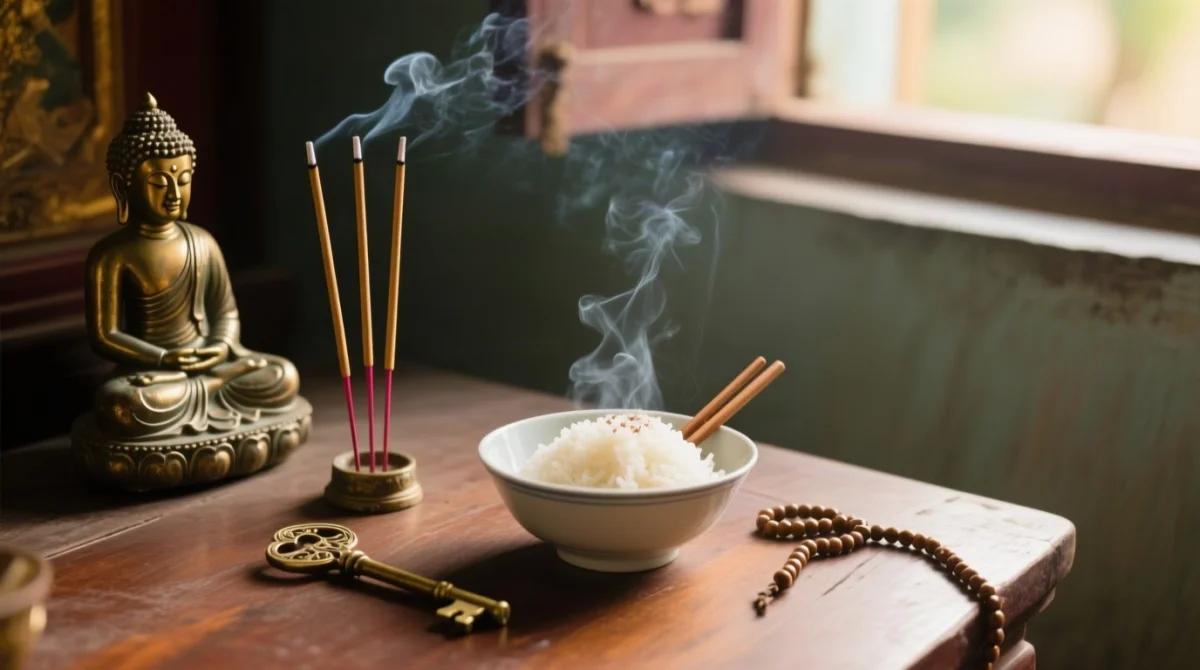
Thailand and Vietnam differ significantly from their shared neighbor, Cambodia. Cambodian heritage aligns closely with Thailand’s Theravada Buddhism and Angkor-era temple culture, contrasting with Vietnam’s Mahayana and Confucian syncretism. Both Cambodia and Thailand follow Theravada Buddhist temple rules (no shoes, covered shoulders); Vietnam’s Mahayana and Confucian traditions mean ancestor altars are more common than monk alms rounds.
The Philippines is ~80% Catholic and widely English-speaking, shaped by American colonial influence; Vietnam is Buddhist-Confucian and uses Vietnamese (six tones, Latin script). English fluency in Vietnam is low compared to the Philippines.
FAQ: Thailand vs Vietnam Culture
What are the visa requirements for US tourists visiting Thailand vs Vietnam in 2026?
Thailand grants US tourists 30 days visa-free on arrival, extendable by an additional 30 days. Vietnam requires an e-visa in advance; a 90-day multiple-entry e-visa costs approximately $50.
How do ATM fees compare between Thailand and Vietnam?
In Thailand, the standard ATM fee is approximately $6.00 per withdrawal; in Vietnam, it averages about $2.00, making Vietnam the more budget-friendly option for cash access.
How do major festivals like Tết and Songkran affect travel logistics?
Vietnam’s Tết (Lunar New Year, late January or February) empties cities for a week and triggers widespread business closures. Thailand’s Songkran (April) draws massive crowds and surges accommodation and transport prices.
Which country is cheaper for a 2026 trip, Thailand or Vietnam?
Vietnam is slightly cheaper overall, with lower costs for accommodation, coffee, and alcohol. Thailand is cheaper for local food, public transport, and certain guided experiences.
Is it safe for US tourists to travel in Thailand and Vietnam?
Thailand and Vietnam are both safe for US tourists in 2026; practice standard caution on Grab rides and sleeper buses, as in any unfamiliar country.
What is the main difference between Thai and Vietnamese street food?
Street food in Thailand is bolder and spicier, built on coconut and lemongrass (pad thai, massaman curry); in Vietnam, it is lighter and herb-forward, with Chinese and French influences (banh mi, phở).
Do Vietnamese and Thai people get along?
Thailand and Vietnam have distinct national identities: Thailand was never colonized and practices Theravada Buddhism, while Vietnam endured Chinese and French colonization. Today, both interact peacefully within Southeast Asia.
What are the clothing etiquette rules for temples in Thailand vs Vietnam?
In Thailand, dress modestly, remove shoes, and keep feet pointed away from Buddha statues. Vietnam’s Mahayana temples and Confucian altars call for similar covered shoulders and knees.