

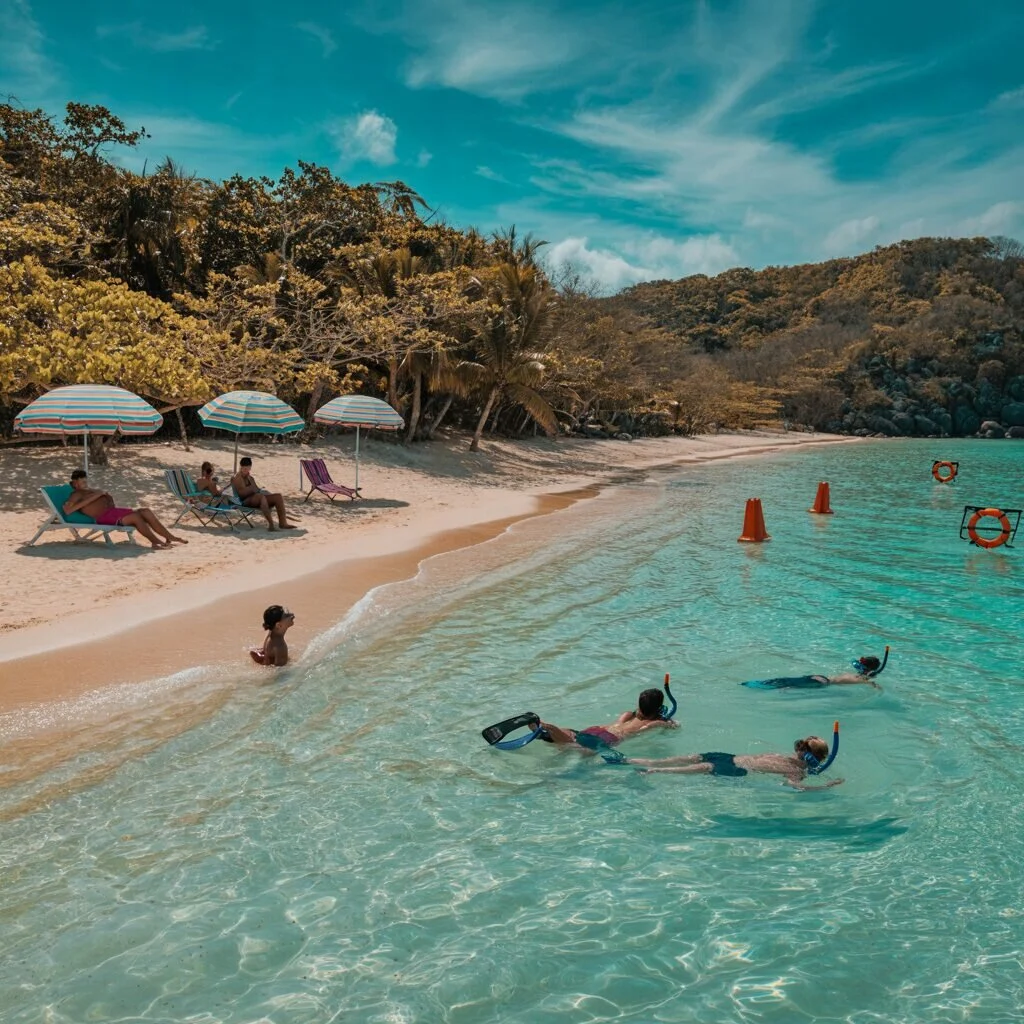
Vietnam ranks 41st on the Global Peace Index with a US State Department Level 1 advisory, yet safety tips for vietnam islands require specific preparation: comprehensive travel insurance covering boat transit and medical evacuation, a doctor consultation two months before departure, and monitoring typhoon forecasts from June to November.
Island-specific hazards demand additional vigilance across Vietnam’s 2000-mile coastline. Popular archipelagos like Phu Quoc and Cat Ba expose travelers to marine hazards including sea urchins, jellyfish stings, and coral cuts. Ferry and speedboat transfers require life jacket verification and weather contingency checks before boarding. Smaller atolls lack medical facilities entirely, making a well-stocked first aid kit essential for Vietnam island travel safety and health guidelines.
Common tourist problems on Vietnam islands include jet ski rental damage charges, seafood overcharging by weight, and fake Grab boat taxis. On mainland transit routes, drive-by snatchings and rigged taxi meters remain legitimate concerns. US travelers should verify Grab ride-hailing verification by asking for the Grab code, book tours with vetted operators, and store passport originals in hotel safes while carrying copies. Private international clinics with English-speaking staff exist in Hanoi, Danang, and Ho Chi Minh City, but island medical access remains limited.
Pre-Departure Preparation & Travel Insurance
Vietnam island travel safety and health guidelines require US travelers to purchase comprehensive travel insurance covering both bad weather disruptions and boat transit before booking any archipelago itinerary.
- Insurance verification: Confirm your policy includes medical evacuation and weather-related cancellations; travel insurance essentials for vietnam islands demand explicit boat-transit coverage.
- Vaccination timing: Consult a doctor two months before departure for recommended vaccines and anti-malarial prescriptions.
- Medication supply: Travel with a full supply of prescribed medications – some are difficult to find in Vietnam.
- Doctor’s letter: Carry a letter documenting any medical condition or allergy, including the nature of the condition and treatment needed.
- Digital Pre-Arrival Form: Complete the online form within 72 hours of arrival when entering via Phu Quoc, Hanoi, or HCMC international airports.
- Passport duplication protocol: Store the original passport in your room safe; carry a copy on your person daily.
- Money storage: Do not store all cash in a single place; distribute it across a waist pouch, backpack, and locked luggage.
Vietnam island travel safety and health guidelines also define emergency evacuation protocols for vietnam islands – verify that your insurer coordinates medical evacuation from remote atolls to mainland hospitals before you depart.
Getting to the Islands: Ferry & Speedboat Safety
Vietnam island travel safety and health guidelines require US-bound travelers to verify life jacket availability, crew certification, and weather contingency plans before boarding any island-hopping boat, eliminating exposure to poorly maintained vessels along Vietnam’s 2000 miles of coastline.
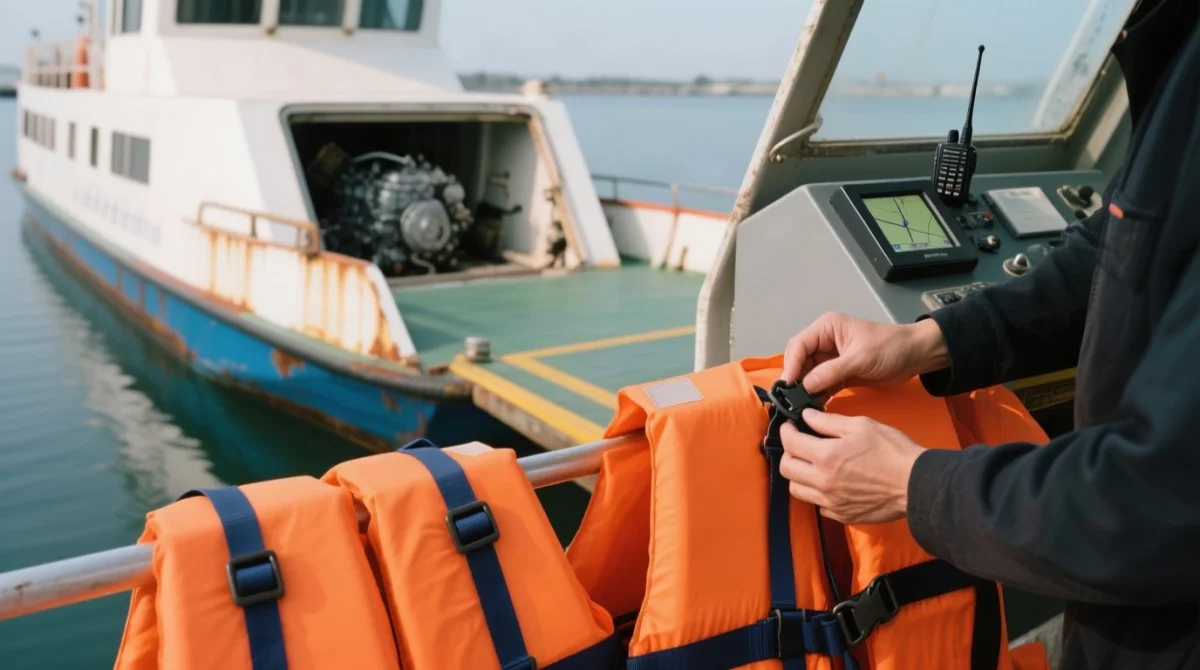
- Verify life jacket availability and inspect each jacket for intact straps and buoyancy.
- Check weather advisory before departure; storm season runs June to November, bringing heavy rain, floods, and typhoons that disrupt ferry routes.
- Confirm crew certification and observe whether operators meet certified guide requirements for vietnam islands, including valid maritime licenses.
- Inspect vessel maintenance indicators: hull condition, engine sound, and functional coastal navigation aids such as GPS and VHF radio.
- Confirm emergency communication equipment is onboard and operational before the vessel departs port.
Vietnam island travel safety and health guidelines also instruct travelers to check with their airline or tour company before travelling during storm season, as flights, roads, and phone services may be affected. For Halong Bay cruises, always go with reputed companies and book with vetted travel agents rather than unlicensed motorcycle operators or ad-hoc vendors offering discounted transfers. Independent verification of operator credentials remains the single most effective precaution before inter-island transit.
Marine Hazards & Beach Safety
Vietnam’s island waters pose risks from sea urchins, jellyfish stings, coral cuts, and rip currents; carry a marine first-aid kit and protective footwear. Vietnam island travel safety and health guidelines require US visitors to assemble a first aid kit checklist for vietnam islands before engaging in any coastal activity.
| Marine Hazard | First-Aid Response |
|---|---|
| Sea urchins | Remove spines carefully; soak affected area in hot water |
| Jellyfish stings | Rinse with vinegar; seek nearest clinic if reaction is severe |
| Coral cuts | Clean with antiseptic; monitor for infection |
| Rip currents | Swim parallel to shore until free of the current |
Proper marine activity precautions for vietnam islands extend beyond the water. Avoid the monkeys on Cat Ba Island when touring Ha Long Bay, as contact with wild or domesticated animals carries rabies risk. During jungle trekking, watch for ticks, leeches, and poisonous snakes; seek medical assistance immediately for any bite. Vietnam island travel safety and health guidelines also mandate sunscreen applied throughout the day at beachside destinations to prevent sunburn, with heatstroke symptoms appearing above 41°C body temperature requiring immediate hospital treatment.
Healthcare Access & Tropical Diseases on Vietnam Islands
Vietnam island travel safety and health guidelines require US visitors to understand that while Hanoi, Danang, and Ho Chi Minh City host private international clinics with English-speaking staff – including Columbia Asia, FV Hospital, and Family Medical Practice – rural island areas may be far from the nearest pharmacy or hospital. Phu Quoc and Cat Ba offer limited clinic access, but smaller atolls lack medical facilities entirely, making a comprehensive medical kit essential.
Food and Water Safety on the Islands
Vietnam island travel safety and health guidelines emphasize tropical disease prevention as a critical pre-departure step. Dengue fever prevention requires applying insect repellent at sunrise and sunset; no vaccines are available, and risk extends through the Mekong Delta. Malaria risk concentrates in rural highlands, where anti-malarial medication is essential. Heatstroke symptoms & treatment demand immediate response: weakness, dizziness, nausea, and temperature over 41°C require hospital care without delay.
For food safety on Vietnam islands, local health advisories for vietnam islands recommend selecting restaurants with high customer turnover and freshly cooked food. Factory-made ice with a center hole is safe in established island resorts. Travelers should carry oral rehydration salts and imodium, as some medications can be difficult to find in Vietnam.
Typhoon Season and Weather Disruptions
Vietnam’s storm season runs June to November, bringing heavy rain, floods, landslides, and typhoons that disrupt flights, roads, power, transport, and phone services across island destinations. Typhoon and storm season alerts directly impact ferry schedules and inter-island connectivity, making tide and weather monitoring for vietnam islands essential before any departure.
Vietnam island travel safety and health guidelines require travelers to check with their airline or tour company before travelling during these months and to confirm that travel insurance covers bad-weather cancellations. Comprehensive policies must explicitly include storm-related disruptions, not just medical emergencies.
Dead-zone connectivity is a real risk: cell service drops on remote islands, leaving visitors without navigation or emergency contact. Download offline maps, save local emergency numbers, and carry a satellite messaging device for archipelago itineraries. Post-storm infrastructure reliability varies; roads and piers may remain impassable for days after a typhoon passes.
According to Smartraveller (advice updated 24 September 2026, current at 02 October 2026), seasonal hazards in vietnam islands escalate quickly, and flood and landslide routing can strand tourists on smaller atolls with no evacuation window. Vietnam island travel safety and health guidelines recommend building flexible reservation buffers into any June-November itinerary.
Common Tourist Scams & Solo Traveler Safety
Vietnam island travel safety and health guidelines identify jet ski rental damage charges, seafood overcharging by weight, and fake “Grab” boat taxis as the three most common island-specific scams; solo female travelers should avoid isolated beach paths after dark and verify all transport providers before boarding.
Island hazard mitigation tips start with confirming prices upfront for any water sports rental or seafood order. Hostel and hotel tours can charge 3x more than independent operators, and hotel-arranged taxis take 15-20 minutes longer due to commission-based routing. Methanol poisoning remains a big problem across Southeast Asia, so order drinks only from established venues.
On the mainland, drive-by snatchings are a legitimate concern: keep cameras close to your body away from traffic, and on motorcycles place bags in the seat compartment or front hook. Trusted taxi companies Mai Linh and Vinasun operate new vehicles with sealed metres, countering rigged taxi meters; alternatively, ask your hotel to coordinate transport beforehand.
For Grab ride-hailing verification, ask the driver for the Grab code; fake Grab bike taxis wear Grab jackets but are unaffiliated with the app. Vietnam island travel safety and health guidelines also advise solo female travelers that while crime against women is uncommon, they should not walk alone late at night, take a taxi after dark, and respect Vietnam’s conservative dress code by not baring too much skin. These safe island excursion advice principles reduce both financial loss and personal risk.
FAQ: Safety Tips for Vietnam Islands
What is the best time to visit Vietnam islands to avoid typhoons?
Vietnam’s storm season runs from June to November, bringing heavy rain, floods, landslides, and typhoons that disrupt flights, roads, power, transport, and phone services. Plan Vietnam island travel between December and May to minimize weather risks. Check with your airline or tour company before travelling, and monitor flood and landslide routing updates before inter-island transfers.
Are ferries and speedboats traveling to Vietnam islands safe in 2026?
Vietnam island ferry safety in 2026 depends on operator quality. For Halong Bay cruises, always go with reputed companies. Before boarding any Vietnam islands ferry, verify life jacket availability, observe crew certification, and confirm weather contingency plans. Check with your tour company about current conditions. Avoid poorly maintained vessels during storm season from June to November.
What should I do if I get stung by a jellyfish on a Vietnamese beach?
For jellyfish stings on Vietnam islands, seek medical help at the nearest clinic immediately. Similar injuries from tick, leech, and snake bites also require immediate medical assistance. Note that smaller islands lack medical facilities entirely, so pack a comprehensive first aid kit and identify clinic locations on larger islands like Phu Quoc and Cat Ba before departure.
Is the ice safe to drink in drinks on Phu Quoc and Cat Ba islands?
Factory-made ice with a hole in the center is generally safe in established island resorts on Phu Quoc and Cat Ba. However, US travelers should avoid ice in rural mainland areas where water quality is less reliable. Select restaurants with high customer turnover and freshly cooked food to further reduce stomach upset risks on Vietnam islands.
What vaccines are recommended for US citizens traveling to Vietnam’s coastal areas?
Consult a doctor two months before departure for recommended vaccinations. Dengue fever has no vaccines available, so prevent mosquito bites with bug spray at sunrise and sunset. Anti-malarial medication is advised for rural highlands. Pregnant women should consult doctors, as anti-malarial drugs are not completely safe during pregnancy. Carry a doctor’s letter for any medical condition or allergy.
How can I avoid jet ski rental scams on Vietnam islands?
Jet ski rental damage charges are a common island-specific scam on Vietnam islands. Always confirm prices upfront and document any pre-existing damage with photos before renting. Book water sports through vetted travel agents rather than beachfront vendors, and avoid unlicensed motorcycle operators offering rides. Hostel and hotel tours can charge up to three times more, so compare prices independently before committing.
Are there English-speaking medical clinics on remote islands in Vietnam?
Phu Quoc and Cat Ba have accessible clinics, but smaller islands lack medical facilities entirely. State-owned and private hospitals with English-speaking staff exist in Hanoi, Danang, and Ho Chi Minh City. Rural areas may be far from the nearest pharmacy or hospital. For serious emergencies on Vietnam islands, plan for evacuation to mainland facilities such as FV Hospital or Family Medical Practice in Ho Chi Minh City.
What should I pack in a first aid kit for island-hopping in Vietnam?
Pack diarrhoea treatment such as Imodium, oral rehydration salts, sunscreen for beachside destinations, insect repellent for sunrise and sunset hours, and prescribed medications in full supply since some medications are difficult to find in Vietnam. Include a doctor’s letter describing any medical conditions. Watch for heatstroke symptoms including weakness, dizziness, nausea, and temperature over 41°C, which requires immediate medical help. Store items in a waterproof container.