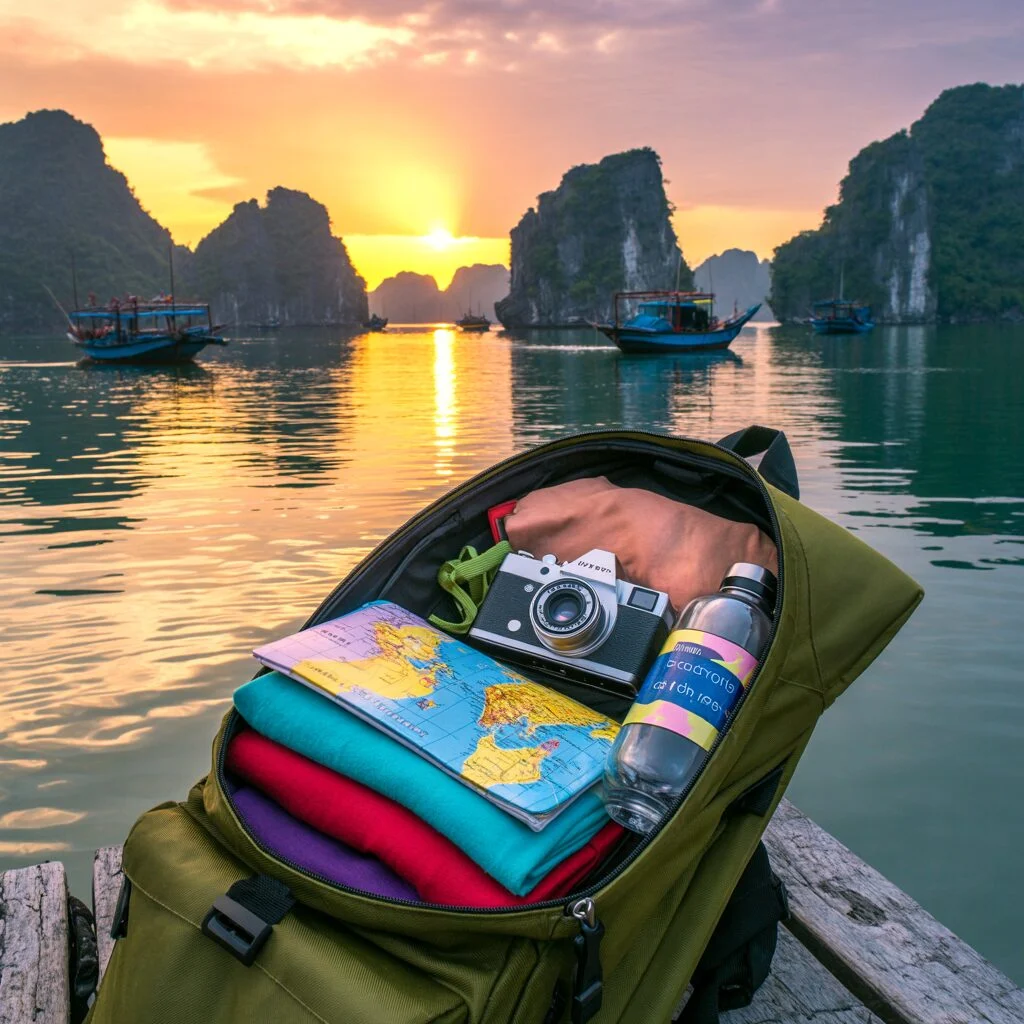

Yes, Vietnam is safe for tourists. The U.S. State Department maintains a Level 1 travel advisory for 2026, meaning visitors should exercise normal precautions. Vietnam ranks 38th out of 163 countries on the Global Peace Index, confirming its status as a stable, accessible destination for international travelers.
While violent crime remains rare, travelers should stay vigilant against petty theft, drive-by snatching, and common tourist scams concentrated in Vietnam’s major cities. Motorbike traffic is the leading cause of tourist injuries in Vietnam, and the healthcare system is rudimentary outside major urban centers, making emergency medical evacuation coverage essential. Visitors should also monitor the Hanoi air quality index during their stay.
This guide evaluates every critical safety dimension for Vietnam visitors, from street food hygiene and mosquito-borne disease prevention to female, Muslim, and LGBTQ+ traveler considerations. You will find current 2026 situation updates, emergency contact numbers, embassy information, and actionable protocols for each risk category identified by U.S. government advisories and practical travel data.
Is Vietnam Safe for Tourists in 2026?
The Vietnam Travel Safety Assessment confirms Vietnam ranks 38th out of 163 countries on the Global Peace Index and maintains a U.S. State Department Level 1 advisory with normal precautions recommended, answering the question is Vietnam safe for tourists with a qualified yes.
Berkshire Hathaway Travel Protection ranked Vietnam 16th out of 44 countries in 2024, while Numbeo assigns a safety score of 59.35. Vietnamese hold warm views of Americans with no anti-American sentiment reported.
The Vietnam Travel Safety Assessment flags two 2026 concerns: active dengue fever outbreaks in the Mekong Delta including Ho Chi Minh City, and a typhoon season spanning June through November bringing flooding and mudslides. Travelers should monitor the Hanoi air quality index as pollution remains a major issue in the capital, and stay alert during Tet holiday security spikes when crowd density increases petty theft risk.
Petty Crime, Pickpocketing & Tourist Scams
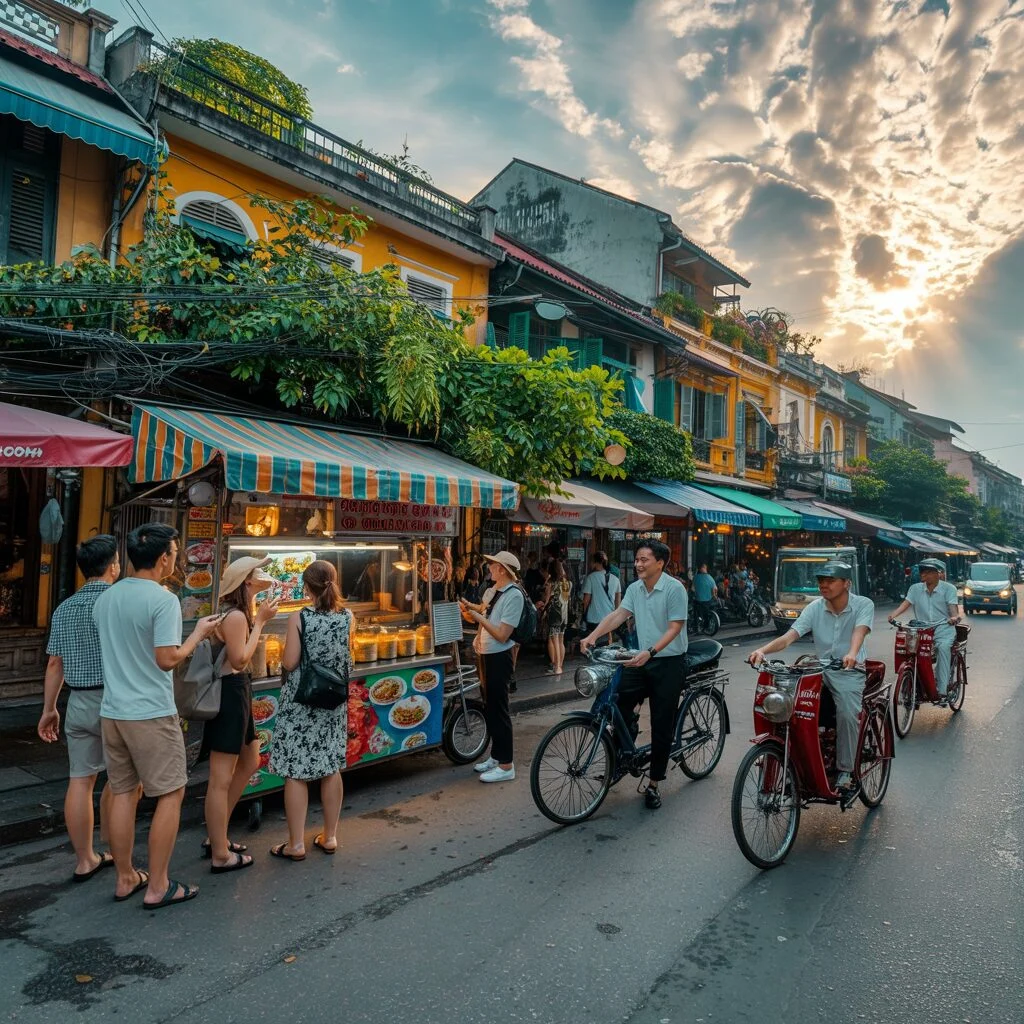
Petty theft is Vietnam’s most common tourist crime. Motorbike snatchings target phones and bags at Ben Thanh Market in HCMC and Hanoi’s Old Quarter.
The Vietnam Travel Safety Assessment identifies petty theft as the primary criminal threat facing visitors, with thieves operating on motor scooters in crowded urban corridors. Ho Chi Minh City ranks 251st safest out of 311 world cities on the Numbeo safety index, reflecting elevated risk in tourist zones. Drive-by snatching targets cellphones, purses, cameras, and backpacks, so invest in a shoulder bag or backpack with cut-proof straps.
- Hotspots: Ben Thanh Market (HCMC) and Hanoi’s Old Quarter see the highest incident rates
- Scam typologies: Rigged taxi meters, cyclo overcharging, and the tea house scam dominate tourist corridors
- Safe transit: Use Mai Linh or Vinasun taxis with sealed meters, or the Grab ride-share app
- Stranger warning: The U.S. State Department advises against accepting chewing gum or snacks from strangers on the street, as they may be laced with drugs
- Nightlife risk: Methanol poisoning from counterfeit alcohol remains a danger in bar districts
The Vietnam Travel Safety Assessment recommends distributing cash across multiple secure pockets when navigating Vietnam’s crowded markets.
Motorbike & Traffic Safety
The Vietnam Travel Safety Assessment identifies motorbike accidents as the leading cause of tourist injuries in Vietnam. U.S. visitors need a special scooter license; an American driver’s license is not sufficient. The U.S. State Department recommends that tourists not rent motor scooters, noting that Vietnamese drivers routinely ignore traffic laws.
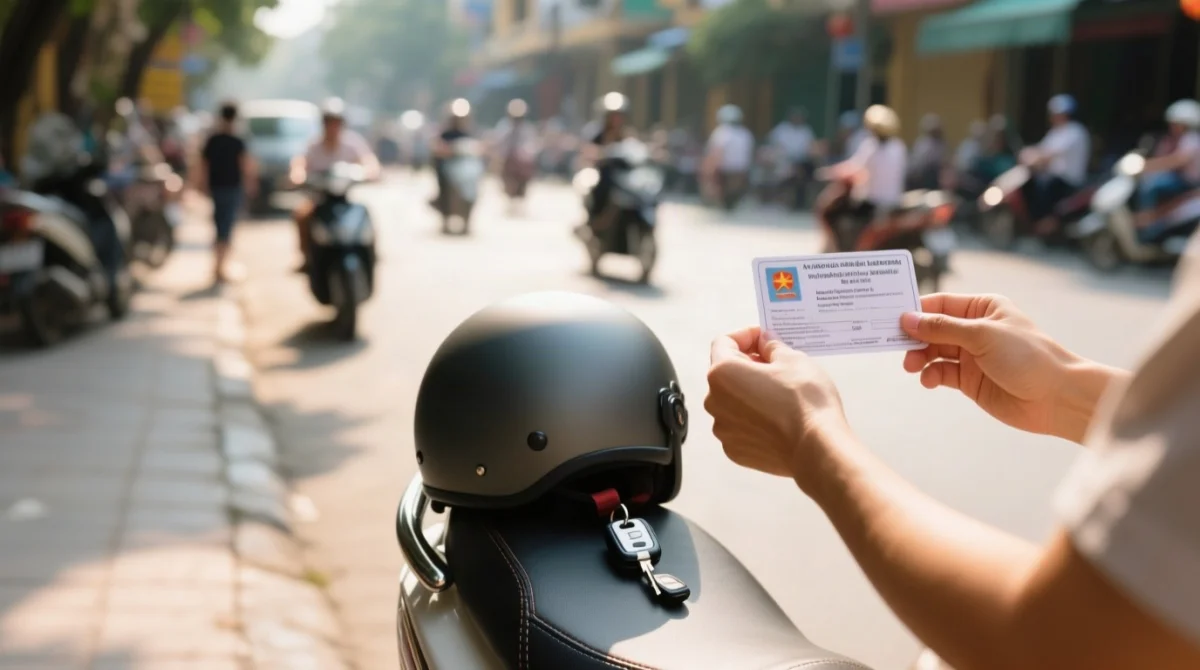
Travelers who still choose to ride must always wear a helmet and verify they carry the correct provincial driver’s license endorsement before departing. Motorcycle cabs (xe om) are almost always unsafe, and Vietnam’s public transport is generally overcrowded and dangerous. For intercity travel, the Vietnam Travel Safety Assessment directs visitors toward domestic flights. Vietnam Airlines, VietJet Air, and Bamboo Airways meet ICAO safety standards, and airports at Noi Bai, Tan Son Nhat, and Da Nang maintain standard security protocols.
Food, Water & Health Safety
Tap water in Vietnam is unsafe to drink. Use bottled water for drinking and washing fruits or vegetables, avoid raw or undercooked food, and choose street food vendors with high turnover where food is cooked visibly.
The Vietnam Travel Safety Assessment prioritizes sealed-water protocols and endorses vendors with a documented street food turnover rate to neutralize gastrointestinal risks. Vietnam’s healthcare system is rudimentary outside major cities, and severe illness or injury may require emergency medical evacuation to Thailand or Japan. Carry travel insurance with robust evacuation coverage. English-speaking facilities include Family Medical Practice, FV Hospital, Columbia Asia, and International SOS. Complete prescription medication clearance with Vietnamese customs before arrival if carrying restricted drugs.
Mosquito-Borne Diseases & Vaccination Checklist
The Vietnam Travel Safety Assessment identifies dengue fever as increasingly problematic in Southeast Asia, concentrated mostly in the Mekong Delta including Ho Chi Minh City. No vaccine exists for dengue fever prevention. Malaria risk affects rural highlands. Rabies risk arises from contact with wild or domesticated animals. Dial 115 for ambulance emergencies.
| Vaccine | Traveler Type |
|---|---|
| Hepatitis A/B | All visitors |
| Typhoid | All visitors |
| Japanese Encephalitis | Rural travelers |
| Rabies (pre-exposure) | Trekking travelers |
Solo & Female Traveler Safety
Vietnam is generally safe for solo female travelers, with violent crime against women uncommon. Exercise nighttime caution, take taxis after dark, and dress conservatively.
The Vietnam Travel Safety Assessment notes that Vietnam is largely safe at night, though women travelers give Vietnam the lowest safety marks among all demographic groups surveyed. As a conservative country, Vietnam rewards modest dress. Visitors should cover shoulders and knees to minimize unwanted attention, particularly outside major tourist zones.
The Vietnam Travel Safety Assessment recommends taking licensed taxis after dark rather than walking alone, even in well-lit districts of Ho Chi Minh City and Hanoi. There is no anti-American sentiment in Vietnam; Vietnamese hold warm views of Americans, which eases social navigation for US-based visitors throughout 2026.
LGBTQ+ Traveler Safety
Vietnam lacks anti-discrimination protections for LGBTQ+ individuals, meaning legal recourse for harassment remains limited. The Vietnam Travel Safety Assessment advises avoiding public displays of affection and seeking established gay-friendly venues in HCMC and Hanoi for safer socializing.
Muslim Traveler Safety in Vietnam
Halal food and mosques are available in HCMC, Hanoi, and Da Nang. Saigon Central Mosque and Al-Nour Mosque serve Muslim travelers alongside airport prayer facilities.
The Vietnam Travel Safety Assessment verifies that Vietnam, a conservative country, accommodates Muslim visitors through targeted infrastructure in its largest tourist hubs. The Vietnam Travel Safety Assessment recommends carrying prayer time apps and researching halal-friendly districts before arrival.
- Saigon Central Mosque (HCMC) and Al-Nour Mosque (Hanoi) provide prayer spaces for Muslim travelers
- Halal restaurants are available across HCMC, Hanoi, and Da Nang
- Prayer facilities are accessible at major airports and international hotels
- Muslim women should dress conservatively at religious sites, respecting Vietnam’s conservative cultural norms
- Halal certification in Vietnam remains limited; verify restaurant credentials directly with staff before dining
- For Ramadan observance, pre-identify iftar options in advance, as halal infrastructure concentrates in major cities only
Legal, Financial & Emergency Safety
The Vietnam Travel Safety Assessment directs visitors to use ATMs inside bank branches to prevent card skimming, avoid public Wi-Fi without a VPN, and never photograph military or security installations in Vietnam.
Emergency Contacts & Embassy Information
| Facility | Address | Phone |
|---|---|---|
| Police | Nationwide | 113 |
| Ambulance | Nationwide | 115 |
| Fire | Nationwide | 114 |
| U.S. Embassy Hanoi | 7 Lang Ha, Ba Dinh District | +84-24-3850-5000 |
| U.S. Consulate General HCMC | 4 Le Duan Blvd., District 1 | +84-28-3520-4200 |
Report theft to local police at 113, then contact your embassy for consular assistance. Check travel.state.gov for current advisories.
Legal Risks & Penalties
Drug possession in Vietnam carries penalties from 2 years to life imprisonment or the death penalty for large quantities. Unknowingly carrying drug-laced snacks can result in prosecution. The State Department advises not to accept chewing gum or snacks from strangers on the street. Secure prescription medication clearance before arrival.
Natural Disaster Emergency Procedures
The Vietnam Travel Safety Assessment tracks monsoon season from June to November, when typhoons, flooding, and mudslides affect regions including Sapa and Ha Giang.
Monitor NOAA typhoon trackers
Track storms in real time
Follow evacuation orders immediately
Comply with local authorities
Avoid driving during floods
Stay off roads in flood conditions
Stay alert for mudslides
In mountainous provinces
Vietnam Travel Safety FAQ
Is Vietnam safe for American tourists in 2026?
Yes. Vietnam holds a U.S. State Department Level 1 advisory, meaning exercise normal precautions, and ranks 38th out of 163 countries on the Global Peace Index. There is no anti-American sentiment in Vietnam; Vietnamese hold warm views of Americans. Petty theft is the most common crime. Be aware of Tet holiday security spikes when crowds surge during the lunar new year.
What are the most common tourist scams in Vietnam?
Common scams in Vietnam include rigged taxi meters, cyclo overcharging, and tea house scams. Use trusted taxi companies Mai Linh and Vinasun, which operate with sealed meters, or the Grab ride-share app as a safe alternative. The U.S. State Department also advises not to accept chewing gum or snacks from strangers on Vietnam’s streets, as they may be laced with drugs.
Can US citizens legally ride scooters in Vietnam?
No. Vietnam requires a special scooter license. Neither an American nor a provincial driver’s license is sufficient on its own. You need an International Driving Permit with a motorcycle endorsement. The U.S. State Department recommends tourists not rent motor scooters in Vietnam, as Vietnamese drivers ignore traffic laws. Motorcycle cabs (xe om) are almost always unsafe.
Is tap water safe to drink in Vietnam?
No. Tap water in Vietnam is unsafe to drink. Use bottled water for drinking and for washing fruits or vegetables. Avoid raw or undercooked food. When eating street food in Vietnam, choose vendors with a high street food turnover rate where you can see food being cooked. Avoid rural ice as well.
Is Vietnam safe for solo female travelers?
Vietnam is generally safe for solo female travelers, with violent crime against women uncommon. However, Vietnam received its lowest safety marks from women travelers in the Berkshire Hathaway Travel Protection survey. Exercise nighttime caution, take taxis after dark, and dress conservatively given Vietnam’s conservative culture. Use trusted taxi companies or Grab for nighttime transport.
Is there halal food available in Vietnam for Muslim travelers?
Yes. Halal food is available in Vietnam, with options in Hanoi, Ho Chi Minh City, and Da Nang. Notable mosques include Saigon Central Mosque in HCMC and Al-Nour Mosque in Hanoi. Prayer facilities are accessible at airports and major hotels. Verify halal certification at restaurants, as the halal landscape in Vietnam remains limited outside major tourist hubs.
What should I do if I get robbed in Vietnam?
Call Police at 113 immediately if robbed in Vietnam. File a police report at the local station for insurance purposes. Contact the U.S. Embassy Hanoi at +84-24-3850-5000 (7 Lang Ha, Ba Dinh District) or the U.S. Consulate General HCMC at +84-28-3520-4200 (4 Le Duan Blvd., District 1). Cancel any stolen cards and inform your bank that you are traveling in Vietnam.
Is Vietnam safe to visit during typhoon season?
Vietnam’s monsoon and typhoon season runs June through November, bringing typhoons, mudslides, and heavy flooding. Monitor NOAA and the Vietnam National Centre for Hydro-Meteorological Forecasting for real-time tracking. Avoid driving during floods and follow evacuation orders. Mountainous regions in Vietnam like Sapa and Ha Giang face heightened mudslide risk during this period.
Is Vietnam safer than Thailand for tourists?
Vietnam ranks 38th out of 163 countries on the Global Peace Index and holds a U.S. State Department Level 1 advisory. Direct comparative safety data between Vietnam and Thailand is not available in current sources. For the latest advisory levels for both countries, consult travel.state.gov as an external official source.
What vaccines do I need before traveling to Vietnam?
Recommended vaccines for Vietnam include Hepatitis A and B, Typhoid, Japanese Encephalitis for rural travel, and Rabies pre-exposure for trekking. A Yellow Fever certificate is required only if arriving from an endemic country. Dengue fever prevention in Vietnam relies on DEET repellent, as no vaccine is available. Complete prescription medication clearance with your physician before departure.