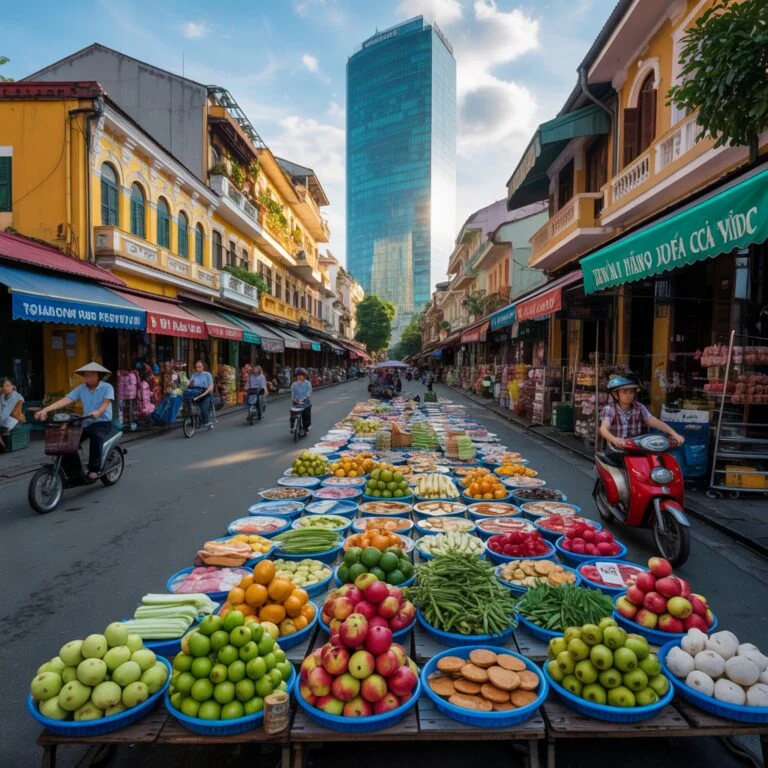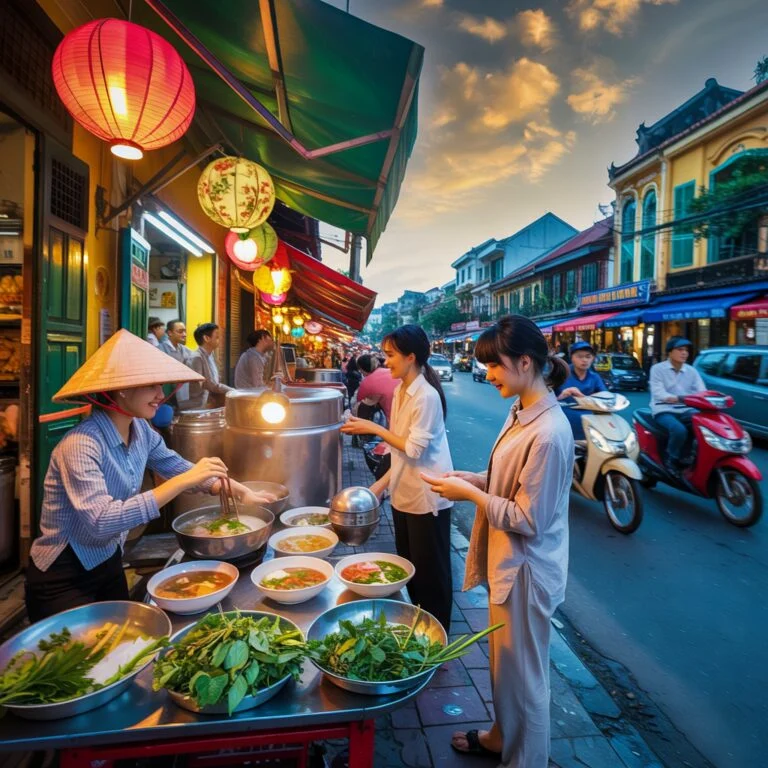



A Vietnam 10 day itinerary from the USA requires 3 days in Hanoi and Ha Long Bay, 2 days in Hoi An, and 3 days in Ho Chi Minh City. Domestic flights maximize sightseeing time between these major regions.
Factor in 1-2 buffer days for jet lag recovery given the 12-15 hour time difference from the US. Apply for a 2026 e-visa at least 3-5 business days before departure through the Vietnamese government e-visa portal. The approximate fee is $25 USD for single-entry.
This North-to-South route provides a logical cultural progression from the capital to the largest city, balancing historical sites, UNESCO World Heritage locations, and regional cuisine across a realistic daily pacing framework for US travelers.
Choosing Your Route Direction
The Vietnam 10 day itinerary starting in Hanoi minimizes weather disruptions and provides a logical cultural progression toward Ho Chi Minh City. The Vietnam 10 day itinerary cross-references regional climate data with transit intervals, ensuring each leg aligns with optimal sightseeing conditions during the October and March windows identified as the best overall months to visit.
- North-to-South (Hanoi first): Hanoi, the capital of Vietnam, is not as fast-paced as Ho Chi Minh City, allowing travelers to ease into the trip before reaching the larger southern hub.
- South-to-North (HCMC first): Ho Chi Minh City is the largest city in Vietnam with about 13 million people and roughly 7 million motorbikes, ranking as the most visited city. Starting here front-loads high energy before a calmer northern finish.
- 7-day alternative constraint: A shortened 7-day version requires cutting either the Ha Long Bay overnight cruise or the Mekong Delta day trip to maintain realistic sightseeing volume within the reduced timeframe.
Day-by-Day Itinerary Breakdown: The Classic North-to-South Route
Days 1-3
Hanoi & Ha Long Bay
Days 4-5
Hoi An & Da Nang
Days 6-8
Ho Chi Minh City & Mekong Delta
Days 9-10
Buffer Days & Departure

Days 1-3: Hanoi & Ha Long Bay
Daily activity breakdown: Old Quarter (36 streets, 1 sq km), Hoan Kiem Lake (Turtle Tower, Ngoc Son Temple), Ho Chi Minh Mausoleum Complex. Cafe Giang egg coffee since 1946. Day 3: Ha Long Bay UNESCO, 360 islands, 2D1N cruise, kayaking at Tung Sau.
Days 4-5: Hoi An & Da Nang
Intercity transport links: fly to Da Nang, shuttle to Hoi An (45 min). Sightseeing waypoints: Hoi An Old City UNESCO, Japanese Covered Bridge. Da Nang: My Khe Beach (32 km), Marble Mountains (9 km).
Days 6-8: Ho Chi Minh City & Mekong Delta
War Remnants Museum (40,000 VND, 7:30am-6pm). Independence Palace (40,000 VND, free English tours). Cu Chi Tunnels (7am-5pm). Ben Thanh Market (7am-7pm). Saigon Sky Deck (200,000 VND adult, 50th floor). Mekong Delta floating markets day trip.
Days 9-10: Buffer Days & Departure
Binh Tay Market (Chinatown), Cao Dai Temple. Depart Tân Sơn Nhất (~40M annual passengers). Local dining suggestions and accommodation reservations complete this 10-day Vietnam travel roadmap.
Getting Around: Intercity Transport Options
Domestic flights are the optimized Vietnam 10 day itinerary transport method, cutting Hanoi to Da Nang travel to under 2 hours versus 17-hour bus rides. The Vietnam 10-Day Travel Itinerary prioritizes domestic flight connections between major hubs to preserve sightseeing volume within the fixed 10-calendar-day window.
| Route | Method | Duration | Cost (USD) | Notes |
|---|---|---|---|---|
| Hanoi → Da Nang/Hoi An | Plane + shuttle bus | ~2 hrs + 45 min | ~$40 | Recommended: fastest |
| Hanoi → Da Nang | Train | 17 hrs | ~$35 | Scenic but slow |
| Hanoi → Da Nang | Bus | 17 hrs | ~$15 | Cheapest surface option |
| Hanoi → Sapa | Overnight sleeper train | Overnight (arrive ~5 AM) | N/A | Transfer at Lao Cai |
| Hanoi → Ninh Binh | Bus | ~2 hrs | N/A | Short regional hop |
| Da Nang → Hoi An | Shuttle bus | 45 min | N/A | Frequent departures |
| HCMC → Da Nang | Direct flight | 1-1.5 hrs | N/A | Major hub connection |
Best Time for a 10-Day Trip: Weather & Seasonality
The Vietnam 10-Day Travel Itinerary cross-references monthly rainfall patterns against three distinct climate zones, as climate varies widely between the cooler North and tropical South. October and March offer the best overall conditions, while shoulder season timing in April-May provides secondary value.
| Month | North (Hanoi/Sapa/Ha Long) | Central (Hoi An/Da Nang) | South (HCMC/Mekong) | Recommendation |
|---|---|---|---|---|
| Oct | Cool, dry | Good | Good | Best overall month |
| Nov-Jan | Cold, Sapa snow risk | Cool | Dry | Pack warm layers |
| Feb | Rain and chill (Hanoi) | Pleasant | Dry | Pack rain gear |
| Mar | Warming, clearing | Good | Hot, dry | Best overall month |
| Apr-May | Warm, humid | Hot | Hot, rainy start | Shoulder season |
| Jun-Sep | Hot, rain, typhoon risk | Storm risk | Rainy season | Monsoon/typhoon risk |
Typhoons strike at different times depending on location. The Vietnam 10-Day Travel Itinerary requires a cross-climate packing list: Vietnam uses 220V electricity accepting North American and European plugs, but a US-to-Euro travel adapter with surge protection and an Anker travel charger are recommended.
Family-Friendly Itinerary Adjustments from the USA
A family-focused Vietnam 10 day itinerary requires adding 1-2 buffer days for US jet lag recovery due to the 12-15 hour time difference, alongside incorporating kid-friendly activities like traditional basket boat rides.
- The Vietnam 10 day itinerary adjusts standard pacing by prioritizing walkable zones, such as the Hanoi Old Quarter spanning just 1 square kilometer and the Hoi An Old City where cars and motorbikes are not allowed.
- Age-specific attraction pricing reduces costs: Saigon Sky Deck is free for children under 3 and 130,000 VND for ages 4-12, Independence Palace charges 10,000 VND for kids, and the War Remnants Museum offers half-price tickets for ages 6-15 and free entry under 6.
- Skip or modify sites based on child suitability; the Cu Chi Tunnels can get very hot and may not suit claustrophobic or young kids, and War Remnants Museum photos can be disturbing.
- Include active, age-appropriate excursions like terraced mountain trekking in Sapa, where a 1-day trek costs VND 150,000 (~$6 USD).
US Traveler Logistics: Flights, Visas, and Budgeting
US citizens need a 2026 e-visa for Vietnam, and a comprehensive Vietnam 10 day itinerary requires an estimated $1,500 to $2,500 budget including transpacific flights. Major US gateways (LAX, JFK, SFO) connect through Tokyo, Seoul, Taipei, or Singapore. Arrive at Nội Bài (Hanoi) for a North-to-South route or Tân Sơn Nhất (HCMC, ~40 million annual passengers) for South-to-North.
US passport holders must complete an e-visa application through the Vietnamese government e-visa portal (external source) at least 3-5 business days before departure. The approximate 2026 fee is ~$25 USD for single-entry; passports must be valid 6+ months.
| Category | Daily Cost (USD) | Notes |
|---|---|---|
| Lodging | $15-$40 | Airbnb homestays to mid-range hotels |
| Food | $10-$25 | Street food inexpensive; Saigon Street Eats tour $49/person |
| Transport | $5-$15 | Grab local rides; intercity flights ~$40/segment |
| Activities | $2-$10 | Museums 40,000 VND (~$1.60); Sky Deck 200,000 VND (~$8) |
| SIM/data | $9-$15 one-time | VietTel at airport or generic 10-day local SIM / eSIM data plan |
| Daily total | $50-$80 | Mid-range comfortable tier |
The Vietnam 10 day itinerary bundles these verified cost components into a realistic spending envelope, allowing US travelers to finalize a cost-effective Vietnam 10-day itinerary before booking intercity segments.
Essential Apps, Maps, and Safety Tips
A verified Vietnam 10 day itinerary depends on the Grab ride-hailing app and Google Translate to bridge language gaps, since Vietnamese people generally have limited English. A VietTel tourist SIM card costs approximately $9 USD at the airport and requires passport presentation for activation.
- Grab ride-hailing app: the Asian version of Uber; link a debit or credit card for cashless rides across Hanoi, Da Nang, and Ho Chi Minh City.
- Google Translate & offline GPS: Google Maps or integration enables navigation without data coverage; download offline map caches before departure.
- Local SIM / eSIM data plan: VietTel tourist SIM at the airport (~$9 USD, prices may vary); generic 10-day SIM cards cost around $15 USD with data and call validity.
- Motorbike hire: approximately $6 USD/day, but operators require surrendering your passport as collateral.
- Dining: Vietnamese cuisine is majorly non-vegetarian and pure vegetarian restaurants are hard to find; homestays provide vegetarian food on request. A street food walking tour, such as the Saigon Street Eats tour at $49 USD per person, offers guided culinary sampling.
- Etiquette: be polite and do not litter; cleanliness standards are highly followed.
- Health: consult a travel clinic for vaccination recommendations before departure.
The Vietnam 10 day itinerary integrates these tools and safety protocols to reduce friction at every transit node.
Vietnam 10 Day Itinerary FAQ
Is 10 days enough for Vietnam?
Yes. A Vietnam 10 day itinerary covers Hanoi (2 days), Ha Long Bay (1 day overnight cruise), Hoi An and Da Nang (2 days), and Ho Chi Minh City (3 days) with domestic flights between regions. Buffer days account for jet lag from the USA.
Which is better, Ho Chi Minh City or Hanoi?
Hanoi, the capital, is less fast-paced with its 36-street Old Quarter, cafe culture, and temples, suiting history lovers. Ho Chi Minh City, the largest city with ~13 million people and ~7 million motorbikes, suits those seeking energy, war museums, and Mekong Delta access.
Is $100 a lot in Vietnam?
Yes. At a mid-range daily budget of $50-80, $100 covers one to two full days. Independence Palace costs 40,000 VND (~$1.60), War Remnants Museum 40,000 VND (~$1.60), Saigon Sky Deck 200,000 VND (~$8), and a VietTel SIM is $9. Street food is inexpensive.
How much does a 10-day trip to Vietnam cost from the USA?
Estimated $1,500-2,500 USD total including transpacific flights and land costs. The daily mid-range budget runs $50-80 USD covering lodging, food, transport, and activities based on component costs from EAV research.
Do US citizens need a visa for Vietnam in 2026?
Yes. US citizens require an e-visa, also required for Canada, Australia, and New Zealand. Apply through the Vietnamese government e-visa portal at least 3-5 business days before departure. The approximate fee is ~$25 USD for single-entry in 2026.
What is the best month to visit Vietnam for a North-to-South route?
October and March are the best overall months, balancing the cooler North and tropical South. Avoid June through September due to typhoon risk in northern and central regions and rainy season in the south.
Is Vietnam safe for family travel?
Yes, with precautions. Hoi An Old City is car and motorbike-free, and Hanoi Old Quarter covers just 1 sq km. Note that Cu Chi Tunnels may not suit claustrophobic or young children due to heat and small spaces. War Remnants Museum photos can be disturbing. The Grab app provides safe ride-hailing.
How do I get from Hanoi to Hoi An?
Fly Hanoi to Da Nang (~2 hours, ~$40 USD), then take a shuttle bus to Hoi An (45 minutes). Train and bus alternatives each take ~17 hours (~$35 and ~$15 respectively) but are not recommended for a 10-day itinerary due to time constraints.