
How to avoid cultural shock in Vietnam comes down to five preparation steps: learning key Vietnamese phrases, expecting chaotic traffic, recognizing common tourist scams, understanding local etiquette around affection and temples, and observing before reacting. Most travelers adjust within three to five days. The discomfort is predictable and preventable if you prepare before your 2026 trip. Culture shock hits within the first 24 to 48 hours through noise pollution, unfamiliar smells, and thousands of motorbikes, then fades as you adapt to local customs and etiquette.
What Culture Shock in Vietnam Actually Feels Like
Culture shock in Vietnam hits within the first 24 to 48 hours. Noise, smells, and motorbikes trigger it, but adaptation follows a predictable 3-stage timeline, with the typical adjustment period lasting just 3 to 5 days for most travelers.
Day 1-2: Honeymoon
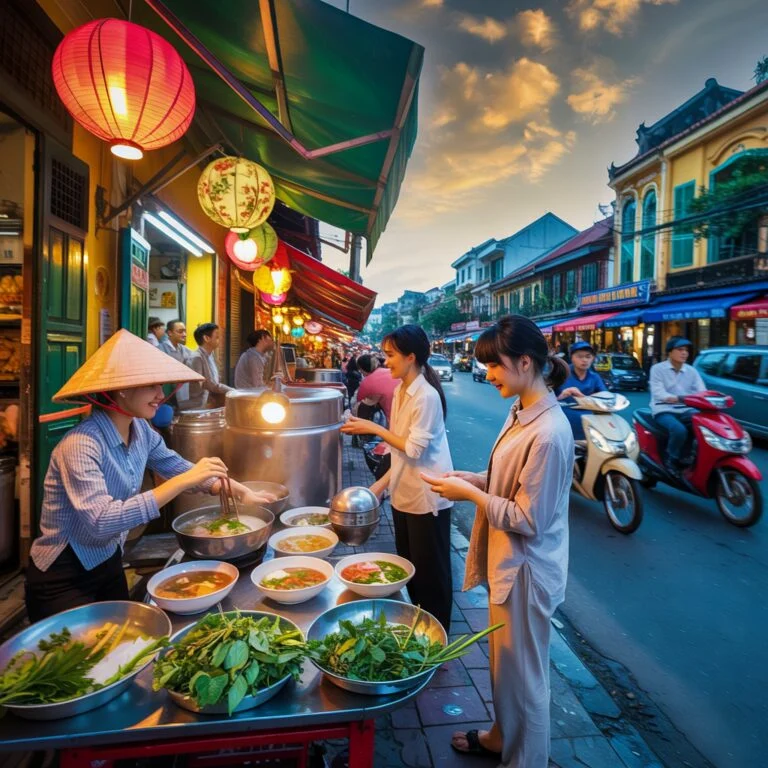
Initial excitement temporarily masks the sensory overload of motorbikes and street food vendors.
Day 3-4: Frustration
Language barriers and constant noise trigger acute cultural disorientation.
End of week 1: Adjustment
Travelers enter “Vietnam mode,” adapting to local routines and overcoming initial frustrations.
Constant noise comes from vendors, motorbikes, and karaoke culture deep into the night. Use earplugs and book rooms off main roads. This guide was last reviewed on October 1, 2026, by our editorial team of bilingual editors who have collectively spent over 20 years traveling and living in Vietnam; all advice is tested in the field.
Language Barriers and Indirect Communication in Vietnam
Manage language barriers in Vietnam with offline translation apps, basic phrases, and an understanding of saving face.
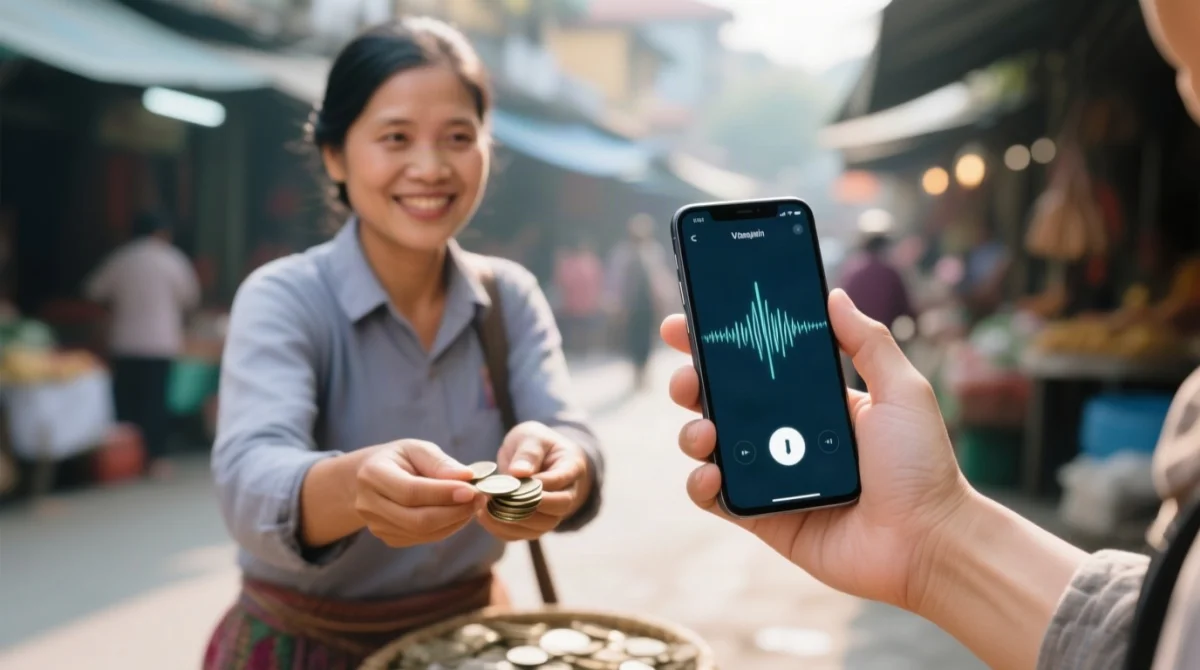
English is conversational among youth in tourist areas like Hanoi and HCMC, but almost nonexistent in rural areas and among older generations. Memorize these essentials:
| English | Vietnamese |
|---|---|
| Hello | xin chào |
| Thank you | cảm ơn |
| How much? | bao nhiêu tiền? |
How to Address a Vietnamese Person Politely
Vietnamese name order places the family name first. Everyday address replaces Western titles with age-based pronouns like anh, chị, and em.
Saving Face and Indirect Communication
Misinterpreting indirect communication is a common trigger. Locals prioritize saving face to avoid confrontation, meaning a hesitant smile or the word “maybe” functionally means “no”. A smile instead of an apology is the usual reaction when locals feel embarrassed and do not know how to respond. Raising your voice causes permanent damage to a conversation.
Best Translation Apps for Vietnam
Download Google Translate for offline text and Lens image translation, alongside Papago or DeepL to navigate daily interactions effectively.
Traffic Culture in Vietnam: How to Cross the Street
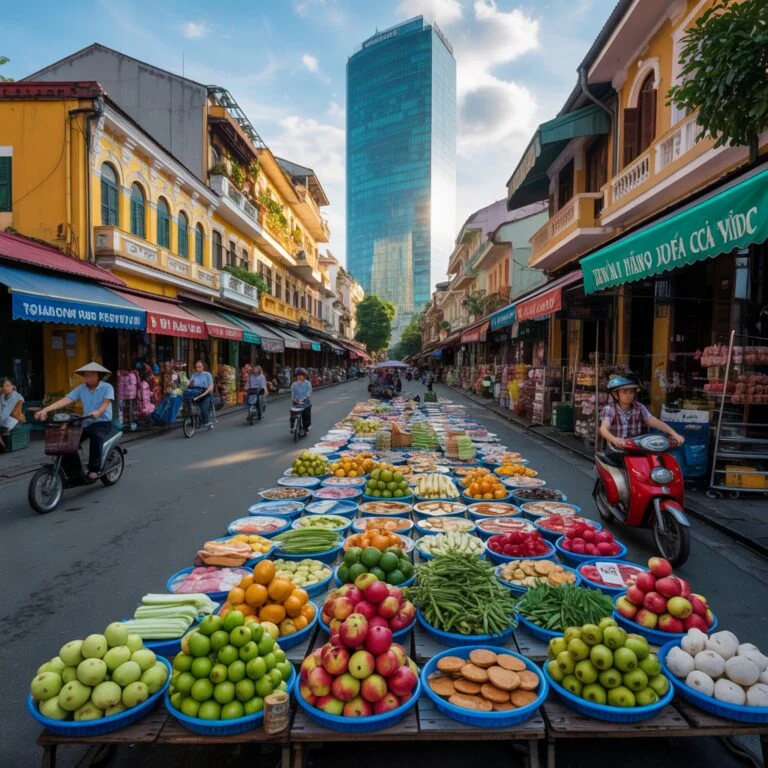
Pedestrians face thousands of motorbikes in constant streams, a major shock trigger. Crossing a Vietnamese street requires a slow, steady pace with no sudden stops, as drivers flow around obstacles rather than stopping. The challenge peaks in Hanoi during rush hours from 7:00 AM to 9:00 AM and 5:00 PM to 7:00 PM. Use the standard four-step crossing technique:
Assess the flow
Stop at the curb to assess the flow of motorbikes.
Establish eye contact
Look directly at oncoming traffic to establish eye contact.
Step forward
Step forward to initiate your crossing.
Walk steadily
Walk with a slow, steady, and predictable pace, never stopping, running, or changing direction.
Motorbike Rental in Vietnam: Rules, Deposits and Pickup Protocol
Motorbike rental in Vietnam requires an International Driving Permit (IDP) and a helmet by law. Always take timestamped photos at pickup to protect against damage deposit scams. Prefer ride-hailing apps such as Grab over traditional taxis to avoid meter fraud.
Common Scams Targeting Tourists in Vietnam
The seven most common Vietnam tourist scams rely on time pressure and isolation, but you can avoid them by recognizing typical price anchors.
| Scam | Red Flag | What to Do |
|---|---|---|
| Taxi meter fraud | Meter jumps unusually fast | Use ride-hailing apps |
| Cyclo overcharge | Vague initial price agreement | Agree on exact fare upfront |
| Shoe-shine | Vendor grabs your shoes | Pull away firmly |
| Motorbike damage claim | Pre-existing scratches blamed on you | Take timestamped pickup photos |
| Closed-temple | Driver claims temple is closed | Verify hours independently |
| Fake monks | Aggressively demanding donations | Ignore and keep walking |
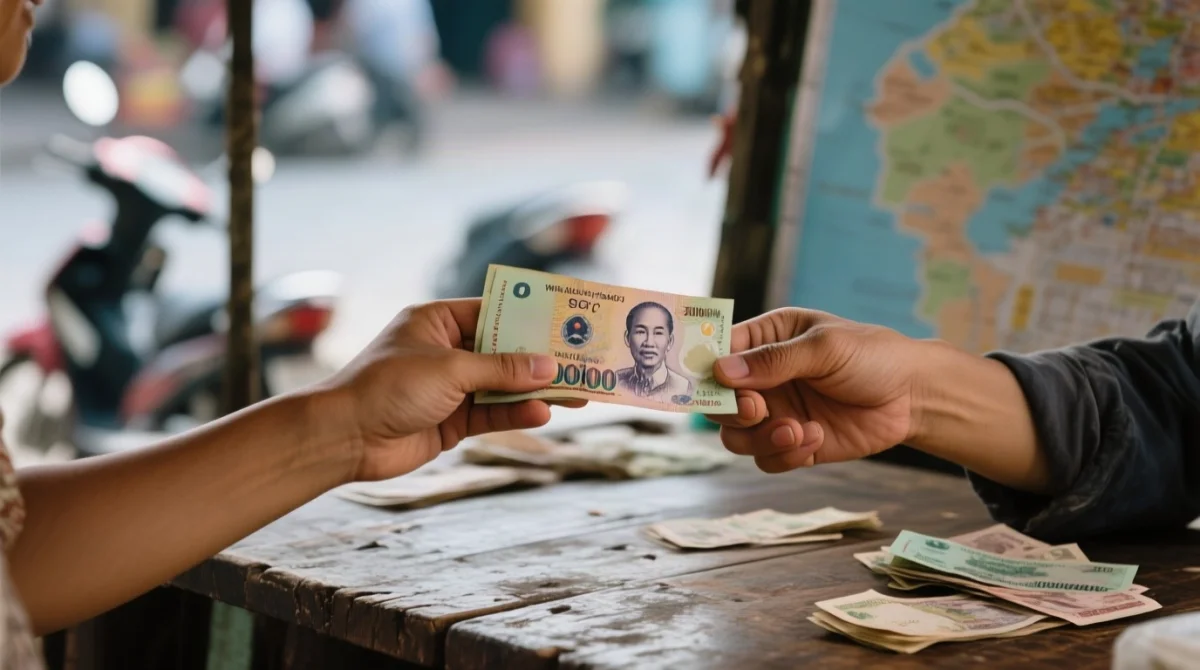
| Money-switching | Swapping notes during change | Check currency carefully |
What to Do If You Get Scammed in Vietnam
When targeted, always walk away without confrontation. If you feel pressured, report to your hotel staff and immediately change payment cards if you shared any financial details.
Public Displays of Affection and Social Norms in Vietnam
Hand-holding and brief cheek kisses are fine in Vietnamese cities, but prolonged kissing or same-sex affection draws stares, especially outside urban areas. Tourists misunderstand these boundaries because traditional family values and the extended family structure remain strong. As of 2026, there is no legal same-sex marriage in the country. Prolonged kissing or same-sex affection in rural areas draws stares; only hand-holding and brief cheek kisses are socially accepted in Vietnamese cities.
Temple Etiquette and Personal Questions
Follow strict temple etiquette by keeping your shoulders and knees covered, speaking quietly, and removing your shoes when entering temples and pagodas. Locals build rapport by asking personal questions about your age, marital status, and income. These inquiries are not privacy invasions but standard attempts to establish social hierarchy and connection.
The Biggest Mistakes Tourists Make in Vietnam
The ten biggest tourist mistakes in Vietnam include:
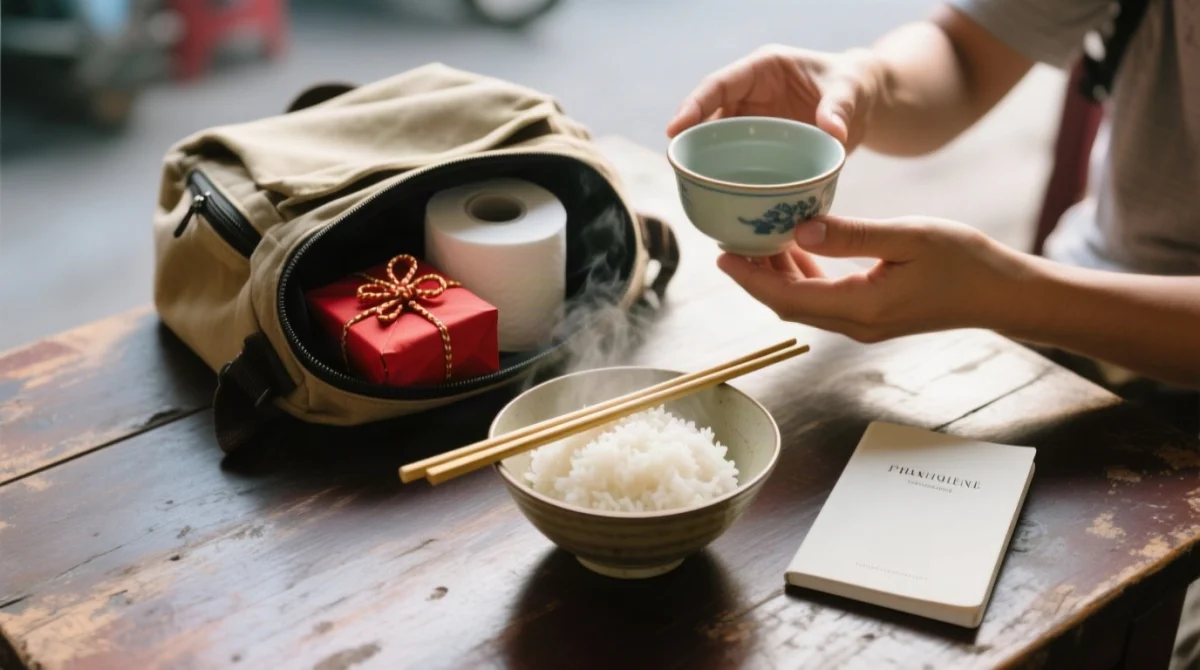
- Action: Sticking chopsticks upright in rice. Why: Resembles funeral incense. Fix: Lay them flat.
- Action: Refusing offered tea. Why: Rejects local hospitality. Fix: Accept it graciously.
- Action: Ignoring squat toilet sanitation. Why: Public stalls lack paper and soap. Fix: Bring your own.
- Action: Assuming tipping is required. Why: Not traditional. Fix: Tip 20,000-50,000 VND for meals and $10-15 daily for guides.
- Action: Photographing military sites. Why: Legally sensitive. Fix: Lower cameras near government buildings.
- Action: Touching a local’s head. Why: Spiritually sacred body part. Fix: Never touch heads.
- Action: Pointing feet at altars. Why: Culturally disrespectful. Fix: Tuck feet away.
- Action: Aggressive bargaining. Why: Causes loss of face. Fix: Negotiate politely in traditional markets only; fixed-price stores and malls do not negotiate.
- Action: Gifting clocks or knives. Why: Symbolizes death or severed ties. Fix: Give items in red wrapping, with both hands.
- Action: Using first names immediately. Why: Disrespects hierarchy. Fix: Address locals using family names first.
Vietnam Etiquette: Everyday Social Norms You Should Know
The core Vietnam etiquette rule is observe first, mimic second. Communal dining in Vietnam involves shared dishes placed on a big plate in the center of the table, while each person receives an individual rice bowl. When drinking alcohol, raise your glass with both hands and join the local cheer of “Một hai ba, vô!”. The dog meat trade is legal and visible in some markets, but it is a fading custom, heavily debated among locals based on 2017-2022 data.
Gestures, Sensitive Topics and Cultural Dress Code in Vietnam
Touching a Vietnamese person on the head, pointing with one finger, or showing shoe soles toward altars are three gestures that cause real offense. Point with an open hand instead. Avoid initiating conversations about the Vietnam War or criticizing the government. Pack a scarf for quick shoulder coverage, a shoe bag for temple and homestay visits, and your own toilet paper and soap. Note the spray hose (bidet) beside most toilets, used instead of paper in most homes and restaurants.
How to Adapt to Culture Shock in Vietnam: A 5-Step Framework
The five-step Vietnam adaptation framework is:
- Observe locals before reacting.
- Mimic local behavior in dining, greeting, and dress.
- Exit the tourist bubble to build real familiarity.
- Build a daily routine to restore predictability.
- Keep one home ritual to stay grounded.
If cultural disorientation persists beyond two weeks or worsens, contact your embassy or travel insurance support line for assistance.
Frequently Asked Questions (FAQ) About Culture Shock in Vietnam
What are some ways to avoid culture shock in Vietnam?
Learn key phrases like xin chao and bao nhieu tien, expect a slow, steady pace when crossing the street among motorbikes, and observe local customs before reacting. Most travelers adjust within three to five days as they get used to noise pollution and indirect communication styles.
What is one of the biggest mistakes you can make in Vietnam?
Sticking chopsticks upright in a bowl of rice, which resembles funeral incense. Other major errors include refusing offered tea, photographing military sites, and losing your temper, since saving face is highly valued in Vietnamese society.
What is considered rude in Vietnamese culture?
Touching a person on the head, pointing with one finger, and showing shoe soles toward altars. Prolonged kissing or same-sex affection outside urban areas is discouraged, as is criticizing the government or discussing the Vietnam War.
What not to do as an American in Vietnam?
Do not expect direct communication: a hesitant smile or the word maybe functionally means no. Do not initiate conversations about the Vietnam War. Do not walk fast or stop suddenly when crossing the street in Hanoi or Ho Chi Minh City, as motorbike drivers expect predictable movements.
How do you handle bargaining with a street food vendor in Vietnam?
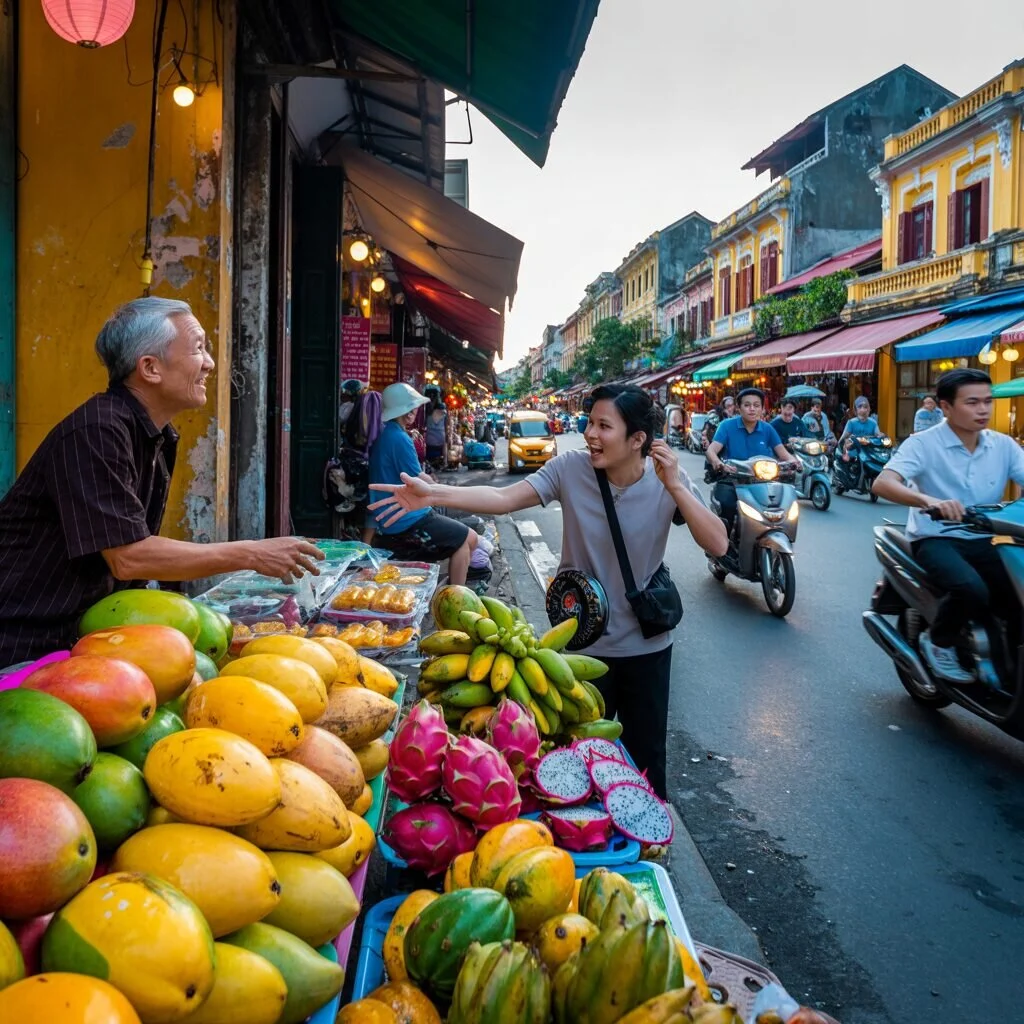
You generally do not bargain heavily with a street food vendor for basic meals, and fixed-price stores and malls do not negotiate. Polite negotiation is common in traditional markets; keep it friendly to respect saving face.
Should I tip in Vietnam restaurants?
Tipping is not traditional, but in tourist areas 20,000 to 50,000 VND per meal is appreciated, and 10 to 15 USD per day is standard for tour guides.
How do you navigate communal dining in Vietnam?
Shared dishes go on a big plate in the center; each person gets an individual rice bowl. Never stick chopsticks upright in rice, and raise your glass with both hands when joining the cheer mot hai ba, vo.
What should I pack for Vietnam to respect local culture?
Pack clothing that covers shoulders and knees, a scarf, and a shoe bag for temples, pagodas, and homestays. Bring your own toilet paper and soap for public restrooms with squat toilets.