

The most common scams in Vietnam include rigged taxi meters, motorbike deposit traps, and the 20,000 VND vs 500,000 VND note swap. Travelers can avoid losing thousands of dollars by using the Grab app and photographing rental bikes before riding.
In 2026, tourists must also verify MoMo and ZaloPay QR codes to prevent digital wallet phishing at street food stalls. Knowing how to identify and avoid these fraudulent practices ensures a safer travel experience across major hubs like Hanoi and Ho Chi Minh City.
Transport & Ride-Hailing Fraud
Rigged taxi meters and copycat brands can charge up to 10 times the Grab price, so always verify ride-hailing app fares upfront.
Rigged Taxi Meters & Route Diversion
Common scams in Vietnam systematically manipulate meter readings and route algorithms, forcing travelers to overpay before recognizing the discrepancy.
- Fake taxis copy the color schemes of reputable companies: Vinasun (white cars) and Mai Linh (green cars), placing a “metred” sign on doors while fake meters rise faster than they should.
- A driver may take a long “scenic” route; at Da Nang Airport, one quote reached 500,000 VND while the actual Grab price was about 50,000 VND.
- Licensed taxi drivers wear a shirt, tie, and slacks with clear branding. Ride only with Vinasun or Mai Linh, or use the Grab app.
Ride-Hailing App Manipulation & Copycat Brands
Transport-related common scams in Vietnam increasingly exploit ride-hailing unfamiliarity through fake VIP options and manipulated quotes.
- Fake Grab VIP option quoted at about 500,000 VND; in Sapa, a Grab scam requested 50,000 VND versus the actual Grab price of about 30,000 VND.
- Grab is not available everywhere in Vietnam. For intercity routes, use recommended booking platforms Baolau and 12Go Asia.
Motorbike Rental Traps & Deposit Hustles
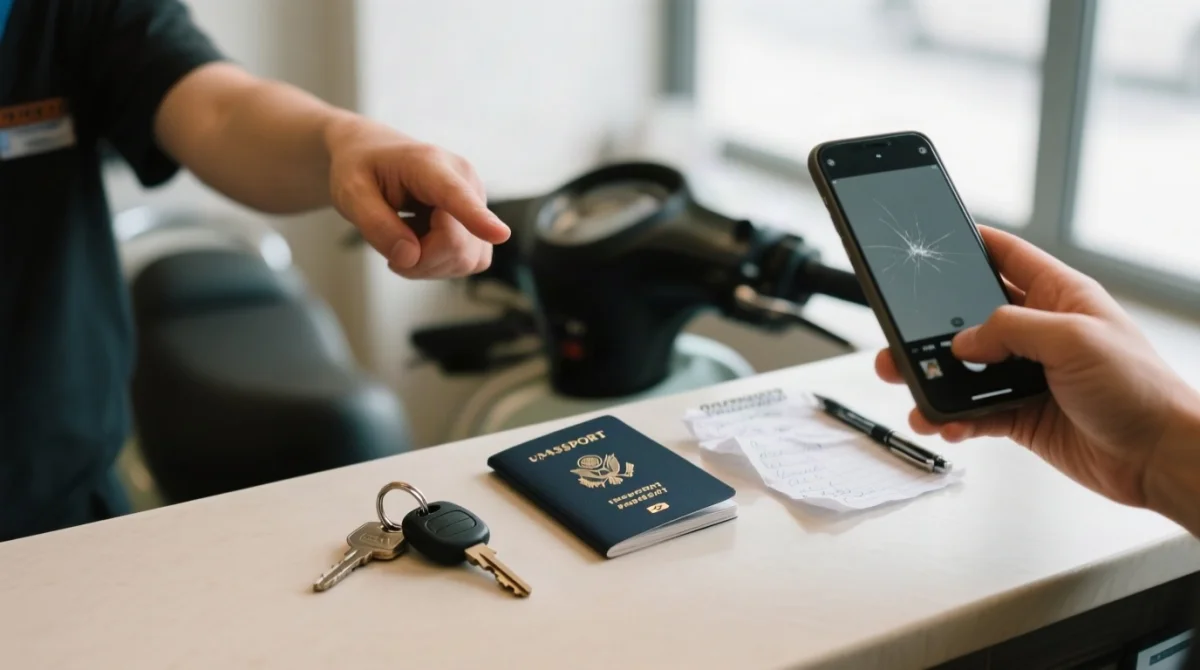
Motorbike rental scams in Vietnam routinely manufacture pre-existing damage claims, compelling renters to demand standardized photo documentation before accepting keys. These common scams in Vietnam exploit the passport-as-deposit convention, leaving visitors financially liable for fabricated repairs and, in extreme cases, full replacement cost.
Pre-Existing Damage Claims & Deposit Traps
- Owners point out a non-existent scratch or dent and demand a ridiculous repair fee.
- Staff may use a spare key to follow the tourist and steal the bike back, making the renter liable for the full replacement cost.
- Some shops lease bikes with hidden mechanical issues, then charge the renter for pre-existing damage.
- Avoidance: film a video with a date and time stamp, photograph every existing scratch, and note each one in writing before riding.
- Ask your hotel for rental recommendations, though a kickback risk exists.
Passport Hostage Situations
- Owners hold the passport hostage while demanding money for fabricated damage.
- Ask other travelers for vetted recommendations and never surrender a passport as a deposit without a documented agreement.
- Among common scams in Vietnam, this passport leverage tactic consistently produces the highest per-incident financial exposure for self-drive tourists.
Currency & Transaction Short-Changes
Taxi drivers and vendors swap blue 500,000 VND notes for 20,000 VND notes, so always state the amount aloud when paying. These common scams in Vietnam exploit color similarity between banknotes and tourist unfamiliarity with local denominations.
The 20,000 VND vs 500,000 VND Note Swap
- Both the 500,000 VND and 20,000 VND notes are blue, making sleight-of-hand swaps difficult to detect
- Typical perpetrators: motorbike or taxi drivers who perform a dramatic switch, then claim you handed a smaller note
- Small vendors use the “don’t have change” excuse to force overpayment – documented at the Hue royal tombs water purchase
- Break large notes at Circle K, restaurants, or reputable businesses before entering markets
- State the amount aloud when paying and count change carefully before walking away
ATM Skimmers & Card Cloning Risks
- ATMs in isolated areas may carry skimming devices that capture card details
- Use ATMs located inside banks or well-monitored areas; inspect machines for suspicious attachments before inserting your card
- Withdraw the majority of cash at once and avoid keeping large sums in the linked account
- Turn on banking app notifications to detect unauthorized transactions immediately
- Fee-free cards to use abroad: Revolut and Monzo help limit exposure if cloned
As digital wallet adoption accelerates in 2026, common scams in Vietnam increasingly blend physical note swaps with emerging payment-layer manipulation, requiring travelers to verify every transaction in real time.
Street-Level Pickup Scams & Vendor Tricks
Street vendors trap tourists with bamboo shoulder pole photos and inflate coconut prices tenfold, demanding payment after the picture is taken. These common scams in Vietnam exploit casual photo opportunities, turning a brief interaction into a forced transaction.
The Bamboo Shoulder Pole Photo Trap
- Vendors offer traditional bamboo shoulder poles loaded with pineapples, rambutan, custard apples, or mangosteen for a photo, then slice open a coconut or pineapple and thrust it into the tourist’s hands.
- They demand a heavily inflated price for both the fruit and the photo opportunity, while the fair price for a coconut is 10,000-30,000 VND.
- Avoidance: Politely but firmly say no and negotiate any price beforehand.
Fake Ticket Agencies & Unlicensed Tours
- Shoe shine scam: a vendor applies glue or begins brushing shoes without consent; the price doubles after the work is done. Accomplices surround the tourist and pressure payment. Frequent locations: Hanoi and Ho Chi Minh City’s District 1.
- Cyclo fare ambiguity: the driver agrees on “50,” perceived as 50,000 VND, then demands 500,000 VND at the destination.
- Motorbike and cyclo tour scam: a rider offers a small-fee trip, then charges an inflated price, claiming the tourist misheard. Common in Hue and Hoi An.
- Coin collector scam: a local starts a friendly conversation and asks for a foreign coin or note; a teacher variation claims to show money to students. Popular in Hue.
- Squeaky donut scam: a vendor offers a free sample, pressures the tourist to buy a bag, and uses unregulated frying oil linked to reported illness.
- Luggage handler scam: a handler swoops in uninvited at train platforms or taxi loading zones, carries bags, and demands a tip.
Recognizing these common scams in Vietnam early allows travelers to keep walking, refuse firmly, and book tours only through licensed operators.
Digital & Service Upsell Traps
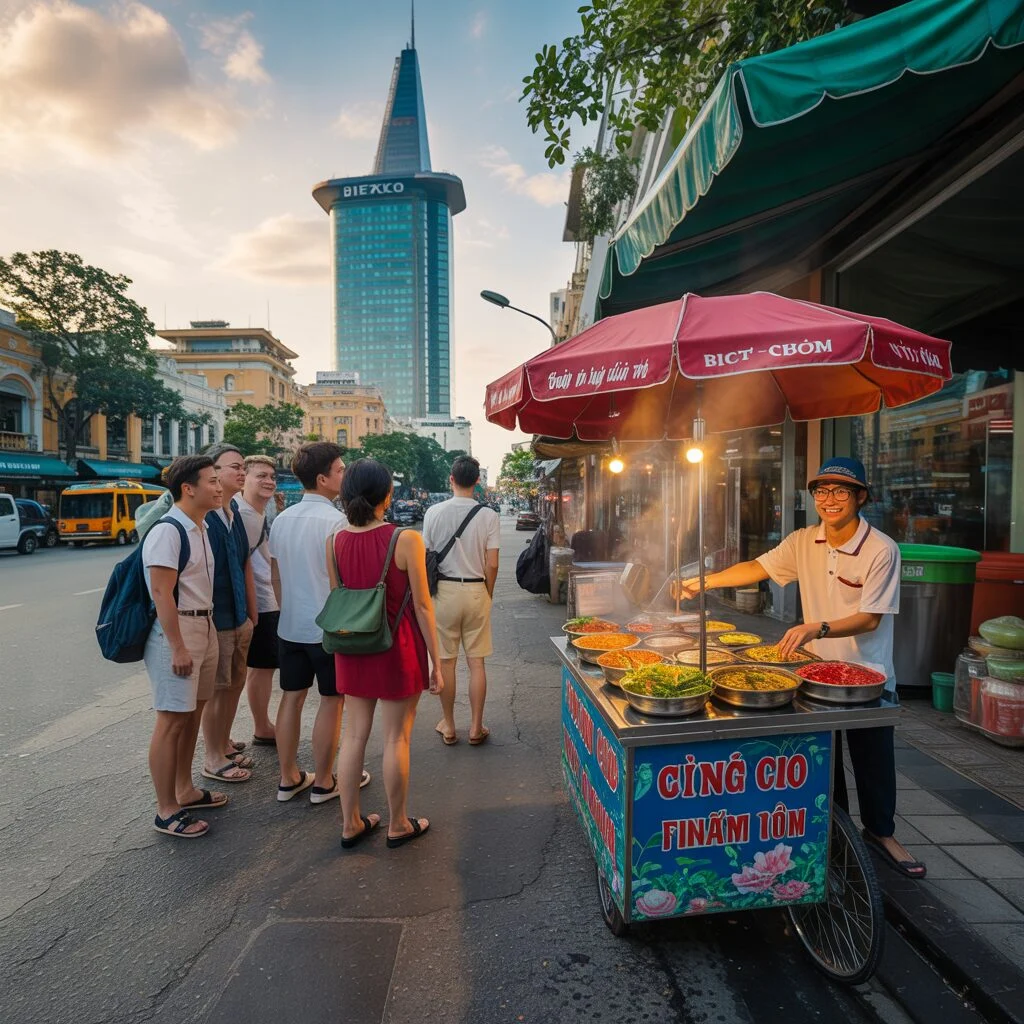
The evolving landscape of common scams in Vietnam increasingly incorporates digital wallet phishing, redirecting payments through fake QR codes at street food stalls. As e-wallet adoption surges in 2026, scammers swap legitimate MoMo and ZaloPay QR stickers to redirect tourist payments into fraudulent accounts. Visitors unfamiliar with local digital payment platforms remain the primary target.
MoMo/ZaloPay QR Code Phishing (2026 Update)
- Fake QR codes at street food stalls redirect MoMo/ZaloPay payments to scammer accounts instead of registered vendors.
- Digital payment manipulation overcharges tourists unfamiliar with local e-wallet interfaces.
- Avoidance: Verify that vendor QR codes match the registered business; prefer cash for small transactions; use secure payment methods only.
Fake Police Checkpoints & Bribe Demands
- Fake police checkpoints demand bribes from tourists traveling outside major urban centers.
- Hotel billing scam: stay n nights but charged for (n + 1) days.
- Gas station scam: attendant does not reset the pump from the previous customer, inflating the billed amount.
- Missing prices on menus and SIM card scams with data throttling or fake SIM cards compound these common scams in Vietnam.
- Avoidance: Ask for itemized receipts; verify SIM card activation with the provider; check hotel bills line by line.
Reporting, Verification & Legal Recourse
Tourists can recover losses by reporting incidents to local tourist police and initiating credit card chargebacks within 24 hours of the scam. The most disruptive common scams in Vietnam – from rigged meters to passport hostage tactics – leave victims uncertain about next steps, but structured documentation and swift action materially improve recovery odds.
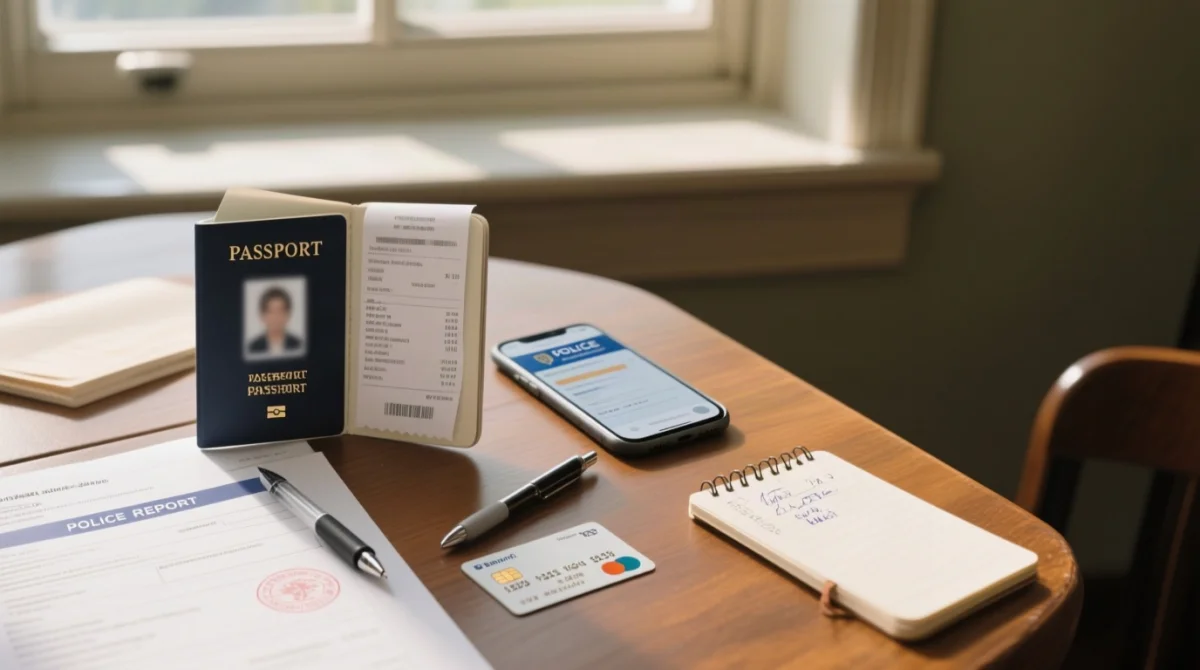
How to Report a Scam to Tourist Police
- Document the incident: photograph evidence, save receipts, note time and location.
- Contact local tourist police through external government reporting portals. Non-emergency police lines are available in major cities including Ho Chi Minh City and Hanoi.
- For US citizens: contact the US Embassy in Vietnam for stolen passports or large financial losses.
- File a formal police report – this document is required for insurance claims.
Travel Insurance Claims & Credit Card Chargebacks
Common scams in Vietnam frequently produce losses that travel insurance may cover, provided the policy includes fraud or short-changing provisions. Contact your issuing bank within 24 hours to initiate a chargeback, supplying the police report and transaction details. Vietnamese consumer protection for tourists remains limited in practice, so leveraging Western banks for chargebacks is the more effective recovery path. Always request itemized receipts; their absence is a documented red flag across fraudulent billing scenarios.
FAQ: Tourist Scams in Vietnam
What are the most common scams in Vietnam?
The most common scams in Vietnam include rigged taxi meters, motorbike rental damage claims, and the 20,000 VND vs 500,000 VND note swap. Travelers also frequently encounter street vendor photo traps, cyclo fare ambiguity, and emerging digital wallet QR code phishing.
How do I avoid taxi meter manipulation in Vietnam?
Avoid unmarked taxis by using reputable companies like Vinasun (white cars) or Mai Linh (green cars), where drivers wear uniforms. Alternatively, use the Grab app to lock in fares upfront. Fake taxis use rigged meters that rise faster than normal, sometimes charging up to ten times the Grab price.
Is it safe to rent a motorbike in Vietnam in 2026?
Renting a motorbike carries risks like pre-existing damage liability and theft scams where staff use a spare key to steal the bike back. To stay safe, film a video with a date and time stamp documenting all existing scratches, and never surrender your passport as a deposit without a written agreement.
What is the 500,000 VND short-change trick?
Perpetrators use sleight of hand to swap a blue 500,000 VND note for a blue 20,000 VND note, claiming you gave them the smaller amount. To avoid this common scams in Vietnam tactic, pay with exact change, state the amount aloud when paying, and break large notes at reputable businesses like Circle K.
Are QR code payments safe for tourists in Vietnam?
Digital wallet payments via MoMo and ZaloPay carry risks in 2026. Scammers place fake QR codes at street food stalls to redirect payments to fraudulent accounts. Tourists should verify that vendor QR codes match registered business details or prefer using cash for small street transactions.
What should I do if I get scammed in Vietnam?
Document the incident with photos and receipts, then contact local tourist police to file a formal report. US citizens should contact the US Embassy in Vietnam for stolen passports. If you paid by card, contact your issuing bank within 24 hours to initiate a chargeback using the police report.
Does travel insurance cover scam losses in Vietnam?
Travel insurance may cover financial losses from fraud, short-changing, or fake rental damages, but you must check your specific policy. You will need a formal police report to file a claim. Jurisdictional limits mean leveraging Western banks for chargebacks is often more effective for card payments.
Are there specific scams targeting solo female travelers in Vietnam?
When facing common scams in Vietnam, solo female travelers often encounter aggressive street vendor tactics, such as the shoe shine scam where accomplices surround the tourist to pressure payment, or the friendly local approach used in the coin collector scam. Maintaining firm boundaries and keeping walking reduces target probability.