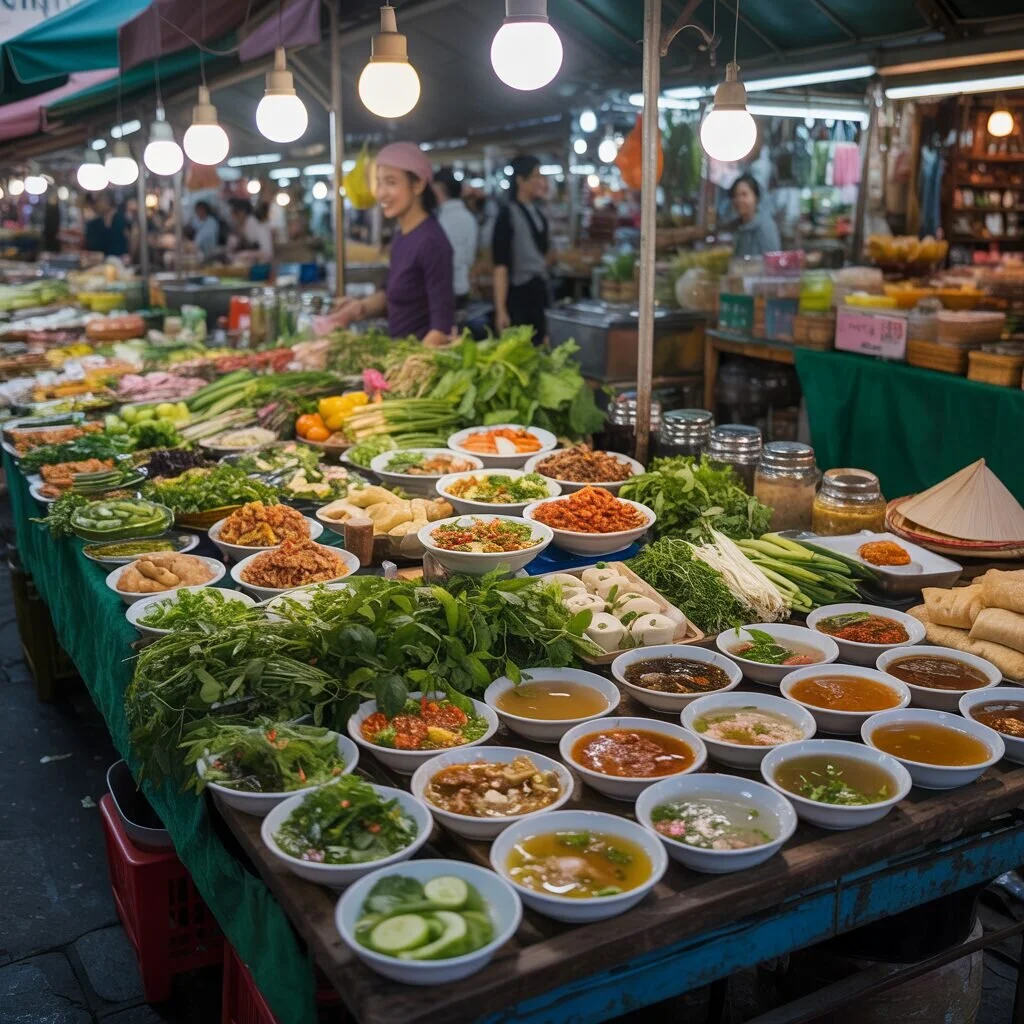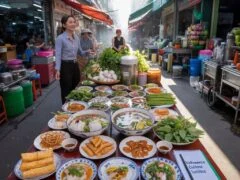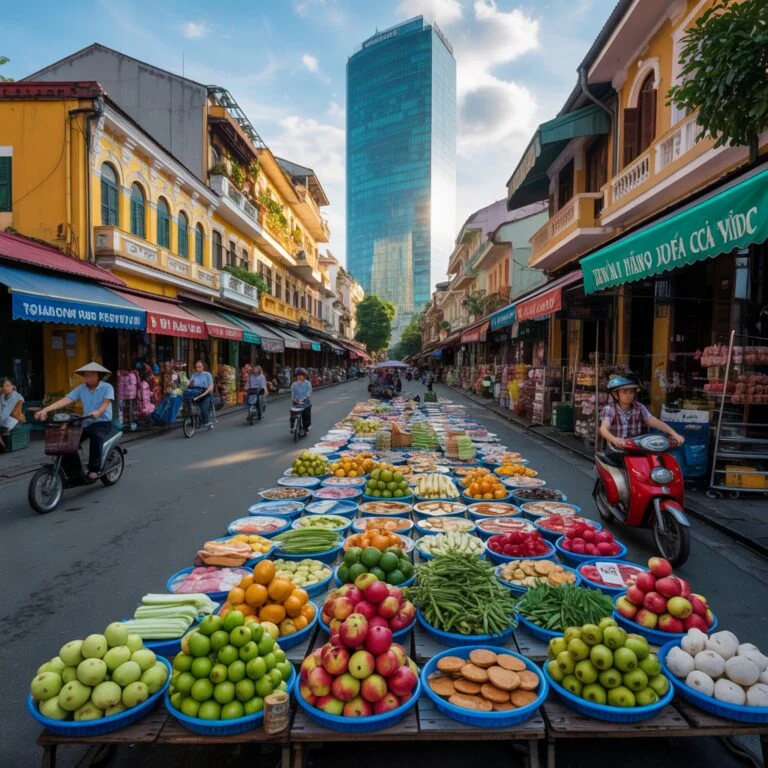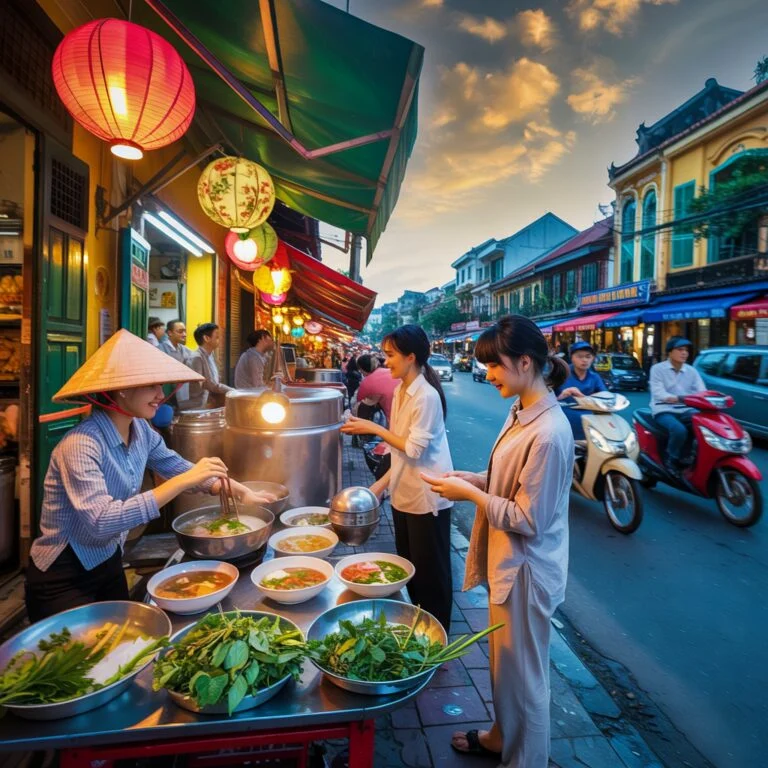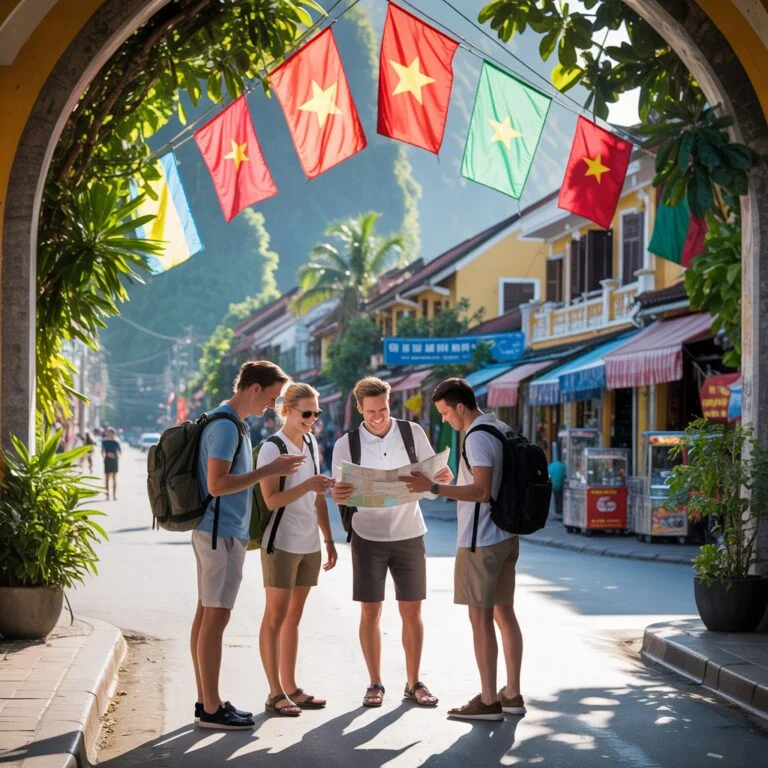

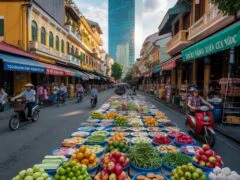
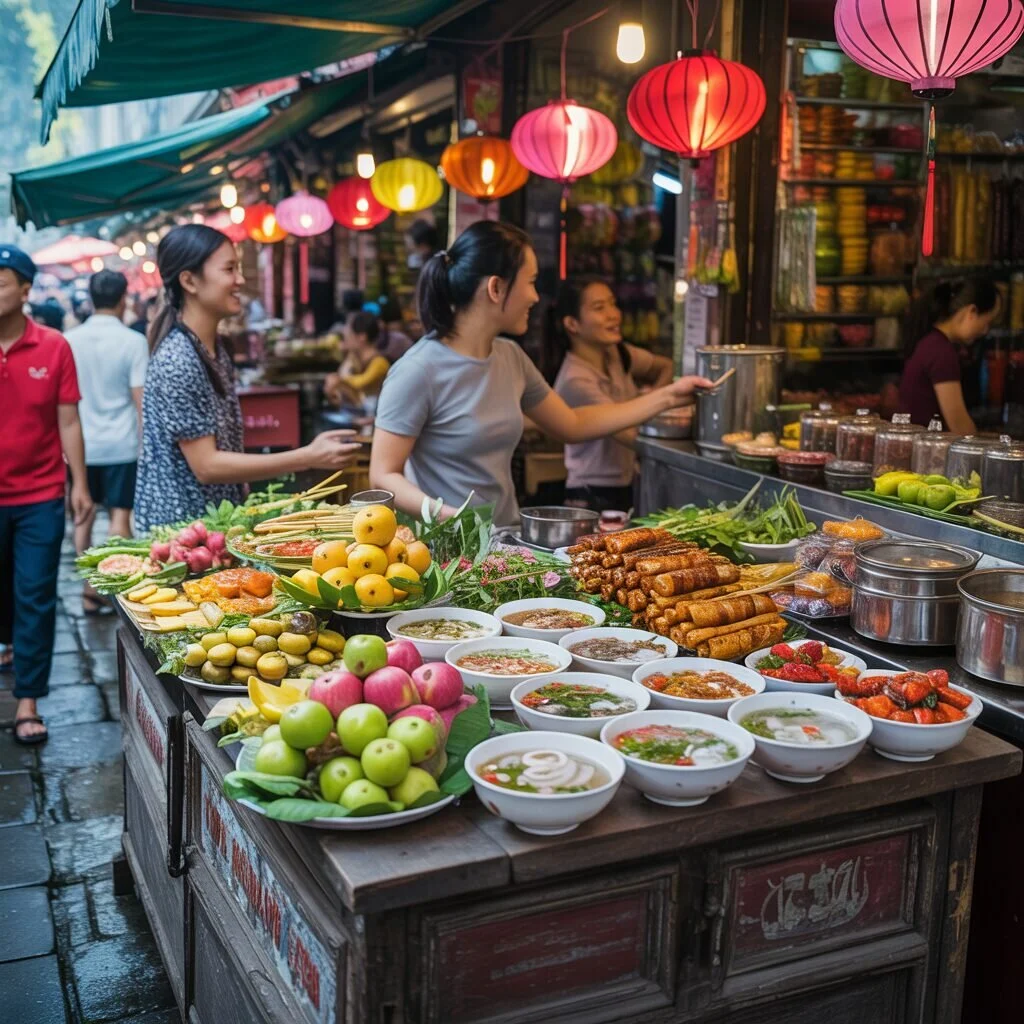
So, is street food safe in Vietnam? Yes, Vietnamese street food is safe for most tourists if you choose high-turnover, cook-to-order stalls. The main risk is mild traveler’s diarrhea, not severe food poisoning. In 2026, sticking to freshly cooked meals easily prevents most stomach issues.
This guide covers how to identify safe stalls, avoid high-risk foods, and handle illness. Published October 1, 2026; all prices are 2026 estimates in Vietnamese dong (VND) and US dollars and may change by city and vendor.
Is Street Food Safe in Vietnam? The Short Answer
Vietnamese street food is generally safe for most tourists: the primary risk is mild traveler’s diarrhea, not severe food poisoning. Street food safety in Vietnam is strong because dishes are cooked fast and to order, so nothing sits out. A typical local meal costs 10,000-15,000 VND ($0.50-$0.75 USD), up to 20,000 VND ($1.00 USD) in tourist areas, and in 2026 widely available regulated ice and bottled water make eating out safer than ever.
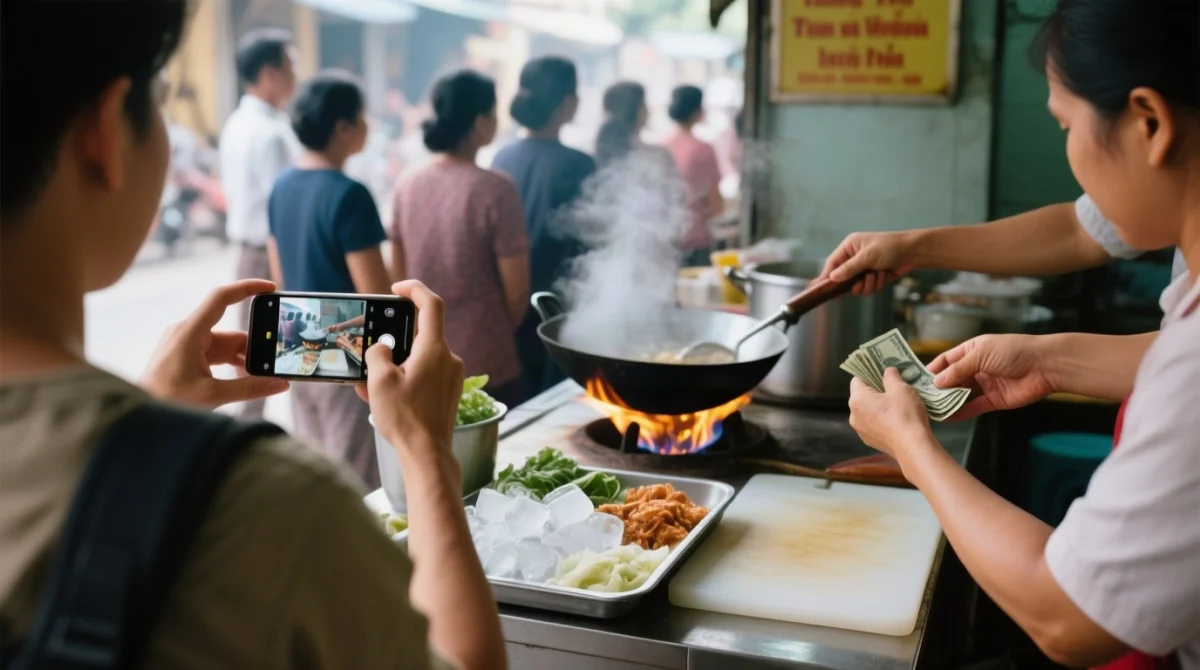
For country-specific health advice, consult the CDC Travelers’ Health site and the US State Department travel information for Vietnam as external references before your trip.
How to Choose a Safe Street Food Stall in Vietnam: The 10-Second Scan
A 10-second visual scan tells you whether street food in Vietnam is being handled safely: look for a constant queue of locals, visible active cooking, clean prep surfaces, and one-dish specialization. The rule of thumb: if locals eat there and food moves fast, stay.
High vendor turnover means ingredients do not sit out, and one-dish specialization keeps cross-contamination risk low. Vietnamese street food hygiene signals are this readable: if a cook handles money and food without washing, move on to another stall.
| Signal | What You See | Meaning |
|---|---|---|
| Constant queue of locals | Line at peak hours | High vendor turnover, fresh ingredients |
| Visible active cooking | Open flame, cook-to-order | Food reaches germ-killing heat |
| One-dish specialization | Single menu item | Low cross-contamination risk |
| Empty at peak hours | No customers at noon | Ingredients sit out longer |
| Lukewarm broth, flies on meat | Poor hygiene signals | Bacteria multiply fast |
| Pre-cooked proteins at room temperature | Food made hours ago | High bacterial risk |
| Money handled, then food, no washing | No hygiene between sales | Cross-contamination |
Drinks & Ice in Vietnam: Bottled Water, Tube Ice & Hot Tea
Tap water is unsafe to drink directly anywhere in Vietnam, so drink only sealed bottled water and hot beverages. A 500ml bottle costs 8,000-12,000 VND ($0.30-$0.50 USD) and a 1.5L bottle 15,000-20,000 VND ($0.60-$0.80 USD) in 2026. Hot tea and coffee are safe because boiling kills germs; skip sugarcane juice (nước mía), a common high-risk street drink.
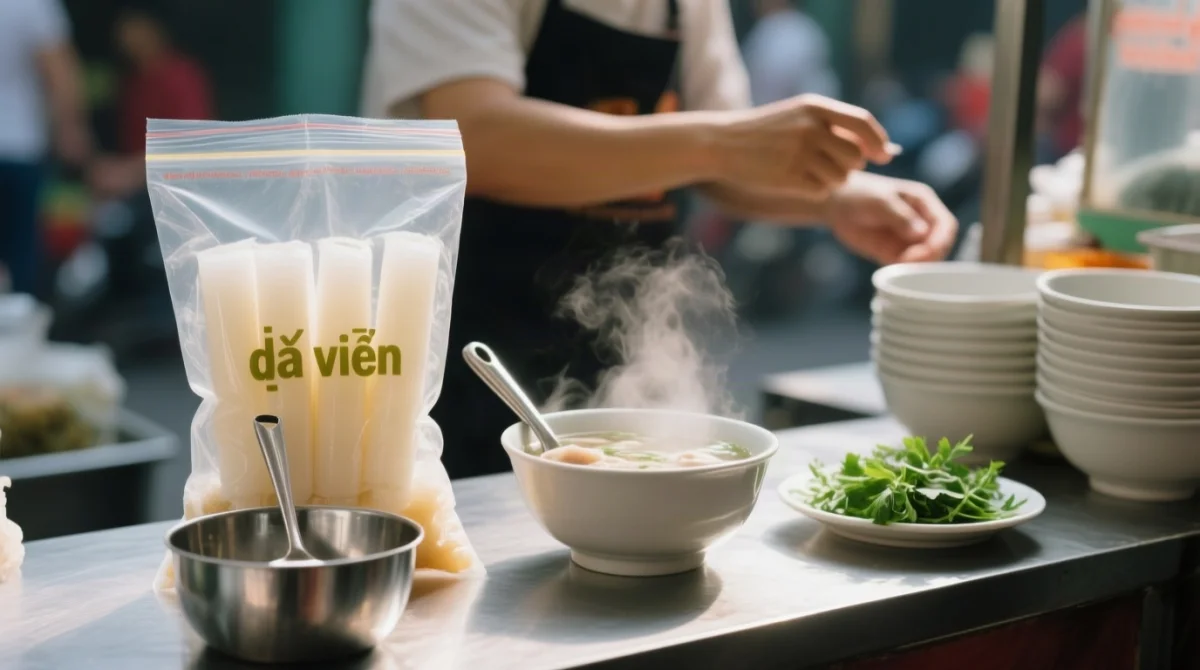
Vietnamese street food stalls use two kinds of ice, and telling them apart is the most useful skill for street food safety in Vietnam. Cylindrical tube ice (đá viên) is factory-sealed and SAFE. Opaque block ice (đá cây) is chipped manually, cloudy, and UNSAFE.
| Tube Ice (đá viên) | Block Ice (đá cây) |
|---|---|
| Cylindrical cubes with a hole through the middle, sealed in clear plastic bags | Large opaque blocks, chipped manually, cloudy and irregular |
| Made in licensed factories: SAFE in drinks | UNSAFE for drinks |
What to Avoid in Vietnam & Safest First Street Food Dishes
Street food in Vietnam is safest in your first 2-3 days if you skip raw herbs, pre-cut fruit, cheap shellfish, and blood pudding (tiết canh), and stick to fully cooked-to-order dishes like phở and bánh mì.
High-risk items at Vietnamese street food stalls:
- Rau sống (raw herbs and lettuce washed in tap water)
- Pre-cut fruit and pre-prepared rice paper rolls
- Cheap shellfish and blood pudding (tiết canh)
- Sugarcane juice (nước mía)
Safe to eat from day one:
- Phở (served in steaming broth)
- Bánh Mì (baked at high temperature with cooked fillings)
- Cơm Tấm (assembled from fresh, hot components)
- Bún chả (freshly grilled over charcoal)
Food Poisoning in Vietnam: Symptoms, Pharmacy & Treatment
Traveler’s diarrhea symptoms typically appear 12 to 48 hours after eating contaminated food; treat first with Oral Rehydration Salts (ORS), using loperamide (Imodium) strictly for symptom control if no fever is present. Managing mild traveler’s diarrhea, not severe foodborne illness, is the main concern with street food in Vietnam.
Immediate mild stomach upset usually means your body is adjusting to new spices and oil, while true bacterial infections like E. coli or Salmonella take longer to develop.
| Onset | What It Usually Means |
|---|---|
| Within hours of eating | Spice or oil adjustment; mild and self-limiting |
| 12-48 hours after eating | Bacterial foodborne illness (E. coli, Salmonella) |
| Resolves within 24-48 hours | Typical traveler’s diarrhea |
Vietnamese street food poses less risk when you carry basic medications. In 2026, local pharmacies sell these without a prescription:
| Medication | Use Case | 2026 Pharmacy Price |
|---|---|---|
| Oral rehydration salts (Oresol) | Electrolyte replacement | 5,000-10,000 VND ($0.20-$0.40 USD) per sachet |
| Loperamide | Symptom control (no fever) | 25,000-40,000 VND ($1.00-$1.60 USD) per strip |
| Activated charcoal tablets | Toxin absorption | 30,000-50,000 VND ($1.20-$2.00 USD) |
| Berberine tablets | Local antidiarrheal | 20,000-40,000 VND ($0.80-$1.60 USD) |
| Smecta (diosmectite) | Diarrhea relief | 60,000-90,000 VND ($2.40-$3.60 USD) |
| Paracetamol | Fever and pain relief | 15,000-25,000 VND ($0.60-$1.00 USD) |
| Probiotics | Gut flora recovery | 100,000-180,000 VND ($4.00-$7.20 USD) |
First 24 Hours & Recovery Diet: Action Plan for Food Poisoning in Vietnam
If you suspect food poisoning from street food in Vietnam, start ORS immediately, monitor for red flags like a fever above 101°F (38.3°C), and call emergency number 115 or visit an international clinic if symptoms escalate.
Hour 0
Begin Oral Rehydration Salts (ORS) to replace electrolytes.
Hour 6
Check for red flags and seek immediate care if any appear.
Hour 24
Evaluate recovery; keep food bland and continue ORS.
Day 3
If symptoms persist beyond three days, consult a doctor.
Red Flag Card
Seek care immediately for: fever above 101°F (38.3°C), blood in stool, severe abdominal pain, persistent vomiting, or symptoms lasting beyond 3 days.
For medical attention, call ambulance 115, Tourist Police 113, or general emergency 112. Dispatchers may not speak English, so hand the phone to hotel staff or have your hotel address card ready. Named international clinics include Hanoi Family Medical Practice, Hanoi French Hospital, and Vinmec in Hanoi; Family Medical Practice (District 1), FV Hospital, and Vinmec Central Park in Ho Chi Minh City; and Da Nang Medical Center and the FV branch in Da Nang. In 2026, consultations cost $60 to $140 USD (1,500,000 to 3,500,000 VND).
Recovery meals must be bland: white rice, plain banh mi, and bananas. When you return to Vietnamese street food, avoid dairy, oily, and spicy dishes until digestion normalizes.
Before You Fly: Vaccines, Health Kit & Travel Insurance for Vietnam
Preventing illness from Vietnamese street food starts before departure: get a Hepatitis A vaccine, pack ORS and loperamide, start probiotics two weeks before departure, and buy travel insurance covering private clinic visits. Consult a travel clinic 4-6 weeks prior to your trip for Hepatitis A and Typhoid vaccines, both crucial for food- and water-borne disease.
Pack a health kit with oral rehydration salts, loperamide, and Pepto-Bismol, which is available over the counter in the US.
Because severe traveler’s diarrhea from street food in Vietnam can mean a private clinic visit, a strong travel insurance policy must include:
- Coverage for private international clinics.
- Direct billing to avoid paying consultation costs of $60 to $140 USD (1,500,000 to 3,500,000 VND) out of pocket in 2026.
- Medical evacuation for severe food poisoning complications.
High-Risk Groups & Allergy Safety in Vietnamese Street Food
Pregnant travelers, children, and immunocompromised visitors should strictly avoid all raw herbs and non-tube ice; those with allergies must use printed translated cards.
Pregnant women, children, and immunocompromised visitors must strictly avoid sugarcane juice (nước mía) and consume only factory-sealed tube ice. For street food safety in Vietnam, these groups should also skip raw herbs completely, eliminating a major source of tap water contamination.
Vietnamese street food poses severe hidden risks for food allergies because fish sauce (nước mắm) and shrimp paste (mắm tôm) are ubiquitous in marinades and broths. Ordering a dish as vegetarian (không thịt or ăn chay) does not guarantee it is free of seafood allergens.
Allergy Card Template
Print this exact phrase to show vendors if you have a severe peanut allergy:
“Tôi bị dị ứng với đậu phộng. Không được cho vào món ăn.”
Best Cities for Street Food in Vietnam: Risk by Region
Street food safety in Vietnam varies by region: Hanoi’s raw herbs, Ho Chi Minh City’s density, and coastal shellfish each need a different strategy.
Vietnamese street food specialties change by city, and so do the risks. In Hanoi, avoid raw herbs served alongside phở and bún chả. In Ho Chi Minh City, navigate the country’s highest stall density, knowing clinic access is the best in Vietnam. On the coast and in the Mekong Delta, ensure shellfish is fully cooked and favor piping-hot dishes at rural stalls with slower vendor turnover.
| City | Signature Food | Main Risk | Strategy |
|---|---|---|---|
| Hanoi | Charcoal-grilled bún chả, phở | Raw herbs on the side | Skip the herb plate |
| Ho Chi Minh City | Dense alleyway stalls | Highest stall density | Best clinic access if sick |
| Da Nang & Coast | Seafood | Undercooked shellfish | Order fully cooked only |
| Mekong Delta | Fermented specialties | Slower rural turnover | Eat only piping-hot dishes |
Vietnamese Street Food Etiquette & Myths Worth Ignoring
Ordering what locals order and eating at peak hours are Vietnamese street food etiquette rules that double as safety strategies; ignore outdated myths that all ice or street food is dangerous.
Do: order the one dish the stall specializes in, eat at peak hours when vendor turnover is highest, and finish hot food fast. Don’t: eat at stalls empty at peak hours or accept lukewarm broth.
Common Myths Debunked
These myths no longer apply to street food in Vietnam in 2026:
- Ice is always bad: False. Factory-sealed tube ice (đá viên) is safe to consume in 2026.
- Street food is always dirty: False. High-turnover stalls cooking to order are often safer than empty restaurants.
- All food is spicy: False. Most dishes are served mild.
FAQ: Vietnamese Street Food Safety
Is tap water safe to drink in Vietnam?
No, tap water is unsafe to drink directly anywhere in Vietnam; use sealed bottled water for both drinking and brushing your teeth.
How much does bottled water cost in Vietnam in 2026?
In 2026, a 500ml bottle costs 8,000-12,000 VND ($0.30-$0.50 USD) and a 1.5L bottle 15,000-20,000 VND ($0.60-$0.80 USD).
Is ice safe in drinks in Vietnam?
Cylindrical tube ice (đá viên), sealed in clear plastic bags from licensed factories, is safe; cloudy, manually chipped block ice (đá cây) is not.
What should I do if I get food poisoning in Vietnam?
Start Oral Rehydration Salts immediately; for fever above 101°F, bloody stool, or persistent vomiting, call 115 or visit an international clinic.
How common is traveler’s diarrhea in Vietnam?
It is the most common foodborne illness for tourists, typically appearing 12-48 hours after eating and resolving within 24-48 hours with hydration.
Is it safe to eat banh mi from street vendors?
Yes; the bread is baked at high temperature with cooked fillings, so buy from any busy vendor with a queue of locals.
What foods should pregnant women avoid in Vietnam?
Avoid raw herbs, pre-cut fruit, cheap shellfish, blood pudding (tiết canh), sugarcane juice, and any non-tube ice; eat only hot, fully cooked meals.
Can I buy stomach medications over the counter in Vietnam?
Yes; in 2026 Oresol costs 5,000-10,000 VND per sachet, loperamide 25,000-40,000 VND per strip, and activated charcoal 30,000-50,000 VND, all without a prescription.