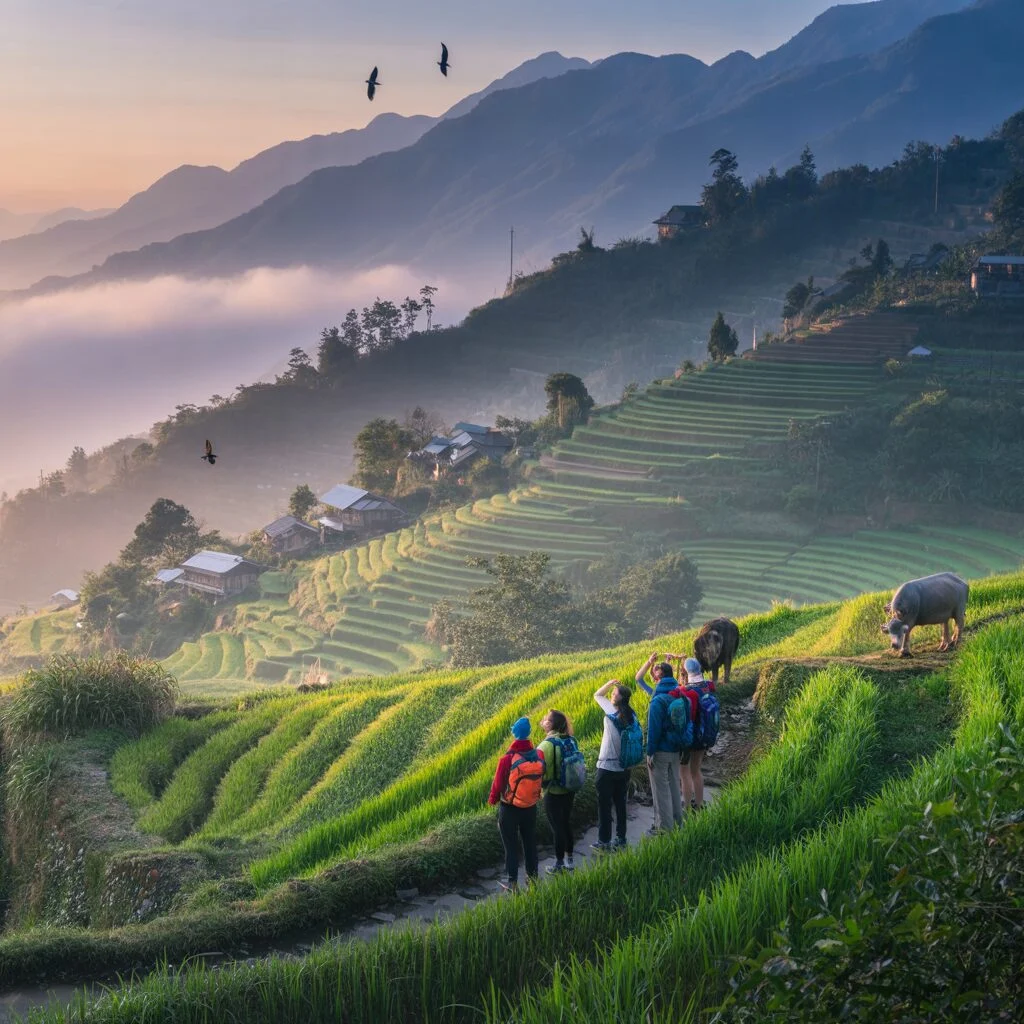

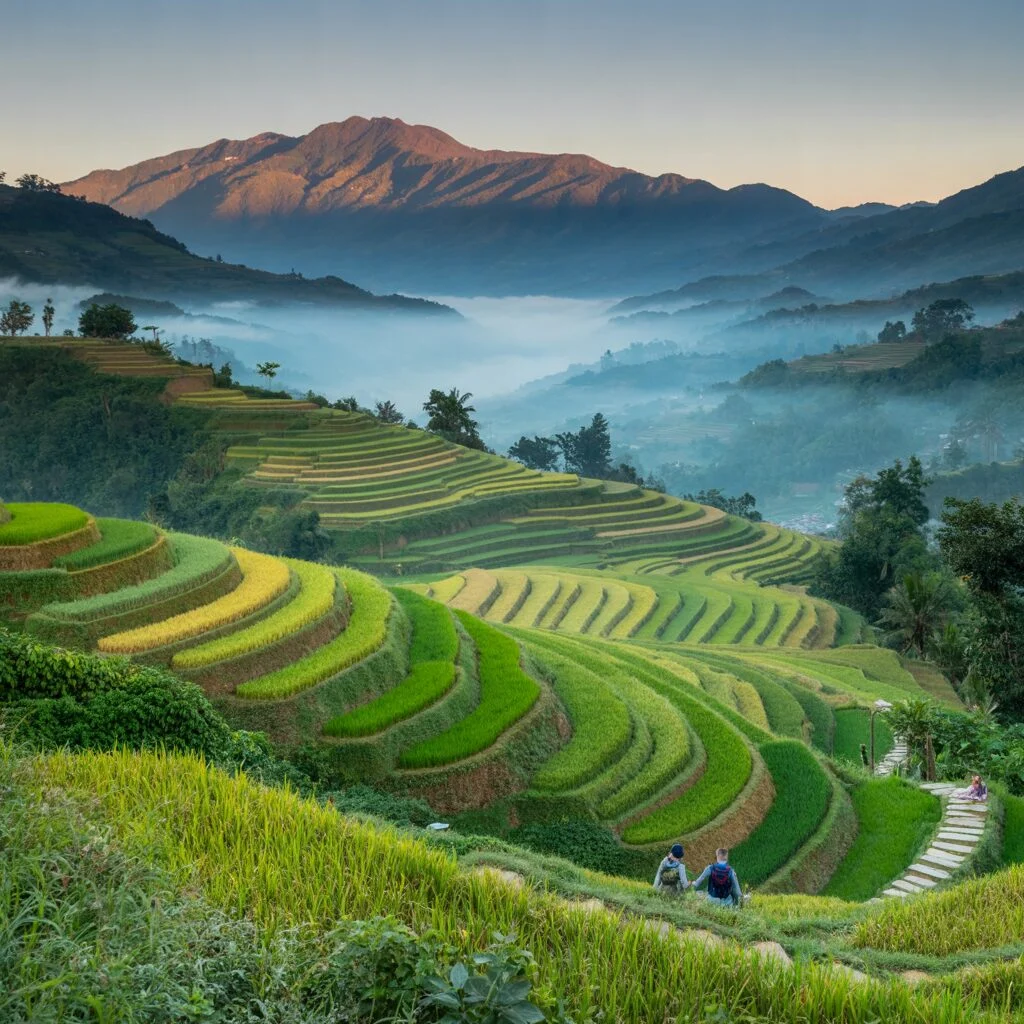
The best time to go trekking in Vietnam is September to November in the North and February to August in the Central region. Northern mountains like Sapa offer dry trails during autumn, while Phong Nha-Ke Bang National Park provides optimal jungle hiking conditions during its dry season.
Vietnam spans 1,650 km from north to south, creating distinct regional climates. Northern regions experience four distinct seasons, with temperatures dropping to 15°C in winter and exceeding 35°C in summer. Central Vietnam features a dry season from February to August, often reaching 30°C or higher, making climate-driven itinerary design essential.
Understanding these regional variations is crucial for planning multi-day treks. By aligning your visit with the optimal hiking season in Vietnam, you can avoid monsoon impacts, muddy trails, and peak typhoon periods, ensuring a safer and more rewarding adventure through the country’s diverse landscapes.
Vietnam’s Trekking Climate: North vs. Central Regions
Northern Vietnam features four distinct trekking seasons with temperatures dropping to 15°C in winter, while Central Vietnam has a dry season from February to August.
Vietnam’s 1,650 km north-to-south span creates sharp climate contrasts. The North has a temperate monsoon climate with summer highs exceeding 35°C and January lows near 5°C in far northern mountains. Central Vietnam’s dry season runs February to August with temperatures reaching 30°C or higher, driven by the hot “Lao wind.” Humidity and steamy heat persist across both regions, but elevation shifts conditions dramatically above 1,000m.
Regional Trekking Micro-Climates
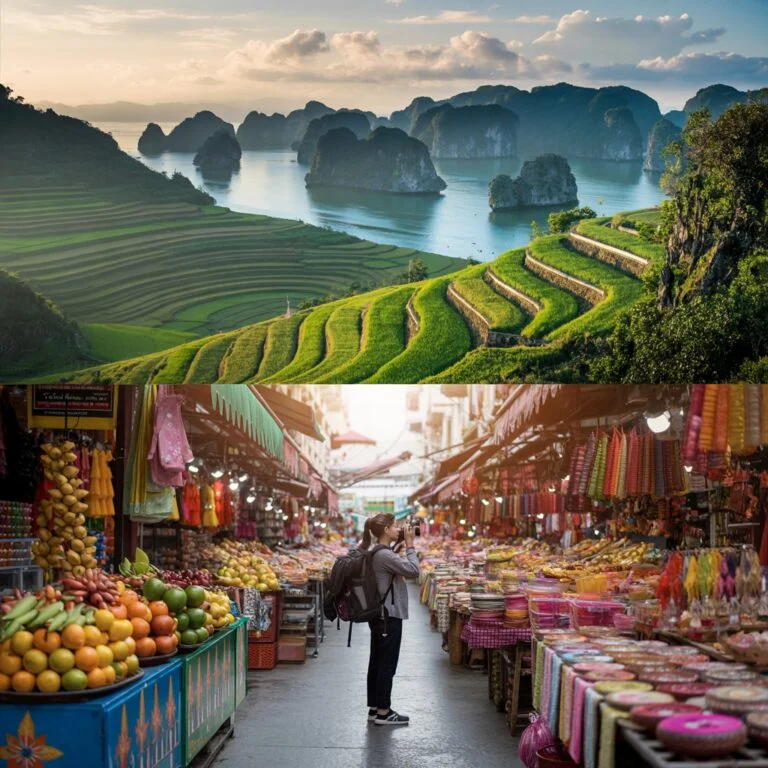
Sapa, Vietnam’s hiking capital, features steep mountains and narrow valleys where unmarked trails require local guides. Ha Giang’s Tonkin Alps near the Chinese border hold deep valleys and terraced rice paddies with weather distinct from lowlands. Phong Nha-Kẻ Bàng National Park offers steamy jungle hikes where the dry season provides the best time to go trekking in Vietnam for routes like Hang Én and Hang Sơn Đoòng.
Altitude Sickness in the Tonkin Alps
Routes above 1,000m demand altitude acclimatization. Symptoms include headaches, nausea, and dizziness. Ascend gradually, hydrate continuously, and monitor for worsening conditions. The best time to go trekking in Vietnam at elevation aligns with October to December, when cool, dry air reduces heat stress but nighttime temperatures demand warm layers.
Navigating the Monsoon: When Trails Open and Close
Monsoon season makes Northern Vietnam trails inadvisable from June to August due to heavy rainfall, while Central Vietnam faces severe typhoons from September to January.
Optimal Trekking Seasons in Northern and Central Vietnam require careful alignment with monsoon cycles to minimize landslide risks during multi-day treks. Northern Vietnam’s wettest period spans May to August, with HCMC recording 300 mm of rainfall in June. Trekking in Northern Vietnam during June is inadvisable as heavy downpours bog up trails, and August brings peak rainfall. Hoi An registers 160 mm in August, reflecting the humidity and steamy heat that define transition months.
Trail Conditions by Season
Determining the best time to go trekking in Vietnam means avoiding muddy trails and erosion from May through August in the North. Central Vietnam’s rainy season (September to January) brings flooding and typhoons to coastal areas, making October a no-go for hiking. Rockfall risk rises on steep karst formations during prolonged rain.
Dealing with Leeches and Wildlife
Wet months bring leeches and snakes onto Northern trails. The best time to go trekking in Vietnam for wildlife-averse hikers falls outside the June to August window. Wear quick-dry shoes and long trousers, and check footwear during rest stops.
The Golden Windows: Optimal Months for Trekking in 2026
October to December and March to May are the optimal trekking seasons in Northern Vietnam, offering dry trails and mild temperatures between 15°C and 25°C. Optimal Trekking Seasons in Northern and Central Vietnam align with distinct regional climate windows that determine when routes like the 350 km Ha Giang Loop or the 2-14+ day Sapa multi-day hikes become safe and rewarding.
Month-by-Month Trekking Feasibility Matrix
| Month | North Vietnam Status | Central Vietnam Status | Key Condition |
|---|---|---|---|
| January | Possible with Caution | Not Recommended | North dry but cold (5°C mountains); Central rainy tail-end |
| February | Trekking Recommended | Possible with Caution | North warm, dry, sunny; Central rains easing |
| March | Trekking Recommended | Trekking Recommended | Spring blooms; Central dry season begins |
| April | Trekking Recommended | Trekking Recommended | North 15-25°C; Central hot and sunny |
| May | Trekking Recommended | Trekking Recommended | Odd rain bursts north; Central dry, 30°C+ |
| June | Not Recommended | Possible with Caution | North heavy rain, trails bogged; Central coast dry |
| July | Not Recommended | Possible with Caution | North peak rain; Central highlands heavy rain |
| August | Not Recommended | Possible with Caution | North peak rainfall; Central coast still sunny |
| September | Possible with Caution | Not Recommended | North drying; Central typhoons approaching |
| October | Trekking Recommended | Not Recommended | North rains easing; Central heavy rains |
| November | Trekking Recommended | Not Recommended | North hot and dry; Central still very wet |
| December | Trekking Recommended | Possible with Caution | North dry, chilly nights; Central rains easing |
The Four Trekking Seasons in Northern Vietnam
Spring (March-May) delivers 15-25°C temperatures, dry trails, and blooming peach blossoms in Ha Giang. Summer (June-August) brings 30°C+ heat, slippery trails, and sudden showers. Autumn (September-November) is the golden season with mild temperatures, low humidity, and clear skies. Winter (December-February) offers cool, dry conditions with mountainous nights dropping to 5°C. The Son Doong cave expedition – 4 days, 25 km total (8 km caving), USD $3,000 – runs best during Central Vietnam’s February-August dry window. Optimal Trekking Seasons in Northern and Central Vietnam shift dramatically between October and April, creating distinct weather windows that determine route accessibility.
Trekking Logistics, Safety, and Ethical Preparation
Trekkers must pack moisture-wicking layers for winter temperatures dropping to 5°C and secure licensed mountain guides for unmarked Sapa trails.
How to Reach the Trailheads
Reach Sapa via overnight train to Lao Cai, Ha Giang by bus, Phong Nha by transfer from Dong Hoi.
Staying Connected: Mobile Coverage on Remote Trails
4G/5G fades remotely; download or Gaia GPS.
Essential Gear for Summer and Winter Treks
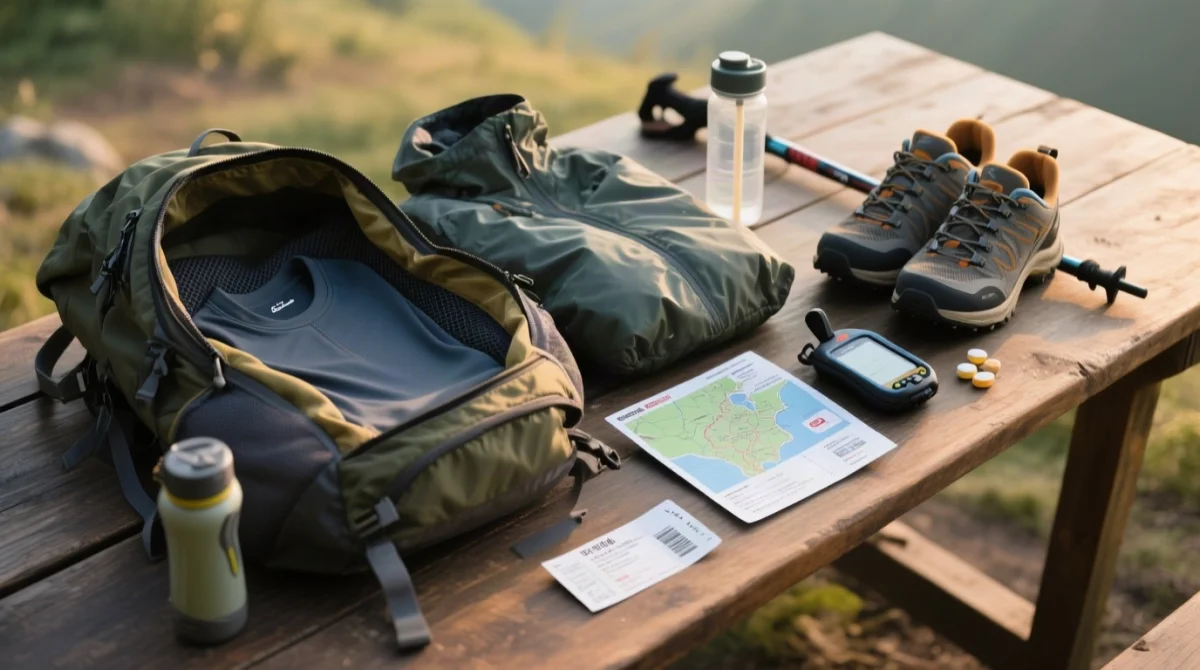
Summer needs lightweight breathable clothing, waterproof jacket, quick-dry shoes. Winter requires warm layers for January mountain lows of 5°C.
Fitness Levels Required for Vietnam Treks
Sapa hikes span 2 to 14+ days, moderate to difficult. The best time to go trekking in Vietnam aligns with Son Doong’s 25 km, 4-day, USD $3,000 expedition.
Hydration Strategy: Water Sources on the Trail
Carry water; remote sources need purification.
Ethical Trekking: Permits and Local Guides
Sapa guides, majority women from local ethnolinguistic groups with decent English, are essential on unmarked trails. Avoid ‘human zoo’ situations at Bac Ha Market. The best time to go trekking in Vietnam means booking homestay accommodation directly with ethnic minority villages.
FAQ: Trekking Seasons in Vietnam
What is the best time to go trekking in Vietnam?
The best time to go trekking in Vietnam depends on the region. For Northern Vietnam, the optimal trekking seasons are from October to December and March to May, offering dry trails and mild temperatures between 15°C and 25°C. For Central Vietnam, plan your hike between February and August to avoid the peak monsoon and typhoon season.
Can you trek in Vietnam during the rainy season?
Trekking during the rainy season is generally inadvisable. In Northern Vietnam, June to August brings heavy rainfall that bogs up trails, making them slippery and dangerous. Central Vietnam experiences its rainy season from September to January, bringing heavy rainfall, flooding, and occasional typhoons that severely impact trail safety and accessibility.
Do I need a guide to trek in Sapa or Ha Giang?
In Sapa, employing the services of a guide is essential because trails and homestays are unmarked. The majority of guides are women from local ethnolinguistic groups with decent English. For Ha Giang, securing licensed mountain guides is recommended for safe navigation of the 350 km Ha Giang Loop and understanding local regulations.
What are the temperatures like in Northern Vietnam during winter treks?
Northern Vietnam winter runs from December to February, featuring cool and dry weather with temperatures dropping to around 15°C. In mountainous areas and the far north, temperatures are colder, occasionally experiencing frost and dropping as low as 5°C in January, requiring warm layers and moisture-wicking clothing for high-altitude valley exploration.
How dangerous is the monsoon season for hikers in Central Vietnam?
The monsoon and rainy season in Central Vietnam from September to January is highly dangerous for hikers. It brings heavy rainfall, flooding in some places, and occasional typhoons in coastal areas. October is a definite no-go due to heavy rains, while November remains very wet, making trails unsafe and impassable.
What permits do I need for trekking near the Chinese border?
Border zone permits and local regulations are legal prerequisites for certain Northern routes near the Chinese border, such as Ha Giang province. Trekkers should book trekking permits early and prepare necessary documentation before departure. Always verify current requirements as regulations can affect timing and access to specific routes.
How should I prepare for altitude sickness in the Tonkin Alps?
Altitude sickness is a risk when exploring high-altitude areas above 1,000m in the Tonkin Alps, such as Ha Giang and Sapa. Preparation includes understanding symptoms, implementing acclimatization strategies, and adjusting to rapid weather shifts. Trekkers should monitor their physical fitness and hydration, as temperatures can drop to 5°C.
Is Phong Nha-Ke Bang open for trekking year-round?
While the park may be accessible, the best time to go trekking in Vietnam’s Central region, including Phong Nha-Ke Bang National Park, is during the dry season from January to August. The rainy season from September to January brings heavy rainfall and flooding, making cave expeditions and jungle hikes hazardous.