

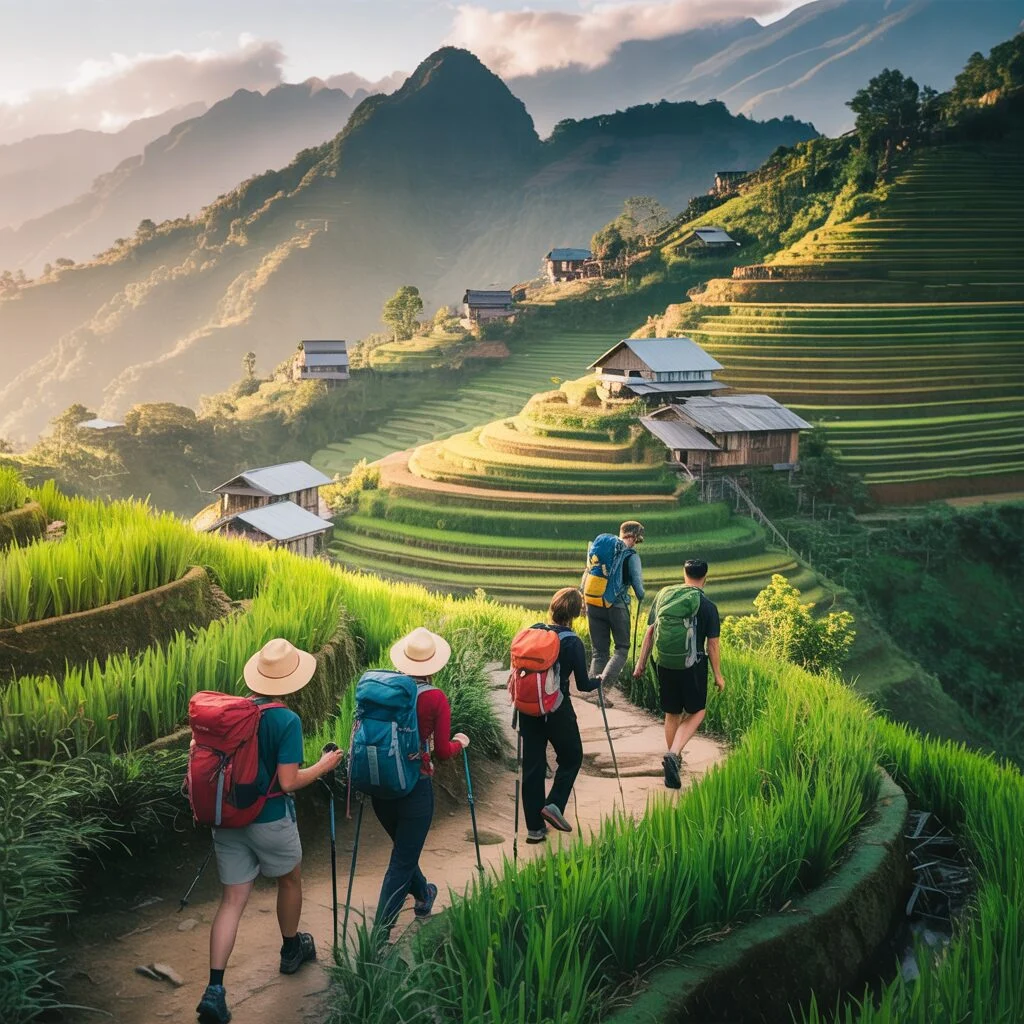
The best travel insurance for trekking in Vietnam covers high-altitude sickness on Fansipan (3,143m) and emergency medical evacuation of at least $250,000. US hikers must verify 24/7 support and adventure activity coverage for remote trails. Proper preparation prevents trail hazards like leeches and monsoon risks from derailing your 2026 trip.
Standard US health insurance and Medicare are typically not accepted in Vietnam, and private hospitals for tourists are expensive. Local clinics in remote areas like Sapa and the Ha Giang Loop often lack proper equipment to treat severe injuries, making robust medical evacuation and repatriation coverage a non-negotiable requirement for your safety.
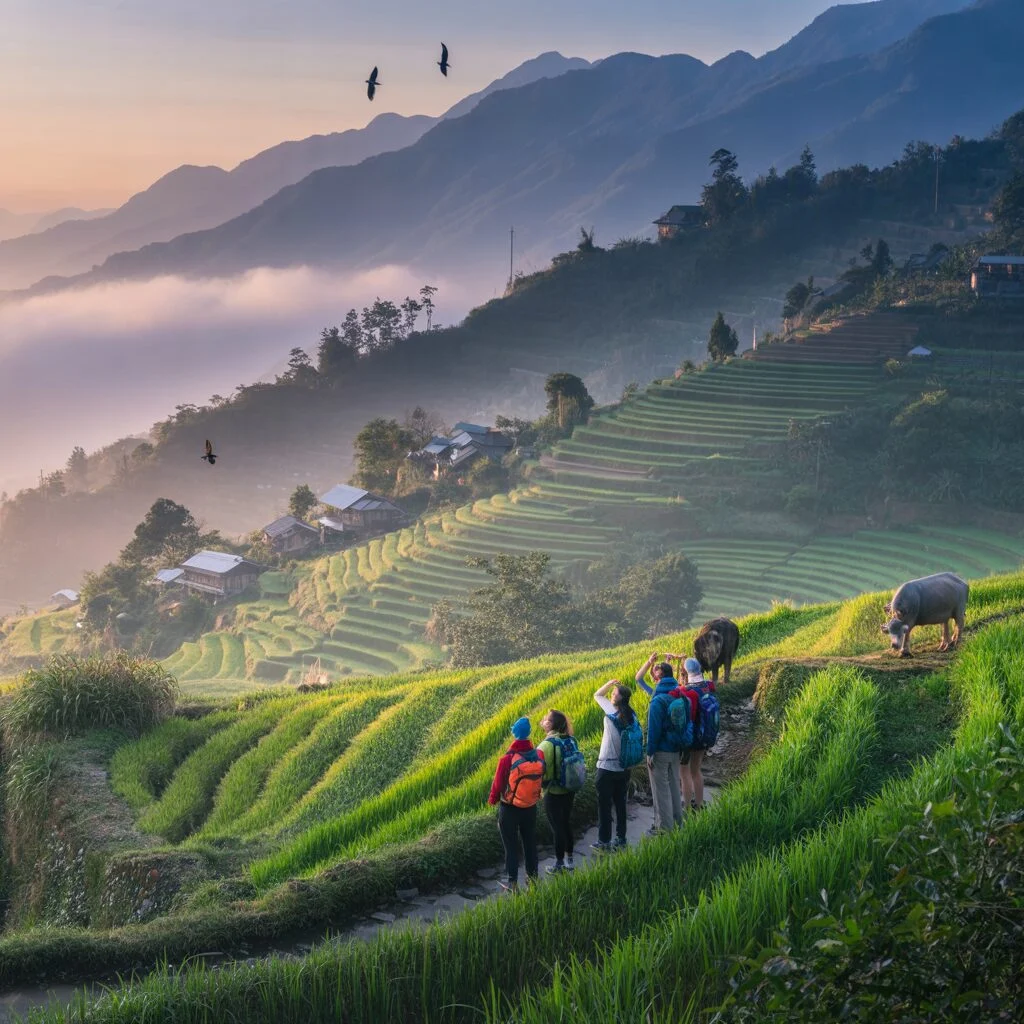
Beyond financial protection, hikers must address physical risks on the trail. Preventing leech bites with Permethrin-treated clothing, carrying a satellite device for areas with no cell service, and understanding altitude sickness protocols are essential steps for a secure trekking experience in Vietnam.
Core Policy Structure & Medical Evacuation Coverage
Travel insurance for trekking in Vietnam should include trip cancellation, medical limits of at least $100,000, and emergency medical evacuation of at least $250,000.
The Travelex Ultimate Plan covers trip cancellation up to $50,000, trip interruption up to $75,000, emergency medical up to $250,000, and evacuation up to $1,000,000. The Advantage Plan caps medical at $50,000 and evacuation at $250,000; the Essential Plan provides $25,000 medical and $200,000 evacuation. All Travelex plans include 24/7 emergency assistance and cap trip length at 30 days.
For a 14-day trip costing $3,000 per person, travel insurance for trekking in Vietnam averages ~$107 for solo travelers in their 30s (range $35-$196) and ~$352 for seniors 65+ (range $227-$548). Travel medical insurance alone costs ~$15 and ~$76 respectively, with a $250 annual deductible & excess fee.
U.S. health insurance and standard Medicare are typically not accepted in Vietnam. Private hospitals are expensive, and clinics in Sapa or the Ha Giang Loop may lack proper equipment for serious trail injuries. World Nomads requires approval from its 24-hour Emergency Assistance team before arranging transport, making a 24/7 emergency response hotline essential for remote trail coordination.
Understanding Search & Rescue Exclusions
World Nomads explicitly excludes search and rescue operations per its Policy Wording. Ripcord by Redpoint offers generous SAR benefits for adventurous travelers as an alternative.
Emergency Contacts in Vietnam
Vietnam’s ambulance emergency number is 115. In remote areas like Sapa and the Ha Giang Loop, coordinate with your insurer before arranging any transport.
Trekking Activity Rules & Altitude Sickness on Fansipan
Verify that your travel insurance for trekking in Vietnam explicitly covers hiking and altitude sickness treatment for Fansipan’s 3,143m elevation. Some plans impose a maximum elevation for coverage, so confirm your plan’s altitude cap before purchase.
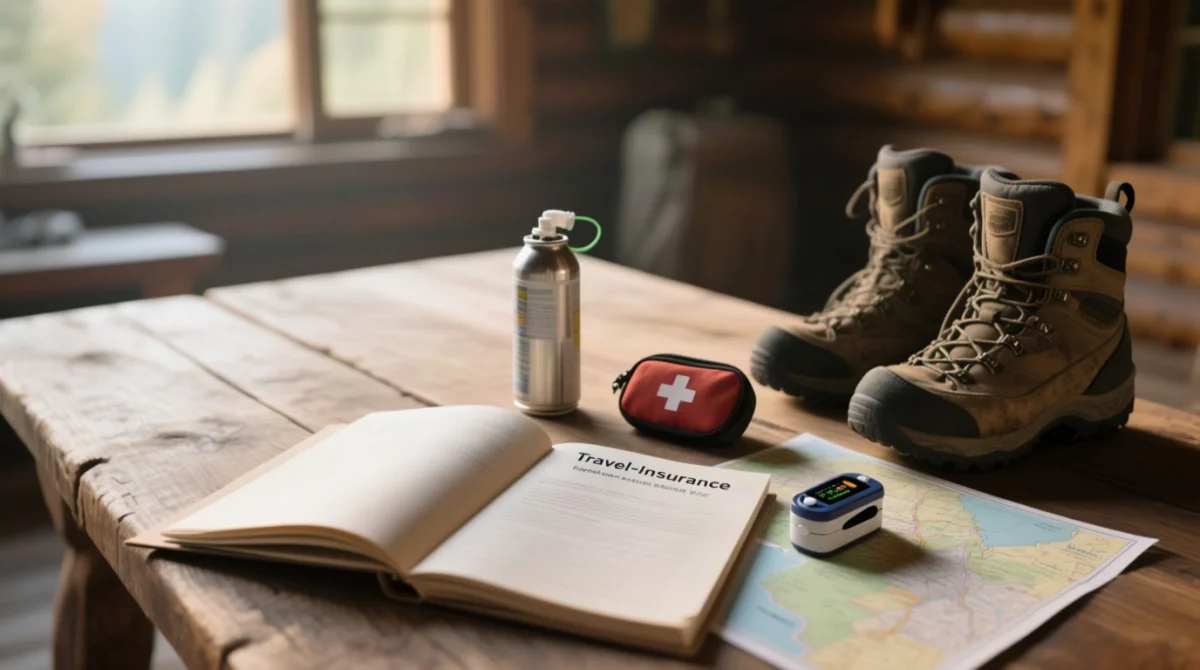
High-Altitude Trekking Limits & Fansipan
World Nomads Standard and Explorer Plans cover hiking and trekking up to 6,000m, placing Fansipan’s 3,143m summit well within policy limits. However, World Nomads excludes free mountaineering, climbing in remote or inaccessible regions, and high altitude climbing over 6,000 metres. SafeTrip International Travel Medical Plus offers an extreme sports add-on that covers hiking in remote areas. Optional upgrades must be purchased at the time of quote and cannot be added afterwards.
Acute Mountain Sickness symptoms include headache, nausea, dizziness, and shortness of breath. Immediate descent is the primary treatment. World Nomads excludes medical treatment that can wait until return to your country of residence, but altitude sickness requires urgent care, so it must be covered. Travel insurance for trekking in Vietnam must therefore include high-altitude sickness and oxygen therapy coverage.
How Pre-Existing Conditions Are Evaluated
The Travelex Ultimate Plan includes a pre-existing condition exclusion waiver if purchased within 21 days of the first trip payment and the full trip cost is insured, with a 90-day look-back period. World Nomads does not cover pre-existing medical conditions. Pathway Premium is categorized as the best travel insurance for pre-existing conditions for Vietnam.
Trail Hazards: Leeches & Remote Communication
Travel insurance for trekking in Vietnam must account for leech-borne infections and communication gaps on remote trails. Prevent bites with Permethrin-treated clothing and leech socks; remove leeches by sliding a fingernail under the sucker rather than pulling or burning. Secondary bacterial infections require treatment covered under medical expenses. Use insect repellents and proper clothing for general wildlife safety. Southern Vietnam’s rainy season runs May to October; Central Vietnam faces typhoons September to January; tropical storm season spans May to November (, 2025). Northern Vietnam’s best hiking months are October to April.
Building a Tropical Trekking First Aid Kit
Carry antiseptics, bandages, and water purification methods to prevent infections and waterborne illness on humid trails. A well-stocked kit reduces incidents that trigger medical claims under your travel insurance for trekking in Vietnam.
Navigating When Cell Service Drops
Cell service drops frequently in Sapa and the Ha Giang Loop. World Nomads states emergency transport may be impacted if unable to contact the insurer before arranging evacuation, making a satellite device (e.g., Garmin inReach) mandatory for insurance protocol. Trip delay insurance covers weather disruptions: Travelex Ultimate Plan max $2,000 (daily $250); Advantage Plan max $1,000 (daily $250); Essential Plan max $600 (daily $200).
Filing an International Medical Claim
US travelers must retain all medical receipts and police reports to meet strict claims documentation requirements for international hiking injury reimbursement.
Travel insurance for trekking in Vietnam requires precise documentation to process any reimbursement. For lost, stolen, or damaged baggage, you must report the incident to police, the common carrier, or a local authority as soon as possible. Required claim documents include a police report, copies of original receipts, a Property Irregularity Report, and luggage tickets. Delayed baggage coverage triggers when checked-in baggage is delayed for more than 24 hours, reimbursing essential items purchased while waiting.
World Nomads explicitly excludes expenses recoverable from other sources, including transport carriers, accommodation providers, credit card issuers, and other insurance policies. Their policies also do not cover search and rescue operations. For adventurous travelers needing SAR protection, Ripcord by Redpoint offers generous benefits for search and rescue. Reimbursement speed depends entirely on documentation completeness.
Before departure, US hikers must hold a passport valid for at least 6 months with two blank pages, plus a tourist visa (e-Visa available online). In emergencies on the trail, Vietnam’s ambulance number is 115. A well-chosen travel insurance for trekking in Vietnam ensures that properly documented incidents receive timely reimbursement without gaps caused by recoverable-expense exclusions.
FAQ
Does travel insurance for trekking in Vietnam cover altitude sickness on Fansipan?
Yes, standard policies like World Nomads cover hiking up to 6,000m, which fully includes Fansipan at 3,143m. Altitude sickness requires immediate treatment, so it is not classified as a condition that can wait until return to the country of residence. Always verify that your specific plan lacks high-altitude exclusions for this elevation.
What is the best travel insurance for trekking in Vietnam for US hikers?
The best plan explicitly covers remote trail hiking and emergency medical evacuation of at least $250,000. Providers like Travelex offer the Ultimate Plan with a $1,000,000 evacuation maximum and 24/7 emergency assistance. US hikers should compare coverage limits, deductibles, and adventure activity clauses before purchasing a policy.
Are helicopter evacuations covered by standard travel insurance in Vietnam?
Standard policies cover emergency medical evacuation to the nearest appropriate facility or repatriation back to the US, but World Nomads explicitly excludes search and rescue operations. Adventurous travelers needing SAR coverage should consider Ripcord by Redpoint, which offers generous benefits for search and rescue in remote destinations.
How do I safely remove a leech on a Vietnamese trail?
To safely remove a leech, slide your fingernail under the sucker to break the seal. Do not pull or burn the leech. Prevent bites by wearing leech socks and Permethrin-treated clothing. Ensure your policy covers tropical disease treatment for secondary bacterial infections acquired on humid trails.
Do I need a satellite phone for trekking in Sapa or Ha Giang?
Yes, a satellite device is mandatory. Cell service drops frequently in remote areas like Sapa and the Ha Giang Loop. Insurers such as World Nomads require you to contact their 24/7 Emergency Assistance team before arranging emergency transport, making a satellite device an insurance compliance requirement, not just safety gear.
What is the local emergency number for an ambulance in Vietnam?
The local ambulance emergency number in Vietnam is 115. However, in remote hiking areas, local clinics may not have the proper equipment to treat severe injuries. You must coordinate with your insurance provider’s 24/7 emergency assistance team before arranging transport to ensure coverage.
Are pre-existing conditions covered by adventure trekking insurance?
Coverage varies by provider. World Nomads does not cover pre-existing medical conditions. Travelex Ultimate Plan includes a pre-existing condition exclusion waiver if purchased within 21 days of the first trip payment and the full trip cost is insured. Pathway Premium is noted as the best option for pre-existing conditions.
How much does travel insurance for trekking in Vietnam cost for US travelers?
For a 14-day trip with $3,000 insured per person, a solo traveler in their 30s averages about $107, ranging from $35 to $196. A solo traveler in their 50s averages about $148. Travel medical insurance with a $250 deductible for a traveler in their 30s averages about $15.