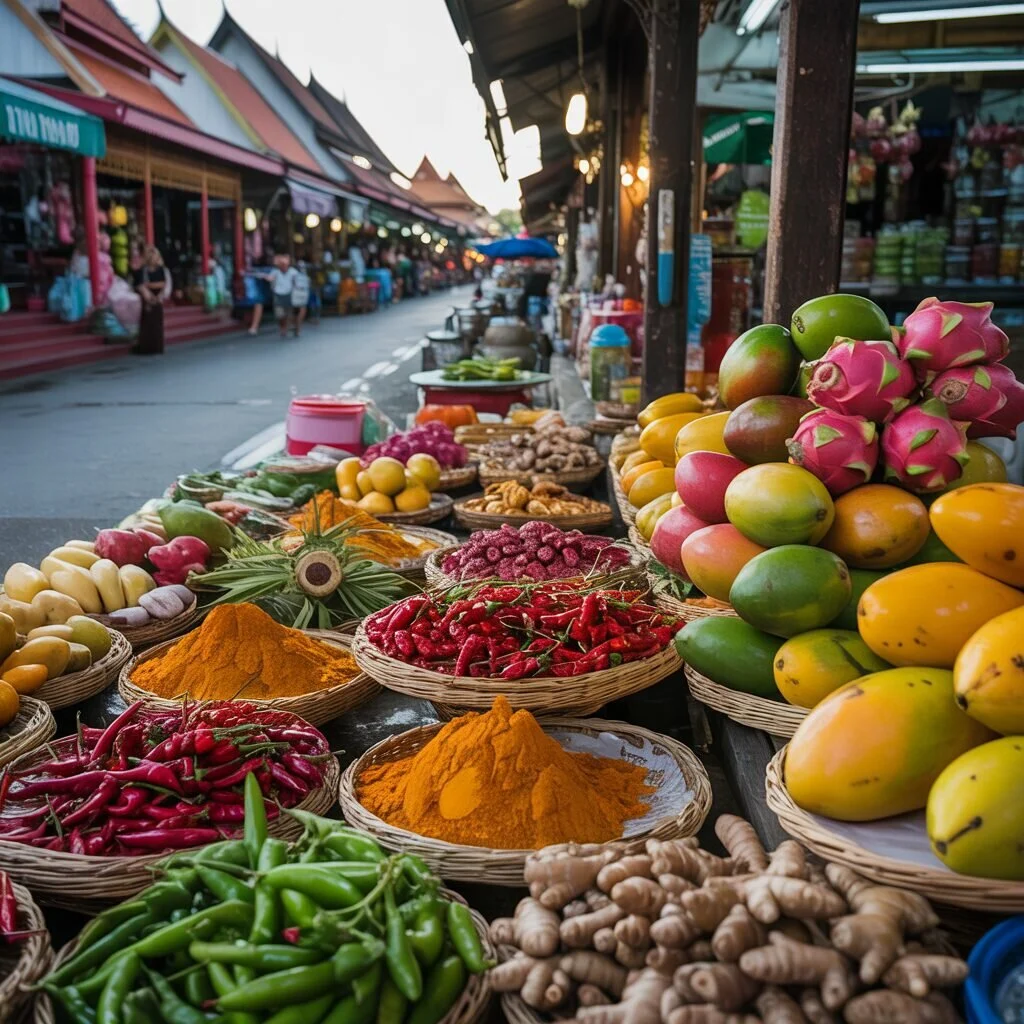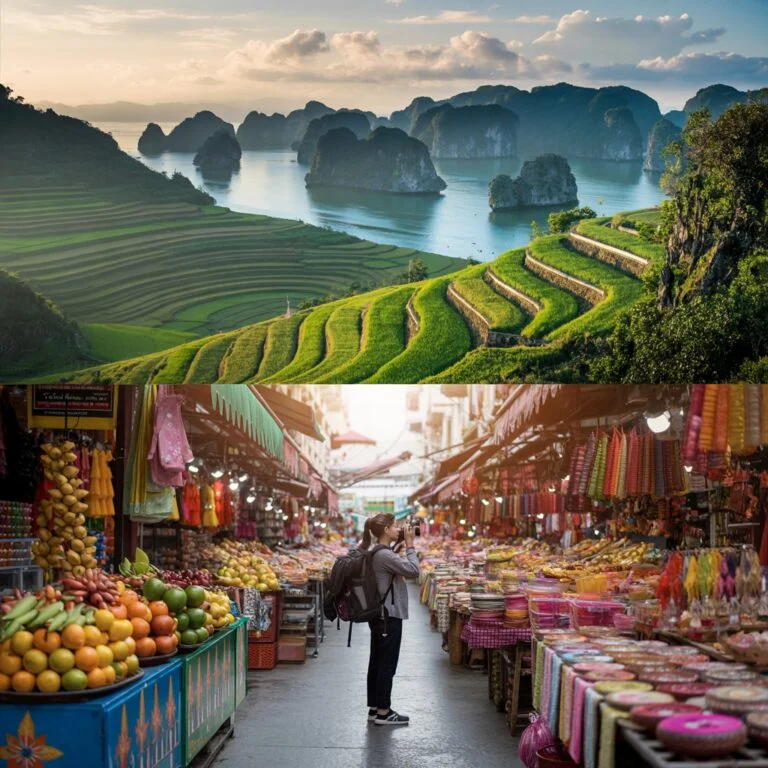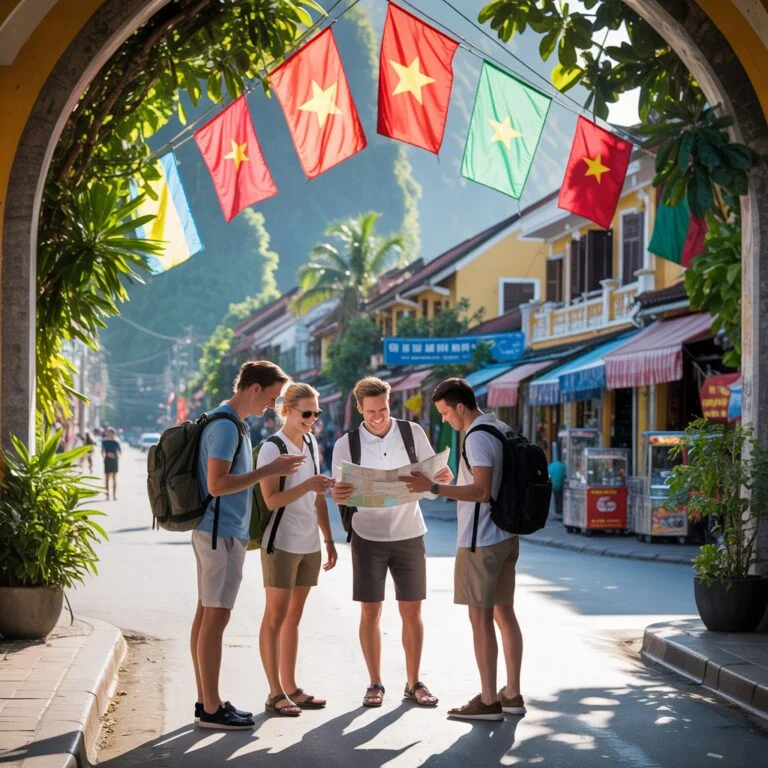
Vietnam culture and traditions blend indigenous Southeast Asian heritage, 1,000 years of Chinese influence, and a French colonial legacy across 54 ethnic groups. Tourists visiting in 2026 will encounter ancestor worship altars in taxis, slurp phở from street stalls, and navigate Confucian etiquette daily.
This guide covers everything from Tet Nguyen Dan dates and temple dress codes to the January 2025 civil code recognizing same-sex civil unions: the practical knowledge that prevents cultural faux pas.
What Is Vietnamese Culture? An Overview
Vietnam culture and traditions blend indigenous Southeast Asian heritage with nearly 1,000 years of Chinese domination, which ended in 938 AD, and the 1858-1945 French colonial period. For deeper historical background, travelers can consult the culture resource maintained by the Embassy of Vietnam in the USA at vietnamembassy-usa.org/vietnam/culture.
Vietnam culture and traditions unite exactly 54 ethnic groups recognized by the Vietnamese government, even though the Kinh people make up ~82% of the population. This demographic makeup drives distinct regional variations across the country. Northern customs mandate subtle food flavors and strict adherence to historical norms. Central regions preserve ancient imperial heritage alongside intensely spicy cuisine. Southern lifestyles project a relaxed, tropical rhythm characterized by sweeter culinary profiles and open social interactions.
Core Values and Family Traditions in Vietnam
Vietnam culture and traditions center on Confucian values of filial piety and family hierarchy, visible in how younger family members greet elders first and serve them during meals.
Historically, these customs maintained households of 3-4 generations where men held the final say. However, as of 2026, modern urban families are narrowing to 2-3 generations, and gender roles continue to evolve among the youth.
Ancestor Worship and Household Altars
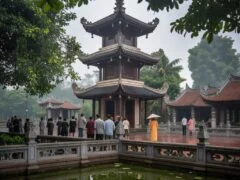
Vietnam culture and traditions preserve a deep connection to the past through ancestor veneration. Tourists will notice household altars in shops, modern apartments, and even taxis. Walk down a Hanoi street at dawn and you will see shopkeepers lighting the first incense stick before raising their shutters, a ritual that survives even in modern storefronts. These sacred spaces require strict respect; visitors must never point their feet toward an altar or touch the offerings.
Festivals and Holiday Calendar in Vietnam
Vietnam culture and traditions shape the country’s rhythm around the lunar calendar. The most significant event is Tet Nguyen Dan (Lunar New Year), which falls on February 17, 2026 and closes most businesses for up to a week. Travelers in 2026 must anticipate these closures for seamless logistics.
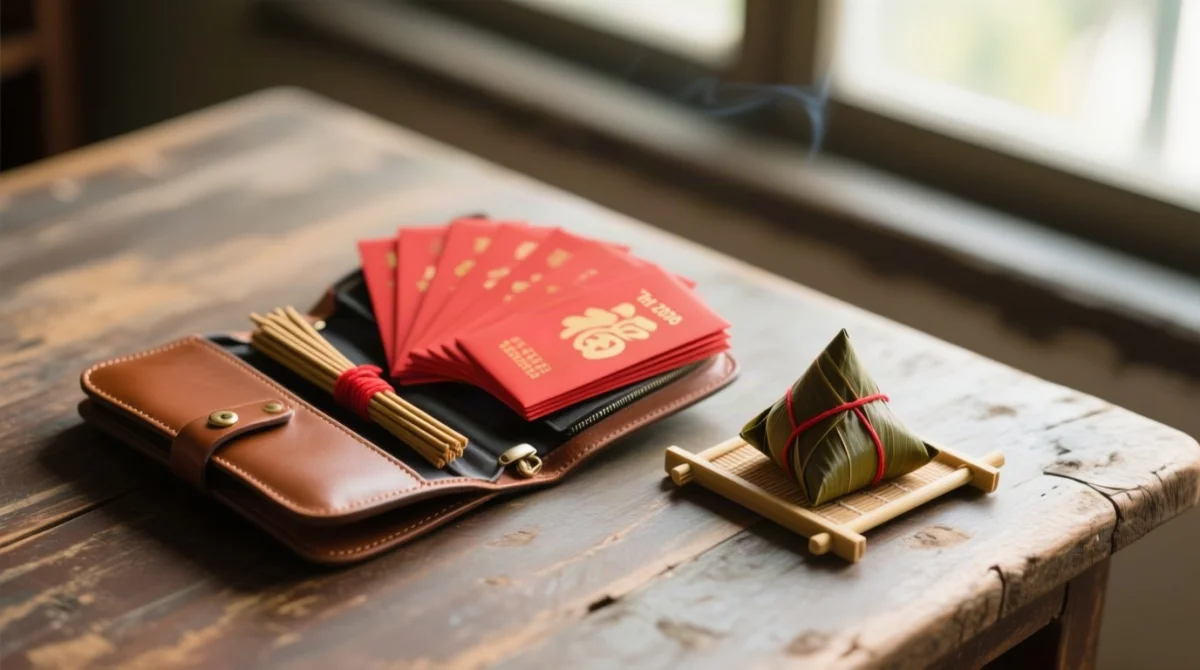
Beyond the New Year, Vietnam culture and traditions preserve spiritual heritage through the Mid-Autumn Festival, the Vu Lan festival, and the Hung Kings Festival. Because these events follow the lunar calendar, their Gregorian dates shift every year, so re-check them before booking domestic transport. For a full breakdown of dates and travel impacts, see this complete calendar of major Vietnamese festivals.
| Year | Tet Nguyen Dan Date | Travel Impact |
|---|---|---|
| 2026 | February 17, 2026 | Extensive business closures, premium pricing |
| 2027 | February 6, 2027 | Extensive business closures, premium pricing |
| 2028 | January 26, 2028 | Extensive business closures, premium pricing |
Disclaimer: Lunar dates should be verified against local calendars closer to travel.
Religion and Spiritual Life in Vietnam
Vietnamese cultural traditions shape a unique spiritual landscape where Mahayana Buddhism serves as the primary organized faith, yet roughly 80% of the population reports no formal religious affiliation, a figure that reflects formal membership rather than daily practice. Instead, Vietnam culture and traditions preserve a deep reliance on folk beliefs and ancestor worship.
While exploring the country in 2026, visitors will encounter Catholicism, which accounts for approximately 7% of the population, alongside Theravada Buddhism. Furthermore, Vietnam culture and traditions accommodate indigenous faiths like Cao Dai and Hoa Hao. This blended spiritual life dictates temple etiquette and daily rituals nationwide.
Traditional Clothing and the Ao Dai
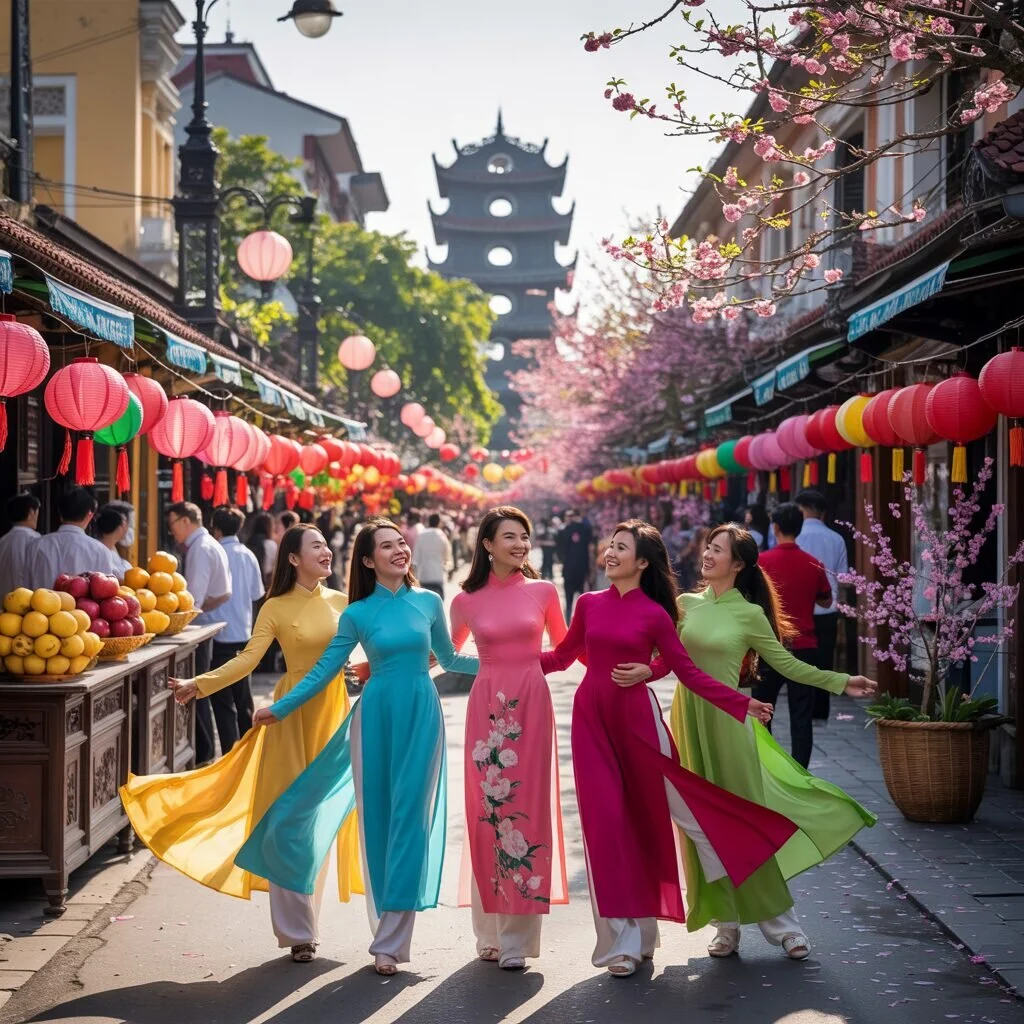
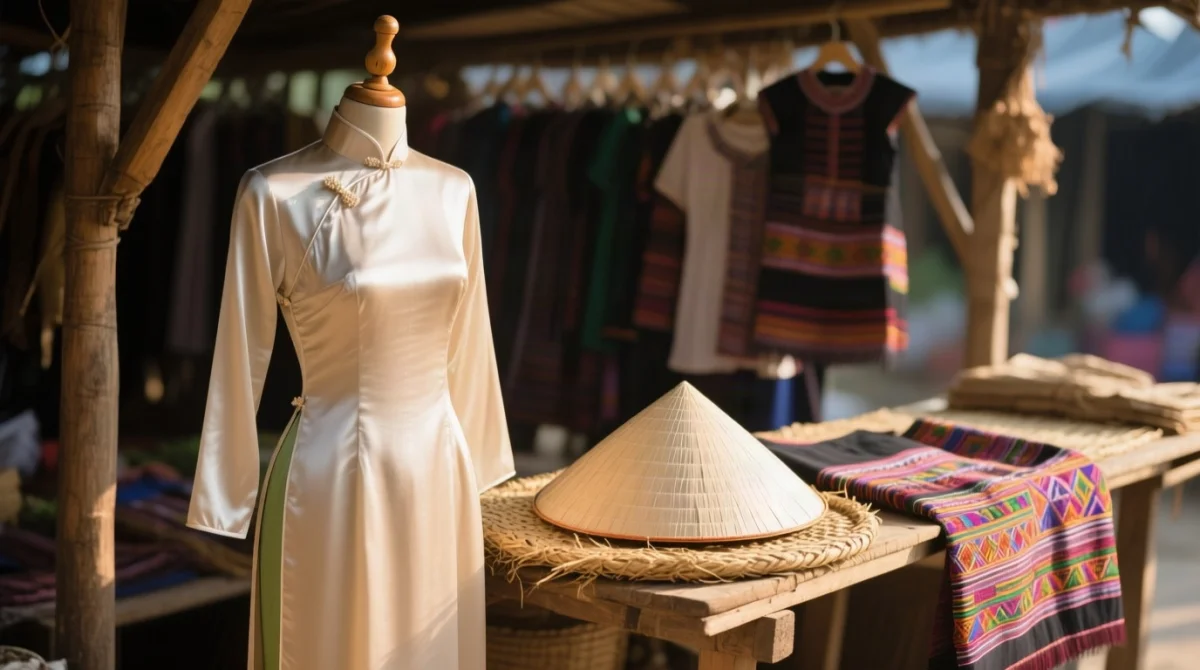
Vietnam culture and traditions converge in the áo dài, a garment originating in the 18th century under Lord Nguyễn Phúc Khoát and modernized into its current form in the 1930s. It is worn today at weddings, festivals, and as school uniforms.
Non La and Ethnic Embroidery
Vietnam culture and traditions preserve distinct regional identities through attire. The nón lá (conical hat) shields agricultural workers and city vendors from the elements while serving as a symbol of local heritage.
Beyond the national dress, the country’s ethnic diversity is visible in traditional textiles. Visitors trekking in the northern mountains will encounter intricate Hmong embroidery, showcasing the distinct craftsmanship of minority communities.
Vietnam’s 54 Ethnic Groups and Where to Find Them
Vietnam culture and traditions span 54 ethnic groups recognized by the Vietnamese government. The Kinh people make up ~82% of the population, while the remaining 53 minority groups, including the Hmong, Tày, and Cham, preserve their own languages, textiles, and festival calendars.
Travelers can meet these communities in specific regions: Hmong villages around Sapa, Tày stilt houses near Mai Châu, and Cham communities in the Mekong Delta. Village markets and homestays in each region keep these cultures part of daily life rather than a museum display.
Photography Ethics in Ethnic Villages
Vietnam culture and traditions survive in these villages through respectful tourism. Ask permission before photographing individuals, avoid “human safari” tours that treat villagers as props, and buy handicrafts directly from makers so the communities benefit from your visit.
Food and Eating Culture in Vietnam
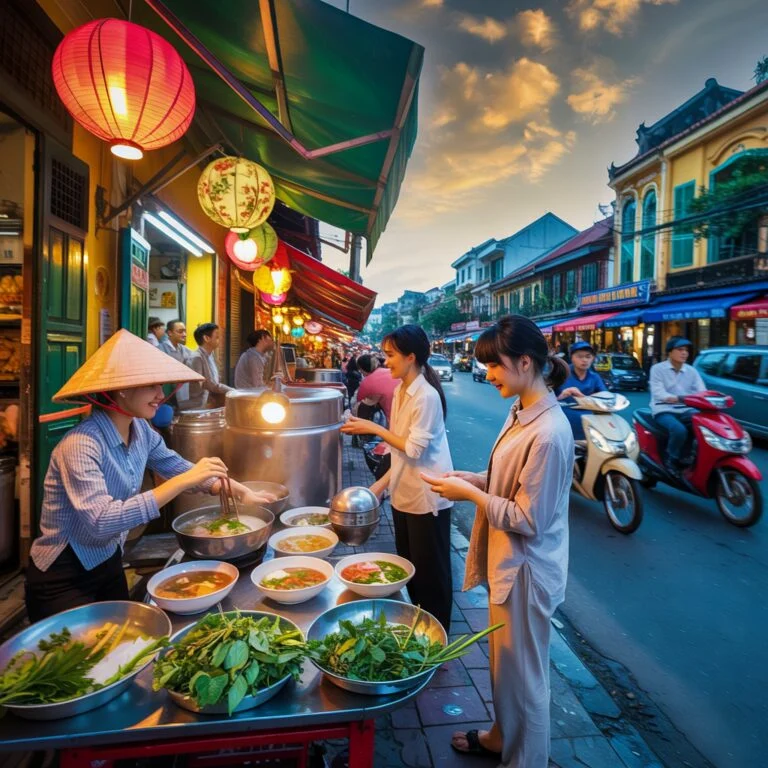
Vietnam culture and traditions define a culinary landscape that revolves around communal dining and iconic dishes like phở, bánh mì, and bún bò Huế. Regional flavor profiles dictate the spice levels and ingredients across the North, Central, and South, but the ubiquitous fish sauce (nước mắm) unifies the national palate.
Dining Etiquette and Chopstick Taboos
Vietnam culture and traditions treat shared meals as social contracts: elders are served first, and the youngest pours tea. Diners must never stick chopsticks upright in a bowl of rice, as this mimics burning incense at an ancestor altar and symbolizes death.
Passing food requires both hands to show respect to elders at the table. Visitors should embrace the communal style of eating, where everyone shares from central plates of bánh xèo rather than ordering isolated individual portions.
French Influence on Modern Vietnam
French colonial rule from 1858 to 1945 left a lasting mark on the country, but Vietnam culture and traditions absorb rather than erase these foreign elements. Tourists experience this blend daily when eating a baguette-derived bánh mì or drinking cà phê sữa đá brewed through a traditional drip filter.
The European legacy became part of the daily rhythm, showing how Vietnam culture and traditions adapted imported goods. This adaptation is visible in the colonial architecture of the Hanoi Opera House and the lively street corners serving local bia hoi. Visitors sipping egg coffee at Cafe Giang witness firsthand how deeply these colonial imports merged with indigenous tastes.
Modern Vietnam Meets Traditional Culture
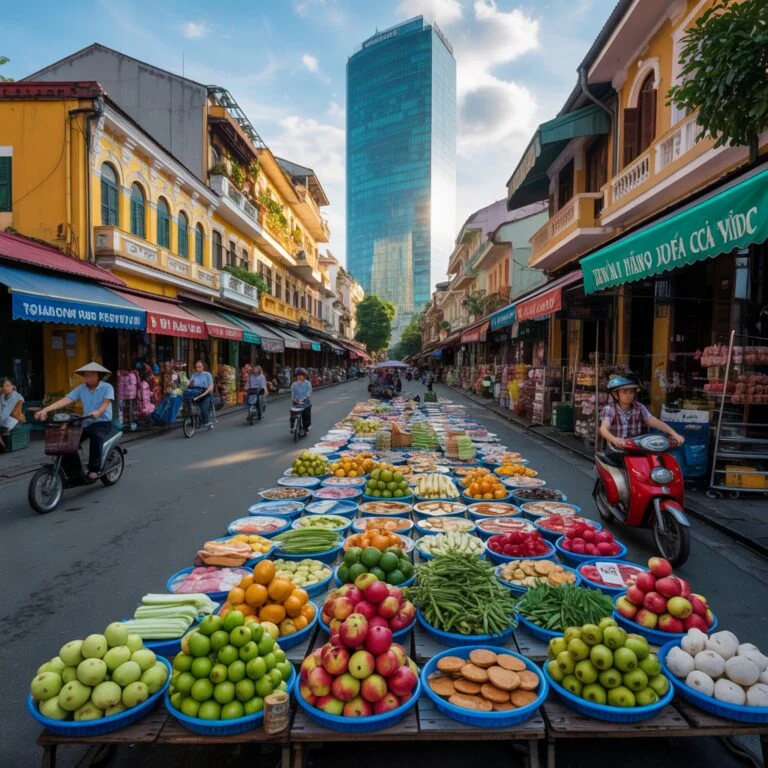
Since the 1986 Đổi Mới economic reforms, urban Vietnam has blended V-pop, Instagram cafés, and motorbike culture with persistent traditions. Vietnam culture and traditions keep ancestor altars in modern apartments, and families still spend weeks preparing for Tet Nguyen Dan.
For visitors, the contradictions are the point: a skyscraper mall beside a temple where incense burns at dawn, or a V-pop crowd heading home to a multi-generational family dinner. Recognizing this dual rhythm is essential to appreciating Vietnam culture and traditions today.
LGBTQ+ Travel in Vietnam
Vietnam culture and traditions accommodate modern global visibility: under an amended civil code effective January 2025, the country recognizes same-sex civil unions, making it one of Southeast Asia’s most progressive destinations even without full marriage rights or a national anti-discrimination law.
Vietnam culture and traditions shape a vibrant community life across major urban centers. Tourists can experience annual Pride events in both Hanoi and Saigon. Specific neighborhoods, particularly Tay Ho in Hanoi and District 1 and District 3 in Ho Chi Minh City, operate as inclusive, safe hubs for queer visitors.
- Same-sex civil unions legally recognized (effective January 2025)
- Among Southeast Asia’s most progressive LGBTQ+ destinations
- Annual Pride events in Hanoi and Saigon
- Inclusive safe hubs: Tay Ho (Hanoi), District 1 and District 3 (Ho Chi Minh City)
- No full marriage rights
- No national anti-discrimination law
- Conservative social norms remain standard practice
- Discretion advised for public displays of affection (all couples)
Do’s and Don’ts: Cultural Etiquette for Visitors
Vietnam culture and traditions shape clear boundaries for social respect, rewarding travelers who observe local etiquette. Key practices include removing shoes indoors, covering shoulders at temples, avoiding touching heads, and never pointing feet. At many temples, staff lend shoulder covers at the gate and correct oversights with grace rather than confrontation.
| Do | Don’t |
|---|---|
| Cover shoulders and knees when entering any temple or pagoda. | Touch anyone’s head, even children, as it is the most sacred part of the body. |
| Use a two-handed handshake or a slight bow for greetings. | Point your feet at people or altars, which is highly offensive. |
| Leave a 5-10% tip in restaurants and round up for guides, though not mandatory. | Maintain aggressive eye contact during conversations or bargaining. |
| Remove your shoes before entering private homes. | Give gifts wrapped in black or blue colors. |
Vietnam culture and traditions prioritize saving face and social harmony, so adapting to these physical rules ensures a respectful trip.
The Vietnamese Language: Essential Phrases for Tourists
The written language relies on a Latin script called Chữ Quốc Ngữ, which uses diacritics to indicate exactly 6 tones. Because Vietnam culture and traditions reward respectful visitors, mastering “xin chào” (hello) and “cảm ơn” (thank you) visibly improves service interactions in markets and restaurants.
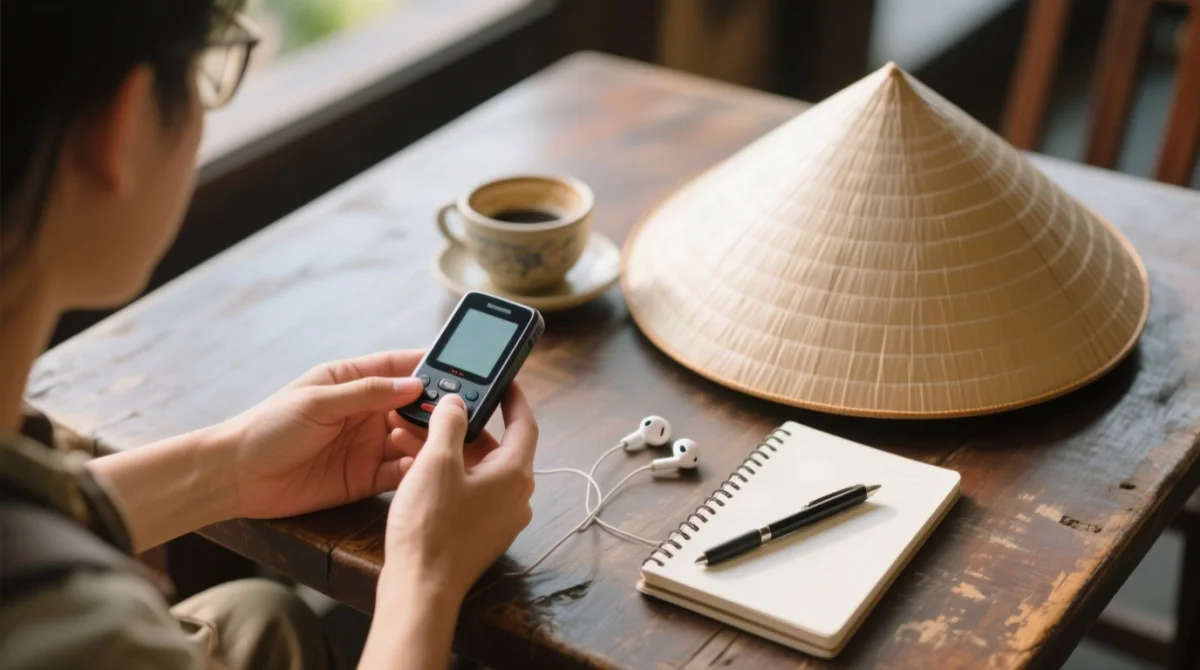
Travelers must also understand the traditional naming structure that Vietnam culture and traditions preserve: a formal Vietnamese name always places the family name first, followed by the middle name, and the given name last.
| Vietnamese Phrase | English Meaning | Practical Use |
|---|---|---|
| Xin chào | Hello | Standard greeting for any time of day. |
| Cảm ơn | Thank you | Used to show gratitude to hosts, guides, or vendors. |
| Bao nhiêu | How much? | Essential for navigating local markets and street food stalls. |
Frequently Asked Questions (FAQ)
What are the core Vietnamese cultural traditions every tourist should know?
Vietnam culture and traditions rest on Confucianism, filial piety, and ancestor veneration, visible in the household altars found in homes, shops, and taxis.
How to avoid common cultural faux pas in Vietnam?
Use a two-handed handshake or slight bow for greetings, never point your feet at people or altars, avoid aggressive eye contact, and always remove your shoes before entering a private home.
What are some common taboos in Vietnamese culture?
Never touch or pat anyone on the head, including children, as it is the most sacred part of the body, and never stick chopsticks upright in a bowl of rice, which symbolizes death and incense.
Do and don’ts in Vietnam regarding temple dress codes?
Both shoulders and knees must be completely covered at all religious sites, for all genders; revealing clothing is highly offensive in places of worship.
How do Vietnamese show love and respect in families?
Through Confucian filial piety: households traditionally included three to four generations living together, modern urban families now average two to three, and honoring elders while saving face dictates most social interactions.
What is the modern vs traditional Vietnamese culture dynamic?
Following the 1986 Đổi Mới economic reforms, urban areas rapidly modernized, yet traditional practices like ancestor worship and elaborate Tet Nguyen Dan preparations remain deeply embedded in daily life.
How many ethnic minority groups are there in Vietnam?
There are exactly 54 recognized ethnic groups; the Kinh people make up roughly 82 percent of the population, while minorities such as the Hmong, Tày, and Cham live mainly around Sapa, Mai Châu, and the Mekong Delta.
What is the traditional water puppetry in Vietnam?
Water puppetry (múa rối nước) is a unique art form tied to Vietnam culture and traditions, dating to the 11th-century Lý dynasty and performed today at the Thăng Long Water Puppet Theatre in Hanoi.
Last updated: October 2026. Legal facts reflect the amended Vietnamese civil code effective January 2025; lunar festival dates shift yearly and should be re-verified before booking travel. Historical and cultural background is referenced from the culture resource of the Embassy of Vietnam in the USA.